You’re Ruining Your Clothes: The Laundry Symbols Guide Every Adult Needs
Let’s be real. You’ve done it. I’ve done it. We’ve all stood there, holding a shrunken wool sweater that could now fit a toddler, wondering where it all went wrong. Or maybe you pulled out those brand-new black jeans, only to find them a sad, streaky gray. These aren’t just annoying mistakes; they’re expensive ones. Every ruined garment is cash tossed directly into the trash.
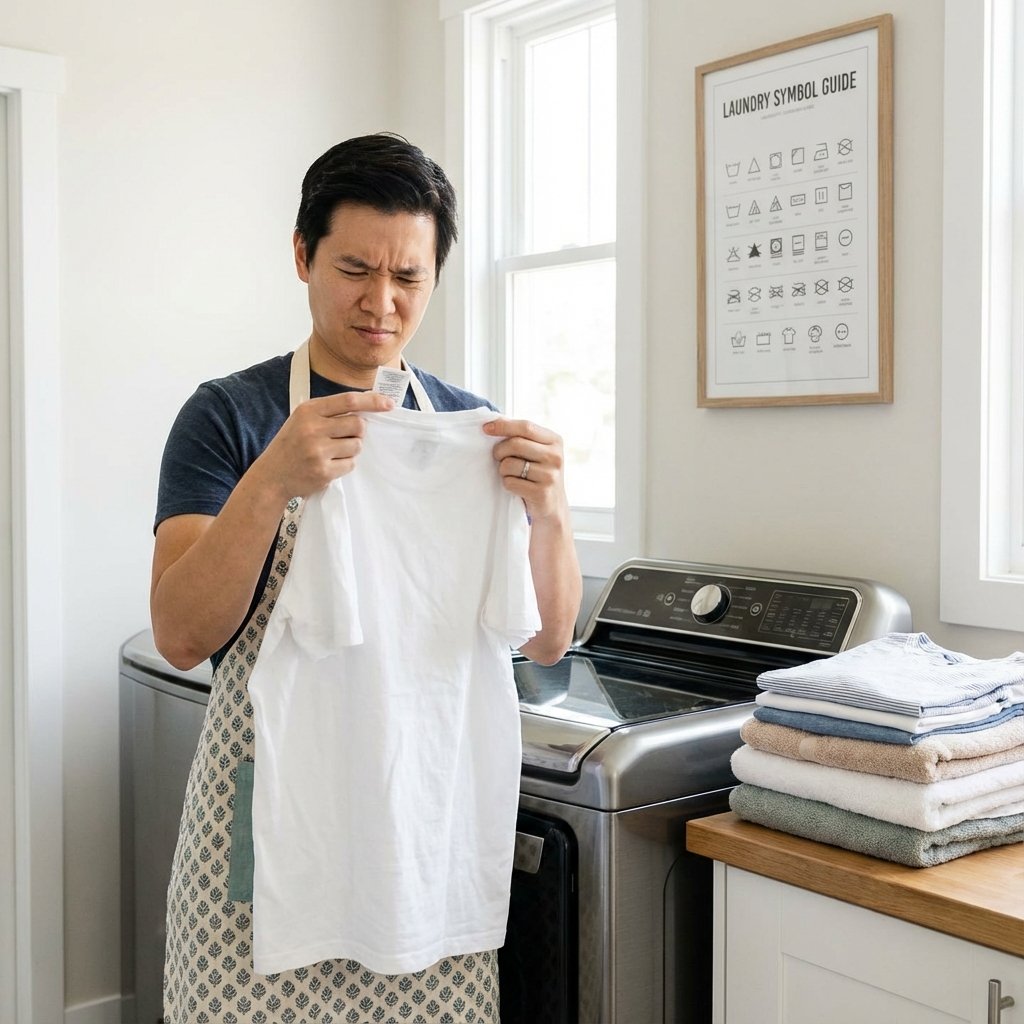
The culprit? Those tiny, cryptic symbols on the care tag—a language most of us never learned. We treat laundry like a guessing game, tossing everything in on ‘normal’ and hoping for the best. But hope isn’t a strategy, especially when your hard-earned money is on the line. Think about it: ruining just a few $50 items a year costs you hundreds. That’s a utility bill, a load of groceries, or a nice dinner out that you basically lit on fire.
This guide is your secret weapon. It’s the cheat sheet to finally decoding laundry care labels. Forget the confusion. We’re breaking down exactly what each symbol means so you can stop destroying your clothes, make them last longer, and keep more money in your pocket. It’s time to stop guessing and start washing like a pro.
The Code Breaker: Your Quick-Reference Laundry Symbol Chart

This is your new laundry bible. Bookmark it, screenshot it, print it out and tape it to your washing machine. Mastering these symbols is the single biggest step you can take to protect your wardrobe investment. We’ve broken them down into the five main categories you’ll see on every tag.
| Symbol Category | Symbol (Description) | What It Means | Street-Smart Tip |
|---|---|---|---|
| WASHING | A tub of water | This is your basic washing instruction. The number inside the tub is the maximum water temperature in Celsius. Dots are another way to show temp: one dot for cold (30°C/85°F), two for warm (40°C/105°F), up to six for hot. | When in doubt, always wash in cold. It’s gentler on most fabrics, prevents shrinking and fading, and saves a ton on your energy bill. Most modern detergents are designed to work great in cold water. |
| WASHING | A tub with a line underneath | Permanent Press cycle. This is a medium-agitation wash with a cool-down period to prevent wrinkles. | This is your go-to setting for most synthetic fabrics like polyester, nylon, and rayon. Think work blouses and athletic wear. |
| WASHING | A tub with two lines underneath | Delicate/Gentle cycle. Low agitation, short wash. Protects fragile items. | Use this for silk, lace, and anything you’re worried about. For extra protection, put these items in a mesh laundry bag. It’s a $5 investment that will save $50+ items. |
| WASHING | A tub with a hand in it | Hand Wash Only. Do not machine wash. | Use a clean sink or basin with a small amount of gentle detergent. Swish the garment, let it soak for a bit, rinse with cool water, and gently squeeze out excess water—never wring it! |
| WASHING | A tub with an ‘X’ over it | Do Not Wash. Simple as that. This item is likely dry-clean only. | Don’t test this one. Trying to wash a ‘Do Not Wash’ item is a surefire way to ruin it. |
| BLEACHING | An empty triangle | Bleaching is allowed. You can use any type of bleach, including chlorine bleach. | Chlorine bleach is harsh. Only use it on sturdy whites like cotton socks and towels. For most things, an oxygen-based bleach (like OxiClean) is a safer, color-safe alternative. |
| BLEACHING | A triangle with two diagonal lines inside | Non-chlorine bleach only. | This is your sign to use a color-safe, oxygen-based bleach. Using chlorine bleach will likely strip the color or damage the fabric. |
| BLEACHING | A solid black triangle with an ‘X’ over it | Do Not Bleach. Any kind of bleach will damage the fabric or color. | Heed this warning. If you have a tough stain, use a targeted stain remover before washing instead. |
| DRYING | A square with a circle inside | Tumble Dry. This is the general symbol for machine drying. Dots inside indicate the heat level, just like with washing: one for low, two for medium, three for high. | Air drying is your cheapest option. But if you must tumble dry, use the lowest heat setting possible. It extends the life of your clothes, especially anything with elastic (like workout gear or underwear). |
| DRYING | A filled-in black circle inside a square | Tumble Dry, No Heat. Also known as the ‘air fluff’ setting. | Great for fluffing up pillows, down jackets, or refreshing clothes that don’t need a full wash. Uses zero heat, saving energy. |
| DRYING | A square with a circle inside and an ‘X’ over it | Do Not Tumble Dry. Machine drying will likely cause shrinkage or damage. | This is where a simple drying rack becomes your best friend. It costs nothing to operate and is the gentlest way to dry clothes. |
| DRYING | A square with a curved line at the top | Line Dry. Hang on a clothesline or hanger to dry. | Best method for preventing wrinkles in shirts and pants. Plus, you get that fresh, sun-dried smell for free. |
| DRYING | A square with three vertical lines inside | Drip Dry. Hang soaking wet, without wringing or squeezing. | Usually for items that wrinkle easily, like rayon or silk blouses. The weight of the water helps pull the wrinkles out as it dries. |
| IRONING | An iron symbol | Ironing is allowed. Dots inside indicate temperature: one for low (synthetics), two for medium (wool/silk), three for high (cotton/linen). | Start with a lower temp than you think you need and work your way up. It’s better than scorching your favorite shirt. |
| IRONING | An iron with an ‘X’ over the bottom (steam) | Do Not Steam. Steaming could damage the fabric. | Pay attention to this on certain synthetic fabrics or items with delicate finishes. |
| IRONING | An iron with an ‘X’ over it | Do Not Iron. The fabric can’t handle the heat. | This is common on heavily embellished items or very delicate synthetics. A handheld steamer on a low setting (held far away) can sometimes work, but test on an inside seam first. |
| DRY CLEANING | An empty circle | Dry Clean Only. Take it to a professional. | Don’t try to be a hero. Some materials, like structured blazers or certain silks, will be permanently ruined by water. |
| DRY CLEANING | A circle with an ‘X’ over it | Do Not Dry Clean. The chemicals used in the process will damage the fabric. | This is less common, but important. Usually found on items with special coatings or bonded materials. |
The Real Cost of Ignoring the Tag: Let’s Do the Math
You might think, ‘So what if I shrink a shirt?’ But that ‘so what’ adds up to a serious drain on your bank account. Let’s break down the real cost of laundry ignorance. This isn’t about shaming; it’s about empowering you with the financial truth so you can make smarter choices.
Imagine a typical year of laundry ‘oops’ moments. You’re busy, you’re in a hurry, and you just throw everything in together. Here’s what it could cost you:
- One favorite wool sweater, shrunk in a hot wash: $60
- A new pair of dark-wash jeans, faded by the wrong cycle: $75
- Two graphic tees, cracked and peeled from high heat drying: $50 ($25 each)
- A delicate blouse, snagged and ruined without a mesh bag: $40
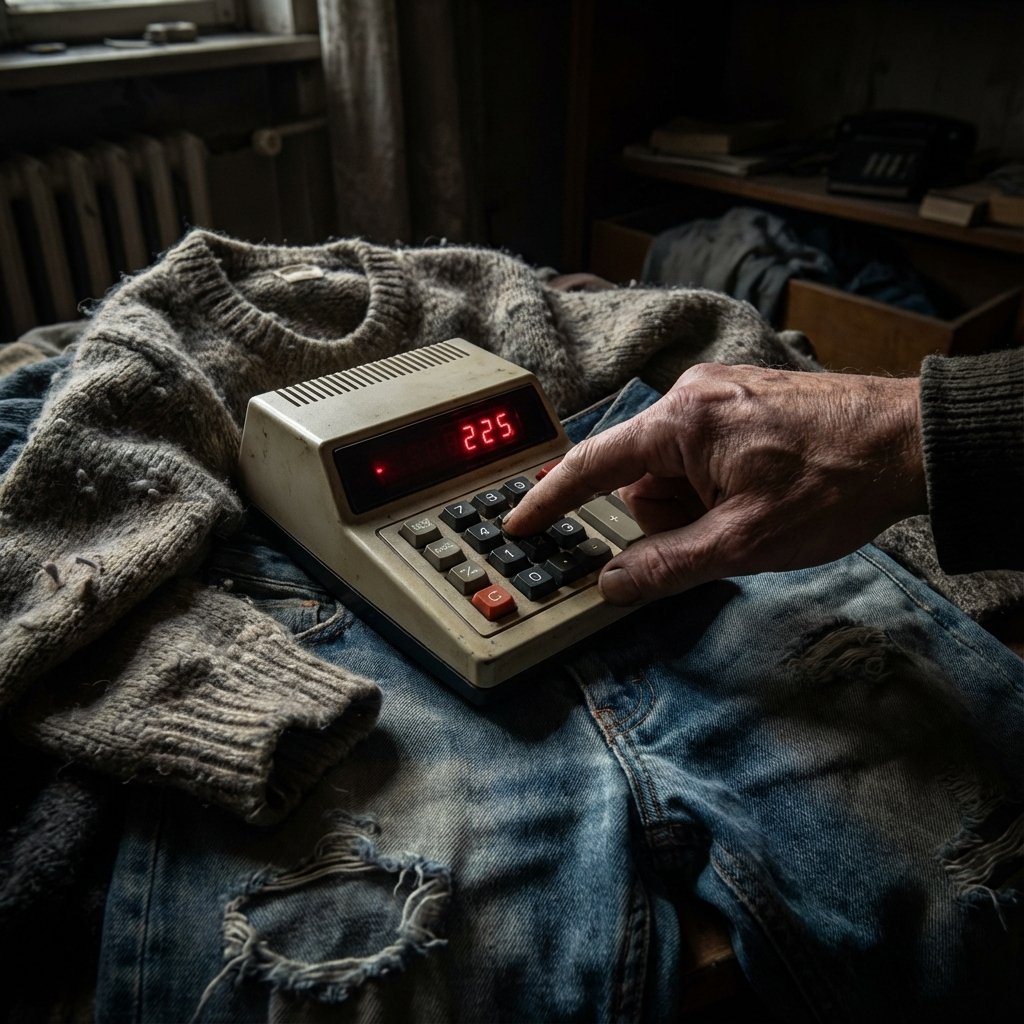
The total damage from just four common mistakes? A whopping $225 for the year. That’s money you could have used for a weekend trip, to pay off debt, or to boost your emergency fund. And that’s a conservative estimate.
Now let’s see how that simple mistake multiplies over time. Ignoring laundry symbols and costing yourself $225 a year doesn’t seem like a catastrophe, but look at the long-term impact:
| Timeframe | Total Money Wasted | What You Could Have Bought Instead |
|---|---|---|
| 1 Year | $225 | A high-quality pair of boots or a fancy dinner out. |
| 5 Years | $1,125 | A new laptop or a round-trip flight for a vacation. |
| 10 Years | $2,250 | A significant contribution to an IRA or a down payment on a used car. |
When you see it laid out like that, it’s a no-brainer. Taking 10 extra seconds to read a tag is one of the highest-return investments you can make. You are literally saving thousands of dollars over the long haul by not having to constantly replace clothes you accidentally destroyed.
Beyond the Symbols: Pro-Level Laundry Hacks to Save Even More
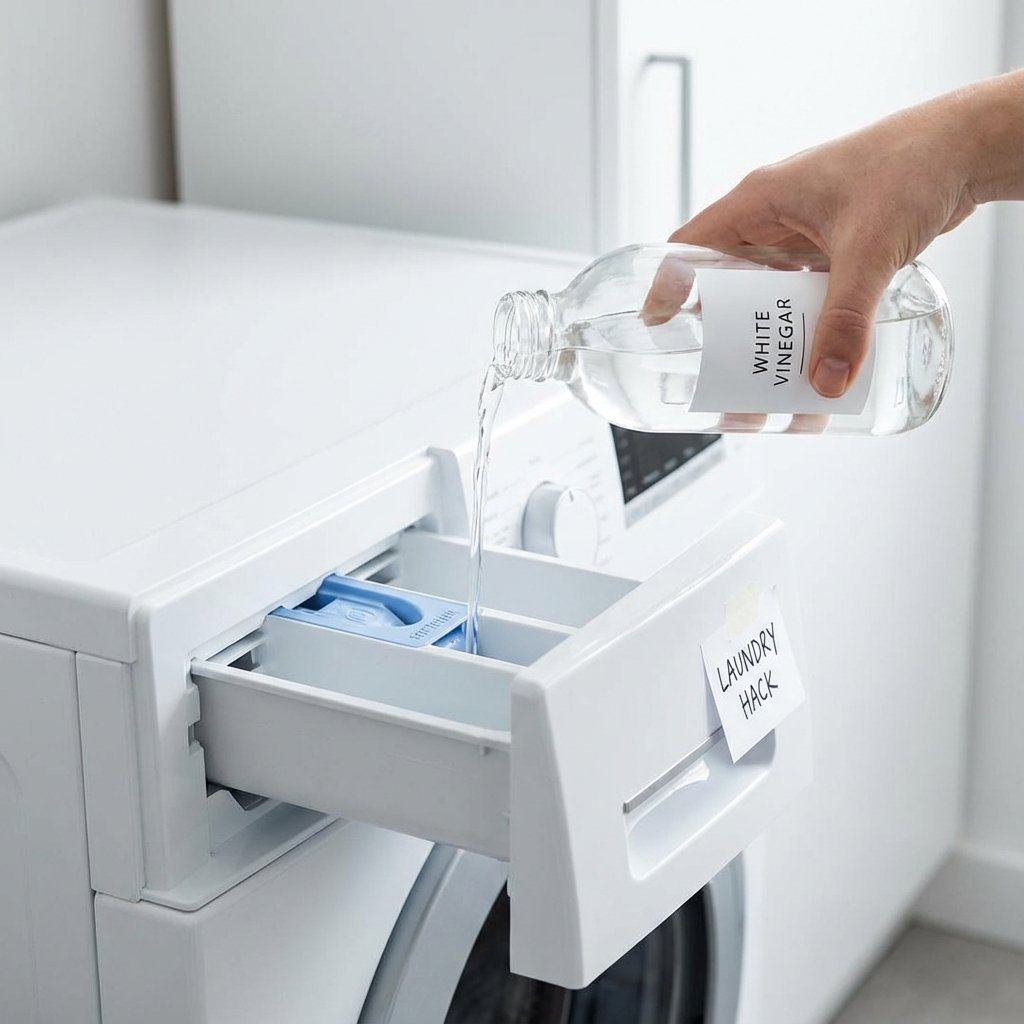
Once you’ve mastered the symbols, you can level up your laundry game to save even more cash on detergent, water, and electricity. These are the street-smart hacks that separate the amateurs from the pros.
Save on Supplies & Energy
- Use Half the Detergent: The measuring caps on detergent bottles are huge for a reason: they want you to use more and buy more. For most normal-sized loads, half a cap is plenty. Your clothes will get just as clean, and your detergent will last twice as long.
- Switch to Cold Water: About 90% of the energy a washing machine uses is for heating water. Switching to cold saves a ton on your electricity bill—potentially up to $60 per year. Modern detergents are formulated to be just as effective in cold water.
- DIY with Vinegar: White vinegar is a frugal powerhouse. Add half a cup to the rinse cycle instead of commercial fabric softener. It softens clothes, removes odors, and helps get rid of detergent residue, all for pennies per load.
Make Your Clothes Last Longer
- Zip Zippers, Unbutton Buttons: Before washing, zip up all zippers to prevent them from snagging other clothes. Unbutton all buttons (especially on shirt cuffs and collars) to reduce stress on the buttonholes and threads.
- Turn Graphics and Darks Inside Out: To protect the print on graphic tees and prevent dark jeans from fading, turn them inside out before washing. This minimizes friction on the ‘show’ side of the fabric.
- Invest in Wool Dryer Balls: Ditch expensive, single-use dryer sheets. A set of reusable wool dryer balls (around $10-$15) can last for over 1,000 loads. They reduce drying time by 25%, saving electricity, and they naturally soften clothes without chemicals.
- Embrace the Air Dry: The dryer is the natural enemy of fabric elasticity. Air-drying is the number one way to extend the life of your workout clothes, bras, underwear, and anything with spandex. A simple foldable drying rack is one of the best investments for your wardrobe.
Key Rule: The less heat you apply to your clothes—both in the wash and in the dryer—the longer they will last and the more money you will save. Heat is the enemy of fabric longevity.
Decoding Fabric Types: When to Bend the Rules (and When Not To)
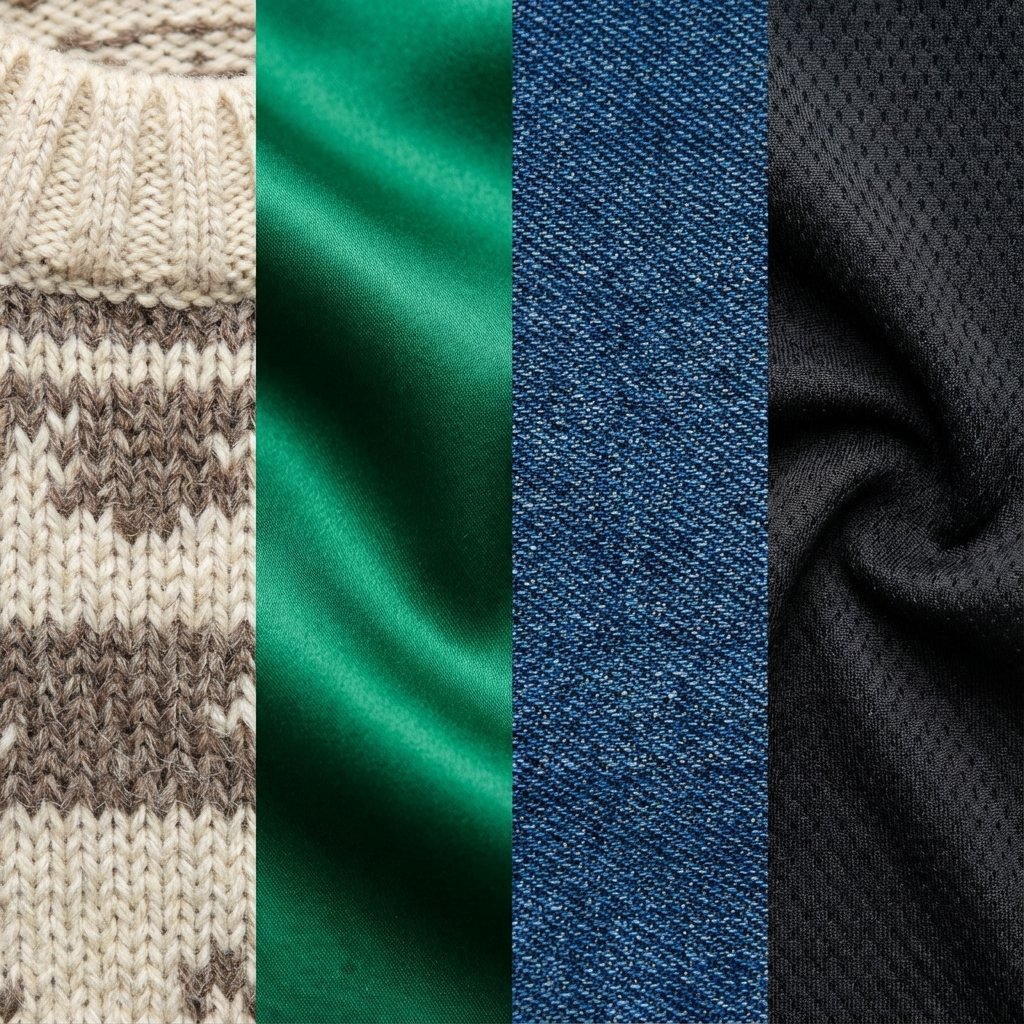
The symbols are your primary guide, but understanding the ‘why’ behind them—the fabric itself—makes you a true laundry master. Knowing your materials helps you make smart judgment calls, especially when a tag is missing or unreadable.
The Main Players
- Cotton: This is a durable, workhorse fabric. It can generally handle heat well (hot wash, high-heat dry), which is why it’s used for towels and bedding. However, 100% cotton is prone to shrinking, so if an item is new or you’re worried about the fit, stick to a warm or cool wash and a medium or low dry.
- Polyester & Synthetics: Think athletic wear, work blouses, and fleece. These are tough and wrinkle-resistant but are sensitive to high heat. High temperatures can cause irreversible damage, like melting or shrinking the plastic-based fibers. This is why you almost always see the ‘tumble dry low’ symbol. High heat also creates static.
- Wool & Cashmere: These are the delicate ones. Wool is made of animal hair fibers that will felt and shrink when agitated and exposed to heat. This is why you see ‘Hand Wash Only’ or ‘Dry Clean Only’ on wool sweaters. Never, ever put a wool sweater in the dryer unless you intend to give it to a doll.
- Silk: Like wool, silk is a delicate protein fiber. It’s strong but can be damaged by high heat and harsh detergents. ‘Hand Wash’ or ‘Delicate Cycle’ in cold water is the standard. The friction of a normal wash cycle can weaken the fibers over time.
- Spandex (Lycra/Elastane): This is the magic stretchy stuff in your jeans, workout clothes, and swimsuits. Its biggest enemy is heat. High heat from the washer or dryer will destroy the elastic fibers, leaving the garment saggy and misshapen. This is why you should always wash athleisure in cold water and let it air dry.
Knowing this, you can make an educated guess. Found a thrift store blouse with no tag but it feels silky and synthetic? Treat it like a polyester delicate: wash cold on a gentle cycle and hang to dry. Got a sturdy cotton t-shirt? You can probably wash it on warm without a problem. Understanding the material is the ultimate backup plan.
Conclusion
There you have it. The laundry symbol code has been cracked. It’s not some ancient, unknowable language; it’s a simple set of instructions designed to save you money. By taking a few extra seconds to read the tag, you’re no longer gambling with your clothes—you’re protecting your assets. You’re transforming a mundane chore into a smart financial habit.
Every load of laundry is now an opportunity to save money, not waste it. You have the knowledge and the strategy. So the next time you’re about to dump everything into the machine on ‘hot’ and hope for the best, stop. Look at the tag. Make the smart choice. Your wardrobe and your wallet will thank you for it.