
The Library Loophole: Free Museum Passes, Tools, and Tech You Didn’t Know Existed
You think your library card is just for dusty old books? Think again. In a world where every streaming service, software, and weekend activity demands a piece of your paycheck, there’s a powerful loophole hiding in plain sight: your local library. This isn’t your grandma’s library. It’s a full-blown resource hub, a hustler’s headquarters, and a VIP pass to a world of free stuff that corporations are banking on you paying for. Forget clipping coupons; this is the ultimate frugal hack.
We’re talking about a system that lets you borrow a $200 power drill for that weekend project, take your family to a museum that would normally cost $100, access professional-grade software for your side hustle, and binge-watch movies—all for the grand price of zero. This guide is your treasure map. We’re going to show you exactly how to transform that flimsy piece of plastic in your wallet into a power tool that can save you hundreds, if not thousands, of dollars a year. It’s time to stop leaving money on the table and start using the system to your advantage.
Beyond Books: Score Free Passes to Museums, Zoos, and More

Your weekend entertainment budget is about to get a massive refund. Most people have no idea that public libraries partner with local cultural institutions to offer free admission passes. These aren’t BOGO coupons; we’re talking full-on free entry to museums, science centers, zoos, botanical gardens, and even state parks.
These programs go by different names—’Culture Pass,’ ‘Discover & Go,’ ‘Museum Pass Program’—but the concept is the same. The library holds a limited number of memberships that you can ‘check out’ just like a book. You typically reserve a pass online for a specific day or week, print it out or show it on your phone, and walk right in. This is an absolute game-changer for families, date nights, or anyone looking for enriching experiences without the hefty price tag.
Imagine wanting to visit the new exhibit at the city art museum. A family of four could easily be looking at a $100 bill just for tickets. With the library loophole, that cost becomes $0. Do that four times a year, and you’ve saved $400 without breaking a sweat. It feels like a cheat code for life, because it is.
The Real-World Savings Breakdown
Don’t just take our word for it. Look at the hard numbers. This is what you’re leaving on the table by not using this one simple library perk.
| Entertainment / Activity | Typical Cost (Family of 4) | Library Loophole Cost | Potential Annual Savings |
|---|---|---|---|
| City Museum Visit | $80 – $120 | $0 | $480 (Quarterly visits) |
| Zoo or Aquarium Tickets | $100 – $150 | $0 | $200 (Two visits) |
| State Park Annual Pass | $50 – $100 | $0 (Via check-out pass) | $100 |
| Local Historical Society | $40 | $0 | $40 |
| TOTAL POTENTIAL SAVINGS | $820+ per year |
Your New Toolbox: Borrowing Power Tools, Kitchen Gear, and Tech
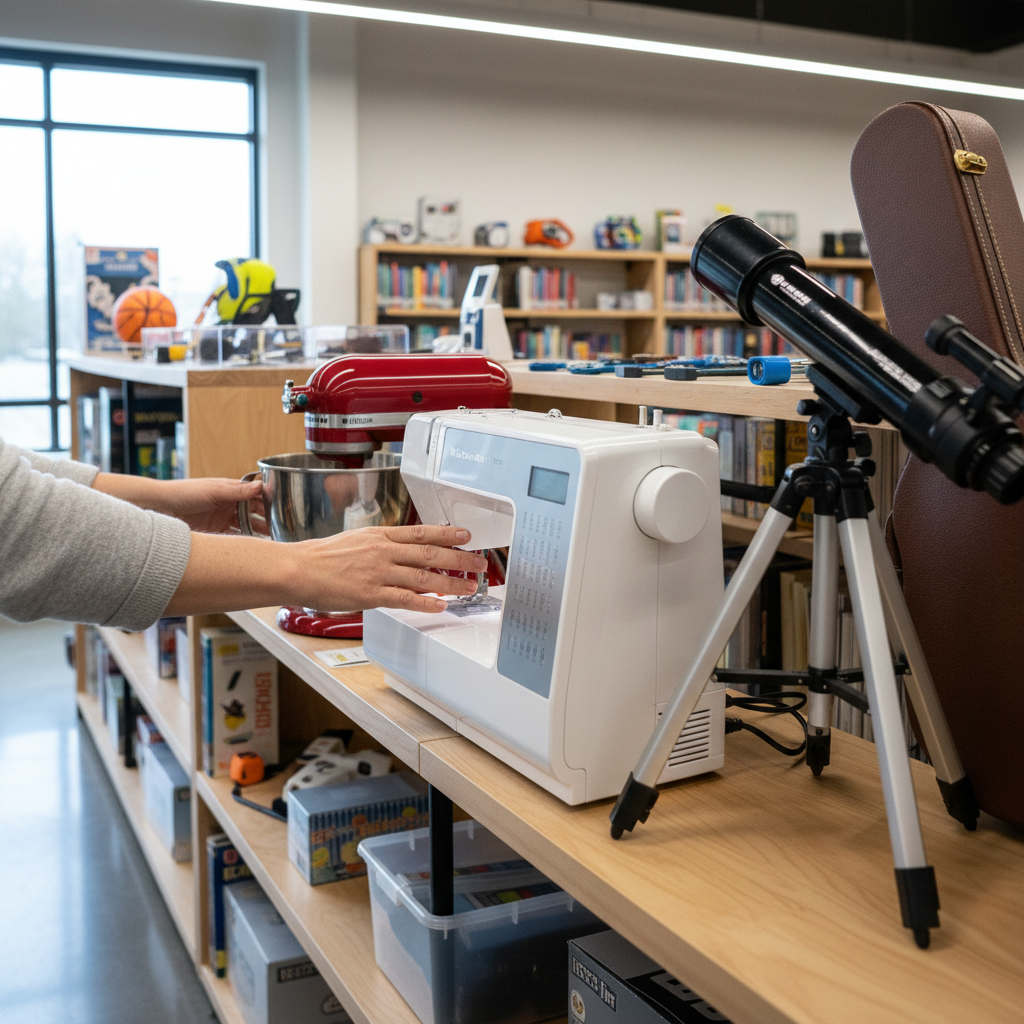
How many times have you needed a specific tool for a one-off project? You need to hang one shelf, so you drop $70 on a power drill that will gather dust in your garage for the next five years. This is where the ‘Library of Things’ comes in to save your wallet and your storage space.
This is one of the most revolutionary and underutilized library services. Many library systems now lend out physical objects far beyond books. We’re talking about a massive, community-owned collection of useful items that you can borrow for free. It’s the ultimate try-before-you-buy or, even better, a use-without-ever-buying system.
What Can You Borrow?
- Home Improvement Tools: Power drills, circular saws, sanders, socket wrench sets, ladders, and even wheelbarrows. Perfect for DIY projects or small home repairs.
- Kitchen Gadgets: High-end stand mixers (think KitchenAid), Instant Pots, pasta makers, food dehydrators, and specialty baking pans. Why buy a $400 mixer when you can borrow it for your holiday baking spree?
- Tech & Electronics: GoPro cameras for your vacation, digital projectors for a backyard movie night, Wi-Fi hotspots for travel or temporary internet outages, telescopes for stargazing, and even musical instruments like guitars and keyboards.
- Hobby & Craft Supplies: Sewing machines, knitting needle sets, button makers, and Cricut machines for the crafty side hustler.
This isn’t just about saving money; it’s about empowerment. For a side hustler, this is a goldmine. Need to power wash a client’s driveway but don’t own a pressure washer? Borrow one. Want to start a baking side gig but can’t afford a commercial-grade mixer? Borrow one. The Library of Things lowers the barrier to entry for countless projects and small business ideas from thousands of dollars to zero.
Cut the Subscriptions: Free Streaming, Software, and Skills Training
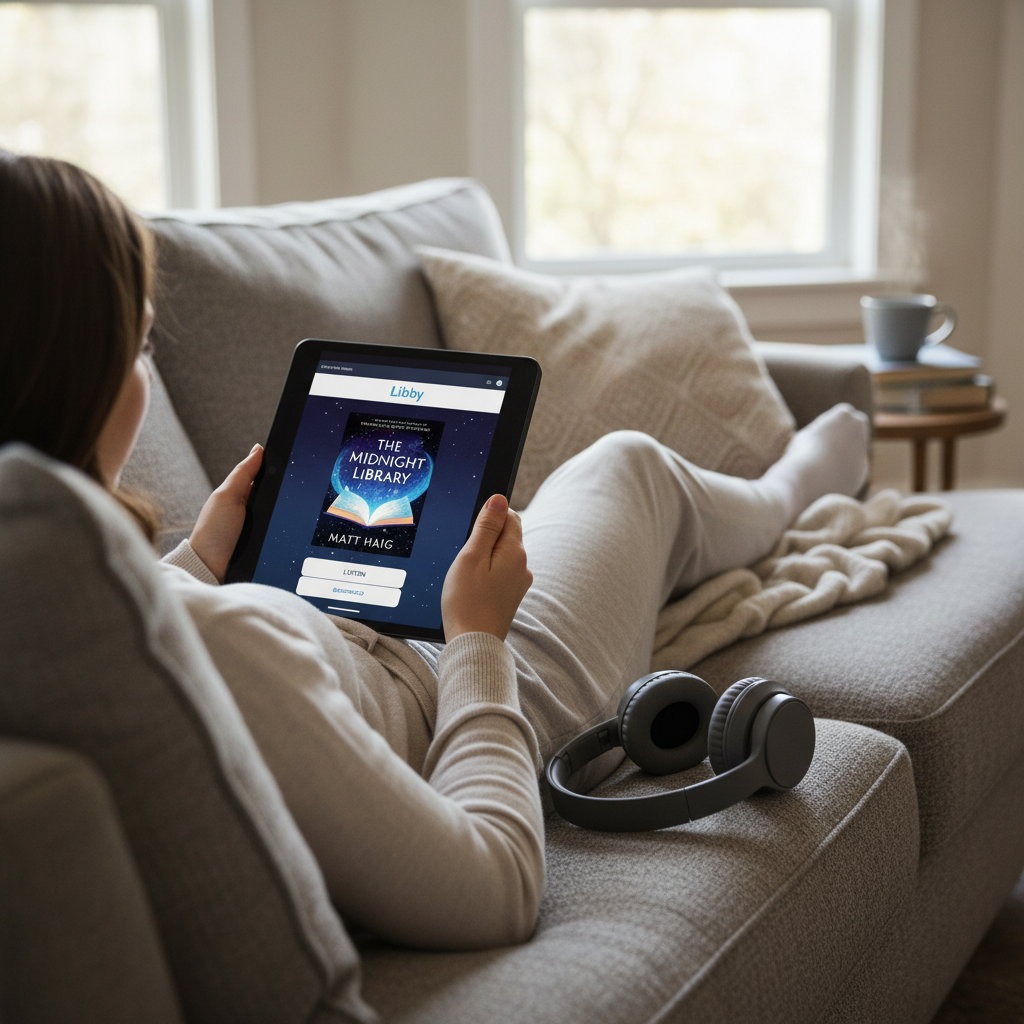
Your monthly subscription fees are quietly draining your bank account. That $15 for movies, $15 for audiobooks, and $30 for an online course adds up. Your library card is the ultimate subscription killer, giving you premium access to digital content that rivals the paid giants.
Libraries invest huge sums of money into digital platforms so you don’t have to. All you need is your library card number to log in.
Meet Your New Favorite Apps:
- For Movies & TV (The Netflix Killer): Check out Kanopy and Hoopla. Kanopy is a cinephile’s dream, packed with critically acclaimed films, documentaries, and foreign films. Hoopla offers a mix of popular movies, TV shows, and music. You can stream directly to your TV, tablet, or phone.
- For Audiobooks & eBooks (The Audible Killer): Libby (by OverDrive) is the king here. It gives you access to thousands of best-selling audiobooks and eBooks, including new releases. The interface is slick, and you can send books directly to your Kindle. Say goodbye to that $14.95/month Audible credit.
- For Skills Training (The LinkedIn Learning Killer): This is a massive hack for anyone looking to level up their career or side hustle. Many libraries offer free access to LinkedIn Learning (formerly Lynda.com), a platform with thousands of high-quality video courses on everything from graphic design and coding to project management and marketing. A direct subscription costs $29.99/month. You get it for free.
The math on this is staggering. By replacing just a few common subscriptions with their free library alternatives, you can pocket over $500 a year. That’s a car payment, a vacation fund, or a serious boost to your savings.
| Subscription Service | Typical Monthly Cost | Free Library Alternative | Potential Annual Savings |
|---|---|---|---|
| Movie/TV Streaming | $15.49 (Netflix Standard) | Kanopy, Hoopla | $185.88 |
| Audiobook Service | $14.95 (Audible) | Libby, Hoopla | $179.40 |
| Online Learning Platform | $29.99 (LinkedIn Learning) | LinkedIn Learning (via Library) | $359.88 |
| Digital Magazines | $9.99 (Apple News+) | Libby (Magazines Section) | $119.88 |
| TOTAL POTENTIAL SAVINGS | $70.42 per month | $0 | $845.04 per year |
The Side Hustler’s Secret Weapon: Free Workspace & Pro-Level Resources

Why pay for a WeWork membership or struggle with spotty Wi-Fi at a crowded coffee shop? Your library is the original co-working space, and it’s packed with resources specifically for entrepreneurs, freelancers, and side hustlers.
First, the basics: free, high-speed Wi-Fi, ample desk space, and quiet zones. That alone is a huge win. But dig deeper, and you’ll find the pro-level tools.
The Hustler’s Toolkit:
- Reservable Meeting Rooms: Need a professional space to meet a client? Most libraries have private study or conference rooms you can book for free. It instantly elevates your professionalism over a coffee shop meeting.
- Makerspaces & Tech Hubs: Many modern libraries have ‘makerspaces’ equipped with technology you could never afford on your own. We’re talking 3D printers for prototyping products, large-format printers for posters and marketing materials, and even audio/video recording studios for starting that podcast or YouTube channel.
- Business Databases: This is the ultimate secret weapon. Libraries subscribe to incredibly powerful (and expensive) business databases. You can get free access to resources like Reference Solutions (formerly ReferenceUSA) to build marketing lists, Mergent Intellect for deep industry research, and DemographicsNow to understand your target customers. This is the same data big corporations pay thousands for.
- Grant and Funding Resources: Looking for funding for your nonprofit or small business? Libraries often provide access to databases like the Foundation Directory Online, which connects you with grant-making organizations.
Your library isn’t just a place to save money; it’s a place to *make* money. It provides the infrastructure, tools, and data to launch and grow a business on a shoestring budget.
Your Step-by-Step Guide to Cashing In
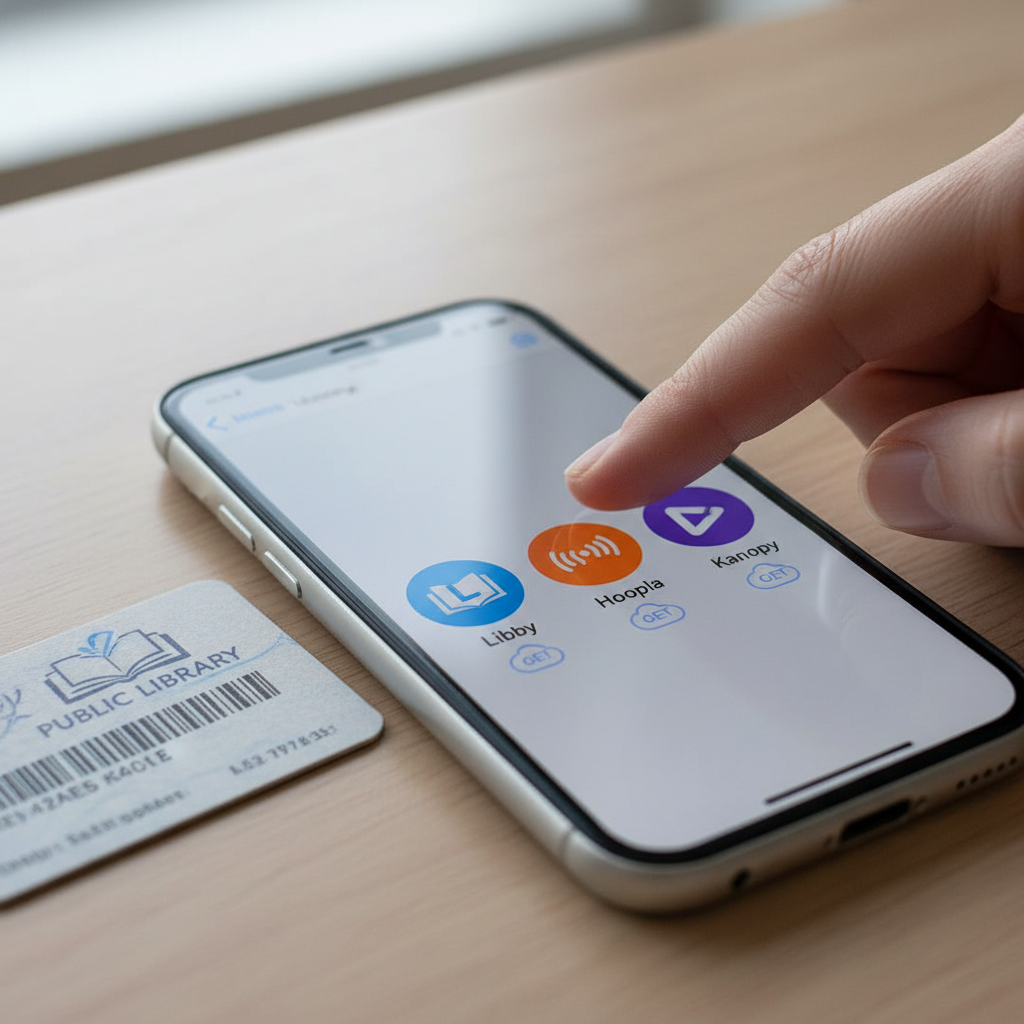
Knowing these resources exist is one thing; accessing them is another. Don’t get overwhelmed. Here’s your simple, no-nonsense action plan to unlock everything your library has to offer.
- Get the Card (The Key to the Kingdom): If you don’t have a library card, this is your first and most important step. Go to your local library’s website and sign up online or in person. It’s free and usually only takes a few minutes.
- Start Online, Not in the Stacks: Your library’s physical building is great, but its website is the real command center. This is where you’ll find the portals to all the digital services, reservation systems for museum passes, and catalogs for the Library of Things.
- Know the Magic Keywords: Once on the website, look for menu items or use the search bar with these terms: ‘Digital Resources,’ ‘Databases,’ ‘Museum Passes,’ ‘Library of Things,’ ‘Makerspace,’ or ‘Borrow.’ This will cut through the clutter and take you straight to the good stuff.
- Download the Holy Trinity of Apps: Get your phone ready. Search your app store for Libby, Hoopla, and Kanopy. Once downloaded, you’ll simply select your library and enter your card number to gain instant access.
- Talk to the Ultimate Hacker—A Librarian: Librarians are the most underutilized resource of all. They know every single program and secret their library offers. Don’t be shy. Go to the reference desk and use this simple script:
“Hi, I’m trying to make the most of my library card and save some money. I heard some libraries offer things beyond books, like museum passes or access to online courses like LinkedIn Learning. Could you point me to where I can find information on all the ‘non-book’ resources you offer?”
This simple question signals that you’re in the know and will often lead to them enthusiastically showing you a treasure trove of services you’d never find on your own.
Conclusion
Your library card is more than a pass to borrow books—it’s a declaration of financial savvy. It’s a tool that grants you access to entertainment, education, technology, and business resources that would otherwise cost you well over $1,000 a year. This isn’t about being cheap; it’s about being street-smart. It’s about recognizing the value of community resources and leveraging them to improve your life, your skills, and your bottom line.
So here’s your challenge: Don’t just close this article and forget about it. Open a new tab right now, go to your local library’s website, and find just one of the resources we mentioned. Reserve a museum pass. Browse the tool lending catalog. Log in to Kanopy. Take that first step to unlocking the incredible, money-saving power you already hold in your wallet. The loophole is there. It’s time to use it.