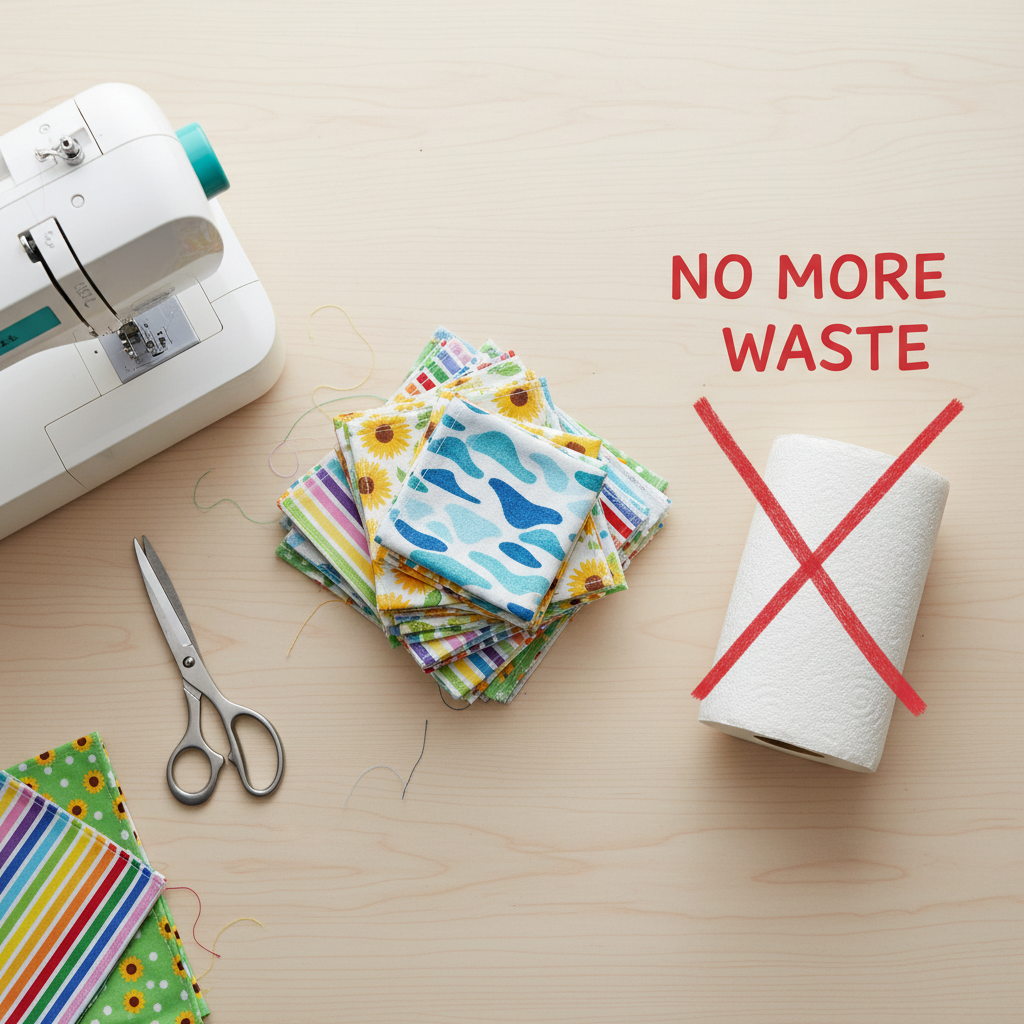
Stop Buying Paper Towels: Make These “Unpaper” Towels In 10 Minutes
Let’s talk real. You work hard for your money. So why are you literally throwing it in the trash can every single day? That roll of paper towels sitting on your counter is a silent budget killer, a recurring subscription you never consciously signed up for. Every spill, every wipe, every sheet is another nickel and dime vanishing from your wallet. It adds up, and it adds up fast. Most people just accept it as a necessary cost, but that’s a sucker’s game.
We’re here to flip the script. What if I told you that for less than the cost of a jumbo pack of paper towels, and in just 10 minutes, you could create a permanent solution? A solution that not only saves you hundreds of dollars a year but also makes you a savvy, resourceful boss of your own home. Forget flimsy, one-and-done paper. We’re talking about durable, washable, and frankly, better-looking “unpaper” towels. You don’t need to be a DIY guru or a sewing master. All you need is a little bit of hustle and the desire to stop wasting your hard-earned cash. Let’s get to it.
The Real Cost of Your Paper Towel Habit: A Brutal Breakdown
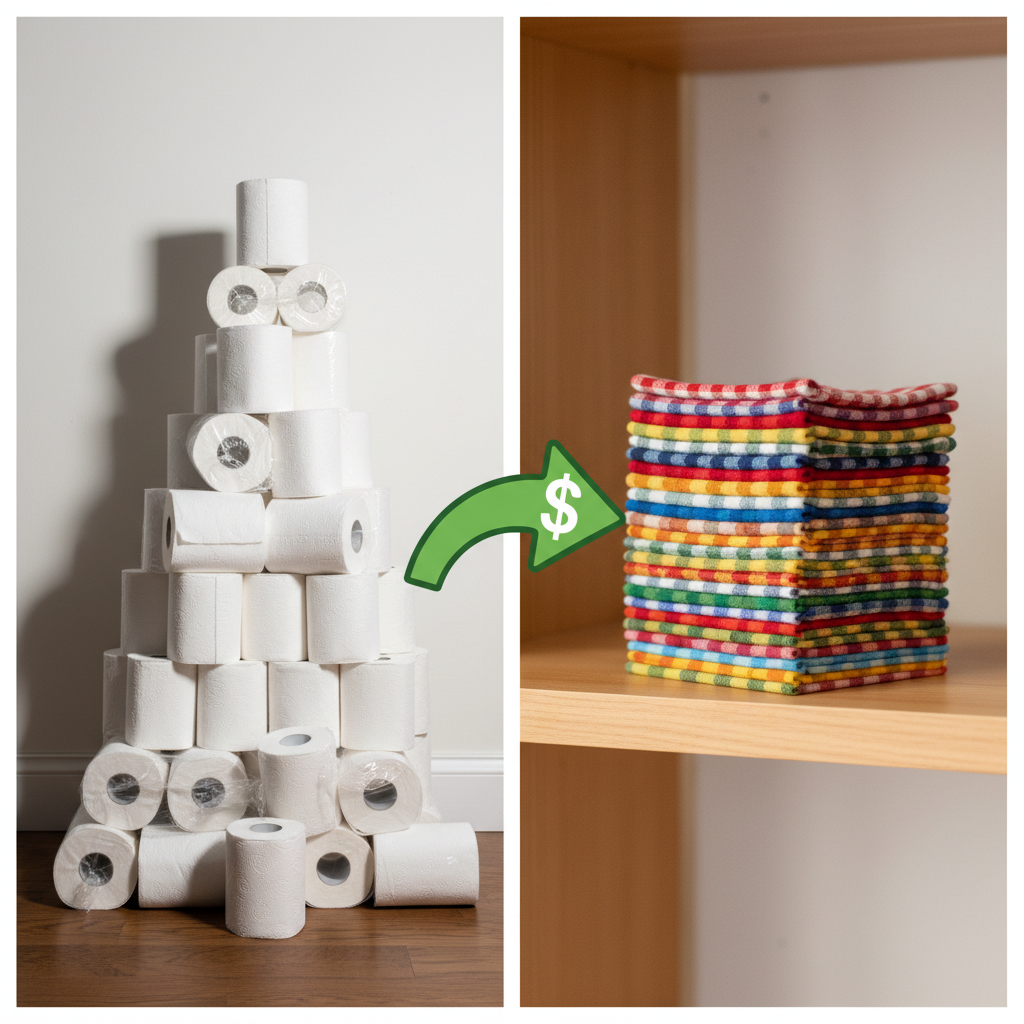
Before we build, let’s break down the enemy. That innocent-looking roll of paper towels is a master of disguise. It seems cheap, but it’s a classic volume scam. You buy it over, and over, and over. The average American family can easily burn through two rolls a week. Let’s do the math: two rolls at, say, $2.50 each is $5 a week. That’s $20 a month. That’s $240 a year. Two. Hundred. And. Forty. Dollars. On something you use once and throw away. Imagine what you could do with an extra $240. That’s a utility bill paid, a serious chunk of debt knocked down, or a nice reward for all your hard work.
And that’s just the cash cost. Think about the resources—the trees, the water, the plastic packaging. You’re paying to create trash. It’s time for a smarter system. The one-time investment in DIY “unpaper” towels demolishes the long-term cost of disposables. Look at this head-to-head and see for yourself where the smart money goes.
| Item | Store-Bought Paper Towels (Annual Cost) | DIY “Unpaper” Towels (One-Time Cost) |
|---|---|---|
| Absorbent Material | $240.00 (based on 104 rolls/year) | $15.00 (2 yards of flannel) |
| Fasteners (Optional) | N/A | $10.00 (Plastic snap kit) |
| Thread | N/A | $2.00 (or use what you have) |
| Total First Year Cost | $240.00 | $27.00 |
| Savings in Year 1 | A whopping $213.00! | |
The numbers don’t lie. You break even in about a month, and after that, it’s pure savings, year after year. This isn’t just about being cheap; it’s about being financially strategic.
Your 10-Minute Hustle: The Ultimate “Unpaper” Towel Tutorial
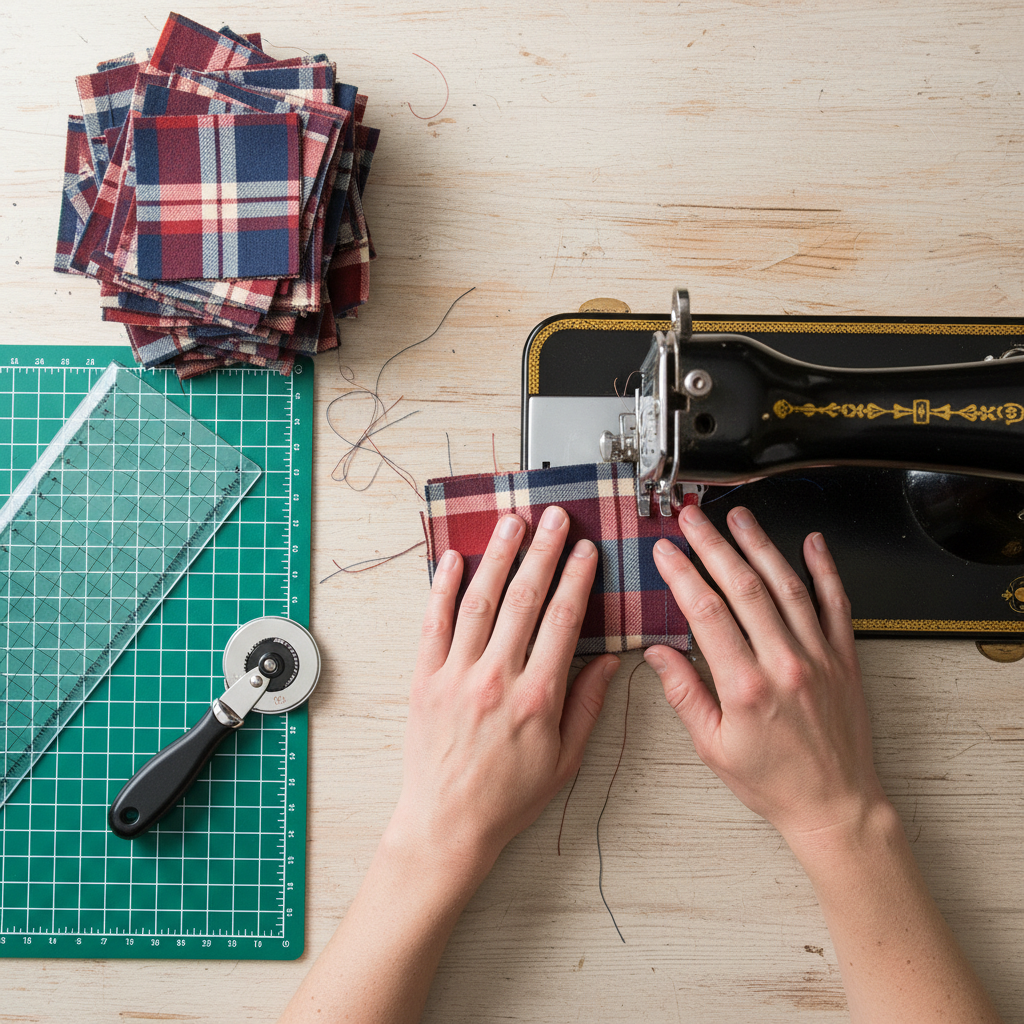
Alright, it’s go-time. Forget complicated patterns and hours of work. This is about speed, efficiency, and results. We’re going to knock this out in less time than it takes to watch an episode of your favorite show.
What You’ll Need: The Arsenal
- Fabric: The star of the show. About 1-2 yards of 100% cotton flannel is perfect. It’s absorbent and gets even softer with washing. Pro tip: Hit up the remnant bin at the fabric store for huge discounts. Old cotton t-shirts, worn-out receiving blankets, or old towels also work great. Get resourceful!
- Cutting Tool: A rotary cutter and mat are fastest, but a good pair of fabric scissors works just fine.
- Measuring Tool: A ruler or measuring tape.
- For the Sew Method: A sewing machine and matching thread.
- For the No-Sew Hustle: Pinking shears (the scissors with the zigzag edge) to prevent fraying. That’s it. No glue, no nonsense.
- Optional Upgrade: A plastic snap set (kam snaps) if you want your towels to roll up neatly.
The Step-by-Step Game Plan
- Prep Your Fabric: First thing’s first, pre-wash and dry your fabric. This prevents it from shrinking into a weird shape after you’ve done all the work. Don’t skip this.
- Measure & Cut: Lay your fabric out flat. The standard paper towel is about 11×10 inches. We’ll aim for a finished size of around 10×10 inches. To make it easy, cut your fabric into 10.5 x 10.5-inch squares. This gives you a little room for the seams. If you’re going the no-sew route with pinking shears, just cut them to your desired size, like 11×11 inches.
- The Showdown: Sew vs. No-Sew
The Quick & Dirty Sew Method (2-Ply Power)
For a tougher, more absorbent towel, go with two layers. Place two of your fabric squares together, right sides facing in. Pin the edges. Sew around all four sides with a 1/4 inch seam allowance, but—and this is key—leave a 2-3 inch gap on one side for turning. Trim the corners to reduce bulk. Now, reach through the gap and turn the whole thing right-side-out. Poke out the corners so they’re sharp. Fold the raw edges of the gap inward and press the whole square flat with an iron. Finish it by topstitching all the way around the edge of the square. This closes the gap and gives it a clean, professional look. Boom. Done. Repeat for the rest of your stack.
The No-Sew Hustle (1-Ply Simplicity)
This is the fastest route to savings. Take your single fabric squares and simply trim all four edges with your pinking shears. The zigzag pattern will stop the flannel from fraying excessively in the wash. You’re done. Seriously. It’s not as fancy as the sewn version, but it’s 100% functional and takes seconds per towel.
- Optional Upgrade: The Snap Roll
If you want the satisfaction of pulling a towel off a roll, add snaps. On each towel, add a snap to the top left and top right corners. Then, flip it over and add the corresponding snaps to the bottom left and bottom right corners. This allows you to snap them all together in a long chain and roll them onto your existing paper towel holder. It’s a small step that makes the transition seamless.
The System: How to Use & Wash Your New Money-Savers
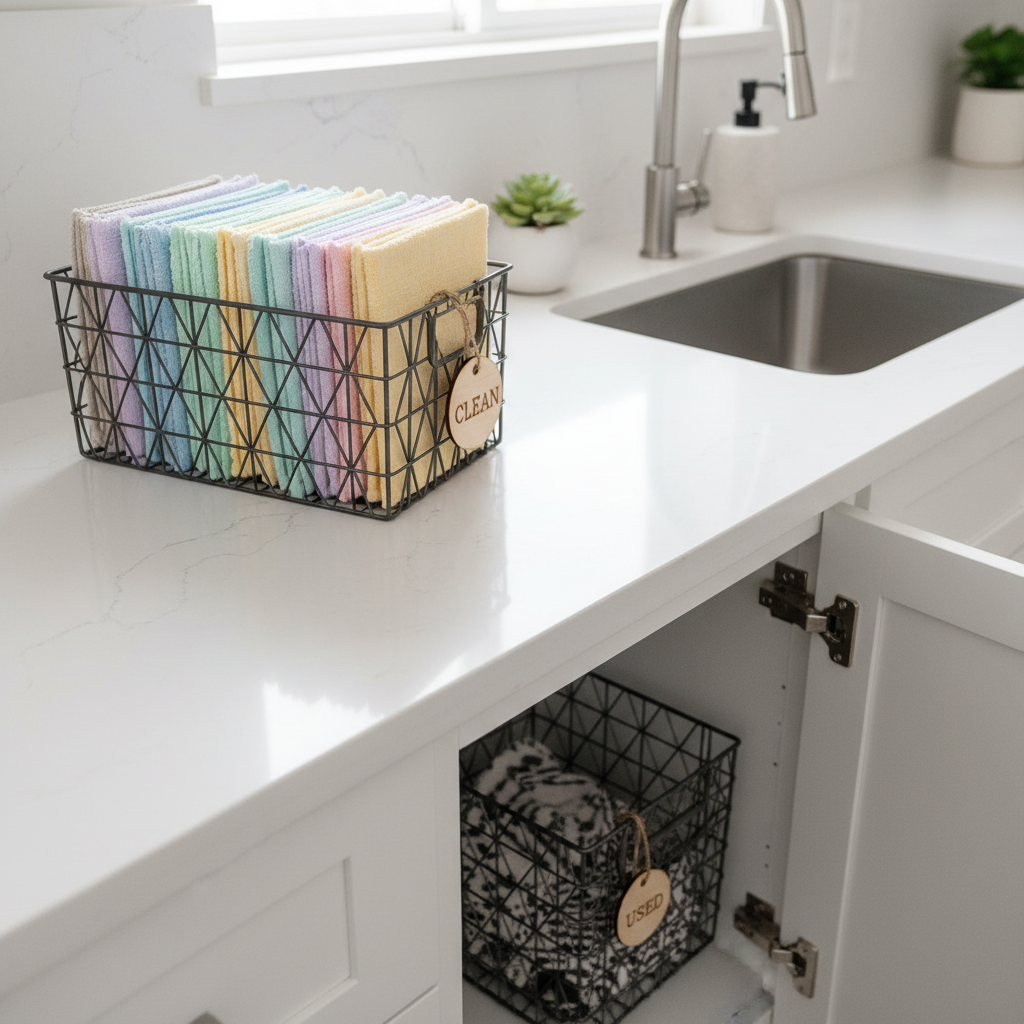
You’ve made them. Now let’s integrate them into your life so they’re a tool, not a chore. The key is having a simple, no-brainer system.
The Two-Bin Method
This is the secret sauce. Get two small containers. A basket, a bin, a bucket—whatever works. One is for clean towels, the other is for dirty ones.
- The Clean Bin: Keep this right where you used to keep your paper towels. Stack your fresh, clean unpaper towels here, ready for action. In a basket on the counter, in a drawer, or rolled up on your holder. Make them easy to grab.
- The Dirty Bin: Place this under the sink or in your laundry area. Once a towel is used, it goes directly into this bin. No thinking, no second-guessing. This prevents them from piling up on the counter or getting mixed in with other things.
Washing & Care: Keep It Simple
Don’t overcomplicate this. You’re already doing laundry, so just fold this into your existing routine.
- How Often: Depending on how many you made and how quickly you use them, you’ll probably wash a load once or twice a week. Just toss the contents of the dirty bin in when you’re doing a load of towels or other household linens.
- What Temperature: For general use, a warm wash is fine. For greasy or really grimy messes, use hot water.
- Detergent & Add-ins: Use your regular laundry detergent. For extra cleaning power or to combat any smells, you can add a half-cup of white vinegar or a scoop of OxiClean to the wash. Avoid fabric softener, as it can reduce the fabric’s absorbency over time.
- Drying: Tumble dry on low or medium heat. They’ll come out soft, absorbent, and ready for another round.
Key Rule: The “Gross-Out” Clause. Have a separate, darker-colored set of unpaper towels for truly disgusting jobs (think pet messes or floor spills). This way, you keep your everyday kitchen set for hands, counters, and dishes. This simple mental separation makes a huge difference.
Conclusion
Look at what you just did. You took a recurring expense that bleeds hundreds from your budget every year and you eliminated it. In 10 minutes. With a one-time cost that’s less than a few pizzas. This isn’t just about saving a few bucks on paper towels. It’s a mindset shift. It’s about looking at your daily life and identifying the money leaks—the places where your cash is escaping without providing real value—and plugging them with smart, simple solutions.
Every time you reach for one of your handmade towels, it’s a reminder that you are in control of your finances. You’re resourceful, you’re strategic, and you’re no longer playing by the rules set by corporations that want you to keep buying their disposable products forever. You just turned a household chore into a financial win. Now, with that extra $240 (or more) you’ll save this year, what’s the next budget goal you’re going to crush?