Stop Buying Groceries: The Reverse Meal Plan That Saves $$
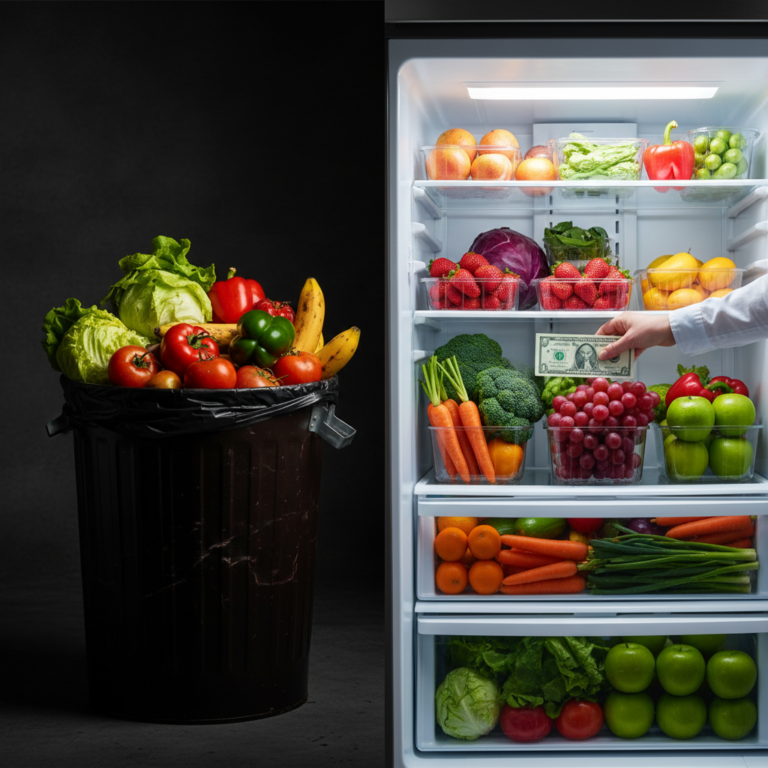
Let’s get real. You walk into the grocery store with a list, a plan, and good intentions. You walk out $250 lighter with a cart full of stuff you *think* you need, half of which will transform into a science experiment in the back of your fridge by next week. It’s a rigged game, and you’re losing every time you play.
Traditional meal planning is broken. It’s a top-down system designed by food bloggers, not budget warriors. It tells you to dream up a fancy recipe, then hunt down a dozen expensive, full-price ingredients. That’s not a strategy; it’s a direct deposit from your bank account to the supermarket’s. It’s time to flip the script. Welcome to the Reverse Meal Plan, the only system that starts with what you *already own* and what the store is practically *giving away*. This isn’t about clipping coupons; it’s about fundamentally changing the way you think about food and money.
What is the Reverse Meal Plan and Why Your Current Method is Broken

The Old, Busted Way: Traditional Meal Planning
Think about how you usually plan meals. You find a recipe online, make a list of 20 ingredients, and march into the store to buy every single one. The store loves this. You’re buying on their terms, at their prices. You pay full price for that one teaspoon of smoked paprika you’ll never use again. You buy a whole bunch of parsley when you only need a sprig. The result? A bloated bill and a crisper drawer full of guilt and wilted greens. This method is a budget killer, plain and simple.
The New Hustle: The Reverse Meal Plan
The Reverse Meal Plan flips the entire process on its head. It’s a ground-up strategy that puts you in control. Instead of starting with a recipe, you start with an intelligence mission. Your kitchen is ground zero.
The core principle is brutally simple:
Rule #1: Your shopping list is the absolute LAST thing you create, not the first.
You first shop your own pantry, fridge, and freezer. Then, you scout the weekly sales flyers for rock-bottom deals. Only after you’ve combined what you have with what’s cheap do you build your meals. Your grocery list becomes a short, surgical strike for a few missing items to tie it all together. You’re not a consumer; you’re a resource manager. You’re not just shopping; you’re executing a financial strategy that saves you hundreds every month.
The Reverse Meal Plan in Action: Your 5-Step Weekly Playbook

This isn’t theory; it’s a battle plan. Follow these five steps every week, and you’ll fundamentally change your cash flow. No excuses, just execution.
-
Step 1: The Inventory Audit
Before you even *think* about a grocery store, you need to know your arsenal. Every Sunday, conduct a full sweep of your fridge, freezer, and pantry. What needs to be used up NOW? What proteins do you have? What sad, forgotten vegetables are hiding in the crisper? Get a magnetic whiteboard for your fridge or use a notes app and list everything out. This is your ‘Available Assets’ list. No item is too small to list.
-
Step 2: The Sales Flyer Recon
Now, you go on the offensive. Grab the weekly flyers from your local stores or, even better, use an app like Flipp to see all the deals in one place. You are hunting for loss leaders—the crazy deals designed to get you in the door. Is chicken breast $1.99/lb? Is broccoli $0.99? These are your targets. Add the best deals to a ‘Strategic Acquisitions’ list.
-
Step 3: The ‘Meal Matrix’ Brainstorm
This is where the magic happens. Look at your ‘Available Assets’ and your ‘Strategic Acquisitions’. Now, start connecting the dots. Don’t think in rigid recipes. Think in components. You have leftover rice (asset) and chicken is on sale (acquisition). Boom, that’s a base for stir-fry, chicken and rice bowls, or soup. You have half a bag of frozen peas and some pasta in the pantry. You just need to grab some sale-priced sausage. You’re not a chef; you’re a strategist, combining assets to create winning outcomes (aka dinner).
-
Step 4: The Sniper Shopping List
After you’ve mapped out 5-7 days of meals from your Meal Matrix, you can finally write a shopping list. This list should be ruthlessly short. It’s only for the ‘filler’ ingredients you need to complete your missions. If you need one onion, you write ‘one onion’. If you need milk, you write ‘milk’. This list is your shield against the psychological warfare of the supermarket—the end-cap displays, the impulse buys, the BOGO deals on junk you don’t need. Stick to the list. No exceptions.
-
Step 5: Prep and Execute
When you get home, don’t just dump everything in the fridge. Take 30 minutes to prep. Wash and chop the veggies that are on sale. Cook the sale-priced ground beef so it’s ready for tacos or pasta sauce. This front-loads the work and makes you infinitely more likely to use what you bought, eliminating the chance of waste. Your future self will thank you.
The Real Math: How This Hack Annihilates Your Grocery Bill
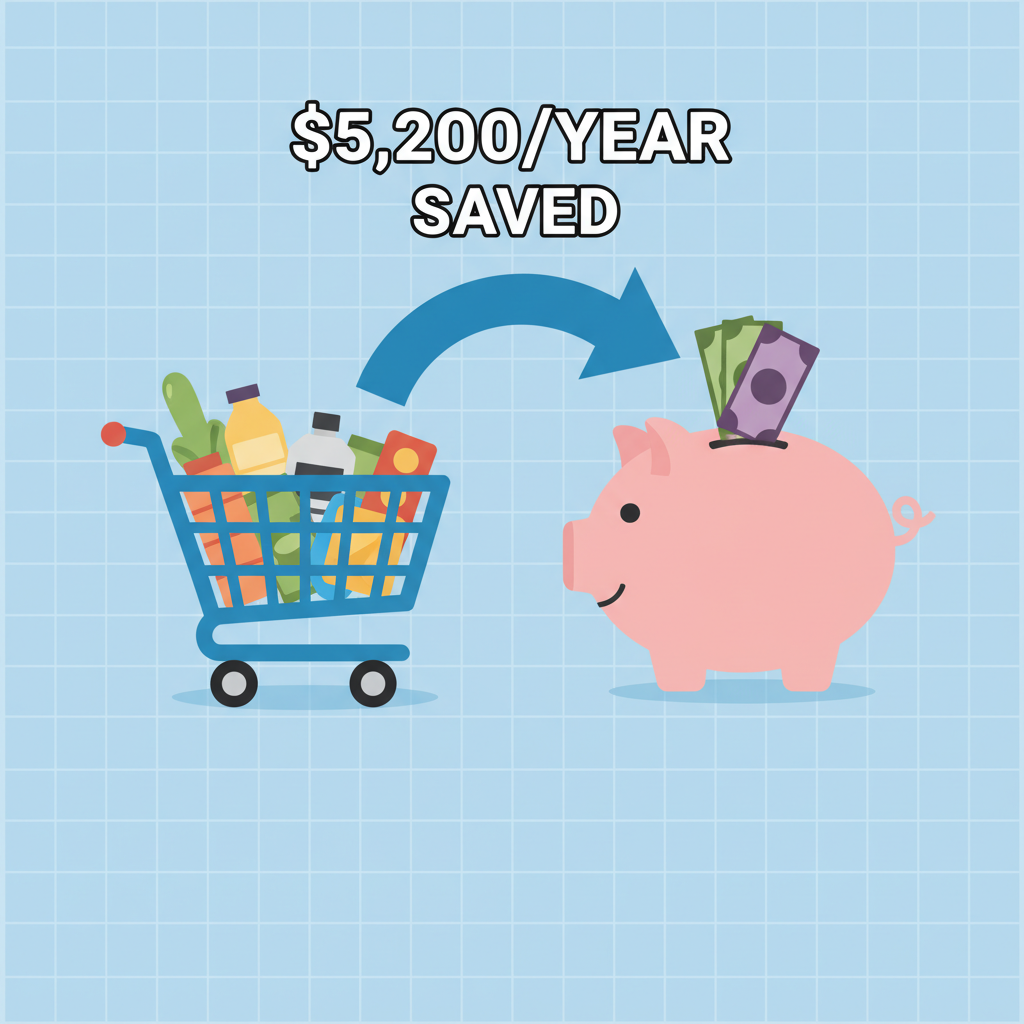
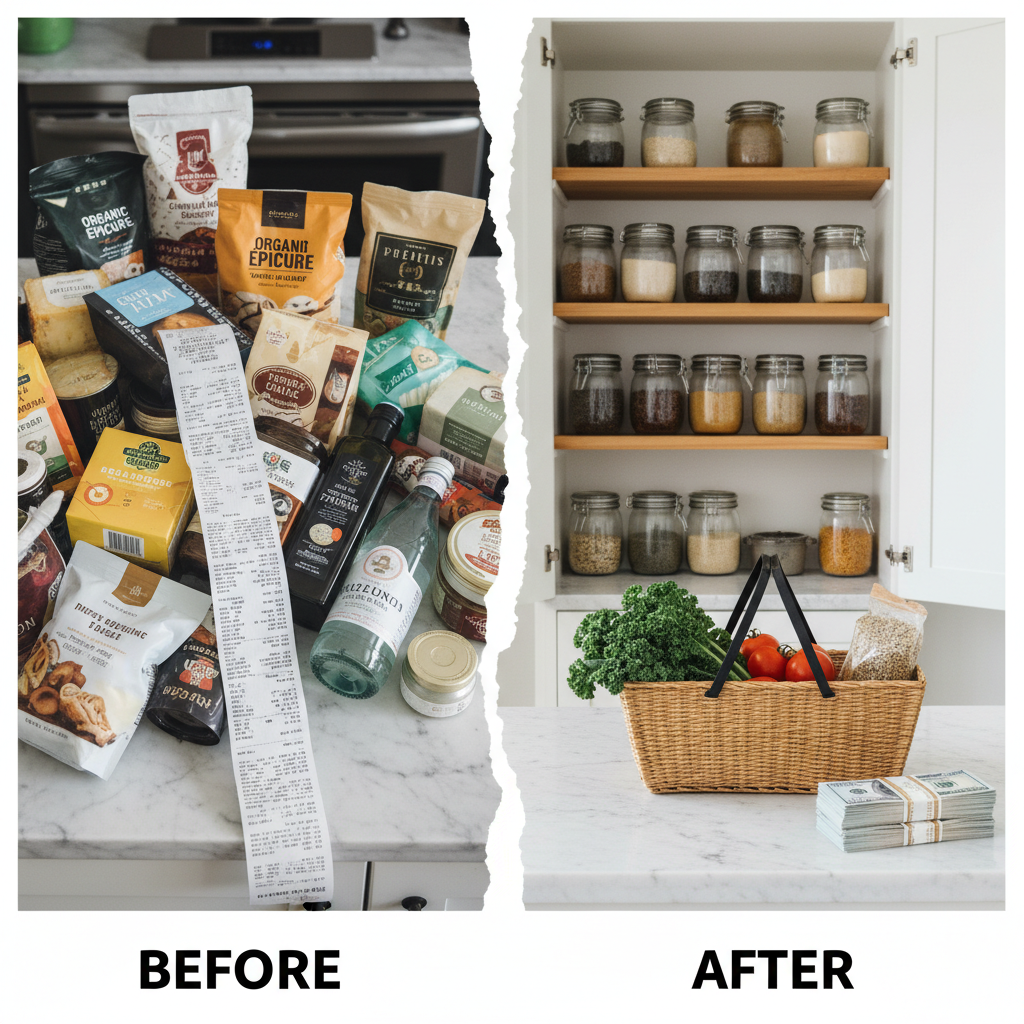
Talk is cheap. Let’s run the numbers. The average American family of four can easily spend $1,000 – $1,300 a month on groceries. That’s insane. Using the Reverse Meal Plan, you’re not just trimming the fat; you’re performing budget surgery.
Let’s say your typical weekly grocery haul is $250. You buy what you feel like, grab some snacks, and toss out about 15% of it as waste. That’s $37.50 straight into the trash every week. With the Reverse Meal Plan, your entire approach changes. Your bill drops because you’re buying almost exclusively from your own ‘free’ inventory and deeply discounted sale items. Your food waste plummets to near zero.
A realistic weekly budget on this plan could be $150, a 40% savings. What does that look like over time?
- Weekly Savings: $100
- Monthly Savings: $433
- Yearly Savings: $5,200
That’s a high-end vacation. That’s a huge chunk of debt paid off. That’s a fully-funded emergency fund. All from changing *how* you shop, not *what* you eat. Look at the breakdown—this is where the money vanishes.
| Expense Category | Traditional Plan (Weekly Avg.) | Reverse Plan (Weekly Avg.) | Weekly Savings |
|---|---|---|---|
| Full-Price Impulse Buys | $40.00 | $0.00 | $40.00 |
| Full-Price Protein & Produce | $120.00 | $65.00 | $55.00 |
| Wasted/Spoiled Food Cost | $37.50 | $5.00 | $32.50 |
| Miscellaneous & Snacks | $52.50 | $80.00 (Combined with Protein/Produce) | (Reallocated) |
| TOTAL SPEND | $250.00 | $150.00 | $100.00 |
Pro-Level Hacks to Maximize Your Savings
Once you’ve mastered the basics, it’s time to level up. These are the advanced tactics that separate the amateurs from the pros.
-
The ‘Eat Me First’ Box
Designate one clear container or a specific shelf in your fridge as the ‘Eat Me First’ zone. Anything that’s nearing its expiration date goes in here. Before you open anything new, you are required to check this box. This simple visual cue single-handedly murders food waste.
-
Master the Freezer
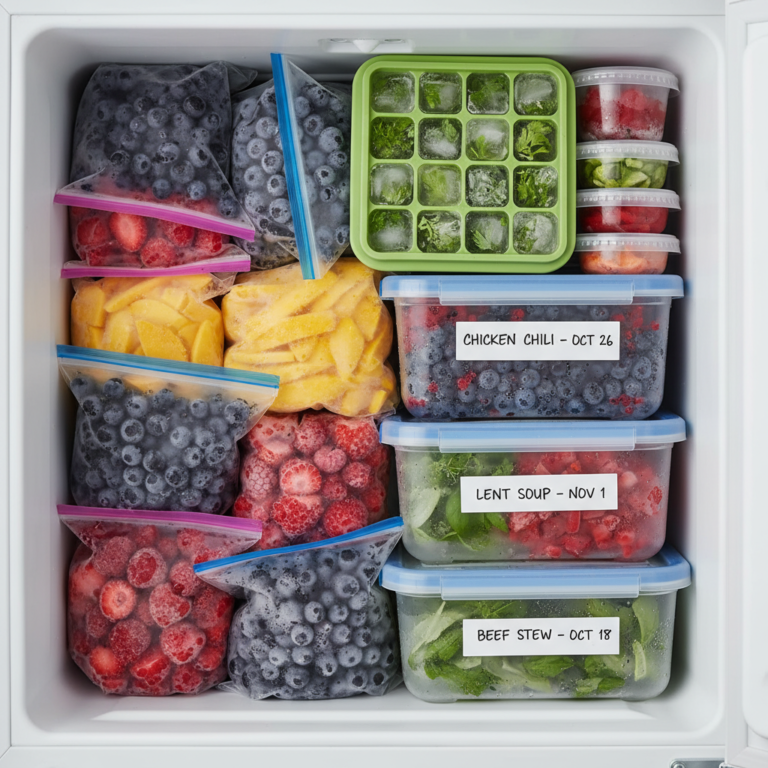
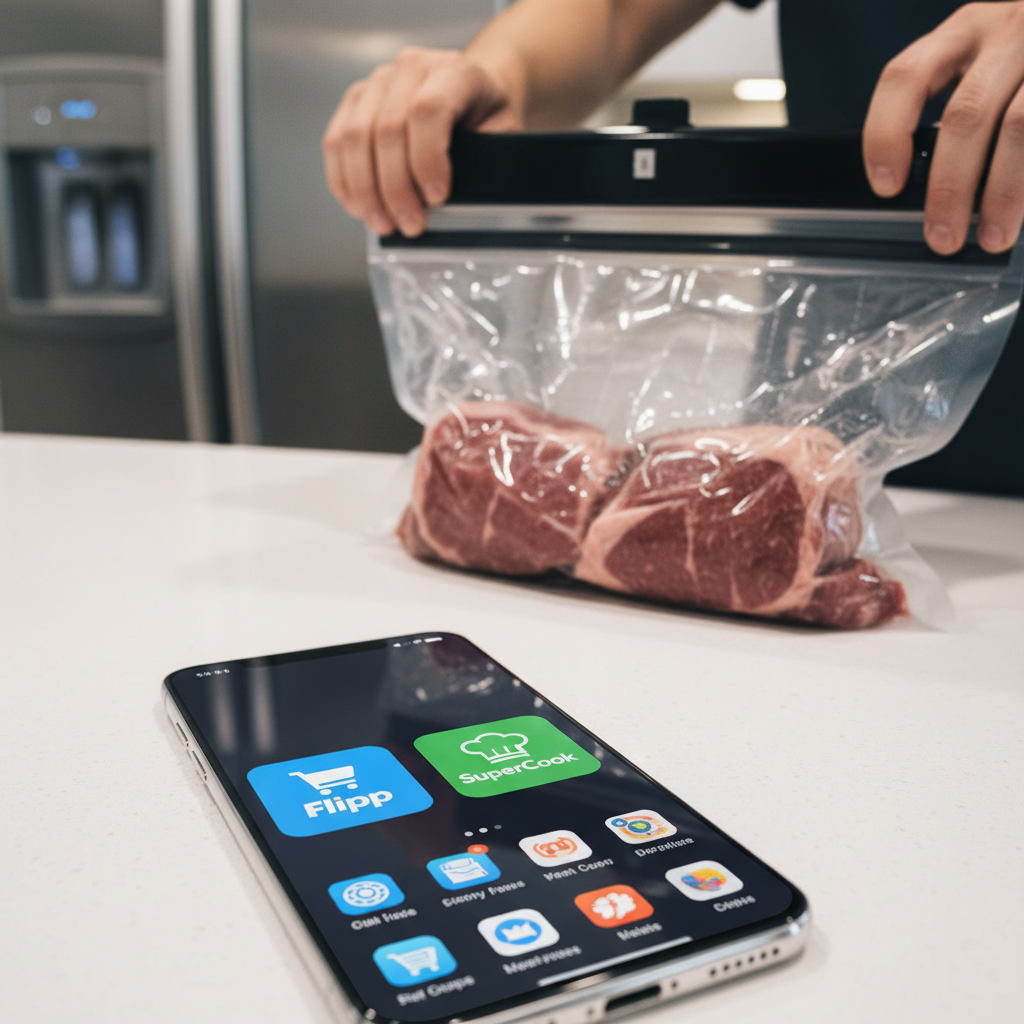
Your freezer is not a food graveyard; it’s a time capsule for money. When chicken is on sale, buy 10 pounds, not two. Portion it out and freeze it. Same with ground beef. Chop and freeze onions. Make a big pot of chili and freeze it in single-serving containers for quick lunches. Every frozen meal is a victory against takeout.
-
Embrace ‘Component Cooking’
Stop thinking about cooking one recipe at a time. On Sunday, cook components. Bake a tray of chicken breasts. Make a big pot of quinoa. Roast a sheet pan of whatever vegetables were on sale. Now you have a grab-and-go buffet in your fridge to build bowls, salads, and wraps all week long. It’s faster, more flexible, and cheaper.
-
Build Your Digital Arsenal
Get the right tools for the job. Use Flipp to browse flyers. Use a shared notes app with your partner for the shopping list to avoid duplicate purchases. Use a recipe app like SuperCook where you can plug in the ingredients you *have* and it will spit out recipes for you. Stop working harder; start working smarter.
-
The Quarterly Pantry Challenge
Once every three months, declare a ‘Pantry Challenge Week’. The rule is simple: You are not allowed to go to the grocery store. You must create every single meal from what is already in your house. It forces you to get creative, use up forgotten items, and resets your appreciation for the resources you have on hand.
Common Pitfalls and How to Sidestep Them Like a Boss

Switching to this system can feel weird at first. Your brain is hardwired for the old, expensive way. Here’s how to troubleshoot the common roadblocks.
‘I’m Not Creative Enough to Make Meals From Random Ingredients!’
Forget creativity. Use a formula. Every meal needs a Protein + Vegetable + Carb/Fat. That’s it. You have chicken (protein), broccoli (vegetable), and rice (carb). Done. You have eggs (protein), spinach (vegetable), and cheese (fat). Done. Stop trying to be a gourmet chef and start thinking like a fuel technician. Your goal is to create nutritious, low-cost meals, not win a Michelin star.
‘I Get Bored Eating the Same Things!’
The solution is a ‘flavor arsenal’. A $20 investment in a variety of spices, sauces, and vinegars can turn the same base ingredients (chicken and rice) into a dozen different meals. One night it’s Italian with oregano and garlic. The next it’s Mexican with cumin and chili powder. The next it’s Asian with soy sauce and ginger. The core food is cheap; the flavor is what you control.
‘What About Picky Eaters or Kids?’
The Reverse Meal Plan is perfect for this. Serve meals ‘deconstructed’. Instead of a mixed stir-fry, serve bowls of chicken, rice, and different steamed veggies separately. Let kids build their own plates from the approved, on-sale components you’ve cooked. They get a sense of control, and you don’t have to cook a separate meal. It’s a power move that keeps everyone happy.
Conclusion
Let’s be clear: the Reverse Meal Plan is more than a budgeting trick. It’s a declaration of independence from the marketing gimmicks and endless consumer cycle of the grocery industry. It’s about taking back control, not just of your grocery bill, but of your resources, your time, and your financial destiny.
You work too hard to throw your money in the trash can, literally. This week, don’t write a shopping list first. Do the audit. Check the flyers. See what meals you can build from a position of power. The savings aren’t just possible; they’re waiting for you to claim them. Stop playing their game and start running your own.