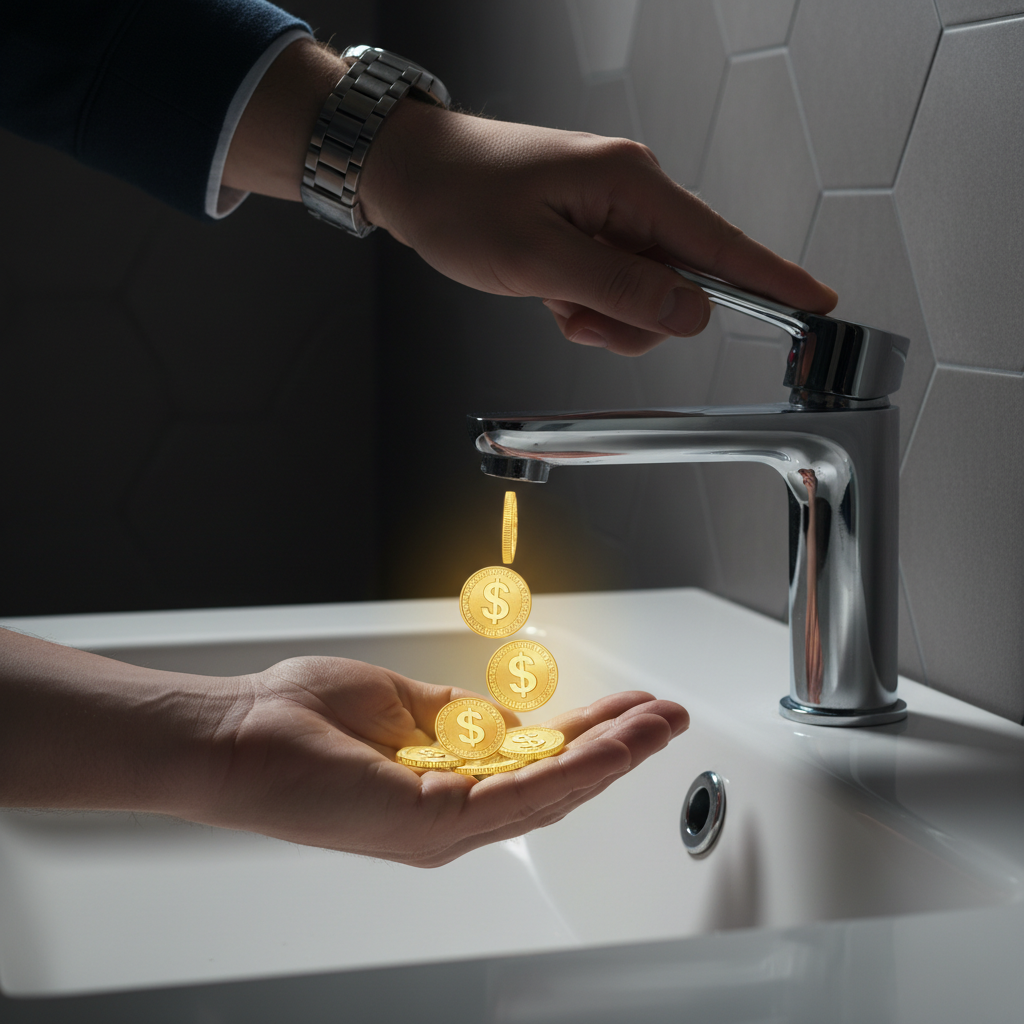
Slash Your Water Bill: 7 Rental-Friendly Hacks That Actually Work
Listen up. That water bill that shows up every month? It’s not a fixed price. It’s a high score you’re trying to get lower, and right now, you’re probably losing the game. Especially as a renter, it feels like your hands are tied. You can’t rip out the toilet or install a fancy new water system. You’re stuck. Or are you?
That’s where they get you. The feeling of helplessness is a budget killer. But I’m here to tell you that you have more power than you think. You don’t need a sledgehammer or a landlord’s permission for a full renovation to make a serious dent in your water bill. You just need to be smarter. You need some street-smart, battle-tested hacks that work with your lease, not against it.
Forget flimsy tips like “take shorter showers.” We’re going deeper. We’re talking about simple, reversible, and powerful moves that can save you hundreds of dollars a year. This is your playbook for turning a leaky budget into a financial fortress. Let’s get to work and slash that bill.
Hack #1: Become a Leak Detective (It’s Easier Than You Think)
The Problem You Don’t See
Before you change a single habit, you need to play defense. The number one budget-killer is a silent leak. It’s the financial equivalent of a vampire, slowly draining your bank account 24/7. A single leaky toilet flapper can waste over 200 gallons a day. That’s not a typo. You could be paying for a swimming pool’s worth of water every month that you never even use. It’s time to go on the hunt.
Step 1: The Meter Check
First, make sure no water is running in your apartment. No dishwasher, no laundry, no faucets. Find your water meter (it might be in a basement, utility closet, or outside). Take a picture of the dial, which often has a small triangle or star that spins when water is flowing. Now, don’t use any water for 30-60 minutes. Go back and check the meter. If that little indicator moved at all, you have a leak somewhere in your system. It’s your smoking gun.
Step 2: The Toilet Dye Test
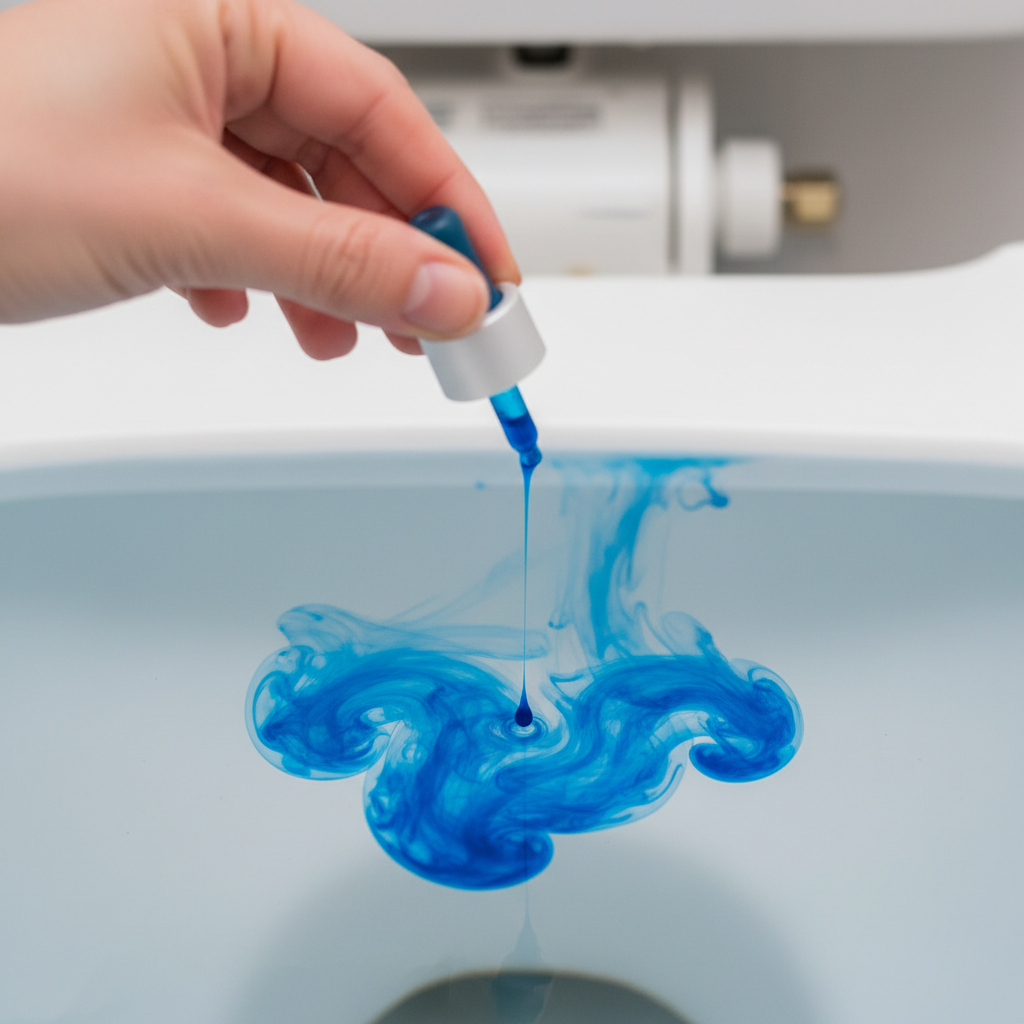
The most common culprit is the toilet. To check it, take the lid off the tank and drop in about 10-15 drops of dark food coloring. Don’t flush! Wait for about 20 minutes. Then, look in the toilet bowl. If you see any of that color seeping into the bowl, you’ve found your leak. The flapper isn’t sealing properly, and it’s costing you a fortune.
The Landlord Script
Finding a leak is great, but now you have to get it fixed. Remember, this saves your landlord money too, so you’re helping them out. Don’t be confrontational. Be a partner.
Hi [Landlord’s Name], I hope you’re well. I was doing a routine check to be more efficient with utilities and I think I’ve discovered a water leak. I did the dye test on the toilet in the main bathroom and it looks like the flapper is constantly running. It’s wasting a lot of water, and I wanted to let you know right away so we can get it fixed. Please let me know when would be a good time for maintenance to take a look. Thanks!
The Bottom Line: This isn’t just a suggestion; it’s your first and most critical mission. A leak can make every other effort useless. Finding and reporting it can save you $100 to $500+ a year, depending on the severity. It costs you nothing but a few minutes of your time.
Hack #2: The Low-Flow Shower Head Swap (And How to Do It Right)
The Biggest Water Hog in Your Bathroom
Your shower is probably the single biggest water user inside your home. Old, inefficient shower heads can gush out 4, 5, or even more gallons per minute (GPM). That’s like dumping a bucket of water over your head every 12 seconds. A modern, low-flow head can give you the same great pressure while using less than 2.0 GPM. This is a no-brainer upgrade, but as a renter, you have to be strategic.
The Rental-Friendly Method
You’re not permanently altering the property. You’re making a temporary, beneficial swap. Here’s the plan:
- Buy a WaterSense-certified shower head. These are certified to use 2.0 GPM or less. You can find great ones for $20-$30.
- Get some plumber’s tape. It costs a couple of bucks and ensures a leak-free seal.
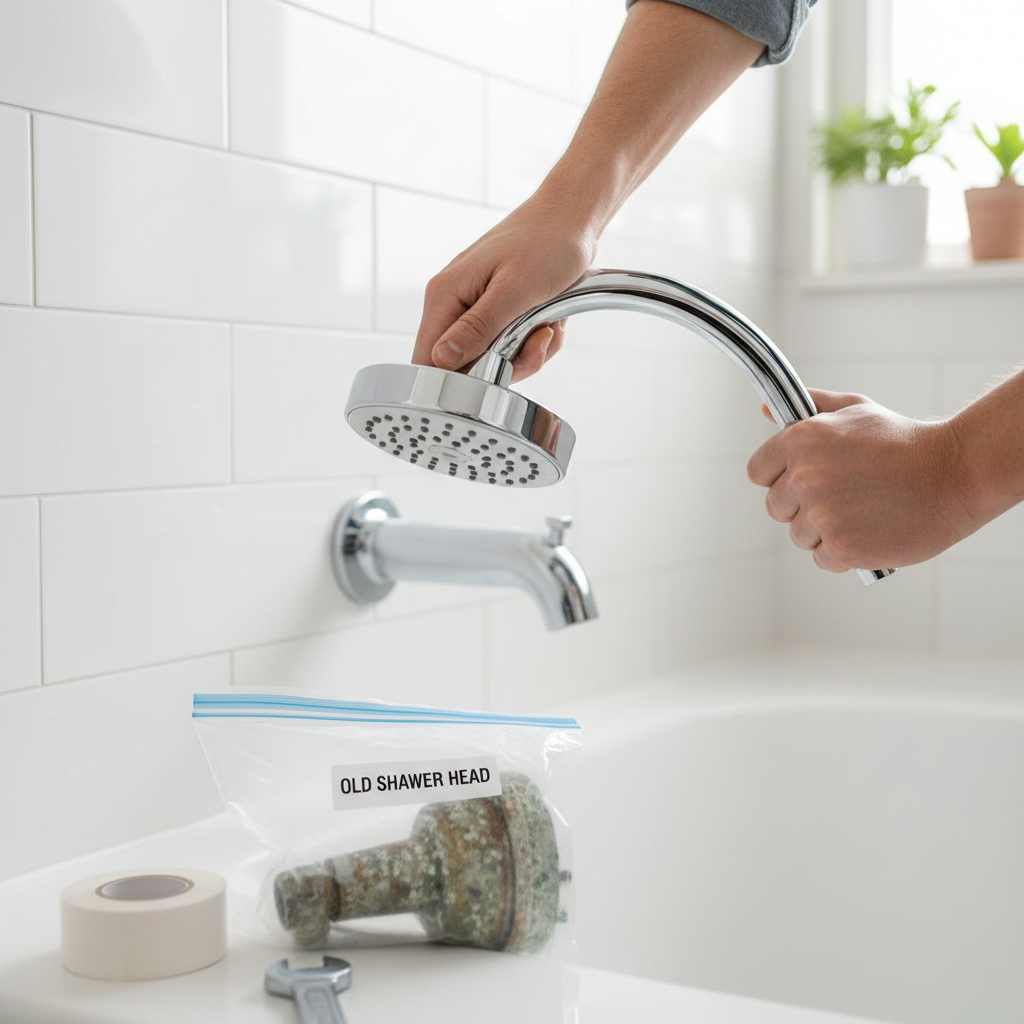
- Unscrew the old one. Use a wrench or pliers (with a cloth to prevent scratches) and turn the existing shower head counter-clockwise. It should come right off.
- Label and store the original. Put the landlord’s shower head in a labeled Ziploc bag and store it somewhere safe, like under the sink or in a closet. This is the most important step!
- Install the new one. Wrap the pipe threads with a fresh layer of plumber’s tape (clockwise) and screw on your new, efficient shower head. Hand-tighten, then give it a gentle quarter-turn with your wrench.
- Swap it back before you move out. This is non-negotiable. When your lease is up, you put their original fixture back on. No harm, no foul, no lost security deposit.
The Math: Why This Is a Must-Do
The savings are staggering. Let’s say you have a 10-minute shower every day. Look at the difference a simple swap makes over a year for one person.
| Shower Head Type | Gallons Per Minute (GPM) | Gallons Per Year (10-min shower/day) | Estimated Annual Cost |
|---|---|---|---|
| Old, Inefficient Head | 4.0 GPM | 14,600 gallons | ~$219 |
| WaterSense Low-Flow Head | 1.8 GPM | 6,570 gallons | ~$98 |
| Your Annual Savings | – | 8,030 gallons | ~$121 |
The Bottom Line: You spend $25 once on a new shower head and save over $120 in the first year alone. That’s a 480% return on your investment. If you have two people in your apartment, you can double those savings. It’s one of the most profitable things you can do for your budget.
Hack #3: Master the Art of Full Loads (Dishwasher & Laundry)
Stop Wasting Water on Half-Empty Machines
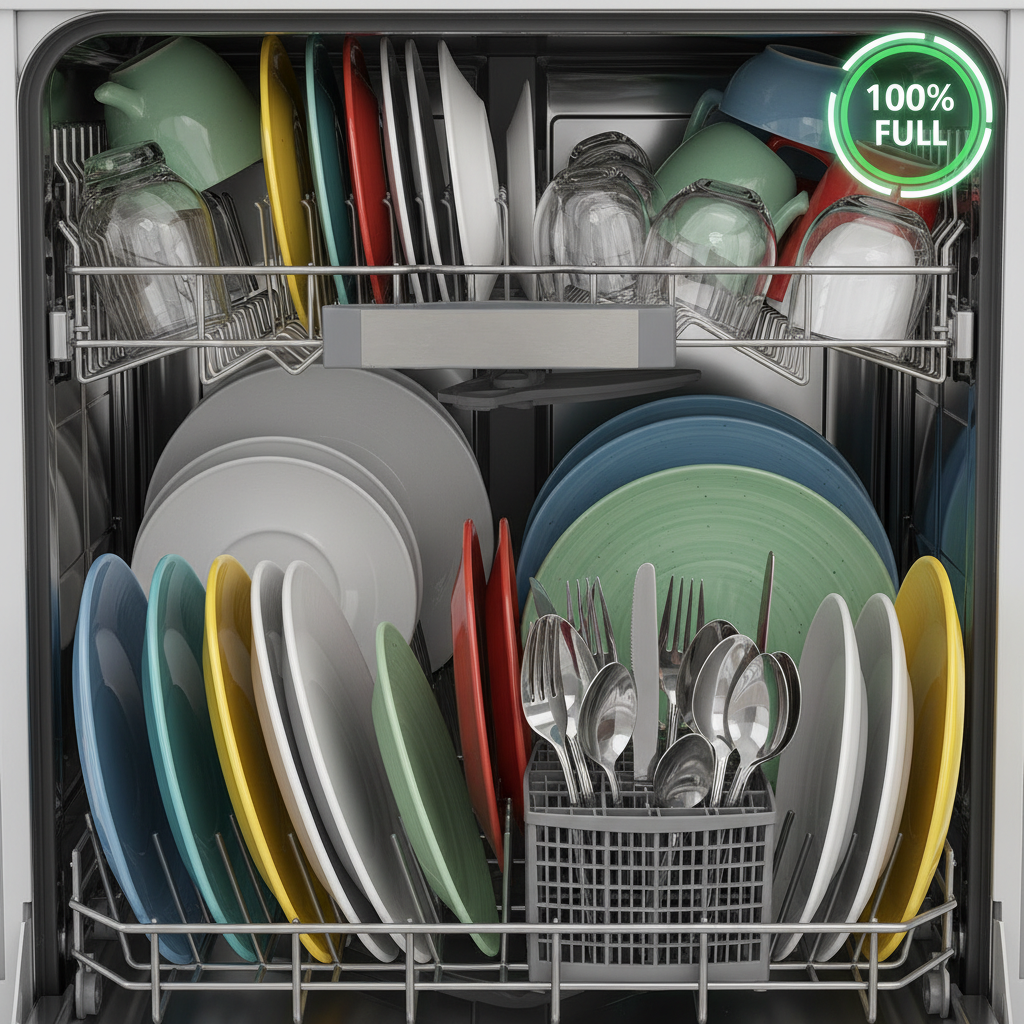
This hack is all about discipline. Your dishwasher and washing machine are designed to be efficient, but only when used as intended: completely full. Running a machine that’s half-empty uses almost the exact same amount of water and energy as a full load. It’s like paying for a full tank of gas but only filling it halfway. Every time you press ‘Start’ on a partial load, you’re just throwing money away.
The Dishwasher Myth
Many people think hand-washing a few dishes is more frugal. Wrong. Dead wrong. Modern dishwashers are incredibly efficient. According to the EPA, washing a full load of dishes by hand can use up to 27 gallons of water. An ENERGY STAR certified dishwasher uses as little as 3 gallons. You would have to be a water-bending wizard to be that efficient at the sink. The rule is simple: if it’s dishwasher safe, it goes in the dishwasher. Scrape, don’t rinse, and wait until it’s completely full before running it.
The Laundry Strategy
The same logic applies to your laundry. Unless you’re washing a single, specific item that you desperately need, wait until you have a full load. Most modern washing machines have load-sensing technology, but it’s still far more efficient to run one large load than two small ones. This not only saves water but also electricity and wear-and-tear on the machine.
The Math of Discipline
Let’s break it down. Suppose you avoid running two half-full dishwasher loads and one small laundry load each week.
- Dishwasher Savings: A typical cycle uses ~4 gallons. Avoiding two half-loads means you save one full cycle. That’s 4 gallons x 52 weeks = 208 gallons saved.
- Laundry Savings: A small load might use ~15 gallons. Avoiding one small load a week saves 15 gallons x 52 weeks = 780 gallons saved.
The Bottom Line: Total water saved is nearly 1,000 gallons per year. That translates to a cool $30-$60 back in your pocket, depending on your utility rates. It costs you nothing and just requires a small shift in your routine. It’s pure profit.
Hack #4: The Toilet Tank Bottle Trick (Old School, Still Works)
A Classic Frugal Hack for a Reason
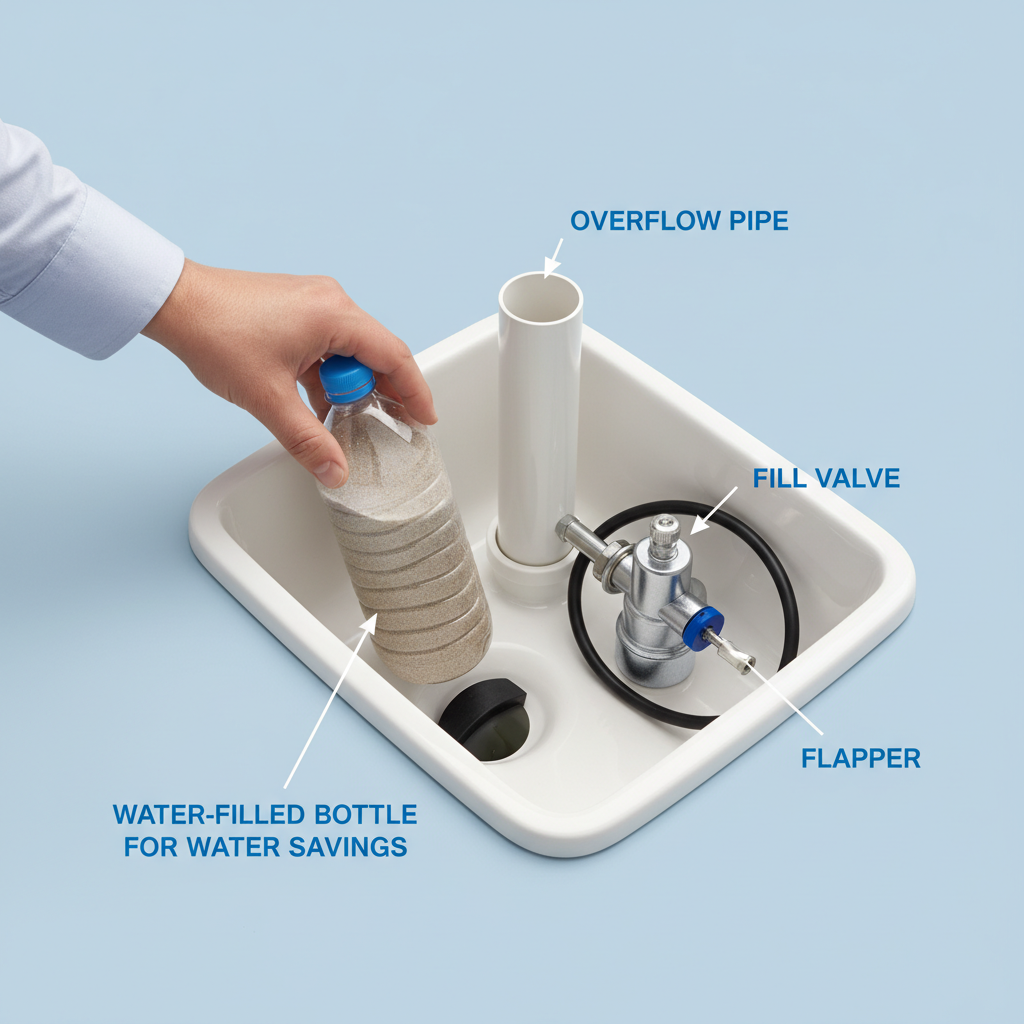
This is one of the oldest tricks in the frugal living handbook, and it’s still around because it’s simple, free, and it works. Older toilets, common in rental units, can be massive water wasters, using 3.5 gallons or more per flush. This hack reduces the amount of water your toilet tank holds, which means it uses less water with every single flush. It’s a brilliant, non-permanent modification.
How to Do It Safely
You can’t just throw any old thing in there. A brick, for example, can crumble over time and destroy the toilet’s plumbing mechanism. Here’s the safe and smart way to do it:
- Find the right bottle. A 1-liter or 20-ounce plastic soda or water bottle works perfectly. Make sure to remove the label.
- Fill it up. Fill the bottle with water and add some pebbles or sand to weigh it down so it doesn’t float around inside the tank.
- Screw the cap on tightly. This is critical. You don’t want the sand or pebbles getting out.
- Place it in the tank. Carefully lift the toilet tank lid and place the bottle inside, making sure it’s away from the flushing mechanism. You don’t want it to interfere with the float or the flapper chain.
That’s it. You’ve just reduced the water used per flush by the volume of that bottle, with zero risk of damage.
The Math of a Lighter Flush
Let’s say you use a 1-liter bottle, which displaces 0.26 gallons of water. The average person flushes about five times a day.
- Daily Savings (per person): 5 flushes x 0.26 gallons = 1.3 gallons saved per day.
- Annual Savings (per person): 1.3 gallons x 365 days = 474.5 gallons saved per year.
- For a two-person household: That’s nearly 950 gallons saved.
The Bottom Line: This free, five-minute hack can easily save you $25-$50 a year. It’s the definition of a simple win. It works silently in the background, saving you money with every flush without you even thinking about it.
Hack #5: Install Faucet Aerators: The Cheapest, Fastest Upgrade
The Unsung Hero of Water Savings
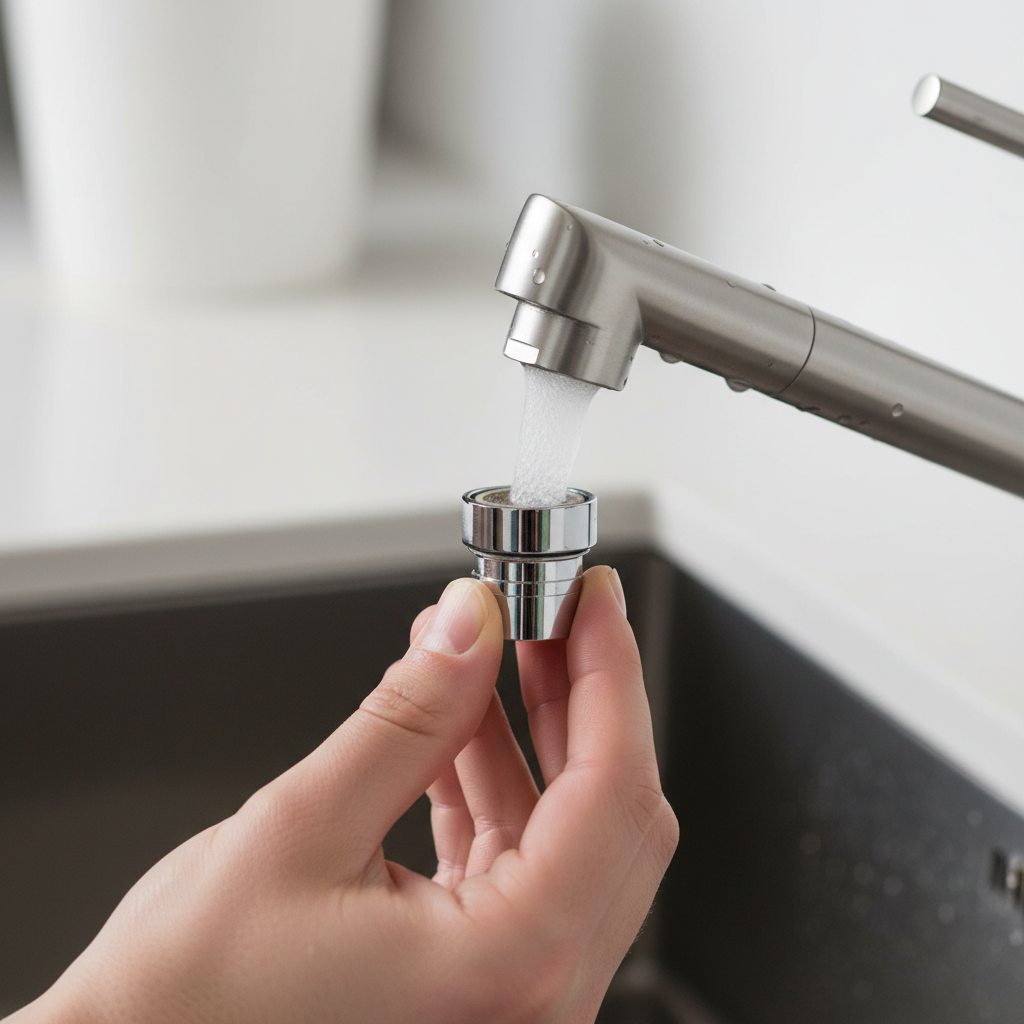
This might be the most underrated hack on the list. A faucet aerator is a tiny, inexpensive device that screws onto the tip of your faucet. It works by mixing air into the water stream. This creates a steady, no-splash stream that feels just as powerful, but it can reduce the amount of water coming out of your faucet by 30% or more. Most modern faucets come with them, but in older rental units, they might be missing or have a high flow rate.
The Easiest Install Ever
Just like the shower head, this is a temporary swap. You can buy a pack of high-efficiency aerators for under $10.
- Check your current flow rate. Look closely at the side of your existing aerator. You should see its GPM rating printed on it (e.g., 2.2 GPM).
- Unscrew the old aerator. Most can be unscrewed by hand. If it’s stuck, use pliers with a cloth to protect the finish.
- Store the original. Put the landlord’s aerator in that same labeled bag with the shower head. Keep your assets protected!
- Screw on the new one. Get a WaterSense-certified aerator, which will be 1.5 GPM or less. Screw it on by hand. It takes about 30 seconds.
You’ve now upgraded your bathroom and kitchen sinks to be dramatically more efficient, and your landlord will never know the difference.
The Math of Aeration
Let’s say your old kitchen faucet aerator was 2.2 GPM and you replace it with a 1.5 GPM model. You save 0.7 gallons for every minute the faucet runs. If your kitchen faucet runs for just 5 minutes a day (washing hands, rinsing veggies, etc.):
- Daily Savings: 5 minutes x 0.7 GPM = 3.5 gallons saved per day.
- Annual Savings: 3.5 gallons x 365 days = 1,277 gallons saved per year.
The Bottom Line: For a one-time investment of less than $10, you can save $30-$50 per year, per faucet. It’s a tiny change that delivers consistent, daily savings. Do it for your kitchen and all your bathroom sinks to maximize the impact.
Hack #6: The “Cold Start” Kitchen Strategy
Stop Paying for Water You Don’t Even Use
Think about your daily kitchen routine. You turn on the tap to wash your hands and wait for the water to get hot. You need to rinse a piece of fruit, so you run the tap. You want to thaw some frozen chicken, so you leave it under running water. These small, mindless habits are costing you a fortune in wasted water.
The Water Capture Method
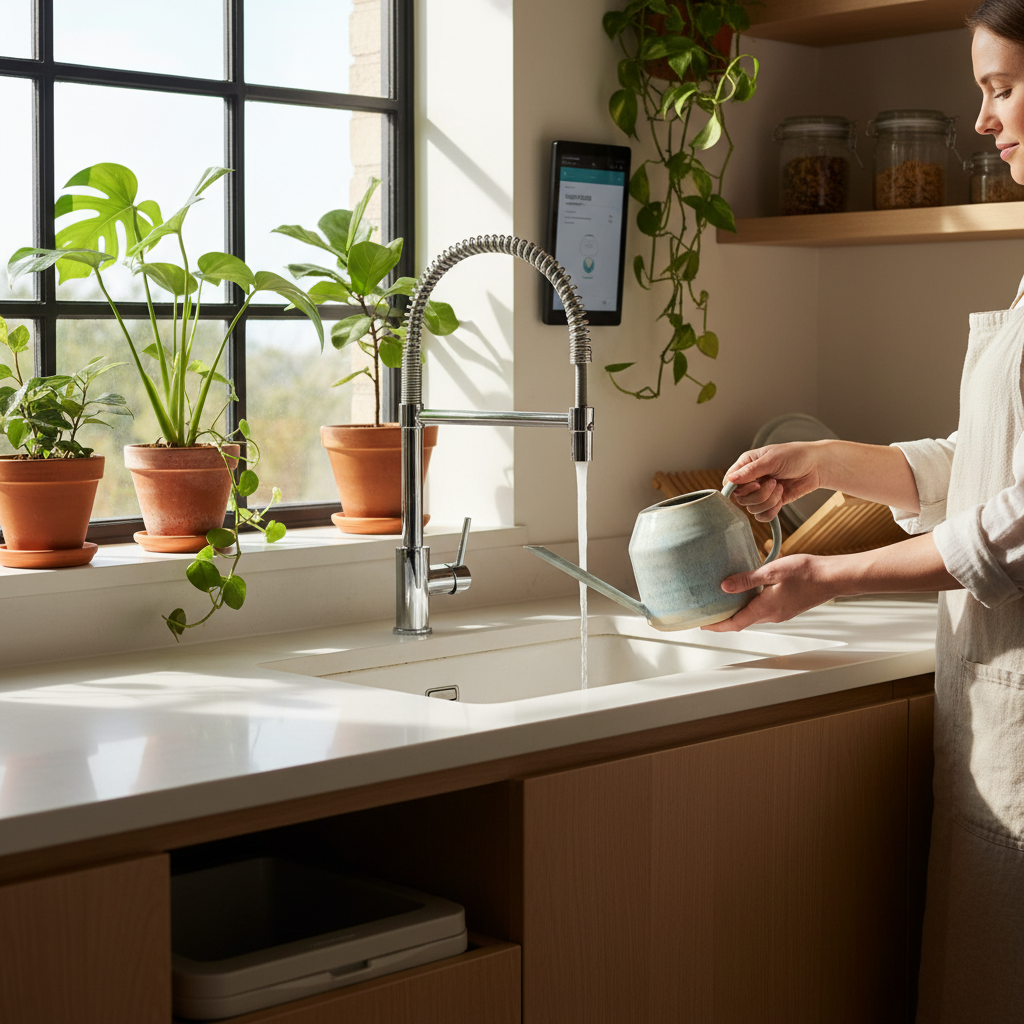
That water that runs while you’re waiting for it to heat up isn’t useless—it’s just cold. Instead of letting it run down the drain, capture it. Keep a pitcher, a watering can, or a large bowl next to your sink. Every time you’re waiting for hot water, fill up your container. You can use this captured water for:
- Watering houseplants
- Filling up the pet’s water bowl
- Rinsing vegetables
- Soaking dirty pans before washing
- Filling up a mop bucket
This simple habit shift turns a waste product into a free resource.
Rethink Your Thawing Technique
Thawing food under running water is one of the most wasteful things you can do in a kitchen. It can use dozens of gallons of water for a single meal. Get ahead of the game. Thaw food overnight in the refrigerator—this is the safest method anyway. If you’re in a pinch, you can use the defrost setting on your microwave or submerge the food in a bowl of cold water (changing the water every 30 minutes, but not leaving the tap running).
The Math of Mindful Habits
If you capture just one gallon of water per day while waiting for the tap to heat up (a very conservative estimate), you’re saving 365 gallons a year. If you stop thawing a chicken under running water just once a week, you could save another 1,000+ gallons a year. Combined, these are real numbers.
The Bottom Line: These are zero-cost behavioral changes. By simply being more mindful of how you use water in the kitchen, you can easily save another $40-$75 a year. It’s about breaking expensive habits and building profitable ones.
Hack #7: The Two-Minute Bathroom Habit That Saves Big Bucks
The Easiest Win You’re Probably Ignoring
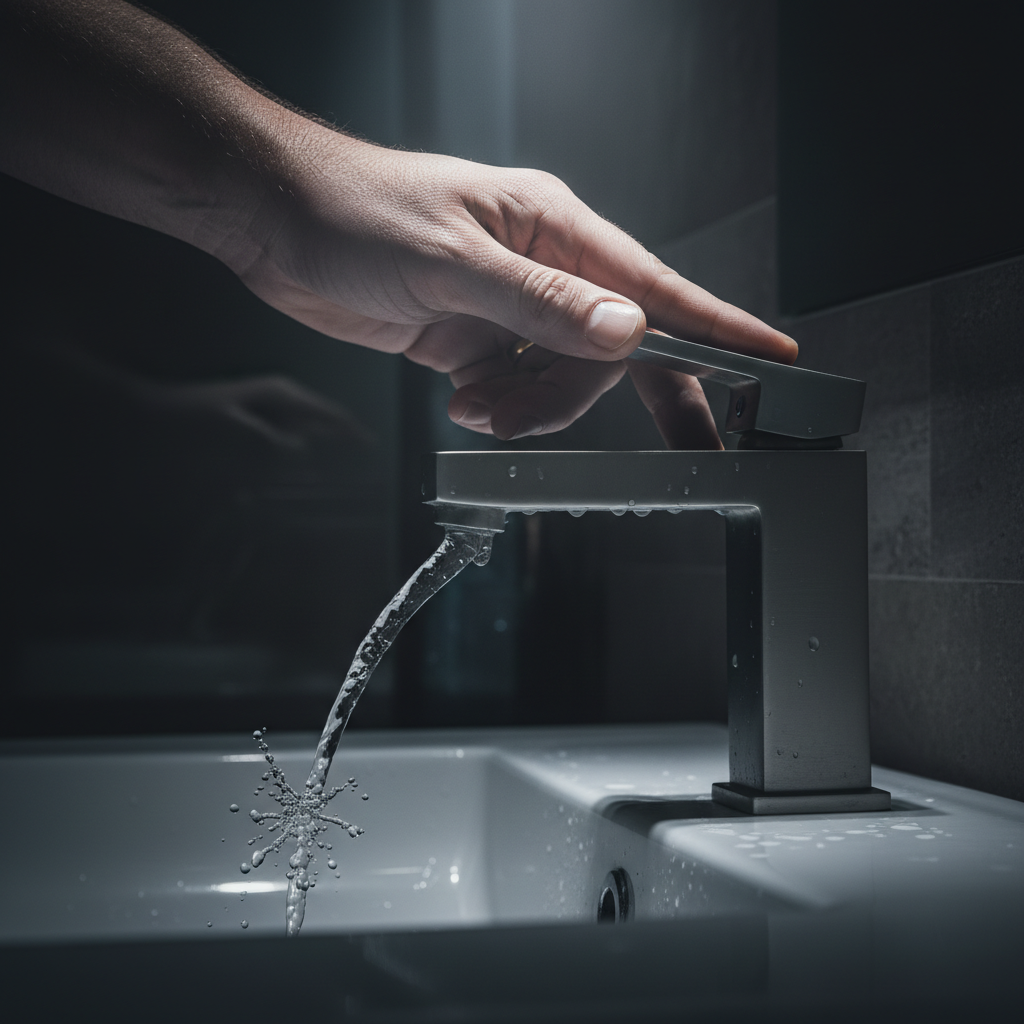
This is the advice your parents gave you, but let’s put some real numbers behind it to show you why they were right. Leaving the water running while you brush your teeth or shave is the definition of lighting money on fire. A standard bathroom faucet flows at a rate of about 2 gallons per minute. You don’t need a single drop of that water while the brush is in your mouth or the razor is on your face.
The Challenge: Make It a Conscious Act
It’s an unconscious habit for most people. The key is to make it a conscious one. For one week, make it your mission to turn the water off. Wet your brush, turn off the tap. Brush your teeth for two minutes. Turn the water back on to rinse. That’s it. For shaving, fill the sink basin with a small amount of hot water to rinse your razor. Don’t let the tap run continuously.
This isn’t about sacrifice; it’s about efficiency. You lose absolutely nothing in terms of cleanliness or comfort, but you gain a significant amount in savings.
The Shocking Math of a Running Faucet
Let’s assume you brush your teeth for two minutes, twice a day, and you’ve been letting the water run the whole time.
- Water Wasted Per Brushing: 2 minutes x 2 GPM = 4 gallons.
- Water Wasted Per Day: 4 gallons x 2 times = 8 gallons.
- Water Wasted Per Year: 8 gallons x 365 days = 2,920 gallons.
The Bottom Line: By turning off the tap while you brush, you can save nearly 3,000 gallons of water a year. That’s a staggering $75 or more in annual savings for something that takes zero effort. Add in the savings from not running the water while shaving, and this simple two-minute habit change could easily be worth over $100 a year. It’s the fastest, easiest money you’ll ever save.
Conclusion
There you have it—seven powerful, landlord-proof hacks to take back control of your water bill. We’re not talking about a few pennies here. If you combine these strategies, you could be looking at savings of $300, $400, or even $500+ per year, all without a single argument with your landlord or a dollar risked from your security deposit.
Being frugal isn’t about being cheap; it’s about being smart and eliminating waste. It’s about plugging the leaks in your budget so you can direct that money toward things that matter—paying off debt, building your savings, or funding your side hustle. You are the CEO of your own finances, and every utility bill is a line item you can optimize.
Don’t get overwhelmed. Pick one. Start with the leak detection mission tonight. Or order that $25 low-flow shower head right now. The momentum from that first win will fuel the next one. Stop letting your money go down the drain. Start hacking your bills and build a stronger financial future today.