
Never Buy New Clothes Again: Hosting A Clothing Swap Party For Beginners
Listen up. Take a hard look at your closet, then a hard look at your bank account. See a connection? That endless cycle of buying new clothes—chasing trends, grabbing sale items you don’t need—is a serious cash drain. We’re talking hundreds, even thousands, of dollars a year spent on stuff that often ends up unworn, collecting dust in the back of your wardrobe. It’s time to break the cycle.
Forget paying retail. The smartest way to refresh your style is sitting right in your friends’ closets. Welcome to the world of the clothing swap party: the ultimate frugal hack for a killer wardrobe. This isn’t about wearing old, worn-out hand-me-downs. It’s a strategic, empowering way to trade the quality items you’re tired of for ‘new-to-you’ treasures, all while saving serious money, helping the planet, and having a blast with your friends. This guide is your complete playbook to hosting a swap party that’s organized, fun, and ridiculously rewarding. Let’s get to it.
The Real Cost of ‘New’: Why Your Closet is a Goldmine
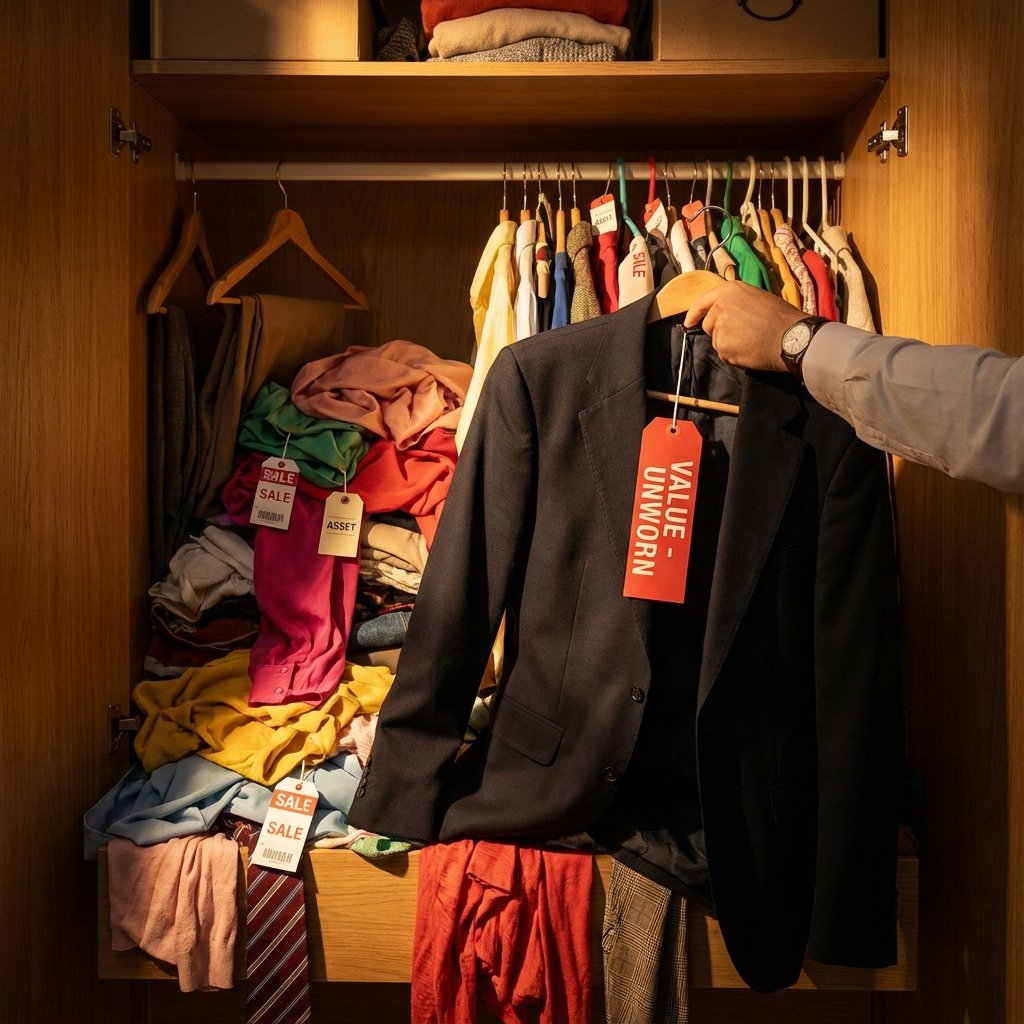
Before we get into the ‘how,’ let’s talk about the ‘why.’ The fashion industry is designed to make you feel like you constantly need more. That ‘must-have’ jacket or ‘perfect’ pair of jeans comes with a hefty price tag, not just for your wallet, but for the environment. The average consumer buys 60% more clothing than they did 15 years ago, but keeps each item for half as long. That’s a mountain of wasted cash and fabric.
Your closet, and your friends’ closets, are untapped goldmines. Those jeans that don’t quite fit anymore? That dress you wore once to a wedding? That’s not clutter; it’s closet currency. It’s value you can unlock without spending a dollar. By swapping, you’re not just getting free clothes; you’re opting out of a system designed to keep you spending. You’re taking back control.
The math doesn’t lie. Let’s break down what a typical ‘wardrobe refresh’ costs versus the swap method.
The Math: Retail Therapy vs. Swap Party Power
| Expense Category | Typical Retail Haul (Quarterly) | Clothing Swap Party Haul |
|---|---|---|
| 5 ‘New’ Tops/Shirts | $150 (at ~$30/ea) | $0 |
| 2 Pairs of Pants/Jeans | $100 (at ~$50/ea) | $0 |
| 1 Dress or Jacket | $80 | $0 |
| Accessories (Scarf, Belt, etc.) | $40 | $0 |
| Total Quarterly Cost | $370 | ~$15 (for snacks/drinks) |
| Annual Cost | $1,480 | ~$60 |
| Annual Savings | $1,420 | |
Seeing that $1,420 in potential savings should be your wake-up call. That’s a vacation, a paid-off credit card, or a serious boost to your emergency fund—all for trading clothes you weren’t even wearing. It’s time to start thinking of your wardrobe as a renewable resource.
The Ground Rules: How to Host a Swap That Doesn’t Suck
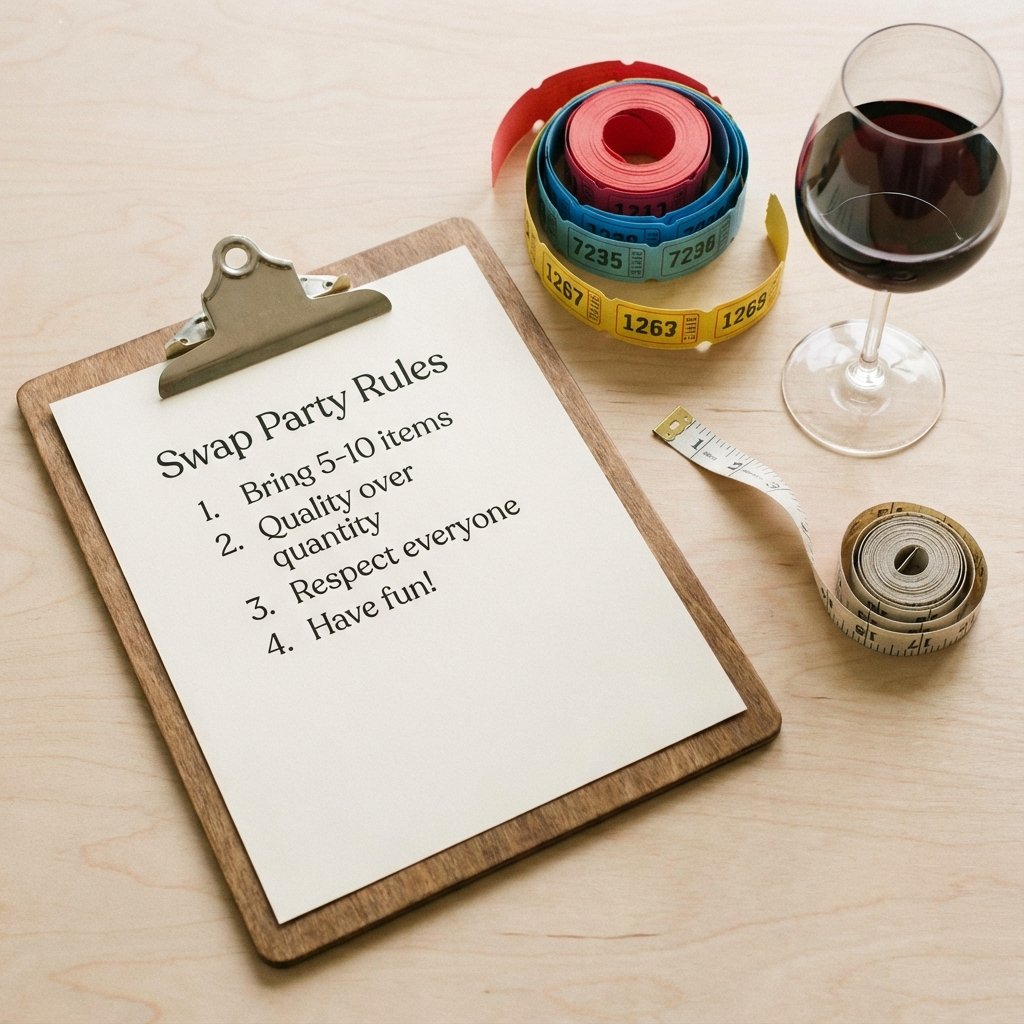
A successful clothing swap isn’t a free-for-all. Without rules, it can turn into a chaotic mess where people feel ripped off or disappointed. Your job as the host is to be the benevolent dictator. Set clear, simple rules upfront so everyone knows what to expect and the event stays fair and fun.
The ‘Bring Quality’ Rule
This is the most important rule of all. The quality of the items brought determines the quality of the swap. Be ruthless about this. Communicate it clearly in your invitation.
Key Rule: If you wouldn’t give it to a friend you respect, don’t bring it to the swap. This is not a donation dump. All items should be clean, gently used, and free of stains, rips, or broken zippers.
- Good examples: The dress you wore twice, jeans that no longer fit, a sweater in great condition, shoes you never broke in.
- Bad examples: Stretched-out t-shirts, stained blouses, anything with holes, worn-out underwear (just… no).
The ‘How to Swap’ System
You need a system to keep things orderly. Here are the three main options, from most organized to most chaotic:
- The Ticket System (Highly Recommended): This is the fairest method. When a guest arrives, you or a helper inspects their items. For each accepted item, they get one ticket. If they bring 7 good-quality pieces, they get 7 tickets. They can then ‘spend’ their tickets on 7 ‘new’ items from the swap. This prevents someone who brought 3 items from walking away with 15.
- The Round Robin System: Good for smaller groups (under 10 people). Everyone gets a number. Person #1 picks one item, then person #2 picks one item, and so on. After everyone has picked once, you start a second round. It’s slower but very civilized.
- The Free-for-All: Only attempt this with a small group of very close, considerate friends. Everyone puts their clothes out, and then you just say ‘go.’ It can be fun and high-energy, but it can also lead to someone grabbing all the best stuff before others get a chance.
The Guest List Strategy
Think strategically about who you invite. A good mix of sizes and styles is ideal. Don’t be afraid to ask your friends to invite one or two of their own stylish, trusted friends. This expands the pool of clothes and introduces new people. Aim for a group of 10-20 people for the best variety and energy.
The Step-by-Step Game Plan: From Idea to ‘New’ Wardrobe

Alright, you’ve got the concept and the rules. Now it’s time for the action plan. Follow these steps to execute a flawless clothing swap party.
-
Step 1: Lock Down the Logistics (3-4 Weeks Out)
Pick a date and time, preferably a weekend afternoon. Give your guests at least three weeks’ notice so they have ample time to go through their closets. Your living room is the perfect venue. All you need is some open floor space.
-
Step 2: Send the Invites & State the Rules (2-3 Weeks Out)
Don’t just send a lazy text. Craft an invitation that gets people excited and clearly lays out the ground rules. Use a free tool like Paperless Post or Canva, or just a well-worded group message.
Sample Invite Script:
Hey everyone! Ready to refresh your wardrobe for FREE? I’m hosting a Clothing Swap Party!When: Saturday, Nov 18th at 2:00 PM
Where: My place (123 Frugal Ave)
How it works:
1. Clean out your closet and find 5-15 items (clothes, shoes, accessories) that are in great condition but you no longer wear.
2. Bring them over! For each item you bring, you’ll get one ticket.
3. We’ll browse, ‘shop’ with our tickets, and go home with a new wardrobe without spending a dime!The Golden Rule: Please only bring items that are clean, stylish, and gently used (no stains, rips, or damage). Think quality you’d give to a good friend!
Can’t wait to see you and your awesome clothes! Let me know if you can make it by [RSVP Date].
-
Step 3: Prep Your Swap Space (Day Before)
Transform your space into a boutique. You don’t need to spend money. Get creative. Move your coffee table to the side for more floor space. Designate zones: a table for pants and sweaters, a couch for tops, a corner for shoes and bags. If you have a portable clothing rack, use it for dresses and jackets. The most crucial item? Mirrors. Borrow a few full-length mirrors and place them around the room.
-
Step 4: Day Of – Check-In & Merchandising (1 Hour Before)
As guests arrive, have a designated check-in station. This is where you greet them, inspect their items, and hand out their tickets. Have a ‘reject’ bag handy for items that don’t meet the quality standard—do this politely! As people check in, artfully arrange their items in the designated zones. A well-organized layout makes ‘shopping’ easier and more exciting.
-
Step 5: Let the Swapping Begin!
Once most guests have arrived and the clothes are laid out, announce that the swap is open. Manage the process according to the system you chose. Put on a great playlist, offer drinks and snacks, and encourage people to mingle and give each other style advice. The goal is a party, not a silent, competitive shopping trip.
-
Step 6: The Checkout
Have a simple checkout where guests turn in their tickets for the items they’ve chosen. This keeps the system honest and officially concludes their ‘shopping’ trip.
Level Up Your Swap: Pro-Tips for an Epic Event

Hosting a basic swap is great. Hosting an *epic* swap makes you a legend among your friends and ensures they’ll be begging you to do another one. Here’s how to take your event to the next level.
- Introduce a Theme: A theme can make the swap more focused and fun. Ideas include a ‘Workwear Refresh’ for office attire, a ‘Vacation Vibes’ swap before summer, or an ‘Accessories Only’ event for bags, scarves, jewelry, and shoes.
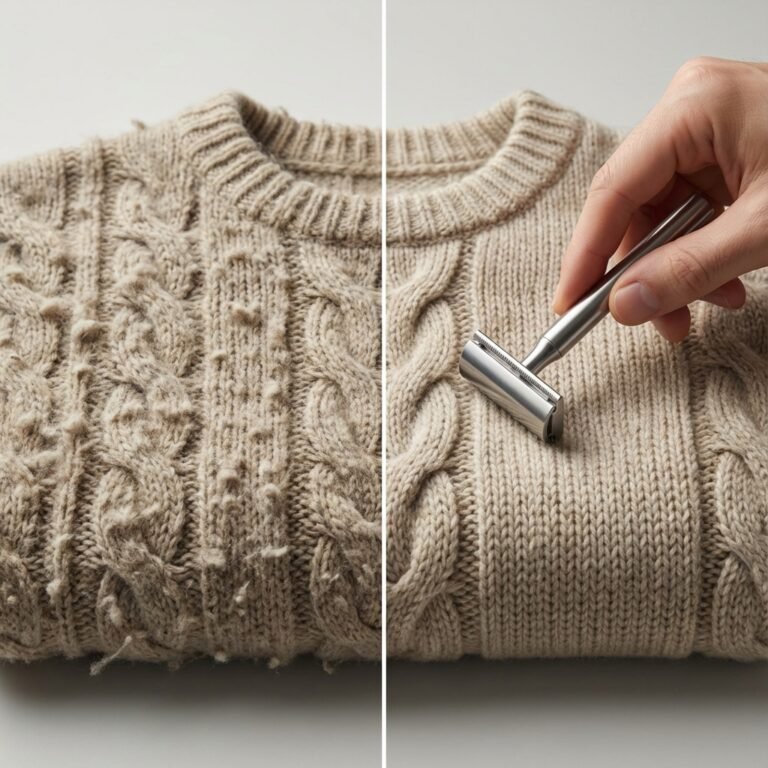
- Create a ‘Mending Station’: Set up a small corner with a basic sewing kit, safety pins, a fabric shaver, and a stain remover pen. A missing button or a small pull is an easy fix that can save an otherwise great garment. This is a top-tier frugal touch.
- Incorporate a Styling Challenge: Midway through the party, announce a styling challenge. Give everyone 15 minutes to create a full head-to-toe outfit from the swap pile. Have a mini ‘fashion show’ and let the group vote for the best look. The prize can be simple, like a bottle of wine or first dibs on one leftover item.
- Make It a Real Party: Don’t forget the ‘party’ part of the swap party. You don’t need a full meal, but simple snacks, a signature drink (or just some wine and sparkling water), and a killer music playlist will elevate the entire experience from a transaction to a social event.
- The Side Hustle Angle: Once you’ve mastered hosting for friends, consider the side hustle potential. You can organize larger, community-wide swaps and charge a small entry fee, like $10-$15, to cover venue rental (like a community center room), snacks, and your time. It’s a great way to make money while promoting sustainability in your neighborhood.
The Aftermath: What to Do With Leftover Clothes
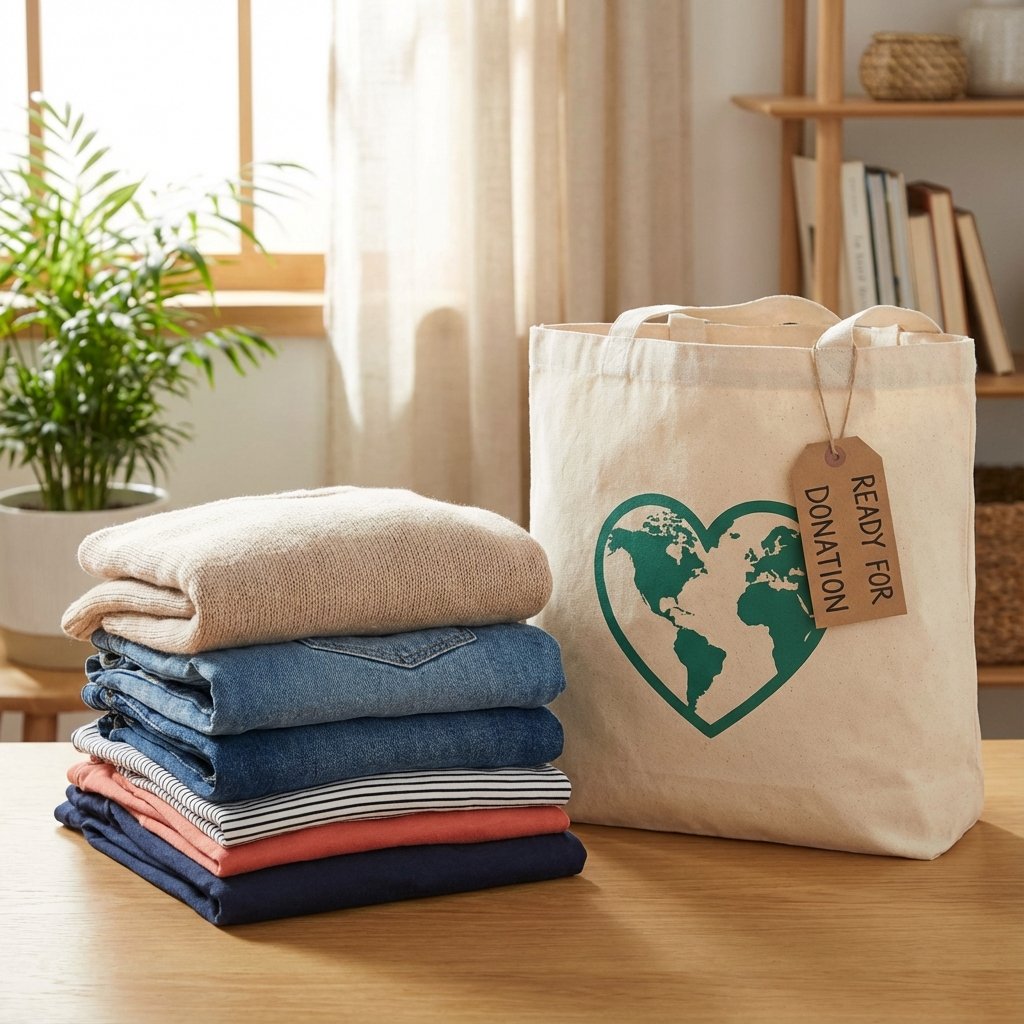
No matter how successful your swap is, there will always be leftover items. What you do with them is just as important as the swap itself. The goal is to keep these clothes out of the landfill.
Option 1: The Group Donation (Easiest)
This is the simplest and most common option. Have donation bags ready at the end of the party. As people are leaving, ask them to help pack up all the remaining clothes. One person can volunteer to drop the bags off at a local charity, thrift store, or a women’s shelter. Many shelters are specifically in need of professional workwear, so if you have a lot of that, target a relevant organization.
Option 2: The Reseller’s Haul (Most Profitable)
If there are some high-quality, brand-name items left, you can collectively decide to sell them. Nominate one person to take photos and list the items on a platform like Poshmark, Depop, or ThredUP. Any money earned can be put into a pot to fund the food and drinks for your next swap party. It’s the ultimate self-sustaining party model.
Option 3: Textile Recycling (Most Sustainable)
For any items that are truly at the end of their life—maybe they didn’t pass the initial quality check but a guest left them anyway—don’t just throw them in the trash. Look up local textile recycling programs. Many cities, and even stores like H&M or Madewell, have drop-off points for old textiles to be recycled into insulation or other materials.
Conclusion
You now have the complete blueprint to stop burning cash on new clothes and start building a stylish, sustainable wardrobe for free. A clothing swap party is more than just a frugal hack; it’s a powerful statement. It’s a statement that you value your money, you care about the planet, and you understand the power of community.
Stop letting perfectly good clothes languish in your closet and your bank account drain. You have the power to change your relationship with fashion and create a system that benefits everyone involved. So go on, send that invite. Your wallet, your wardrobe, and your friends will thank you for it.