Look Expensive for Cheap: The Ultimate Budget Capsule Wardrobe Guide
Let’s get one thing straight: looking expensive has nothing to do with having a fat bank account. It’s a game, and you’ve been losing because you’re playing by the wrong rules. The fashion industry wants you trapped in a cycle of cheap trends, buying flimsy clothes that fall apart after three washes. That’s how they get rich, and you stay broke with a closet full of nothing to wear. It’s time to flip the script.
This isn’t another fluffy style guide. This is your tactical manual for building a ‘killer’ capsule wardrobe—a small, curated collection of high-impact pieces that work together flawlessly. We’re talking about the kind of closet that makes getting dressed in the morning a two-minute power move, not an hour-long crisis. It’s about owning fewer, better things that make you look and feel like a boss. Forget the fast-fashion trap. We’re going to teach you how to hunt for quality, master the art of the perfect fit, and build a wardrobe that pays you back in confidence and cash. Ready to change the game? Let’s get to work.
The Capsule Wardrobe Mindset: Ditch Fast Fashion, Think Investment
The Capsule Wardrobe Mindset: Ditch Fast Fashion, Think Investment
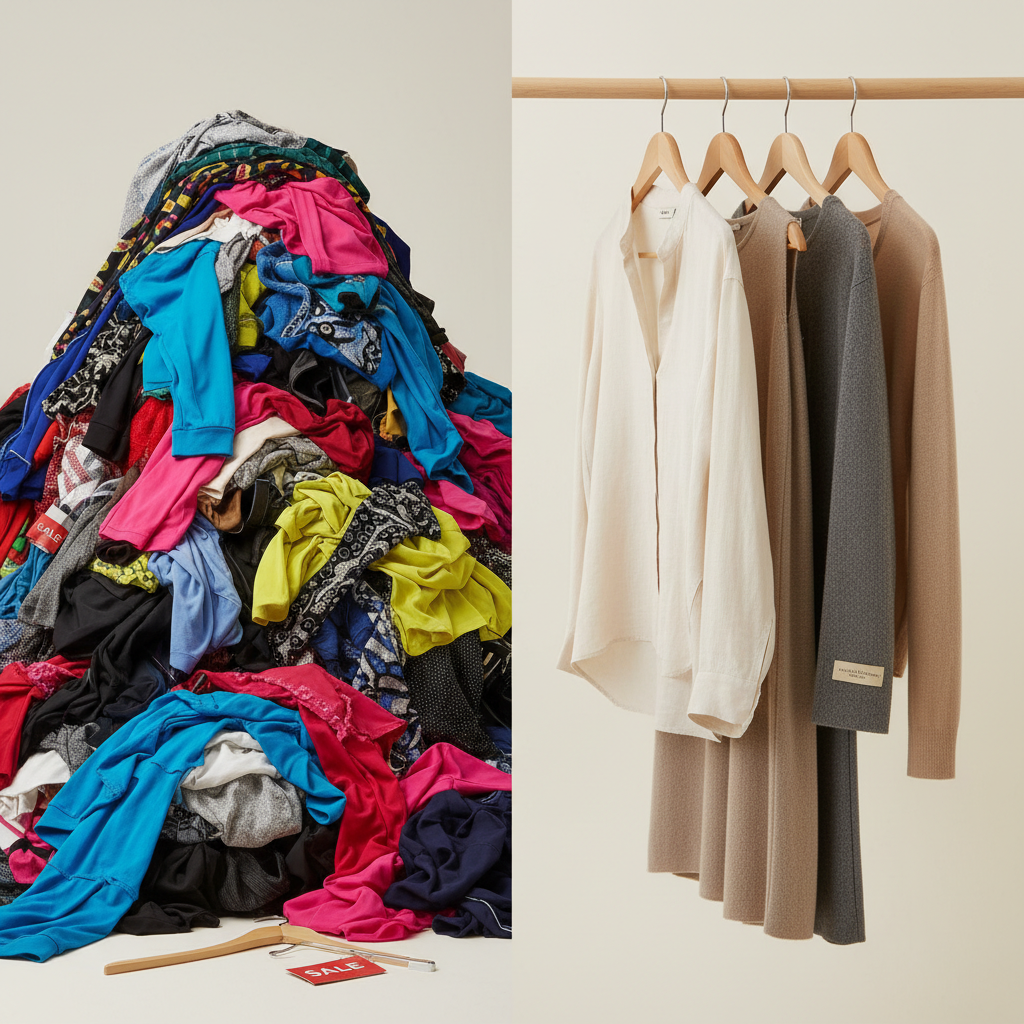
Before you even think about shopping, you need a mental upgrade. Your current mindset is probably costing you a fortune. You see a $15 top and think, ‘What a steal!’ You wear it twice, it shrinks, and it’s relegated to the back of your closet. That wasn’t a steal; it was a $15 loss. The street-smart approach is to think in terms of Cost Per Wear (CPW).
Here’s the math. That $15 top worn twice? Your CPW is $7.50. Now, what about a high-quality, classic trench coat you thrifted for $80? You wear it 40 times in its first year. Your CPW is $2.00. You’ll wear that coat for the next decade. The cheap top is landfill fodder. See the difference? You’re not spending more; you’re investing smarter.
Key Rules of the Investment Mindset:
- Quality Over Quantity: Stop buying five cheap things and buy one great thing instead. Look at the fabric content. Natural fibers like cotton, wool, silk, and linen last longer and look more luxurious than synthetics like polyester and acrylic.
- Timeless Over Trendy: Trends are designed to make your clothes obsolete in six months. A classic silhouette will look good five, ten, even twenty years from now. Focus on neutral colors for your core items: black, white, navy, camel, grey, and beige. You can add trends with cheap accessories, not your core pieces.
- The Three-Outfit Rule: Before you buy anything, you must be able to mentally style it with at least three other items you already own. If you can’t, it doesn’t belong in your capsule. This single rule prevents impulse buys and ensures every piece is a workhorse.
This isn’t about deprivation; it’s about power. It’s the power of walking into a room knowing your outfit is sharp, put-together, and didn’t require you to go into debt. It’s the confidence that comes from owning your style instead of renting trends. Below is a breakdown of how this mindset shift saves you cold, hard cash.
| Expense Category | Fast Fashion Annual Cost | Capsule Wardrobe Annual Cost | The Smart Savings |
|---|---|---|---|
| Tops & Blouses (20 cheap vs 5 quality) | $300 (20 x $15) | $150 (5 x $30) | $150 |
| Pants & Jeans (6 cheap vs 2 quality) | $240 (6 x $40) | $120 (2 x $60) | $120 |
| Outerwear (3 trendy vs 1 classic) | $210 (3 x $70) | $80 (1 x $80) | $130 |
| Shoes (5 trendy pairs vs 2 classic pairs) | $250 (5 x $50) | $140 (2 x $70) | $110 |
| Total Annual Spending | $1,000 | $490 | $510/year |
The Core 10: Your High-Value Foundation Pieces
The Core 10: Your High-Value Foundation Pieces
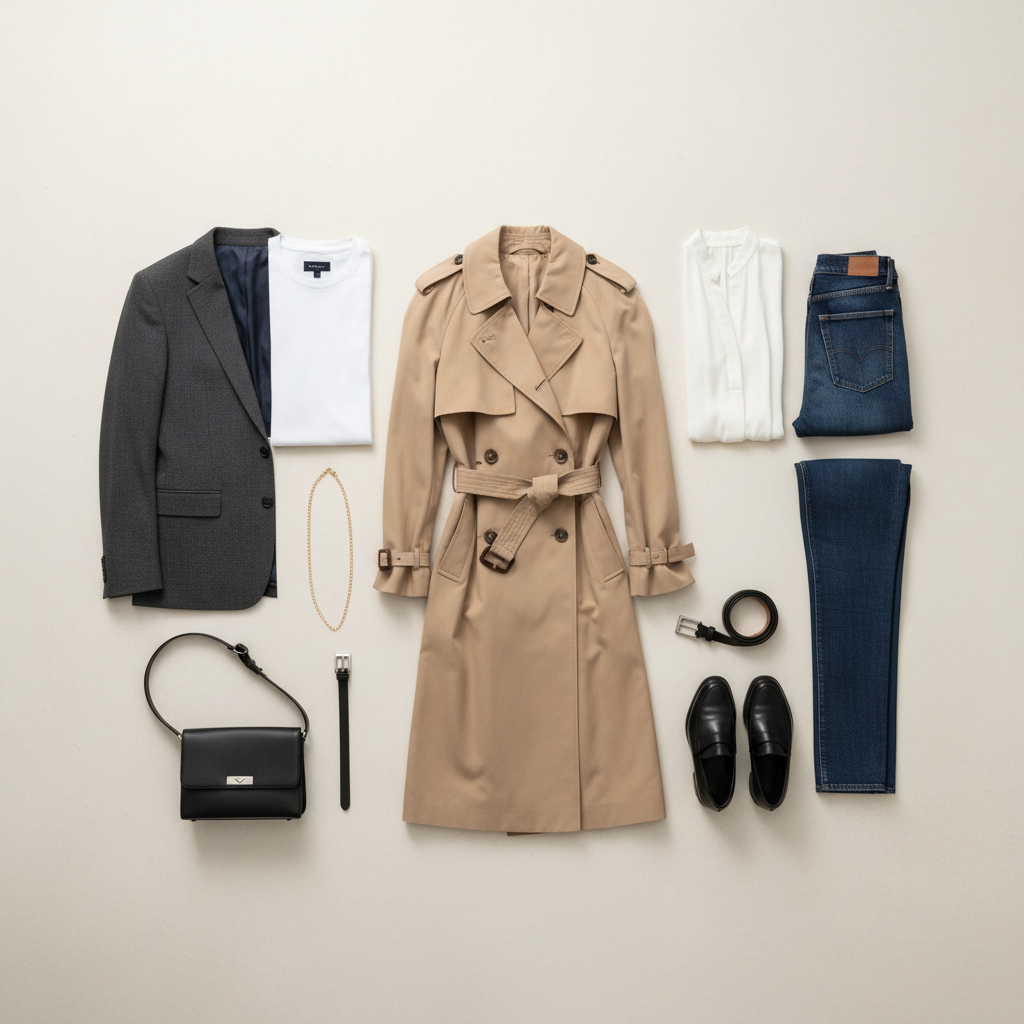
Every solid structure needs a foundation. In your wardrobe, that foundation is a set of about 10 versatile, high-quality pieces that you can build almost any outfit on. These aren’t the most exciting items, but they are the most important. They are the canvas. Your personality comes in with accessories and the occasional trendy piece. Don’t cheap out here—this is where your investment strategy pays off. Hunt for these on sale, at consignment shops, or in thrift stores.
Your Non-Negotiable Hit List:
- The Classic Trench Coat or Wool Overcoat: A structured coat in camel, navy, or black instantly elevates everything, from jeans to a dress. It screams ‘put-together.’
- Perfect-Fitting Dark Wash Jeans: No rips, no crazy washes. A simple, classic straight-leg or skinny jean that makes you feel amazing. This is the backbone of your casual wardrobe.
- The White Button-Down Shirt: Look for one in high-quality cotton or silk. It can be dressed up for an interview or worn loosely over a tank top on the weekend. Ultimate versatility.
- A Cashmere or Merino Wool Sweater: A simple crewneck in a neutral color like grey or black. It provides warmth without bulk and looks a hundred times more expensive than its acrylic counterparts.
- A Tailored Black Blazer: This is a power piece. Thrown over a t-shirt, it makes jeans look intentional. Paired with trousers, it’s corporate-ready. The key is the fit—get it tailored if you have to.
- A Simple T-Shirt (or three): Invest in high-quality Pima cotton t-shirts in white, black, and grey. They hold their shape and serve as the perfect layering base.
- Classic Trousers: A pair of well-fitting black or grey trousers can take you anywhere. Look for a wool blend for a better drape and longer life.
- The Little Black Dress (LBD): Find a simple, classic silhouette that flatters your body type. It’s a blank slate you can style in dozens of different ways.
- Leather Ankle Boots: A sleek, simple pair of black or brown leather boots with a low heel are comfortable enough for everyday wear but polished enough to look sharp.
- Classic Loafers or White Sneakers: Depending on your lifestyle, a pair of leather loafers or minimalist, clean white leather sneakers are your go-to for stylish comfort.
Remember, the goal isn’t to own exactly these 10 items. The goal is to identify your core foundation pieces based on your lifestyle and climate. But this list is a battle-tested starting point that works for almost everyone. Build this foundation, and you’ll never have a ‘nothing to wear’ moment again.
The Thrifting Hunter’s Playbook: Where to Score Designer for Less
The Thrifting Hunter’s Playbook: Where to Score Designer for Less
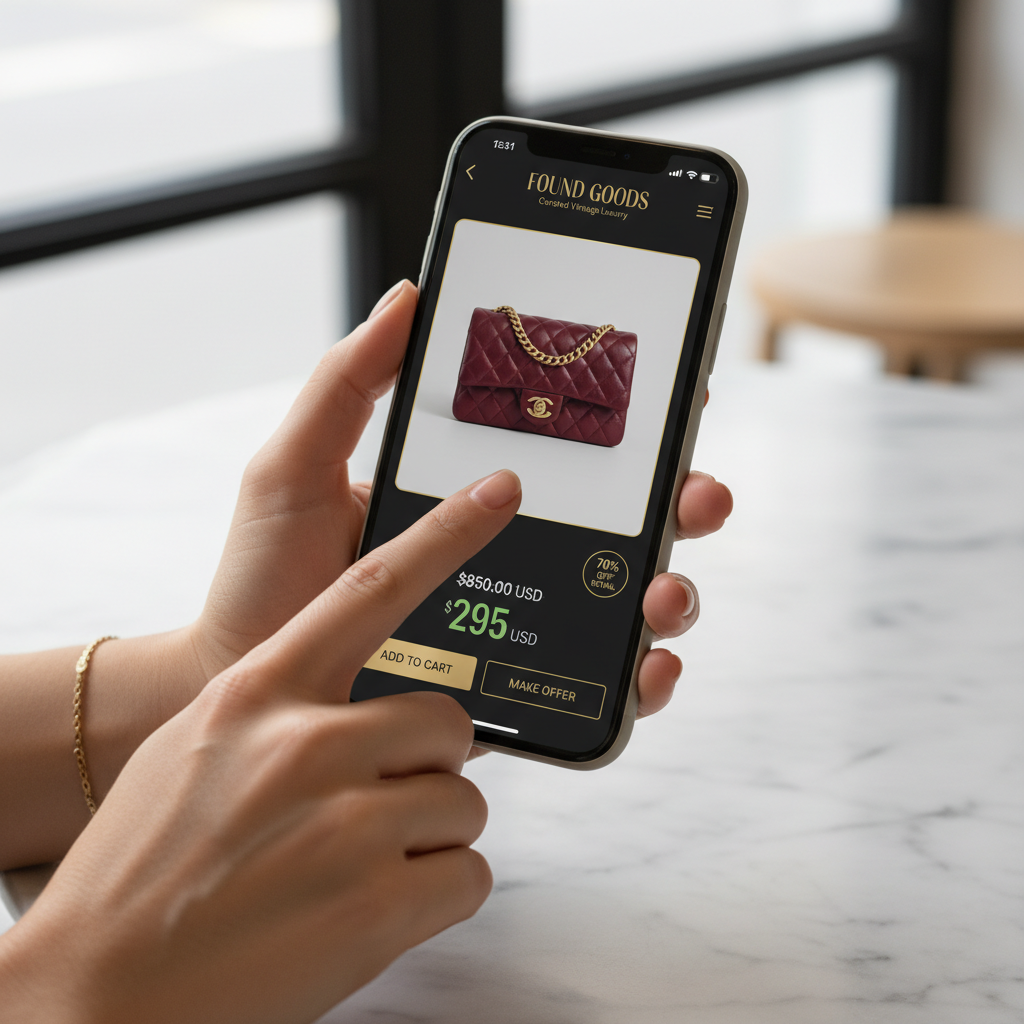
Anyone can walk into a mall and drop $500 on a new outfit. The real hustlers know how to get that same $500 look for $50. Welcome to the world of secondhand shopping. This is where you find the high-quality investment pieces we talked about without the soul-crushing price tag. But you need a strategy; you can’t just wander in and hope for the best.
Your Digital Digging Grounds: Top Apps & Websites
- The RealReal: Your go-to for luxury consignment. Everything is authenticated, so you know you’re not buying a fake. Perfect for finding that investment handbag or designer coat.
- Poshmark: A massive social marketplace. It takes more digging, but you can find incredible deals. Use very specific search terms (e.g., ‘Vince 100% silk blouse size medium’) and don’t be afraid to make an offer.
- ThredUP: Think of it as a massive online thrift store. It’s great for finding mid-range brands like J.Crew, Madewell, and Everlane for a fraction of the retail price.
- eBay: The original. Still a goldmine for vintage finds and specific items if you know what you’re looking for. Always check a seller’s rating and return policy.
In-Person Heist Tactics
Don’t sleep on your local thrift and consignment shops. The secret is to go to the right ones.
- Shop in Wealthy Neighborhoods: This is the golden rule. Go to the Goodwill or local consignment shop in the richest part of your city. You’ll find better brands and better-quality items because that’s what people in that area are donating.
- Go on Weekdays: Weekends are a madhouse. Go on a Tuesday or Wednesday morning after the weekend donations have been sorted and put out on the floor.
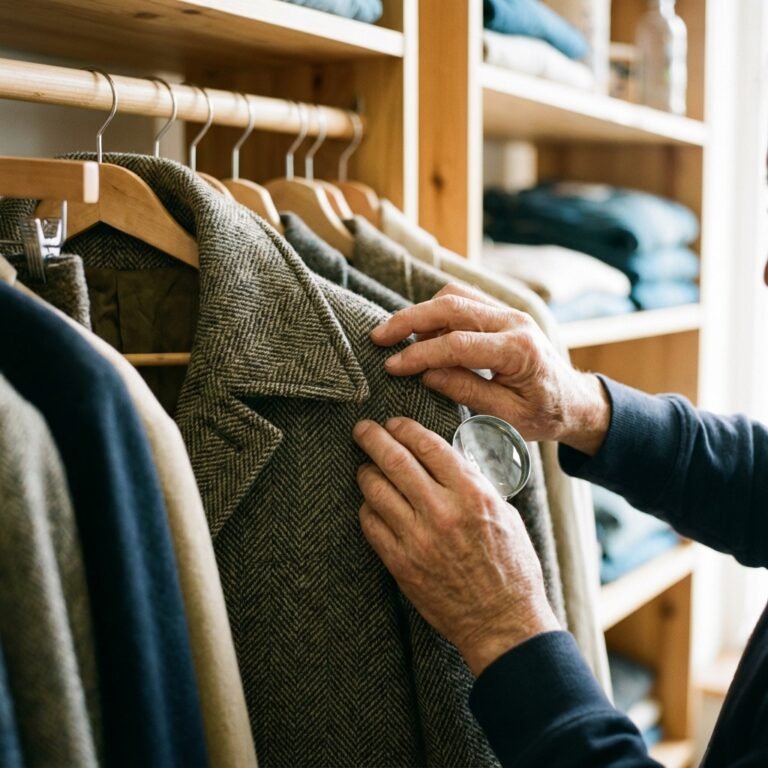
- Check for Flaws Meticulously: Hold items up to the light. Check seams, zippers, and underarms. Look for stains, pulls, or pilling. A small flaw you can fix is a bargaining chip; a major one is a deal-breaker.
The Thrifting Hunter’s Code: Never shop without a list. Know the core pieces you’re hunting for. It keeps you focused and prevents you from coming home with a bag of random ‘good deals’ that don’t actually build your wardrobe. Stick to the mission.
The Art of the Tailor: Your Secret Weapon for a Million-Dollar Fit
The Art of the Tailor: Your Secret Weapon for a Million-Dollar Fit
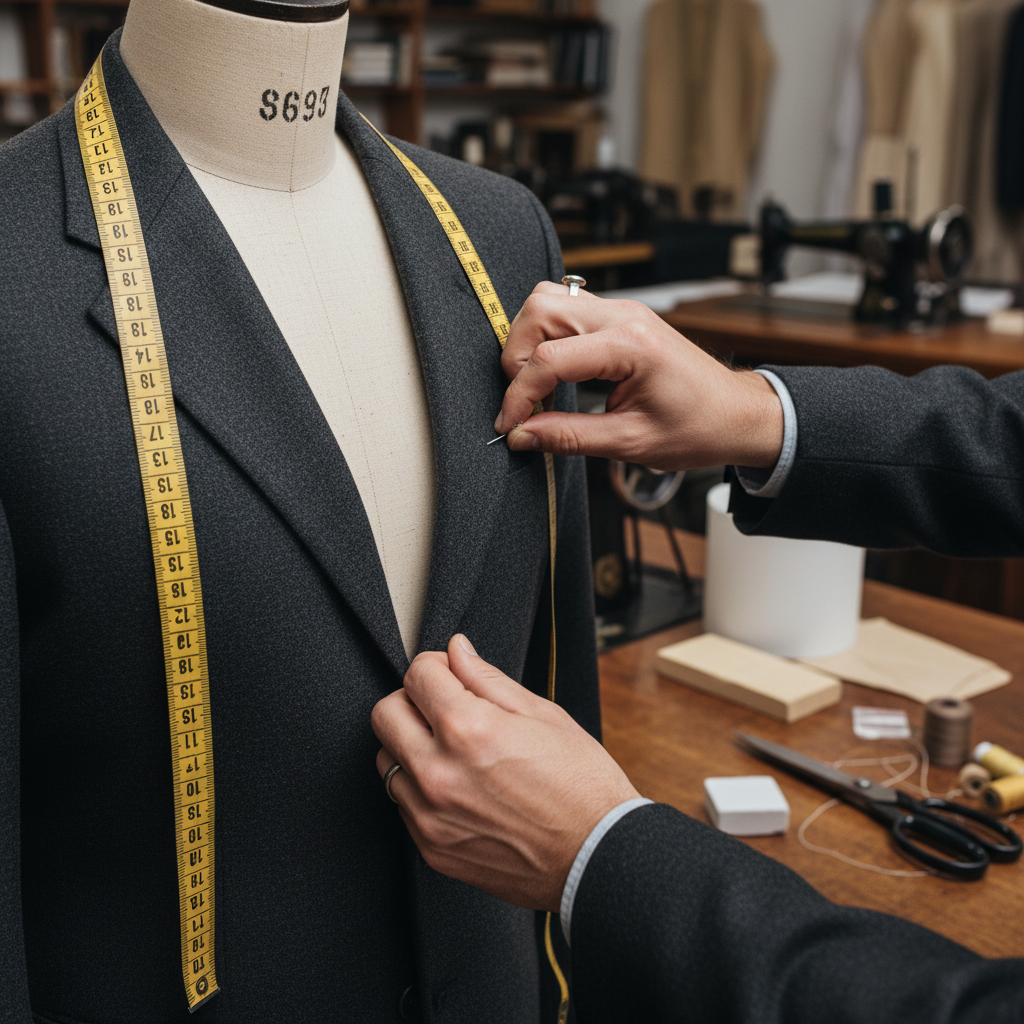
Here’s the biggest secret the wealthy don’t want you to know: it’s not the price tag that makes clothes look expensive, it’s the fit. A $30 pair of thrifted trousers that are tailored to perfection will look more luxurious than a $300 pair off the rack that bunches and sags in the wrong places. Your tailor is the most important person in your style arsenal. They are your secret weapon.
Stop thinking of tailoring as a luxury. It’s a necessity. Budget for it. A simple alteration can cost anywhere from $15 to $50, but the return on investment is massive. That $40 blazer you found at a consignment shop? A $25 alteration to nip the waist and shorten the sleeves transforms it into a piece that looks like it was custom-made for you—a $500 look for a total of $65.
Common Alterations That Make a Huge Difference:
- Hemming Pants and Jeans: The number one style sin is pants that are too long and pool around your ankles. Getting them hemmed to the perfect length for the shoes you’ll wear them with is a game-changer.
- Taking in the Waist: Whether it’s on a blazer, a dress, or a pair of pants, eliminating extra fabric around your midsection creates a sharp, polished silhouette.
- Shortening Sleeves: A jacket or shirt sleeve should end right at your wrist bone. Most off-the-rack sleeves are too long. This small tweak makes a massive impact.
- Replacing Buttons: Cheap plastic buttons are a dead giveaway of a cheap garment. Buy a set of quality horn or metal buttons for $10 and have your tailor (or do it yourself!) swap them out on a coat or blazer. Instant upgrade.
How to Find and Work With a Tailor
Don’t just go to the dry cleaner. Find a dedicated, independent tailor. Read reviews on Yelp or Google. When you go in, wear the shoes you plan to wear with the garment. Be specific about what you want. A good tailor will also offer their own suggestions. Build a relationship with them. Once they know your body and your preferences, the process becomes seamless. This is the single most effective hack for looking expensive on a budget. Don’t skip it.
Maintenance is Money: Keep Your Pieces Looking Brand New
Maintenance is Money: Keep Your Pieces Looking Brand New
You’ve hunted for the perfect pieces, you’ve had them tailored, and you look amazing. Now what? You protect your investment. Running your high-quality clothes through a hot wash and a blazing dryer is like setting your money on fire. Proper care is what separates the pros from the amateurs and ensures your capsule wardrobe lasts for years, not months.
The Frugal Hacker’s Care Guide:
- Learn to Read Labels: That little tag inside your clothes is your instruction manual. ‘Dry Clean Only’ often means just that. However, many items labeled ‘Dry Clean’ can be gently hand-washed in cold water with a mild detergent like Woolite. Do your research on the fabric type first.
- Break Up With Your Dryer: The high heat of a dryer is the enemy. It shrinks fibers, fades colors, and destroys elastic. Invest in a simple drying rack for $20. Your clothes will last twice as long. This simple switch can save you hundreds of dollars over time by not having to replace items.
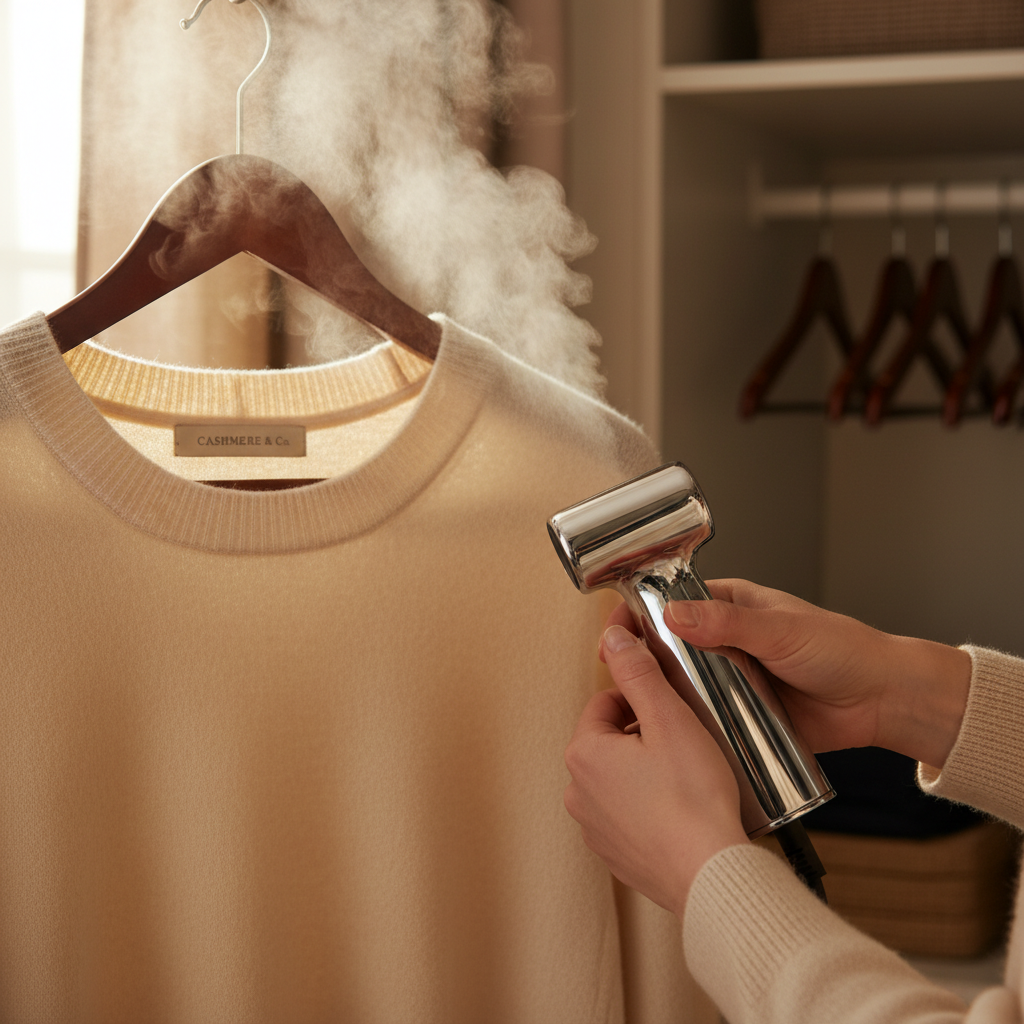
- Invest in the Right Tools: A few key items will keep your clothes looking fresh off the rack. A fabric shaver (about $15) removes pills from sweaters, making them look brand new. A good steamer (around $30) is often better than an iron; it de-wrinkles, kills odor-causing bacteria, and is gentler on fabrics.
- Proper Hangers Are Non-Negotiable: Wire hangers from the dry cleaner will destroy your clothes. They create shoulder bumps and stretch out fabrics. Invest in a set of sturdy wooden hangers for coats and blazers, and slim velvet hangers for everything else to prevent slipping and save space.
- Know When to Wash: You do not need to wash every item after one wear. Jeans, sweaters, and blazers can be worn multiple times before washing. Over-washing wears out clothes faster. Spot-clean small stains and air things out between wears.
Think of this not as a chore, but as portfolio management. Each piece in your capsule is an asset. By spending a little time on maintenance, you’re preserving the value of those assets, saving you the cost of replacing them and ensuring you always look sharp and polished. That’s real financial savvy.
Conclusion
Building a wardrobe that looks expensive isn’t about magic or a trust fund—it’s about a strategic shift in how you think about clothes. It’s about rejecting the endless cycle of cheap, disposable fashion and choosing to invest in yourself. By adopting a ‘cost per wear’ mindset, hunting for quality on the secondhand market, making a tailor your best friend, and properly maintaining your pieces, you take back control. You’re no longer a victim of trends; you’re the curator of your own timeless style.
The result is more than just a great-looking closet. It’s more money in your pocket, more time in your morning, and a powerful sense of confidence that comes from knowing you look your best, no matter the occasion. You’ve now got the playbook. The next move is yours. Stop letting your closet drain your wallet and start building a wardrobe that works as hard as you do.