How to Eat Gluten Free Without Going Broke: The Ultimate Guide
Let’s be real: the ‘gluten-free’ label often feels like a license to print money… for the food companies. You see that tiny loaf of bread costing more than a steak and your wallet starts to sweat. You’re forced to choose between your health and your bank account, and it’s a garbage choice to have to make. But what if I told you that you’ve been played? Eating gluten-free doesn’t have to be a luxury reserved for the rich. It’s time to stop paying the ‘GF tax’ and start hacking the system.
This guide is your new playbook. We’re not about clipping a million coupons or eating sad, boring meals. We’re about being smarter than the marketers. We’re cutting through the noise and giving you the raw, actionable strategies to eat healthy, feel great, and keep your cash where it belongs—in your pocket. Get ready to take back control.
The Mindset Shift: Stop Buying ‘Gluten-Free,’ Start Buying Food
The biggest mistake people make when going gluten-free is trying to find a 1-to-1 replacement for every gluten-filled food they used to eat. Gluten-free bread, gluten-free pasta, gluten-free cookies, gluten-free pretzels. This is a trap. These specialty products are where companies jack up the prices. The secret isn’t in the ‘gluten-free’ aisle; it’s in the rest of the store.
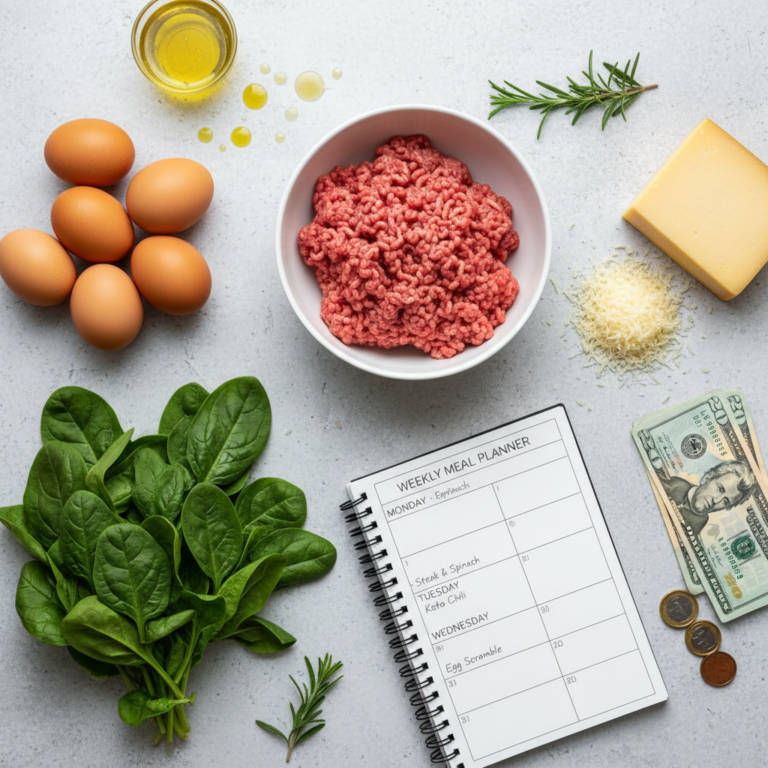
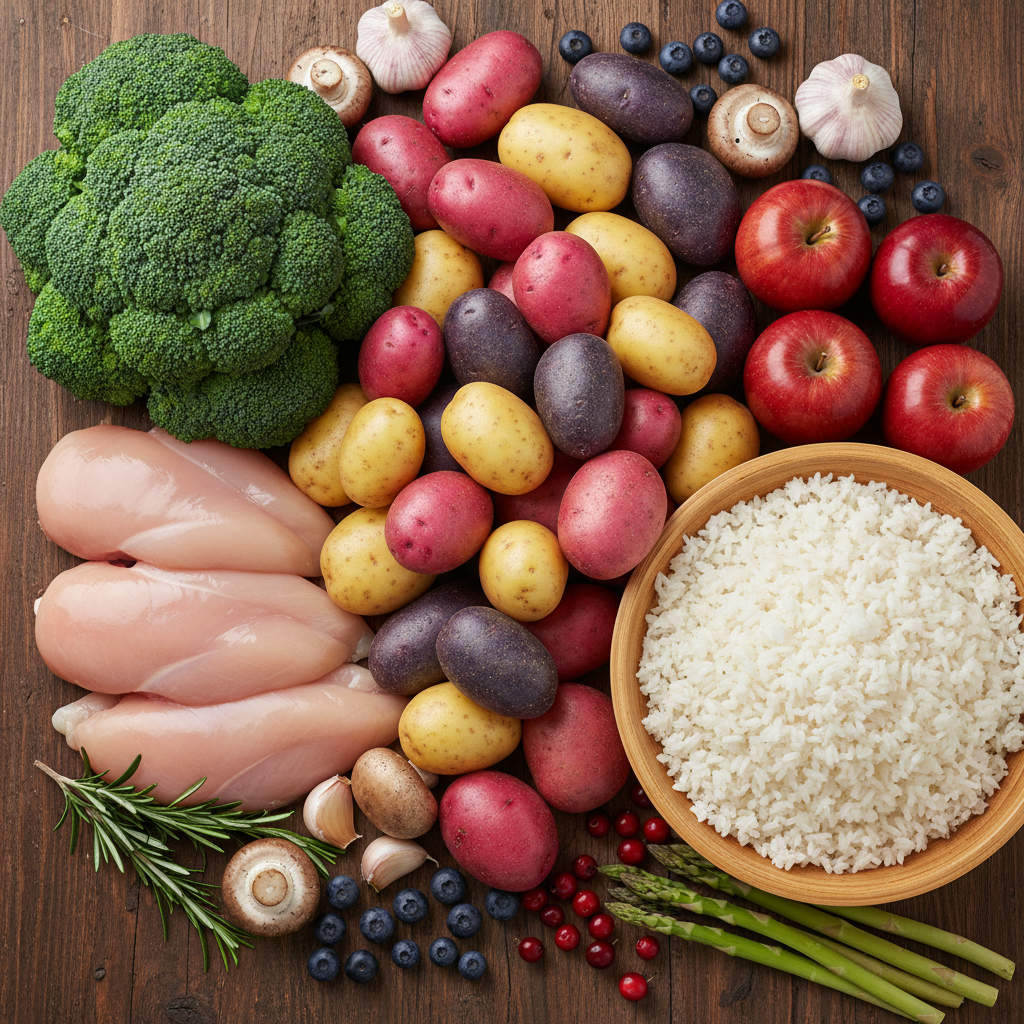
Your new mantra is: Eat naturally gluten-free foods. We’re talking about the stuff that never had gluten in the first place. Think about it: fruits, vegetables, meat, fish, eggs, nuts, seeds, rice, potatoes, corn, quinoa, beans. These are the building blocks of a healthy diet and a healthy budget. Your goal is to build 80-90% of your meals from these whole foods. The expensive, processed GF stuff becomes a ‘sometimes’ food, not a staple.
The Perimeter Rule
Stick to the outer edges of the grocery store. This is where you’ll find the fresh produce, the butcher counter, and the dairy section. It’s a simple hack that forces you to load your cart with whole foods before you even venture into the processed food minefield in the center aisles. You’ll eat healthier and your wallet will thank you.
The Real Cost of Convenience
Let’s look at the math. Say you want a simple spaghetti dinner. You could go the expensive replacement route or the smart, naturally GF route.
| Dinner Component | The ‘GF Replacement’ Cart | The ‘Naturally GF’ Cart |
|---|---|---|
| Main Base | 1 Box GF Spaghetti ($4.99) | 1 Large Spaghetti Squash ($3.50) |
| Protein | 1 lb Ground Beef ($5.00) | 1 lb Ground Beef ($5.00) |
| Sauce | 1 Jar Marinara ($3.00) | 1 Jar Marinara ($3.00) |
| Total Cost | $12.99 | $11.50 |
| Savings | – | $1.49 per meal |
It might not seem like a lot, but if you make swaps like this for just three meals a week, you’re saving over $230 a year. That’s real money. And honestly, spaghetti squash with a rich meat sauce is more delicious and nutritious anyway. It’s about shifting your perspective from what you *can’t* have to the huge variety of what you *can*.
Your Grocery Store Game Plan: Hunt, Gather, and Save
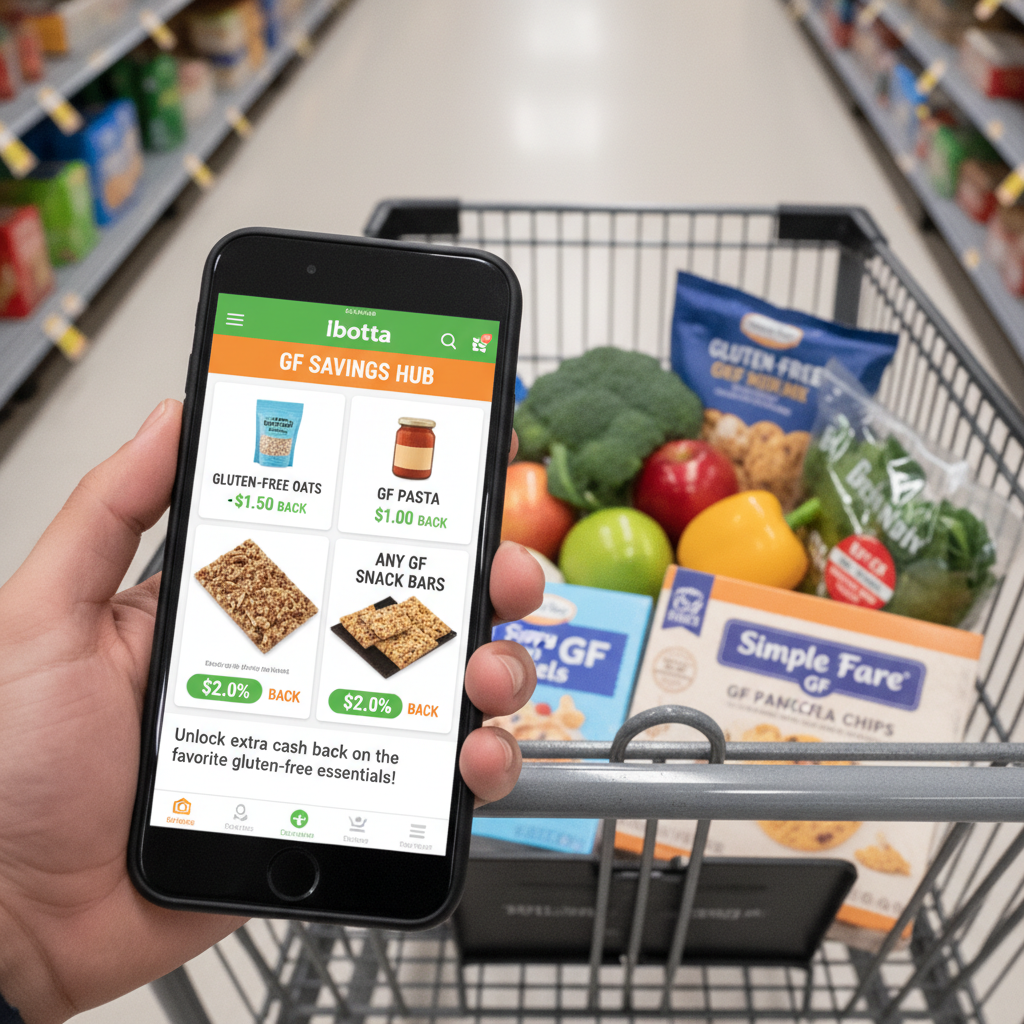
Once you’ve got the right mindset, it’s time to execute. A smart shopper is a rich shopper. Walking into a grocery store without a plan is like walking into a casino and hoping for the best—the house always wins. Here’s how you flip the odds in your favor.
Weaponize Your Smartphone
Your phone can be your biggest money-saving tool. Before you shop, get these apps and learn to use them:
- Store Apps: Download the app for your local grocery store (Kroger, Safeway, etc.). They have digital coupons you can ‘clip’ with a tap. Often, there are specific deals on GF products or whole foods.
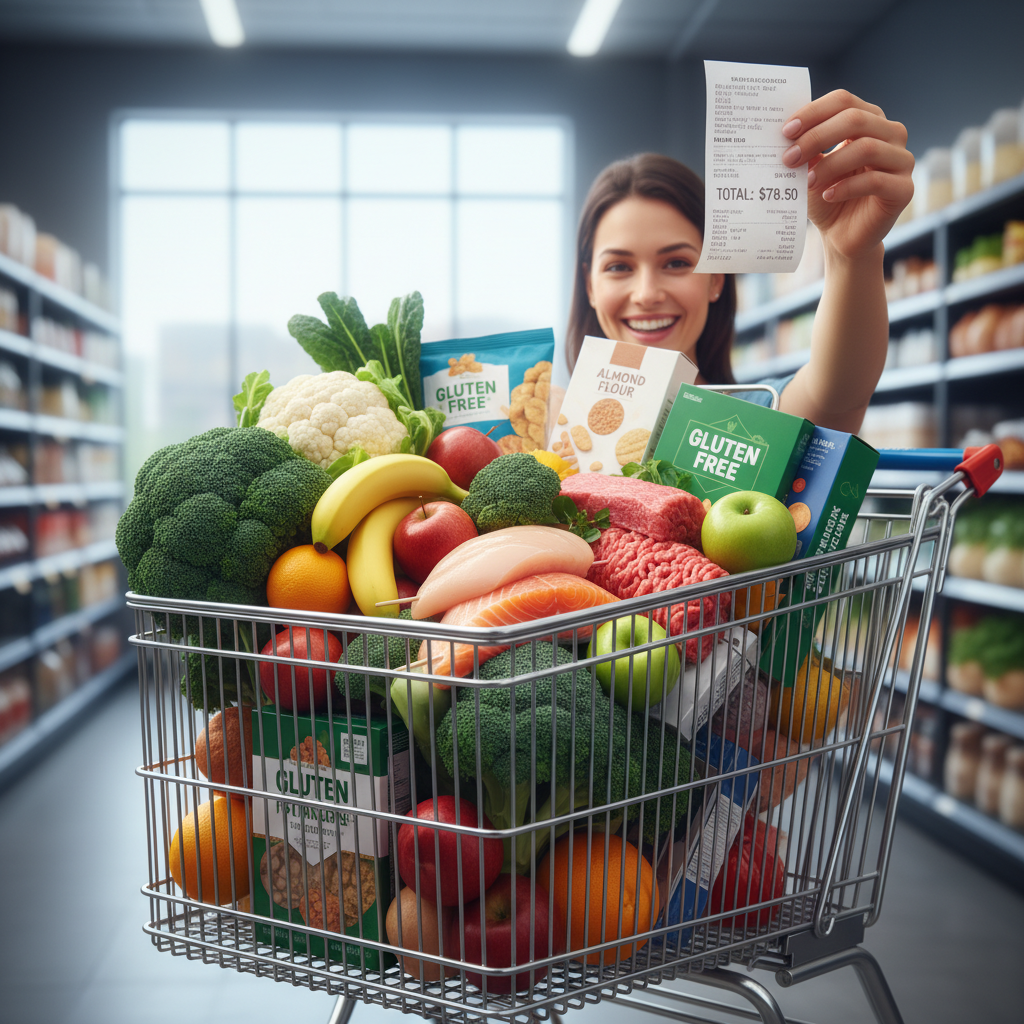
- Cash-Back Apps: Apps like Ibotta and Fetch Rewards give you real money back on your purchases. Scan your receipt after you shop, and watch the cash roll in. It’s a small hustle that adds up big over time.
Master the Markdowns
Every store has a clearance section. Find it. Befriend it. This is where you’ll find GF items that are nearing their ‘best by’ date or have slightly damaged packaging for a fraction of the cost. There’s nothing wrong with this food! Also, learn your store’s schedule. Ask an employee when they typically mark down produce or meat. Shopping on those days can score you 50% off or more.
Explore the Ethnic Aisles
The Asian and Hispanic food aisles are goldmines for frugal GF eaters. You can find massive bags of rice, rice noodles, corn tortillas, beans, lentils, and spices for way cheaper than their counterparts in the ‘mainstream’ or ‘health food’ aisles. A 10-pound bag of jasmine rice from the international aisle might cost the same as a tiny 2-pound bag from the organic section. Be smart.
Go Generic: Brand Loyalty is for Suckers
When you do need to buy a specialty GF product like pasta or flour, ditch the fancy brands. Store brands (like Kroger’s Simple Truth or Walmart’s Great Value) have massively expanded their GF offerings, and they are almost always cheaper and just as good. Your loyalty should be to your wallet, not a corporation.
| Product | Name Brand Price | Store Brand Price | Annual Savings (1 box/week) |
|---|---|---|---|
| GF Brown Rice Pasta | Barilla Gluten Free ($3.29) | Great Value Gluten Free ($1.98) | $68.12 |
| GF All-Purpose Flour | Bob’s Red Mill 1-to-1 ($5.49) | Kroger Gluten Free ($3.99) | $78.00 |
The Kitchen Hustle: Batch Cooking and DIY Staples
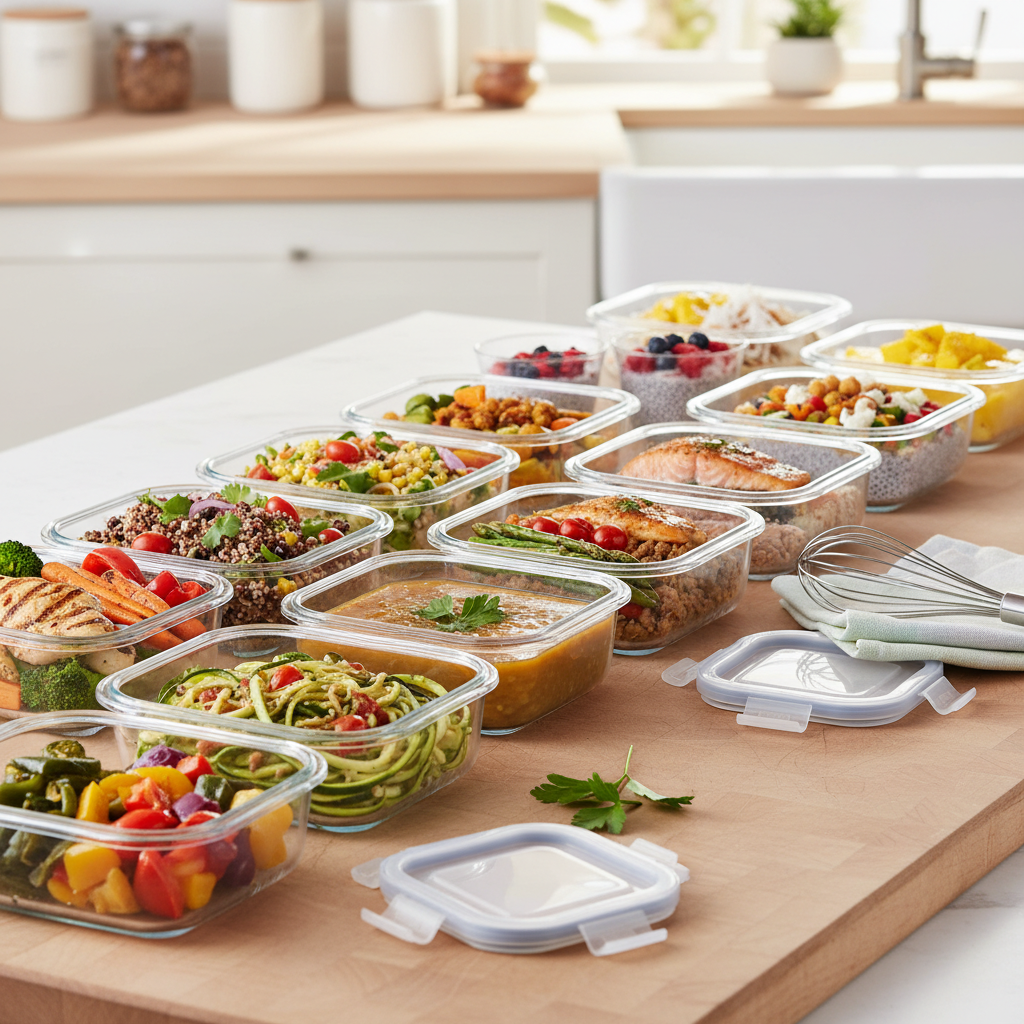
The cheapest restaurant in town is your own kitchen. Taking a little time to prep and cook at home is the ultimate power move for your budget and your health. This isn’t about becoming a gourmet chef; it’s about efficient, smart work that pays off all week long.
Become a Batch Cooking Boss
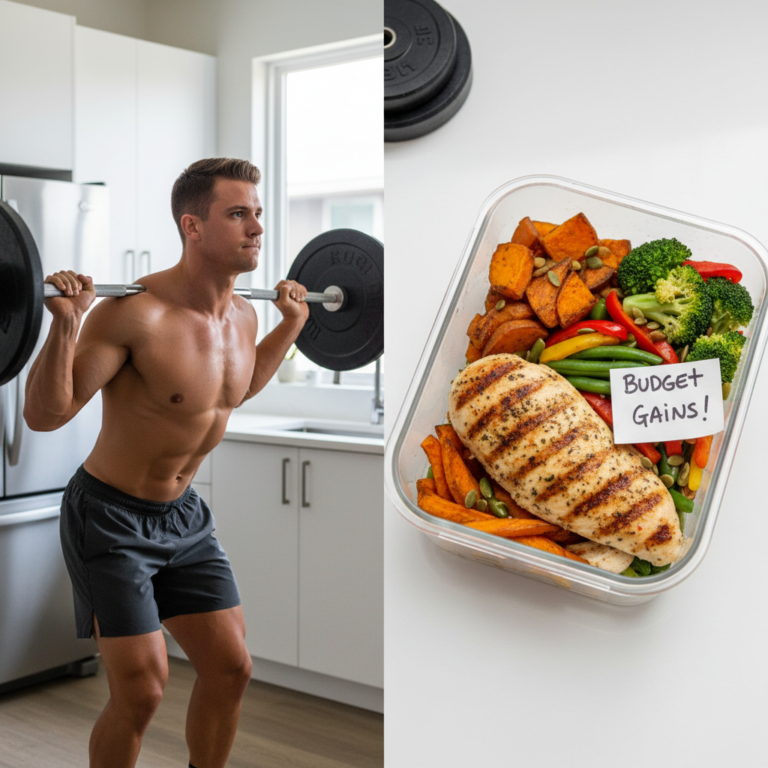
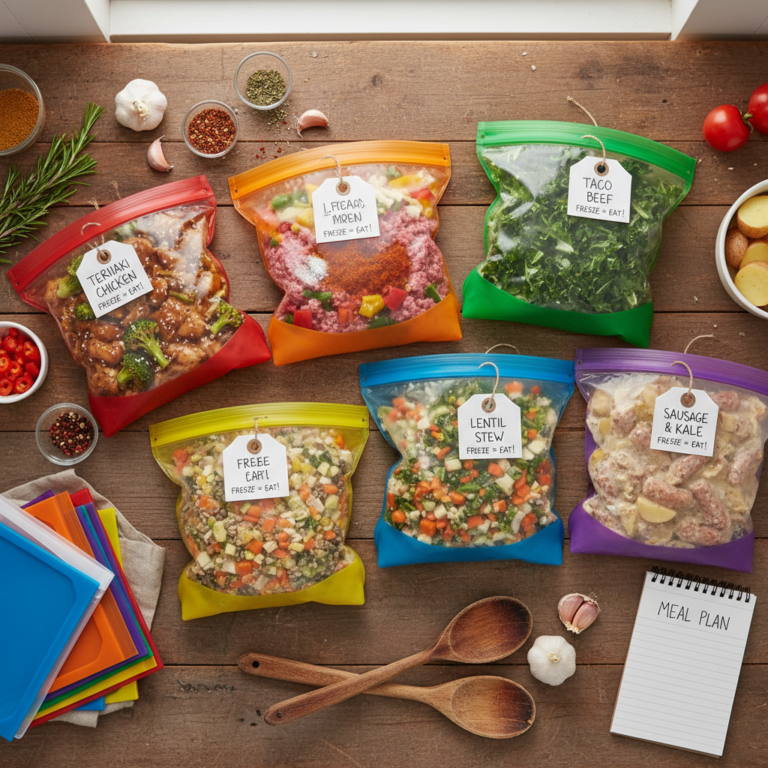
The concept is simple: Cook once, eat for days. Dedicate 2-3 hours on a Sunday to prep your food for the week. This saves you from making expensive, last-minute decisions when you’re tired and hungry.
- Cook Your Grains: Make a huge pot of rice, quinoa, or millet. Store it in the fridge to use as a base for bowls, a side for dinners, or to bulk up salads.
- Prep Your Protein: Grill a pack of chicken breasts, brown some ground turkey, or hard-boil a dozen eggs. Having ready-to-eat protein makes assembling meals a breeze.
- Chop Your Veggies: Wash and chop all your vegetables. Roast a big pan of broccoli, carrots, and bell peppers. You’re more likely to eat healthy when it’s convenient.
This strategy not only saves money by preventing food waste and takeout orders, but it also saves you precious time and mental energy during the busy week.
DIY Your Staples to Crush Costs
Many GF staples are shockingly easy and cheap to make yourself. You’re paying a massive premium for someone else to stir ingredients together in a factory.
Key Rule: If it comes in a fancy package and you can pour it, you can probably make it cheaper yourself.
Things like salad dressings, marinades, and spice blends are easy wins. But the biggest win? Making your own all-purpose GF flour blend. Pre-made blends are convenient, but you pay dearly for it.
| Ingredient (for DIY Blend) | Cost per Cup | Store-Bought Blend | Cost per Cup |
|---|---|---|---|
| Brown Rice Flour | ~$0.30 | Bob’s Red Mill 1-to-1 | ~$0.85 |
| Potato Starch | ~$0.45 | ||
| Tapioca Flour | ~$0.50 | ||
| DIY Total Cost/Cup | ~$0.42 |
By investing 10 minutes to mix these flours in a large container, you cut your cost by more than half. That’s a 50% savings on a core pantry staple. This is the kind of hustle that separates the broke from the brilliant.
Eating Out Without Selling Out: The Social Survival Guide

Your social life shouldn’t die just because you’re gluten-free and on a budget. But eating out is a minefield of high prices and hidden gluten. You need a strategy to navigate it without getting sick or broke.
Do Your Reconnaissance
Never walk into a restaurant blind. Use the internet as your weapon. Look up menus online beforehand to see if they have viable options. Call the restaurant during off-peak hours (like 3 PM) to ask about their GF protocols. You need to be your own advocate.
Script for Calling a Restaurant:
“Hi, I’m hoping you can help me. I have a medical need to eat strictly gluten-free due to celiac disease, which means I can’t have any wheat, rye, or barley. I was looking at your menu online and saw a few things that might work. Could you tell me how you handle gluten-free orders in the kitchen to prevent cross-contamination? For example, do you use a separate prep area or clean utensils?”
Their answer will tell you everything. If they sound confused or dismissive, it’s a hard pass. If they are knowledgeable and confident, you’ve found a good spot. This five-minute call can save you a night of sickness and a wasted $50.
Tactical Eating Strategies
- Eat a Snack First: Have a small, protein-rich snack before you go, like a handful of almonds or an apple. This prevents you from arriving ravenous and over-ordering expensive, less-safe items.
- Choose Your Cuisine Wisely: Some cuisines are naturally more GF-friendly. Mexican (corn tortillas, rice, beans), Thai (rice noodles, curries), and Vietnamese (rice paper rolls, pho) are often safer and cheaper bets than Italian or American pub fare.
- Focus on the Company: Remember why you’re there—to connect with people. Order a simple, safe entrée and make the conversation the main event. You don’t need a three-course meal to have a good time.
- Skip the Booze: Restaurant drinks have insane markups. A $12 cocktail can cost more than your meal. Stick to water and save your money for things that matter.
The Hidden Gluten Traps That Cost You Money (and Health)
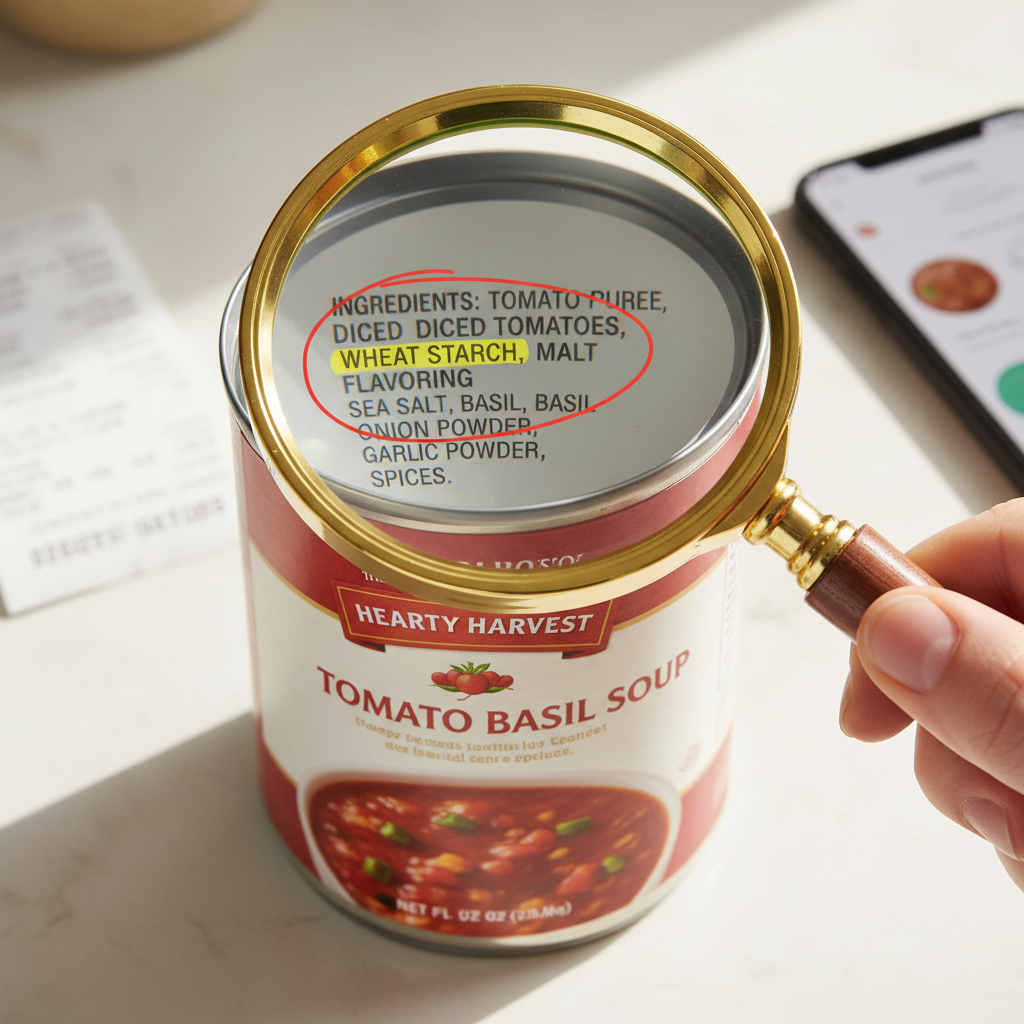
The final level of GF budget mastery is knowing what *not* to buy and where companies are trying to trick you. Being aware of these traps protects your health and your wallet.
The ‘Gluten-Free’ Label Scam
Walk down the aisle and you’ll see it: ‘Gluten-Free’ slapped on products that never contained gluten in the first place. Gluten-free water, gluten-free salt, gluten-free bananas. This is a marketing gimmick called ‘health-washing.’ Companies know the GF label allows them to charge a premium. Don’t fall for it. If a food is naturally gluten-free, don’t pay extra for a fancy sticker that tells you what you already know.
Watch for Hidden Gluten in Cheap Foods
Sometimes, trying to save money can backfire if you’re not careful. Manufacturers often use cheap, gluten-containing fillers in processed foods. Be a label detective and watch out for:
- Sauces and Soups: Canned soups, soy sauce, and salad dressings often use wheat flour as a thickener.
- Processed Meats: Sausages, hot dogs, and meatballs can contain wheat-based fillers.
- Spices: Some cheap spice blends use wheat flour or starch to prevent caking. Buy single-ingredient spices whenever possible.
- ‘Natural Flavors’: This vague term can sometimes hide barley-based flavorings. If a product isn’t certified GF, be wary.
Getting accidentally ‘glutened’ isn’t just bad for your health; it can lead to lost productivity, medical bills, and other costs. Reading labels vigilantly is a free insurance policy.
Scam Warning: Miracle Cures and Overpriced Supplements
Be extremely skeptical of any product, pill, or supplement online that claims to ‘cure’ celiac disease or gluten sensitivity, or that allows you to ‘cheat’ and eat gluten without consequences. These are often expensive, unregulated, and completely ineffective scams preying on your desire for a normal life. The only proven, safe strategy is a strict gluten-free diet. Don’t waste your money on snake oil.
Conclusion
Going gluten-free isn’t a financial death sentence. It’s an invitation to get smarter, more creative, and more in control of your food and your finances. You’re not just a consumer; you’re a hacker. You know how to work the system, where the deals are hidden, and which ‘rules’ are meant to be broken. By focusing on real food, planning like a pro, and hustling in the kitchen, you can crush your health goals without crushing your budget. You’ve got the playbook now. Go out there and own it.