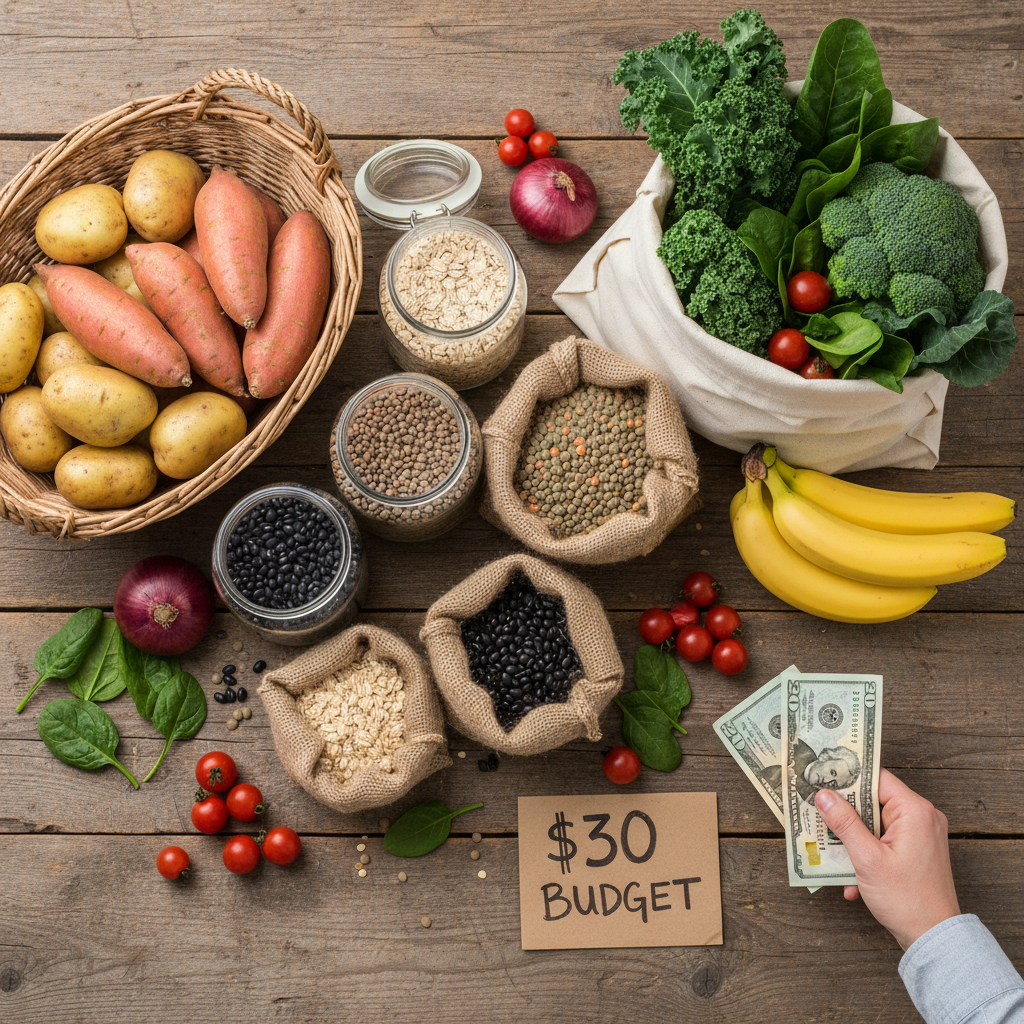
Go Vegan for $30 a Week: The Ultimate Cheap Plant-Based Grocery List
Let’s cut the crap. You’ve heard the noise: “Going vegan is expensive.” It’s a myth pushed by fancy brands selling $8 cartons of oat milk and $12 veggie burgers. That’s not real life. That’s a marketing gimmick designed to drain your bank account. The real secret? Eating a plant-based diet is one of the most powerful financial hacks you can pull off. It’s about getting back to basics—real food, real savings, real results.
Forget the bougie health food stores. We’re about to arm you with a street-smart strategy to eat like a king on a pauper’s budget. This isn’t about deprivation; it’s about empowerment. We’re giving you the ultimate cheap plant-based grocery list and the game plan to turn $30 into a week’s worth of delicious, healthy meals. Get ready to take control of your kitchen and your finances.
The Mindset Shift: Why ‘Vegan’ Doesn’t Mean ‘Broke’
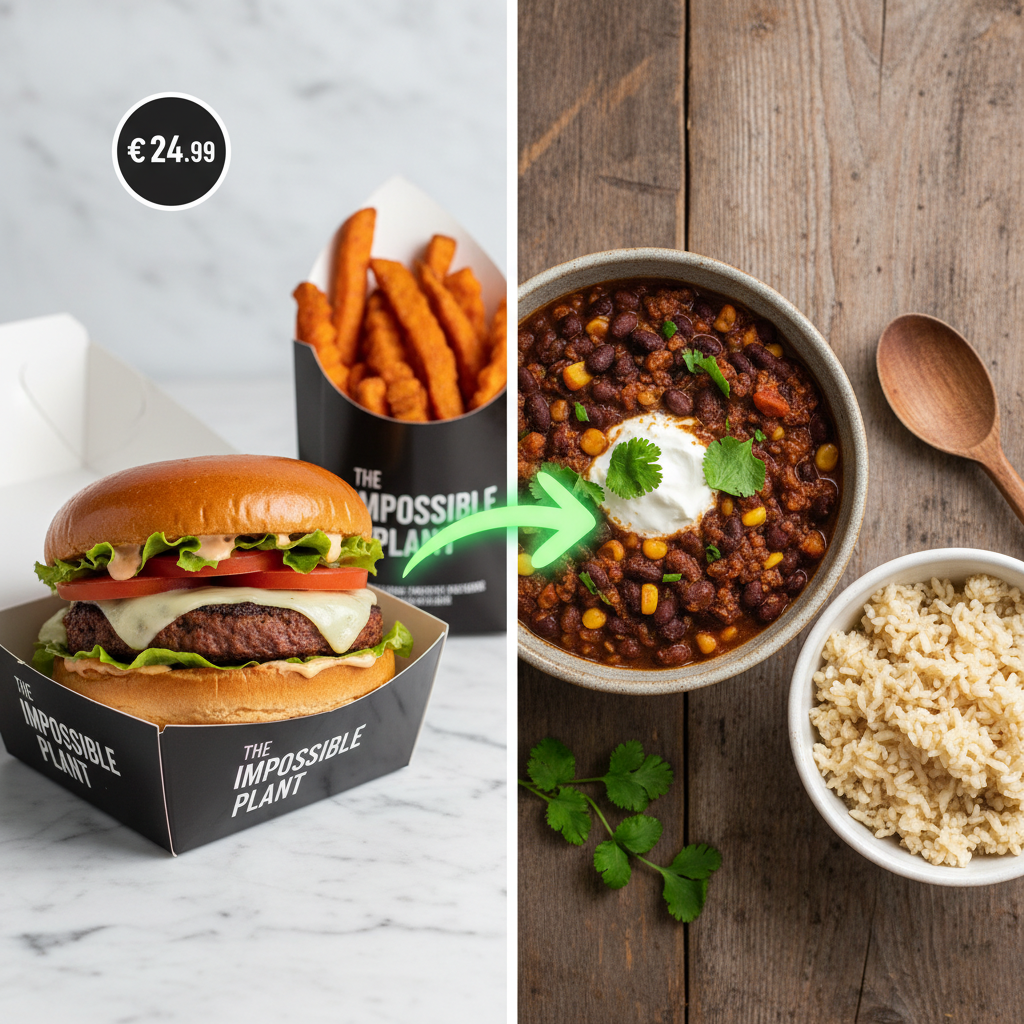
First things first, we need to rewire your brain. The moment you hear “vegan,” your mind probably jumps to expensive meat substitutes, artisanal cheeses made from cashews, and pre-packaged meals with fancy labels. That’s the trap. The vegan industrial complex wants you to believe that the only way to ditch meat is to buy their overpriced, highly processed products. That’s a hard pass from us.
The frugal hacker’s approach to plant-based eating is completely different. We focus on the cheapest, most nutrient-dense foods on the planet—foods that have been staples for civilizations for thousands of years. We’re talking about legumes, grains, tubers, and seasonal vegetables. These aren’t trendy ‘superfoods’; they’re the foundation of a budget-proof diet.
The Two Paths: The Wallet-Drainer vs. The Money-Saver
- The Expensive Path: This involves swapping every animal product with a direct, processed substitute. A $10 pack of Beyond Burgers, $7 vegan cheese shreds, $6 almond creamer. This path will absolutely wreck your budget and leave you wondering why you ever started.
- The Street-Smart Path: This is our path. It’s about building meals from the ground up using whole ingredients. Instead of a processed veggie burger, you make a hearty lentil soup. Instead of pricey vegan cheese, you learn to make a killer cashew-free cream sauce with potatoes and carrots. It’s about cooking smart, not just buying substitutes.
By shifting your focus from what you’re replacing to what you’re building, you unlock insane savings. You’re no longer a consumer falling for marketing; you’re a savvy cook in complete control of your ingredients and your spending.
The $30 Arsenal: Your Core Grocery List
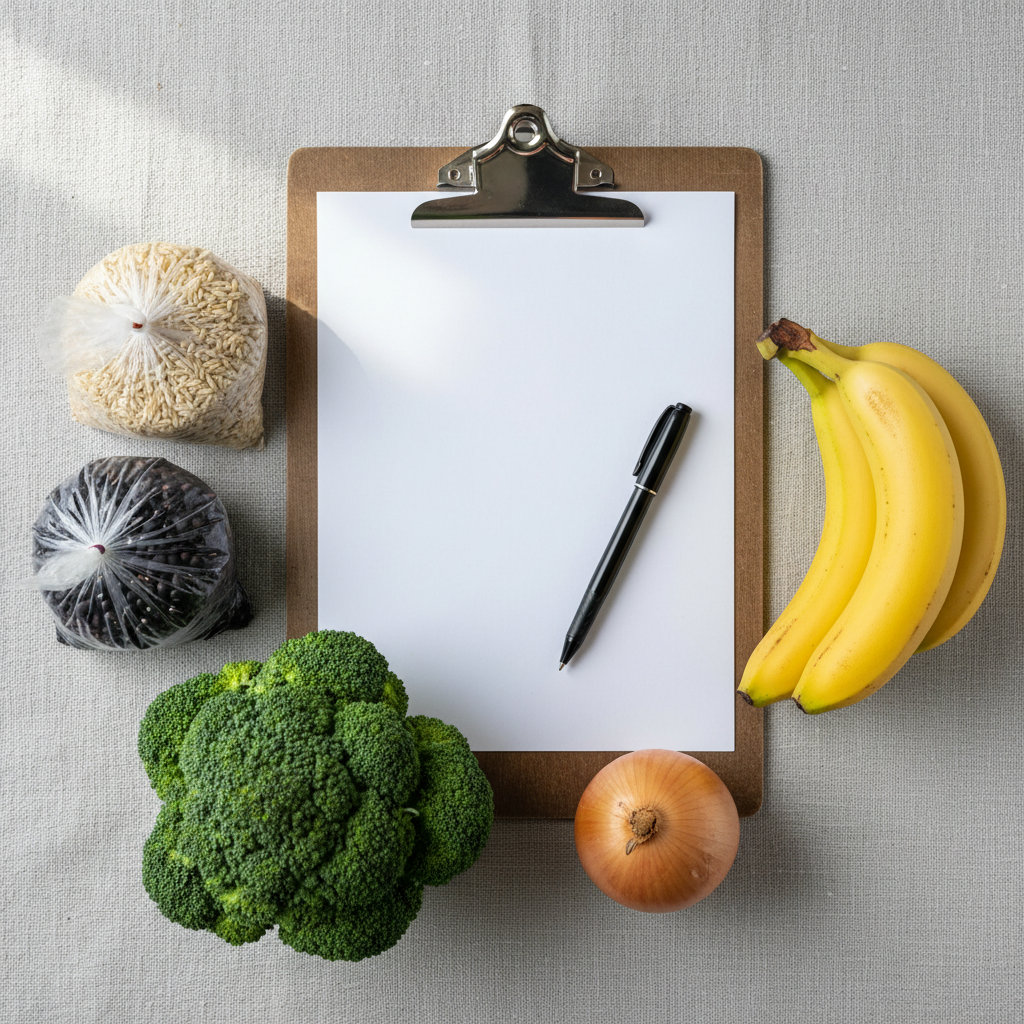
This is your blueprint. This is the list that will carry you through the week without breaking the bank. The prices are estimates and will vary based on your location and store (we highly recommend discount grocers like Aldi, WinCo, or your local ethnic market), but this framework is solid. The key is to stick to the list and avoid the siren call of the snack aisle.
Remember, we’re building a pantry of staples. Many of these items, like rice and oats, will last you longer than a week, making your second and third weeks even cheaper. This is about building momentum.
| Category | Item | Estimated Cost | Notes |
|---|---|---|---|
| Legumes | 1 lb Dried Black Beans | $1.50 | Makes 6+ cups cooked. Way cheaper than canned. |
| Legumes | 1 lb Dried Lentils (Brown or Green) | $1.50 | The MVP of cheap protein. Perfect for soups and stews. |
| Grains | 2 lbs Brown Rice | $2.00 | A staple that will last you more than one week. |
| Grains | 1 container (18oz) Rolled Oats | $2.50 | Your breakfast for the entire week, sorted. |
| Produce (Veggies) | 3 lb bag Yellow Onions | $2.50 | The flavor base for almost every meal. |
| Produce (Veggies) | 1 head of Garlic | $0.75 | Essential for flavor. |
| Produce (Veggies) | 5 lb bag Potatoes (Russet or Yukon) | $3.50 | Incredibly versatile and filling. |
| Produce (Veggies) | 1 lb bag Carrots | $1.00 | Great for snacks, soups, and roasting. |
| Produce (Veggies) | 1 bunch Spinach or Kale | $2.00 | Get those greens in. Choose whichever is on sale. |
| Produce (Veggies) | 1 head of Broccoli or Cauliflower | $2.50 | A versatile veggie for roasting or steaming. |
| Produce (Fruits) | 1 bunch Bananas (~3 lbs) | $2.00 | Perfect for breakfast, snacks, or dessert. |
| Produce (Fruits) | 3 lb bag Apples or Oranges | $3.50 | Choose the seasonal fruit that’s cheapest. |
| Pantry | 1 can (28oz) Crushed Tomatoes | $1.50 | For sauces, soups, and chili. |
| Pantry | 1 loaf Whole Wheat Bread | $2.00 | For toast and sandwiches. |
| Pantry | 1 jar Peanut Butter | $1.75 | A great source of protein and healthy fats. |
| TOTAL: | $30.00 |
The Game Plan: A Sample 7-Day Meal Plan
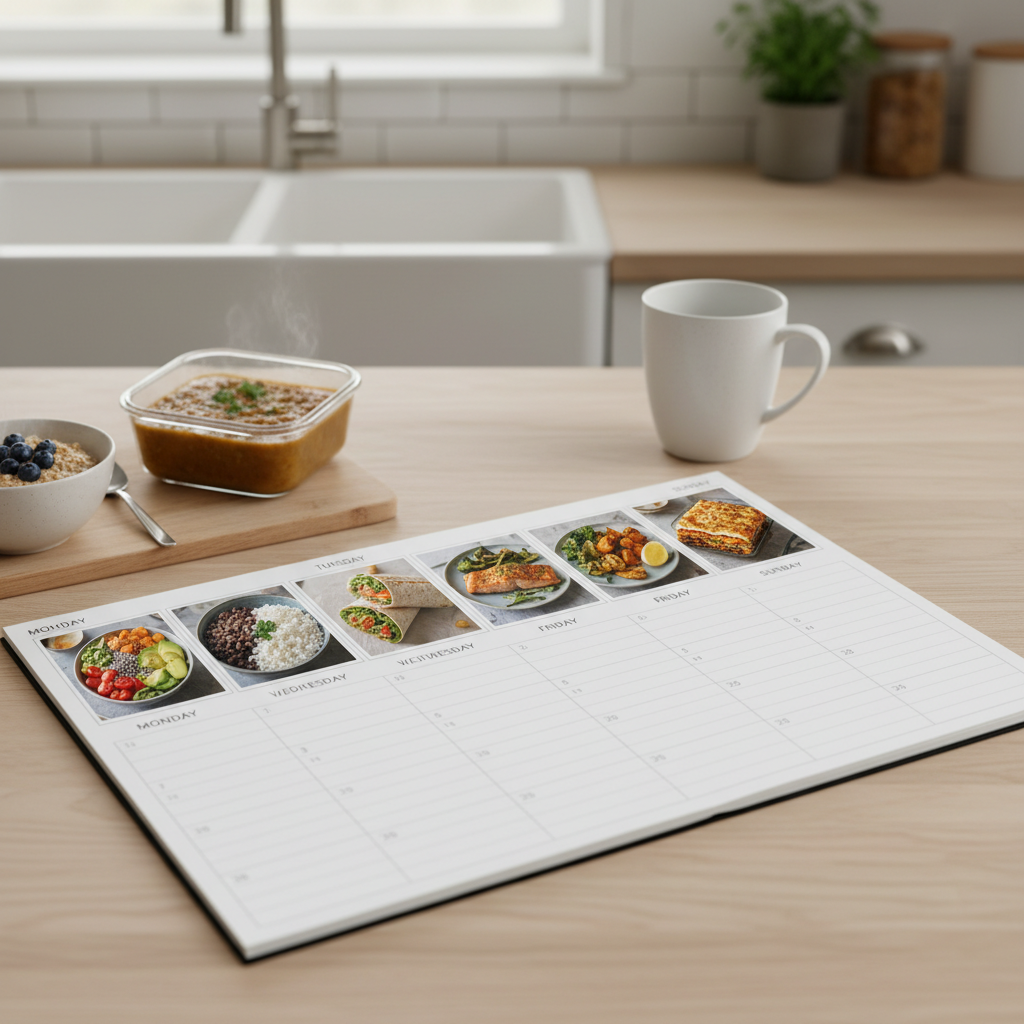
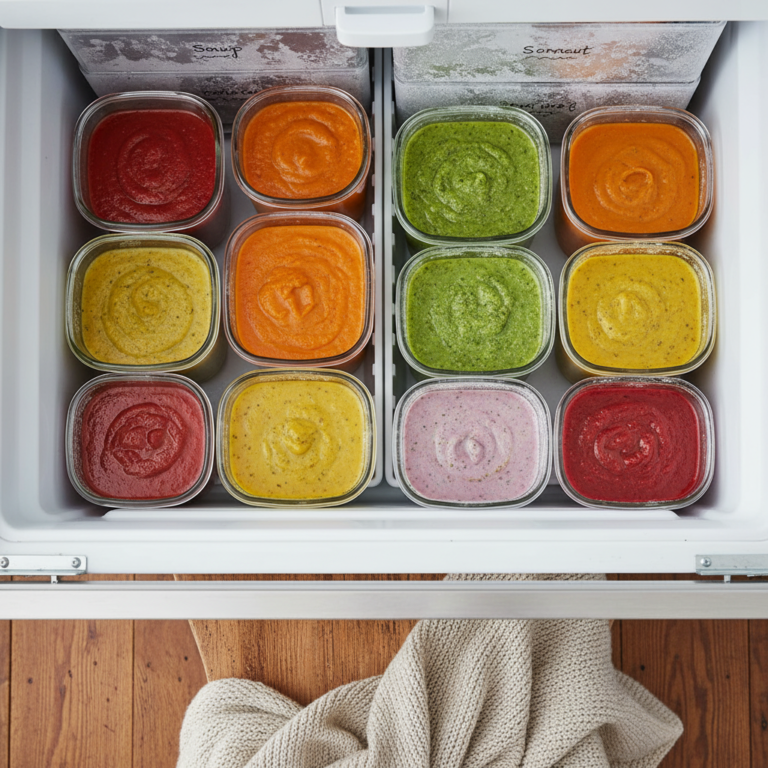
Having a list is one thing; knowing what to do with it is another. A game plan prevents food waste and decision fatigue. Here’s a simple, no-fuss meal plan using only the ingredients from your $30 arsenal. The theme is ‘Cook Once, Eat Twice (or Thrice)’.
Breakfast (Every Day)
Oatmeal with Banana & Peanut Butter: It’s cheap, filling, and takes 5 minutes to make. This provides consistent energy to start your day without you having to think about it.
Lunches & Dinners (Mix & Match)
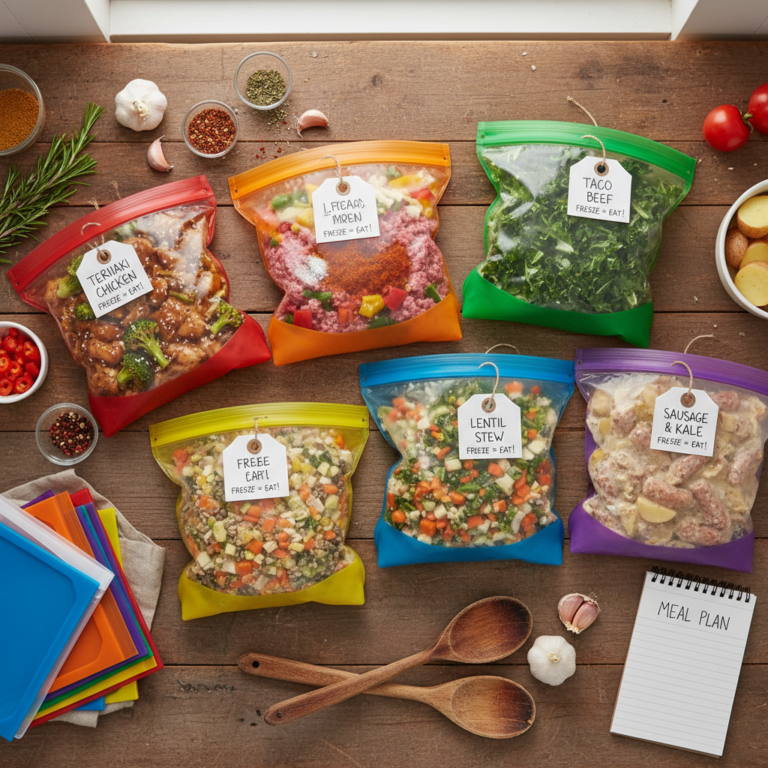
The strategy here is to make big batches of a few core meals and rotate them. You’re not a short-order cook; you’re a meal-prep master.
- Big Batch Lentil Soup:
Sauté one chopped onion and a few cloves of garlic. Add the entire bag of lentils, 8 cups of water or vegetable broth (make your own from veggie scraps for free!), a few chopped carrots, and a bay leaf if you have one. Simmer for 40-50 minutes. This will make at least 4-6 servings for lunches or dinners. - Black Bean & Rice Bowls:
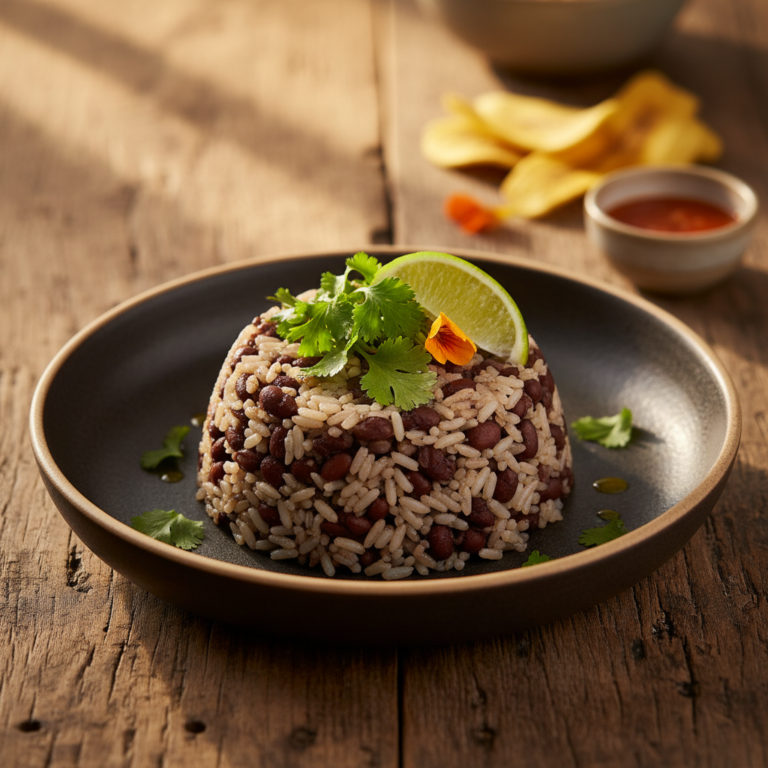
Cook up a big batch of your black beans (soak them overnight first!) and brown rice. For each meal, serve a scoop of rice and beans, topped with some steamed spinach or broccoli. You can add a simple sauce made from a little water, soy sauce (a pantry staple), and garlic powder. This is your go-to for a quick, high-protein meal. Makes 4-6 servings. - Roasted Potatoes & Veggies:
Chop up your potatoes, remaining carrots, and broccoli/cauliflower. Toss with a little oil (a basic pantry item), salt, pepper, and garlic powder. Roast at 400°F (200°C) for 30-40 minutes until crispy. This is a perfect, hearty dinner and the leftovers are great. - Simple Tomato Sauce Pasta (if you have pasta):
If you swap the bread for a box of pasta (often the same price), you can make a simple sauce. Sauté onion and garlic, add the can of crushed tomatoes, and simmer with salt, pepper, and any dried herbs you have. Serve over pasta.
Snacks
Your snacks are built-in: Apples, Oranges, and Bananas. A piece of toast with peanut butter also works perfectly for a quick energy boost.
The Math: How This $30 Plan Crushes Your Old Grocery Bill

This is where the magic happens. Let’s run the numbers and see how this street-smart strategy translates into cold, hard cash in your pocket. According to recent data, the average American on a ‘moderate’ food budget spends around $93 per week on groceries. The ‘thrifty’ plan is still around $57. Our $30 plan isn’t just thrifty; it’s a financial weapon.
Let’s compare our plan to a conservative average weekly grocery spend of $80 per person. This isn’t an extreme number; it’s a realistic figure for someone buying a mix of takeout, convenience foods, and standard groceries.
| Time Period | Average Grocery Bill | Frugal Vegan Bill | YOUR SAVINGS |
|---|---|---|---|
| Weekly | $80 | $30 | $50 |
| Monthly | $320 | $120 | $200 |
| Yearly | $4,160 | $1,560 | $2,600 |
Look at that last number. That’s $2,600 a year. What could you do with an extra $2,600? That’s enough to max out a Roth IRA contribution for the year for many people, pay off a credit card, build a serious emergency fund, or fund your next side hustle. This isn’t about just scraping by; it’s about reallocating a massive chunk of your income towards your financial goals, all by changing what you put in your grocery cart.
Pro-Level Hacks to Stretch Your $30 Even Further
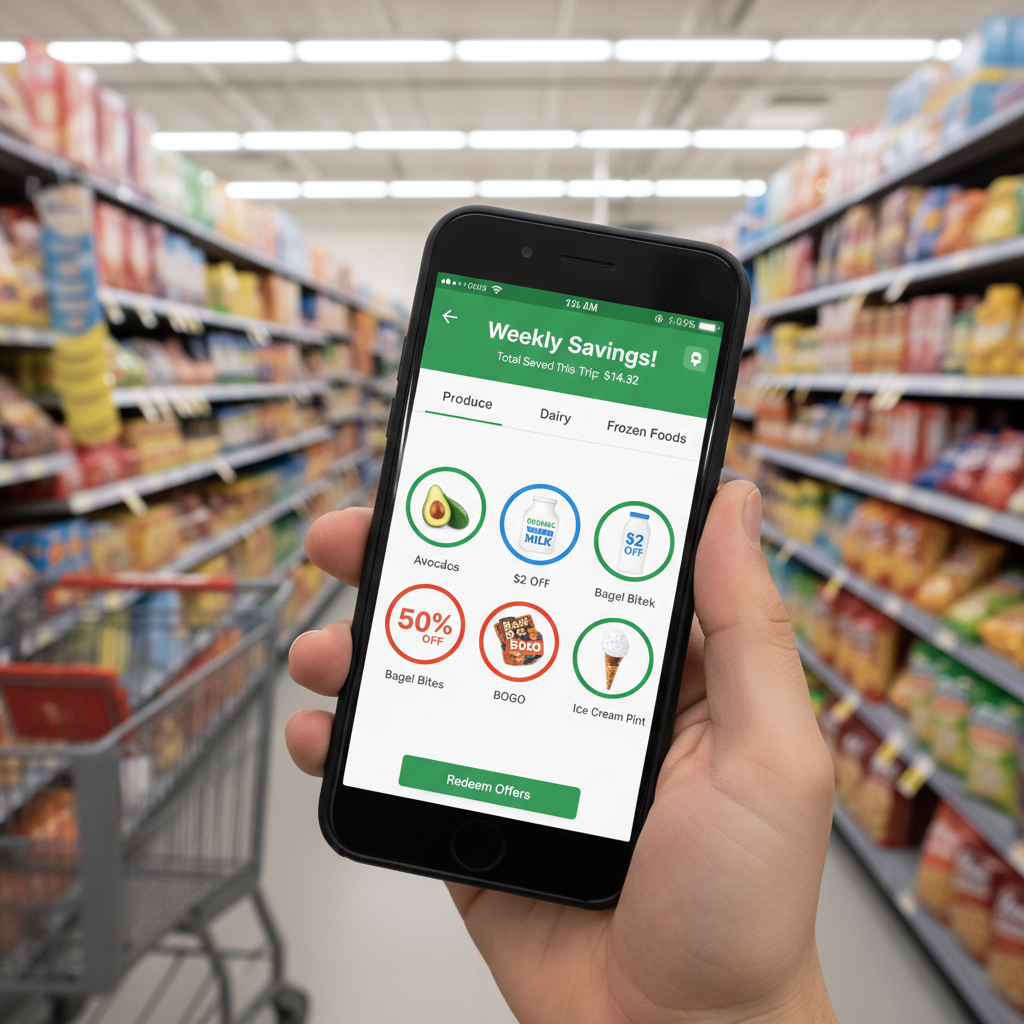
Once you’ve mastered the basic $30 list, you can start playing the game on expert mode. These hacks will help you lower your bill even more or add more variety to your diet without increasing your budget.
- Embrace ‘Ugly’ Produce: Many stores have a discount section for produce that’s slightly bruised or misshapen. It’s perfectly good to eat and often 50% off or more.
- Hit Up Ethnic Markets: Asian, Hispanic, and Indian grocery stores are goldmines for cheap staples. You can often find massive bags of rice, dried beans, spices, and unique vegetables for a fraction of the price of a conventional supermarket.
- Use a Price-Tracking App: Use an app like Flipp to browse all your local grocery flyers in one place. You can build your list around what’s on deep discount that week. See potatoes for $1.50 a bag? Grab those instead of the full-price sweet potatoes.
- Cook Beans from Scratch: We put this on the list, but it’s worth repeating. A can of beans costs about $1.00 for 1.5 cups. A $1.50 bag of dried beans makes over 6 cups. The savings are massive over time. It’s a non-negotiable hack.
- Regrow Your Scraps: Don’t throw away the ends of green onions, celery, or lettuce hearts. You can place them in a shallow dish of water on your windowsill and they’ll regrow for a free, continuous harvest.
Scam Warning: The ‘Health Halo’ Trap
Beware of products that scream ‘vegan,’ ‘organic,’ or ‘gluten-free’ on a fancy package. Often, these are just buzzwords to justify a ridiculous price tag. A $7 bag of kale chips is still just chips. A $5 ‘plant-based’ candy bar is still just candy. Read the ingredients and the price tag, not the marketing hype. Real health and real savings are in the produce aisle, not the snack aisle.
Conclusion
There you have it. The myth is busted. Eating vegan isn’t a financial sacrifice; it’s a secret weapon for your budget. For $30 a week, you can eat healthy, delicious food that fuels your body and frees up your cash to build the life you want. This isn’t a diet; it’s a declaration of financial independence. You’re taking control, rejecting overpriced marketing, and making your money work for you, one grocery trip at a time.
So, what’s the next step? Don’t just read this and forget it. Take the list. Walk into the store with confidence. Buy the food. Cook the meals. At the end of the week, look at your receipt, look at your bank account, and feel the power of that choice. You’ve got this.