
Cash is Dead? The Best Apps to Digitize the Envelope System for Easy Saving
Let’s get real. The classic cash envelope system is a legend for a reason. It forces you to see exactly where your money is going. When the ‘Eating Out’ envelope is empty, you’re cooking at home. Simple. Powerful. But in 2024? It’s a total pain. Who carries that much cash anymore? How do you use an envelope for your Amazon order or your Netflix subscription? The world went digital, and our budgeting methods need to catch up.
If you’ve been letting money slip through the cracks because the old system doesn’t fit your life, listen up. This isn’t about ditching the discipline; it’s about upgrading the tools. We’re talking about the game-changing world of digital envelope system apps. They give you the same iron-fisted control over your spending categories without the bulky pockets, the risk of losing cash, or the awkward fumbling at the checkout. It’s time to stop guessing where your money went and start telling it exactly where to go. This guide is your new playbook.
The OG Envelope System: Why It Worked and Why It’s a Pain Now

The psychology behind the cash envelope system is brilliant. It taps into a basic human trait: we feel the pain of loss more when it’s physical. Handing over a crisp $20 bill for a pizza hurts more than tapping a plastic card. That friction makes you think twice. It forces you to be intentional with every dollar.
For decades, this was the gold standard for anyone serious about getting out of debt or saving for something big. It worked because it was:
- Tangible: You could literally see your ‘Fun Money’ for the month dwindling.
- Finite: Once the cash was gone, it was gone. No swiping your way into overdraft.
- Simple: No complicated spreadsheets or software. Just cash, envelopes, and discipline.
But let’s face it, the modern world has thrown a wrench in the works. The system’s biggest strengths have become its biggest weaknesses.
The Modern-Day Headaches of a Cash-Only System
- Inconvenience: Constantly running to the ATM is a time-suck. And what happens when you’re at a ‘card-only’ food truck?
- Safety Risks: Walking around with hundreds of dollars in your bag is just asking for trouble. If you lose an envelope, that money is gone forever.
- The Online Shopping Black Hole: How do you pay for online purchases? You can’t. This forces you to have a separate, untracked system for digital spending, which completely defeats the purpose.
- Manual Tracking Nightmare: Splitting receipts and keeping track of every penny across different envelopes is tedious and easy to mess up.
The principle is still solid gold, but the execution is rusty. We need the same power, but built for the world we actually live in.
The Heavy Hitters: Top Apps to Replace Your Paper Envelopes
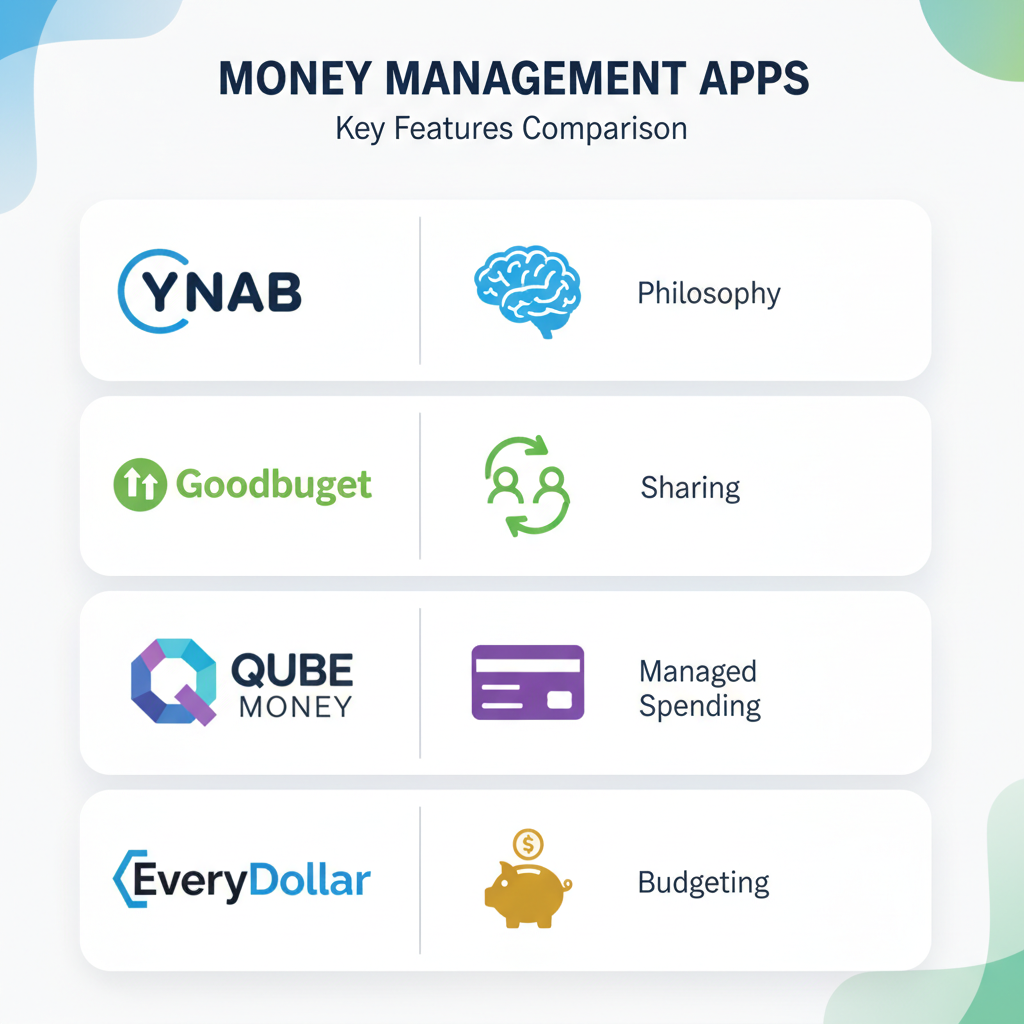
Alright, this is where the magic happens. We’re not just looking for any budgeting app; we’re looking for true digital envelope systems that force you to assign every dollar a job before you spend it. These are the top contenders that bring the old-school discipline into the digital age.
1. YNAB (You Need A Budget)
Best For: The hardcore budgeter who wants total control and is ready to change their relationship with money. YNAB is less of an app and more of a lifestyle. Its philosophy is built on four rules, with ‘Give Every Dollar a Job’ being the core tenet. You only budget the money you have right now, which is a game-changer for breaking the paycheck-to-paycheck cycle. It has a steep learning curve, but its followers are fiercely loyal for a reason. It works.
- Key Feature: The ‘Give Every Dollar a Job’ philosophy. It syncs with your bank accounts, but it forces you to manually assign every incoming dollar to a category (envelope).
- Pros: Incredibly powerful, excellent educational resources, helps you age your money and get ahead.
- Cons: Steepest learning curve, subscription-based (no free version after the trial).
2. Goodbudget
Best For: Beginners and families who want a simple, straightforward digital envelope system without all the bells and whistles. Goodbudget is the most direct digital translation of the physical envelope system. You manually input your income and then fill your digital envelopes. It doesn’t link to your bank accounts in the free version, forcing you to be mindful and manually track your spending. This can be a pro or a con depending on your style.
- Key Feature: Simple, manual envelope filling. It’s designed for intentional budgeting and is great for couples who want to share a budget.
- Pros: Has a functional free version, easy to understand, great for syncing between partners.
- Cons: Manual transaction entry can be tedious, no automatic bank syncing in the free tier.
3. Qube Money
Best For: The real-time spender who needs the spending block *before* the purchase. Qube is unique. It combines a budgeting app with its own debit card. Your money sits in a central ‘Vault,’ and you can’t spend a dime until you open the app and move money into a specific spending ‘Qube’ (envelope). When you go to buy coffee, you open the app, tap your ‘Coffee’ Qube, and the card is instantly funded with that amount for a short period. It’s the ultimate in forced mindfulness.
- Key Feature: The real-time funding debit card. It makes it impossible to overspend in a category.
- Pros: Prevents overspending before it happens, automates the discipline.
- Cons: Requires using their debit card, adds an extra step before every purchase.
4. EveryDollar
Best For: Followers of Dave Ramsey’s ‘Baby Steps’ and those who prefer a zero-based budget. Created by the Ramsey Solutions team, EveryDollar is built around the zero-based budgeting concept where your income minus your expenses equals zero each month. It’s clean, simple, and guides you along the Ramsey path to getting out of debt and building wealth. The free version requires manual entry, while the premium version (Ramsey+) syncs with your bank.
- Key Feature: Seamless integration with the ‘Baby Steps’ financial plan.
- Pros: Very user-friendly interface, great for debt-snowball tracking.
- Cons: A bit preachy if you’re not a Ramsey fan, bank syncing is a paid feature.
| App | Best For | Key Feature | Pricing (Approx.) |
|---|---|---|---|
| YNAB | Hardcore, all-in budgeters | ‘Give Every Dollar a Job’ Philosophy | $99/year (after 34-day free trial) |
| Goodbudget | Beginners & Couples | Simple, Manual Envelope Filling | Free version available; Plus plan is $8/month |
| Qube Money | Real-Time Spenders | Debit Card with Real-Time Funding | Free version available; Premium plan is $8/month |
| EveryDollar | Dave Ramsey Followers | Zero-Based Budgeting & ‘Baby Steps’ | Free version available; Premium is $80/year |
The Math That Matters: How Digital Envelopes Turbocharge Your Savings
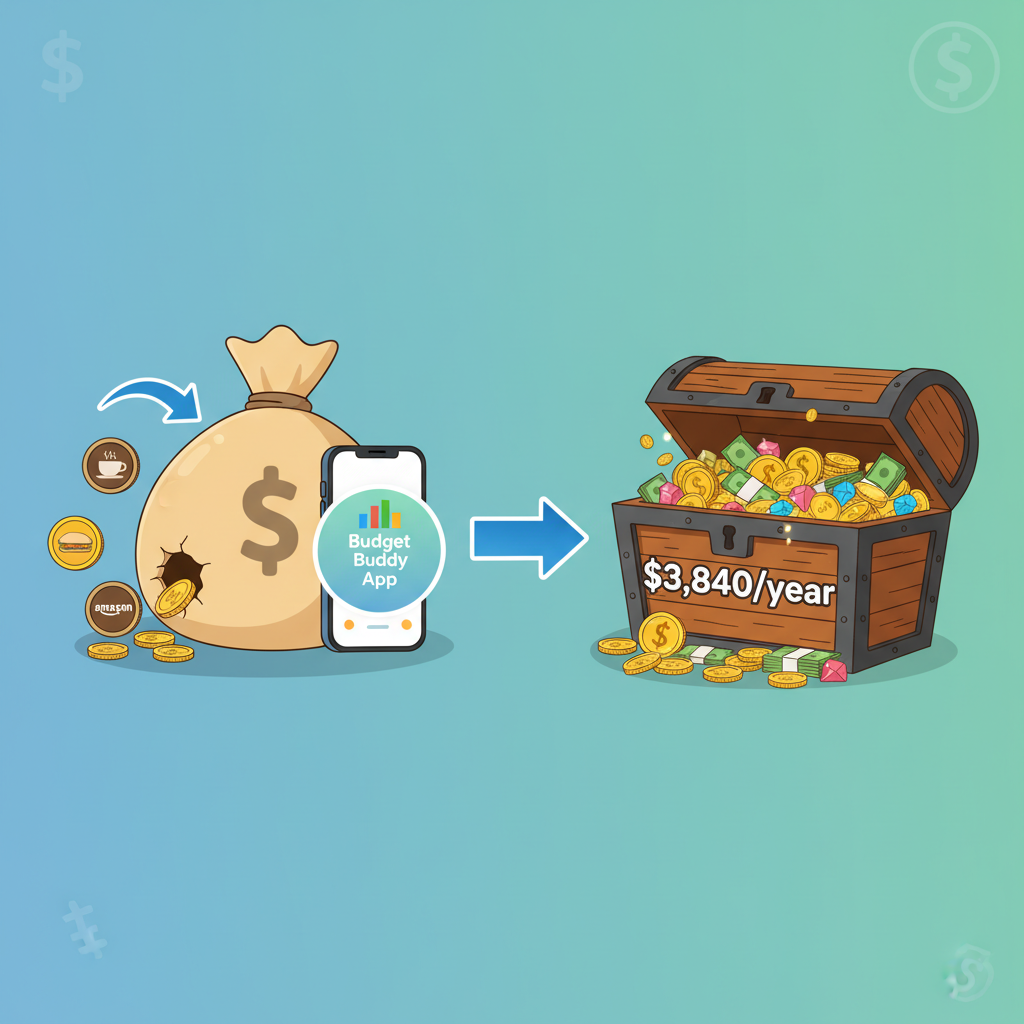
This all sounds great, but let’s talk numbers. This isn’t just about organizing your money; it’s about finding and keeping more of it. The biggest drain on any budget is the small, mindless purchases that add up. The $6 coffee, the $15 lunch you forgot to pack, the $30 impulse buy on Amazon. A digital envelope system puts a hard stop to this.
Let’s run a scenario. Meet Alex. Alex is a side hustler who makes decent money but never knows where it goes. After tracking their spending for two weeks, they discover the leaks:
- Eating Out & Coffee: Overspending by an average of $50 per week.
- Random Subscriptions & Online Shopping: Overspending by an average of $30 per week.
That’s $80 a week, or about $320 a month, vanishing into thin air. It doesn’t feel like a lot in the moment, but the annual cost is staggering.
The Digital Envelope Intervention
Alex decides to use a digital envelope app. They set a firm, realistic budget:
- ‘Eating Out’ Envelope: Funded with $75/week.
- ‘Shopping’ Envelope: Funded with $50/week.
The app is now the gatekeeper. When the ‘Eating Out’ envelope is empty on Friday, the app won’t authorize more spending from that category. Alex has to make a conscious choice: either cook at home or move money from another category (like ‘Savings Goals’), feeling the direct impact of that decision.
The Results After One Year
By sticking to the digital envelopes, Alex stops the mindless overspending. The $80 a week leak is plugged.
- Monthly Savings: $80/week x 4 weeks = $320 per month
- Annual Savings: $320/month x 12 months = $3,840 per year
That’s nearly $4,000. That’s a debt paid off, a vacation funded, or a massive boost to an emergency fund—all recovered from money that was previously being wasted. That’s the power of putting a digital barrier between your impulses and your wallet.
Your 5-Step Battle Plan to Launch Your Digital Envelope System

Ready to take control? Don’t just download an app and hope for the best. Follow this battle plan to set yourself up for a win from day one.
- Step 1: Conduct Recon (Track Your Spending). You can’t make a budget if you don’t know where your money is actually going. For one or two weeks, track every single penny. Use a notebook or a free tracking app. Be honest and don’t judge. This is just data collection. You need to know your enemy—mindless spending.
- Step 2: Draft Your Budget (Create Your Envelopes). Look at your spending data and your income. Now, start creating your digital envelope categories. Start with the big four: Housing, Utilities, Food, and Transportation. Then move to debt payments, savings goals, and finally, variable spending like ‘Fun Money’, ‘Clothing’, and ‘Hobbies’. Assign a realistic dollar amount to each. This is your zero-based budget.
- Step 3: Choose Your Weapon (Pick Your App). Based on the breakdown above, pick the app that fits your personality. Are you a hardcore data nerd? YNAB. A beginner who wants simplicity? Goodbudget. Someone who needs a hard stop on spending? Qube Money. Download it and link your accounts if necessary.
- Step 4: Fund Your Envelopes (Give Every Dollar a Job). This is the most crucial step. When your paycheck comes in, open your app and assign every single dollar to an envelope until you have $0 left to budget. Your income for the month should exactly match the total amount you’ve put into your envelopes. Now your money has its marching orders.
- Step 5: Execute and Adapt (Stick To It & Review). Check your app *before* you spend. If you’re at the grocery store, check the ‘Groceries’ envelope. If the money isn’t there, you can’t spend it. At the end of the month, review what worked and what didn’t. Did you overspend on gas? Maybe that envelope needs more funding next month, which means you have to take from another category. This is a living document, not a financial prison. Adjust as needed, but always stick to the rule: give every dollar a job.
Key Rule: If you overspend in one category, you MUST move money from another category to cover it. You can’t just ignore it. This forces you to make trade-offs and truly own your financial decisions.
Conclusion
The idea that ‘cash is dead’ doesn’t mean the discipline it taught us has to die with it. The envelope system was never about the paper; it was about intention. It was about creating purposeful friction to make you a conscious spender, not a financial zombie.
By moving this powerful strategy to an app on your phone, you get the best of both worlds: the rigid discipline of the old school combined with the convenience and automation of the new. You’re building a fortress around your financial goals, and your smartphone is the gatekeeper. Stop letting your hard-earned money disappear into a digital fog. Pick your tool, draw your battle lines, and start telling your money who’s boss. The freedom you’ll gain is worth way more than the cash you used to carry.