

The 5 Newest Money Scams Draining Bank Accounts (Don’t Click That Link)
Listen up. That little buzz from your phone isn’t just a notification anymore—it’s a potential raid on your bank account. The game has changed. The old, clunky scams with bad grammar are being replaced by slick, sophisticated hustles powered by AI and psychology. They’re designed to hit you where you’re most vulnerable: your family, your job, and your fear of missing out.
Scammers aren’t just after big-money targets; they’re coming for side hustlers, budget-conscious families, and anyone trying to make their dollars stretch. They know that for us, every penny counts, and losing even $100 can derail a whole month’s budget. They’re counting on you being busy, stressed, or just a little too trusting. But that stops today.
This isn’t another boring list of ‘don’t talk to strangers’ advice. This is your new-school security briefing. We’re breaking down the five most cunning, account-draining scams hitting people right now. We’ll show you exactly how they work, what red flags to look for, and how to build a digital fortress around your hard-earned cash. It’s time to stop being a target and start being a gatekeeper.
Scam #1: The AI Voice Cloning ‘Family Emergency’ Hustle
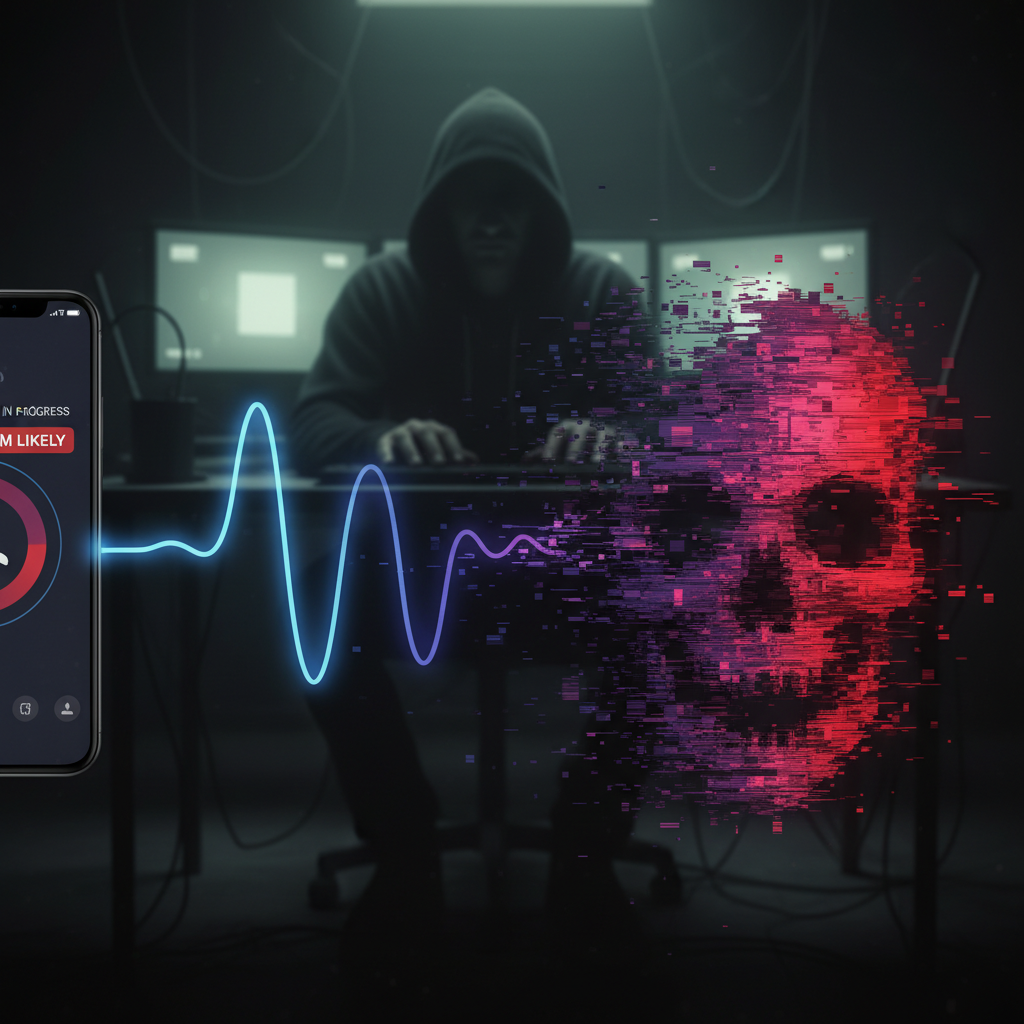
This one is pure psychological warfare. Scammers used to just pretend to be a grandchild in trouble. Now, they can sound exactly like them. Thanks to artificial intelligence, all a scammer needs is a few seconds of audio from a social media video or a public post to create a chillingly accurate clone of your loved one’s voice.
How The Hustle Works
You get a frantic call from an unknown number. The voice on the other end is a perfect match for your son, daughter, or spouse. They’re panicked, maybe crying. They say they’ve been in an accident, arrested, or are in some kind of immediate danger. The story is designed to short-circuit your rational brain and trigger a pure, emotional response. Before you can think, they’re telling you they need money wired immediately for bail, medical bills, or to a ‘lawyer’ who then gets on the phone. They’ll insist on secrecy: ‘Don’t tell Mom and Dad, they’ll worry!’ This isolates you and prevents you from verifying the story.
Scam Warning: The Red Flags
The scammer’s entire strategy relies on RUSHING you. They don’t want you to hang up. They don’t want you to think. Look for these signs:
- Extreme Urgency: They demand money ‘right now’ and create a life-or-death scenario.
- Specific Payment Methods: They’ll push for non-traceable, non-reversible payments like wire transfers, cryptocurrency, or gift card codes. Real institutions don’t ask for bail money in Apple gift cards.
- Insistence on Secrecy: Any plea to ‘not tell anyone’ is a massive red flag designed to keep you from calling the person they’re impersonating.
Your Defensive Play
Establish a ‘safe word’ or a ‘code question’ with your immediate family. It can be something silly or personal, like ‘What’s the name of our first goldfish?’ or the code word ‘Pineapple.’ If a real emergency happens, they use the word. If the caller can’t answer the question or give the word, you hang up and block the number. Immediately call your loved one back on their known phone number (not the one that called you) to confirm they’re safe.
Scam #2: The ‘Dream Job’ Onboarding Trap

This scam is a direct attack on the side hustle community. Scammers post legitimate-looking remote job offers on major job boards. They look professional, offer great pay, and promise flexible hours—everything a hustler is looking for. The entire interview and hiring process happens online, and you feel like you’ve finally landed that perfect gig.
How The Hustle Works
After you’re ‘hired,’ the fake HR department tells you that you need specific equipment to do your job—a new laptop, special software, etc. To make it easy, they’ll mail you a check for, say, $2,500. They instruct you to deposit it immediately and then send the money to their ‘approved tech vendor’ to order your supplies. Here’s the trap: the check is fake. It looks real, and your bank will even make the funds available in your account within a day or two. You, thinking the money is cleared, send your own very real $2,500 to their ‘vendor’ (which is just the scammer’s account). A week later, the bank discovers the check is fraudulent and claws the full amount back from your account. You’re now out $2,500, and your ‘new job’ ghosts you.
Scam Warning: The Red Flags
Legitimate companies do not operate this way. Ever.
- Paying for Your Own Job: A real employer will never ask you to use your own money to buy equipment, especially via a convoluted check-cashing scheme. They ship you the gear directly, period.
- Overpayment on a Check: If they send you a check for more than what’s needed and ask you to send the difference back or to someone else, it’s a 100% guaranteed scam.
- Pressure to Act Fast: They’ll create urgency around ordering the equipment so you send the money before the bank has time to officially reject the fraudulent check.
Your Defensive Play
Never, ever accept a check from a new employer for supplies. If a company needs you to have specific equipment, they should provide it. Period. Research the company thoroughly. Look for a physical address, a real website (not one created last week), and professional reviews. If the entire hiring process feels rushed and is conducted exclusively over messaging apps like Telegram or Signal, walk away.
Scam #3: The QR Code Payment Swap
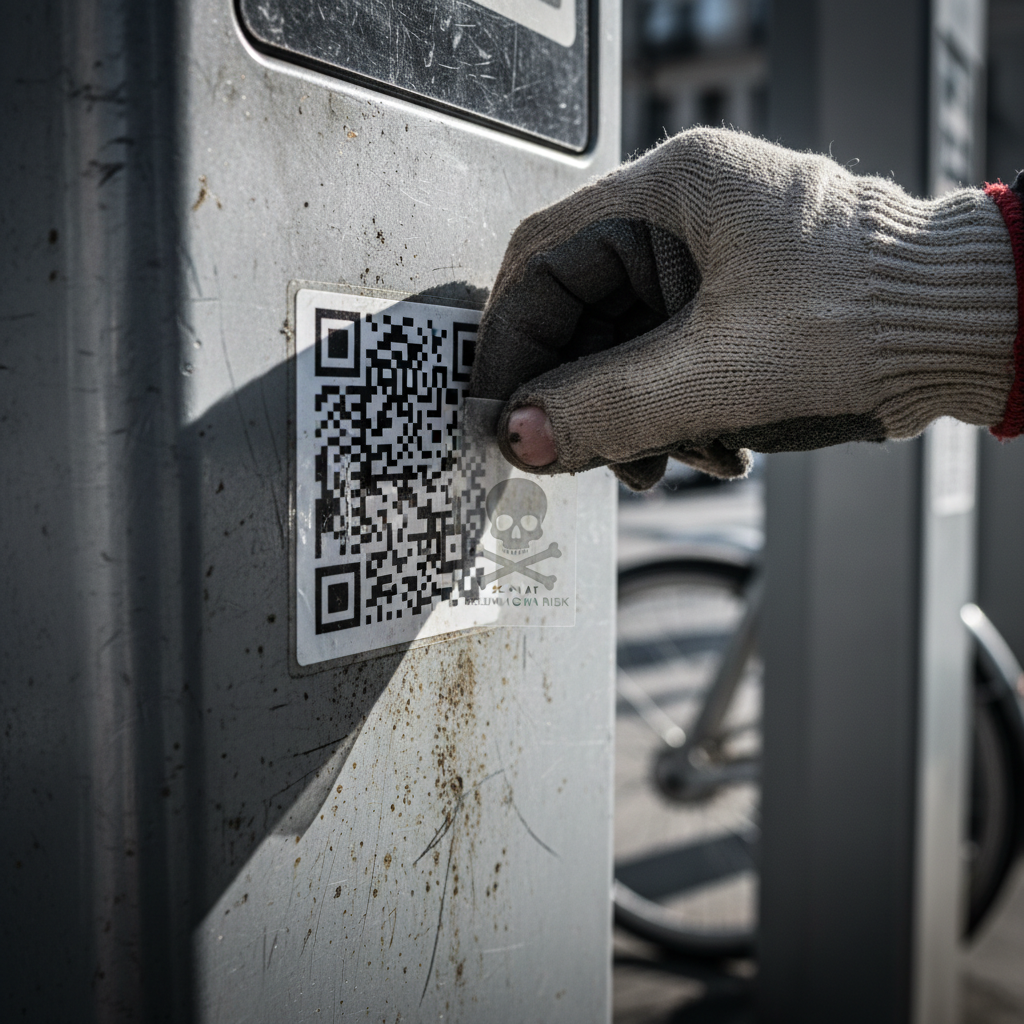
We love a good hack, and QR codes feel like one—a fast, easy way to pay for parking, order at a restaurant, or get a discount. But that convenience is a wide-open door for scammers. This scam is brilliantly simple and blends the physical and digital worlds, catching even tech-savvy people off guard.
How The Hustle Works
Scammers print their own QR code stickers and physically place them over legitimate ones in public places. Think about it: a sticker on a parking meter, on a menu at a cafe, or on a poster for an event. You scan what you think is the official code to pay for your parking or your coffee. Your phone opens a website that looks identical to the real payment portal. You enter your credit card information and hit ‘Pay.’ The screen might show an error, making you think it didn’t work. But it did. You just sent your payment and your full credit card details directly to a scammer. They now have your money and your info to use for other fraudulent purchases.
Scam Warning: The Red Flags
Physical tampering is the key here. Develop an eye for what’s out of place.
- Feel the Sticker: Before you scan, run your finger over the QR code. If it’s a sticker placed on top of another sign or code, be suspicious.
- Check the URL: After you scan, but BEFORE you enter any information, look at the web address at the top of your browser. Does it look legitimate? Or is it a jumbled mess of letters and numbers, or a slightly misspelled version of the real company’s name (e.g., ‘ParkMobil’ instead of ‘ParkMobile’)?
- Unprofessional Design: Does the payment page look cheap or have spelling errors? Reputable companies invest in professional web design.
Your Defensive Play
Be skeptical of public QR codes. If you have the option, use a dedicated app or tap-to-pay instead. When you do scan a code, meticulously inspect the URL it sends you to. If anything feels off, close the window and find another way to pay. Report the tampered code to the business so others don’t fall for the same trap.
Scam #4: The ‘Crypto Recovery Agent’ Double-Dip

This is one of the most predatory scams out there because it targets people who have already been victimized. Losing money, especially in a confusing crypto investment scam, is devastating. Victims are often ashamed, desperate, and looking for any glimmer of hope. Scammers know this and circle back like vultures.
How The Hustle Works
After a person posts online about being scammed out of their cryptocurrency—on Reddit, Twitter, or a support forum—they are soon contacted by a ‘Crypto Recovery Expert,’ a ‘Blockchain Investigator,’ or a ‘Hacker for Hire.’ This person sounds incredibly knowledgeable and empathetic. They claim to have special tools or insider connections that can trace the stolen crypto and get it back. All they need is an upfront ‘fee’ or ‘tax’ to start the recovery process, usually a few hundred to a few thousand dollars. Once the desperate victim pays the fee, the ‘recovery agent’ vanishes, and the victim is scammed a second time.
Scam Warning: The Red Flags
Hope is a powerful drug, and these scammers are dealing it. Be brutally realistic.
- Unsolicited Contact: Anyone who contacts you out of the blue promising to recover lost funds is a scammer. Full stop.
- Guarantees of Recovery: Stolen cryptocurrency is virtually impossible to recover. Anyone who guarantees they can get it back is lying.
- Upfront Fees: A demand for payment before any services are rendered is the core of the scam. They will create a story about needing to pay ‘blockchain taxes’ or ‘wallet syncing fees’—it’s all fiction.
Your Defensive Play
The hard truth is that once crypto is sent to a scammer’s wallet, it’s gone. Do not engage with anyone who contacts you offering recovery services. Report the initial scam to the proper authorities, like the FBI’s Internet Crime Complaint Center (IC3), but do not throw good money after bad. Your best defense is to warn others in those same forums that these recovery scammers exist and will target anyone posting about a loss.
Scam #5: The Urgent ‘Utility Shut-Off’ Text (Smishing)
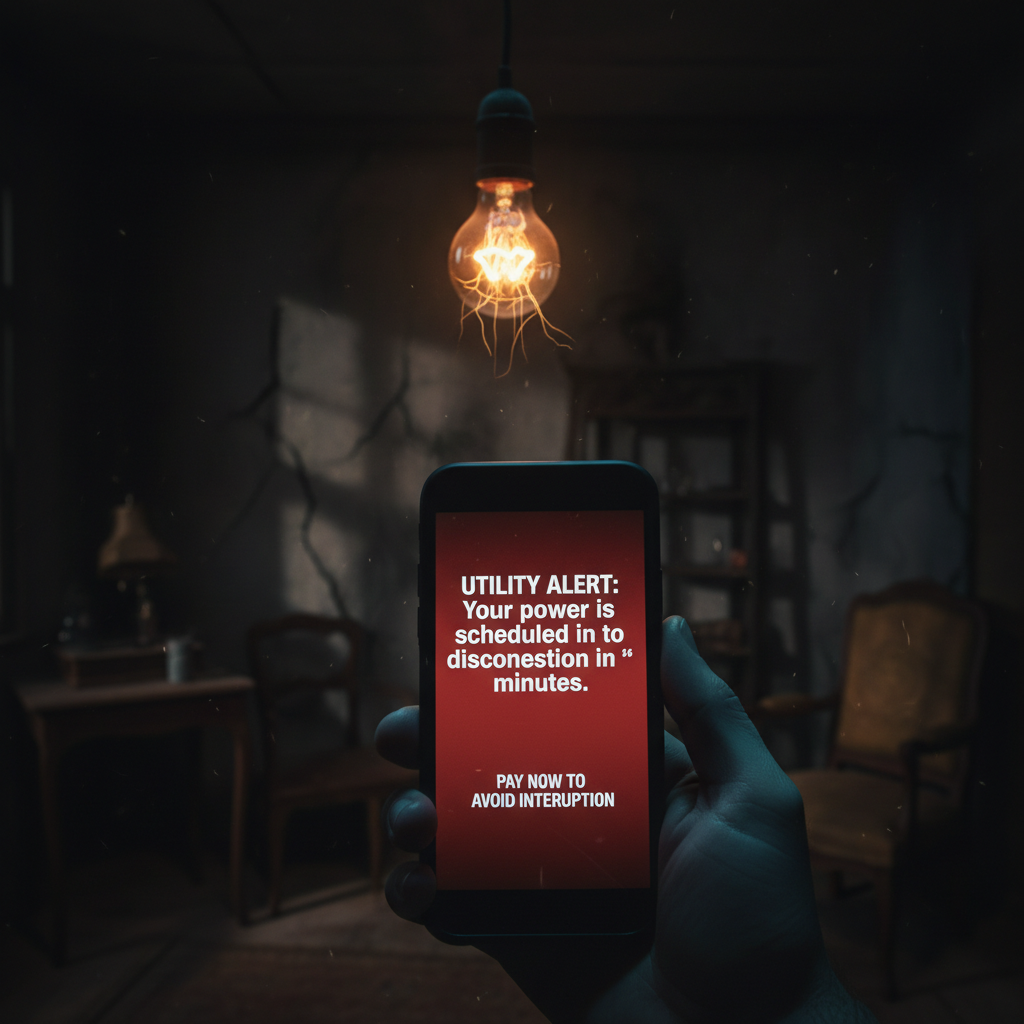
Smishing—phishing via SMS text—is exploding because it feels more personal and urgent than an email. This scam preys on the everyday fear of having your lights or water turned off. It’s designed to make you panic and act without thinking.
How The Hustle Works
You receive a text message, seemingly from your local utility company. It’s branded with their name and looks official. The message claims your account is past due and that your service is scheduled for disconnection in the next 30-60 minutes. It says to avoid the shut-off, you must immediately click the link provided and make a payment. The link takes you to a convincing, but completely fake, copy of your utility company’s website. You log in with your username and password (which they now steal) and enter your credit card information to pay the ‘bill’ (which goes straight to their pocket). You’ve just handed them your login credentials and your financial details in one fell swoop.
Scam Warning: The Red Flags
Utility companies have strict procedures, and this isn’t one of them.
- Threats via Text: Official utility companies will send multiple notices via mail or email long before they threaten immediate disconnection. A single, urgent text is not standard procedure.
- Suspicious Links: Never trust a link in an unexpected text. Scammers use link-shortening services (like bit.ly) or create URLs that are close to the real one.
- High-Pressure Tactics: The phrase ‘immediate disconnection’ is a scare tactic. They want to rush you so you don’t have time to log into your actual account separately to check your balance.
Your Defensive Play
The golden rule: Never click the link. If you get a text like this, delete it. If you’re genuinely concerned about your bill, independently find your utility company’s official phone number or website (by Googling it or looking at a past paper bill). Contact them directly through those official channels to verify your account status. This one simple step of ‘verify, then trust’ shuts this entire scam down.
Your Anti-Scam Playbook: How to Armor Your Accounts

Knowing the scams is half the battle. The other half is building strong, consistent habits that make you a hard target. Scammers look for easy prey. Your job is to be anything but. Here’s your checklist to fortify your finances.
- Embrace the Mantra: ‘Verify, Then Trust.’ This is your new religion. Got a weird text from your bank? Don’t click the link—open your banking app directly. Got a strange email from Amazon? Log in to your Amazon account on your own. Always go to the source through a channel you know is legitimate.
- Two-Factor Authentication (2FA) is Non-Negotiable. Turn on 2FA (or MFA, Multi-Factor Authentication) for every single important account: bank, email, social media, everything. Yes, it’s an extra step. But that extra step is a brick wall for a hacker who has your password.
- Stop Reusing Passwords. Use a password manager (like Bitwarden, 1Password, or LastPass). Let it create and store long, complex, unique passwords for every site. You only have to remember one master password. This single habit can prevent a breach on one site from compromising your entire digital life.
- Set Up Alerts on Everything. Go into your credit card and bank settings and turn on transaction alerts for any purchase, or at least for purchases over $1.00. Getting an instant text when your card is used is the fastest way to detect fraud.
- Freeze Your Credit. This is the nuclear option for protection. Freezing your credit with the three main bureaus (Equifax, Experian, TransUnion) is free and prevents anyone—including you—from opening a new line of credit in your name. You can temporarily ‘thaw’ it when you need to apply for credit yourself.
- Trust Your Gut. If a deal seems too good to be true, or a situation feels weirdly urgent and high-pressure, it is. Scammers are masters of manipulation. The best defense is to pause, take a breath, and give yourself a moment to think before you act. A legitimate organization will not pressure you into an instant decision.
Conclusion
Here’s the bottom line: scammers succeed by exploiting trust and manufacturing panic. They are counting on you to be too busy, too scared, or too polite to question them. But now you have the playbook. You know the angles they’re working and the red flags they’re waving. You’re no longer an easy target.
Protecting your money in 2024 isn’t about having the latest antivirus software; it’s about having a street-smart, skeptical mindset. It’s about taking that extra 30 seconds to verify a text message or to ask your family member the code word. That pause is the difference between keeping your hard-earned cash and funding a scammer’s lifestyle.
You work too hard for your money to let some faceless thief snatch it through a text message. Stay vigilant. Trust your instincts. And share this knowledge with the people you care about—your parents, your friends, your kids. Because the best way to fight back is to make sure everyone knows the rules of their new game. Keep your guard up and your accounts locked down.