
Why The HSA Is The Ultimate Hidden Retirement Account For Beginners
Listen up. If you think your 401(k) is the be-all and end-all of retirement savings, you’re leaving serious money on the table. There’s a financial powerhouse hiding in plain sight, one that the wealthy have been using for years to build tax-free fortunes. It’s called a Health Savings Account (HSA), and it’s not just for medical bills. It’s the most powerful, flexible, and downright brilliant retirement account out there—especially for those of us hustling to build a better future.
You’ve been told to max out your 401(k) and open an IRA. That’s solid advice, but it’s incomplete. The HSA is the missing piece of the puzzle. It’s a financial cheat code that offers a triple-tax advantage no other account can match. We’re talking about saving on taxes now, growing your money tax-free, and spending it tax-free. In this guide, we’re pulling back the curtain and showing you exactly how to use this account to not just pay for a doctor’s visit, but to potentially fund your entire retirement.
What the Heck is an HSA (and Why You Should Care)?

Alright, let’s cut through the jargon. A Health Savings Account (HSA) is a special savings account available to people who have a high-deductible health plan (HDHP). On the surface, its job is to help you set aside money for medical expenses like co-pays, prescriptions, and dental work. That’s the boring, official story. But the real story—the one that matters to us—is that it’s a Trojan horse for wealth building.
To get in on this, you first need to be enrolled in an HDHP. These are insurance plans with, you guessed it, a higher deductible than traditional plans. The government basically says, ‘Hey, since you’re taking on more of the initial healthcare cost risk, we’ll give you access to this ridiculously awesome savings account.’ This is the one and only key to unlocking the HSA. If you have a choice of health plans at work or on the marketplace, you need to check if one of them is HSA-eligible.
Once you have access, you can contribute money that you can use for qualified medical expenses. But here’s the kicker: unlike a Flexible Spending Account (FSA), the money in your HSA is yours to keep forever. It never expires. It rolls over year after year, and if you change jobs, it comes with you. This is where the magic begins. Because that money doesn’t have to just sit there like cash in a shoebox. You can—and absolutely should—invest it.
The Triple-Tax Advantage: The Ultimate Money Hack

This is the core of why the HSA is the undisputed champion of retirement accounts. No other account—not a 401(k), not a Roth IRA, not anything—gives you this trifecta of tax breaks. Let’s break it down.
1. Your Contributions are Tax-Deductible
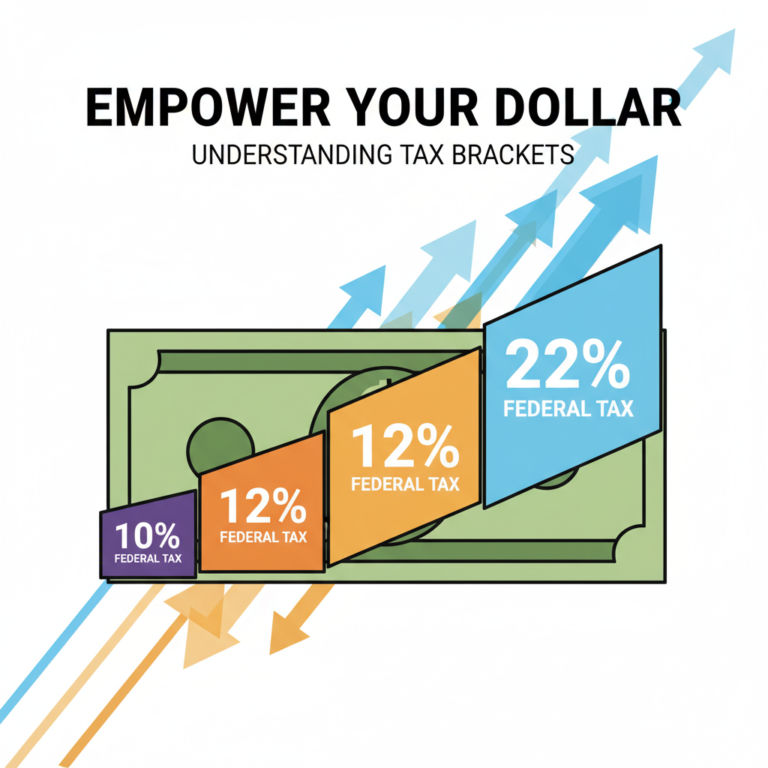
Any money you put into your HSA is deducted from your taxable income for the year. This is a direct, immediate win. If you’re in the 22% tax bracket and you contribute $3,000 to your HSA, you instantly save $660 on your tax bill for that year. It’s like getting a guaranteed 22% return on your money right out of the gate. Your 401(k) does this, but the HSA is just getting started.
2. Your Money Grows 100% Tax-Free
Once your money is in the HSA, you can invest it in stocks, bonds, and mutual funds, just like in an IRA or 401(k). Every single dollar of growth—dividends, interest, capital gains—is completely tax-free. Forever. Over 20 or 30 years, this is a massive advantage. While your buddy’s brokerage account is getting hit with capital gains taxes every time they sell, your HSA is compounding in a tax-free sanctuary.
3. Your Withdrawals are 100% Tax-Free
Here’s where the HSA laps the competition. When you need to take money out for a qualified medical expense, it comes out completely tax-free. No income tax, no penalties. This is true whether you’re 25 or 75. A traditional 401(k) or IRA makes you pay income tax on withdrawals in retirement. The HSA doesn’t. This combination of tax-free in, tax-free growth, and tax-free out for medical is what makes it unique.
But wait, there’s more! The ‘secret’ fourth benefit: After you turn 65, your HSA basically becomes a traditional IRA. You can pull money out for ANY reason—a vacation, a new car, whatever—and you’ll just pay regular income tax on it, exactly like a 401(k). The penalty for non-medical withdrawals disappears. It has all the upside of a 401(k) with the added superpower of tax-free medical withdrawals for life.
The Math: How an HSA Obliterates Other Retirement Accounts

Talk is cheap. Let’s look at the numbers and see why this isn’t just a small advantage—it’s a total game-changer. We’ll compare the key features of the top retirement accounts side-by-side.
| Feature | HSA (Health Savings Account) | Roth IRA | Traditional 401(k)/IRA |
|---|---|---|---|
| Contributions Taxable? | No (Tax-Deductible) | Yes (Post-Tax) | No (Tax-Deductible) |
| Grows Tax-Free? | Yes | Yes | Yes (Tax-Deferred) |
| Withdrawals Taxable (Qualified)? | No (For Medical) | No | Yes (Income Tax) |
| Withdrawals Taxable (at 65+ for any reason)? | Yes (Income Tax, like 401k) | No | Yes (Income Tax) |
The HSA is the only account that hits ‘No’ on taxes for both contributions and qualified withdrawals. That’s the grand slam.
Long-Term Growth Example
Let’s imagine a 30-year-old hustler named Alex. Alex decides to max out their family HSA contribution, putting in $7,750 a year (the 2023 limit). They invest it in a simple S&P 500 index fund and we’ll assume an average annual return of 8%.
- After 10 years, Alex’s account would be worth over $120,000.
- After 20 years, it would balloon to over $380,000.
- After 30 years, at age 60, Alex would have a tax-free medical war chest of over $950,000.
Now, imagine Alex needs a $20,000 knee surgery in retirement. If that money comes from a 401(k), they might have to withdraw $25,000 just to have $20,000 left after taxes. With the HSA, they withdraw exactly $20,000. No taxes. Period. That’s thousands of dollars saved, letting the rest of their money continue to grow untouched.
The Game Plan: How to Open and Supercharge Your HSA

Ready to get started? This isn’t complicated. Here’s your step-by-step plan to get your HSA up and running like a pro.
- Confirm Your Eligibility: This is step zero. You MUST be enrolled in an HSA-qualified High-Deductible Health Plan (HDHP). Check with your employer’s HR department or your insurance provider. If you’re not in one, keep this strategy in your back pocket for the next open enrollment period.
- Choose the Right Provider: Your employer might offer an HSA provider, and it’s often the easiest place to start since you can contribute directly from your paycheck. However, you are NOT stuck with them. Many employer-sponsored HSAs have high fees and lousy investment options. You can and should open an HSA with a top-tier provider and roll your money over. Look for providers like Fidelity, Lively, or Charles Schwab that offer no monthly fees and a wide range of low-cost investment options (like index funds and ETFs).
- Fund It Aggressively: Contribute as much as you possibly can, up to the annual limit. For 2024, the limits are $4,150 for an individual and $8,300 for a family. If you’re 55 or older, you can add an extra $1,000 catch-up contribution. The best way to do this is through automatic payroll deductions so it’s out of sight, out of mind.
- Invest Your Money, Don’t Just Save It: This is the most critical step. An HSA holding cash is a waste of its potential. Most providers require you to keep a minimum balance (e.g., $1,000) in cash, but every dollar above that should be invested for long-term growth. Don’t be intimidated. A simple, low-cost S&P 500 index fund is a fantastic, set-it-and-forget-it option for most people.
Pro-Level Moves & Common Traps to Avoid

Once you’ve got the basics down, it’s time to elevate your strategy. These are the moves that separate the amateurs from the true financial hackers.
Pro-Move: The ‘Shoebox’ Receipt Strategy
This is the ultimate HSA hack. The IRS says you can reimburse yourself for qualified medical expenses from your HSA at any time. There’s no time limit. This means you can pay for a doctor’s visit today with your credit card (racking up those points!), save the receipt, and let your HSA money stay invested and grow for decades. Then, 30 years from now, you can ‘reimburse’ yourself for that expense by taking out the original amount, completely tax-free. You just need to keep meticulous records of your receipts. Use a dedicated folder in a cloud drive. This turns your past medical bills into a future tax-free cash withdrawal.
Trap to Avoid: Getting Gouged by Fees
Many default employer HSAs are loaded with hidden fees—monthly maintenance fees, investment fees, per-trade fees. These small amounts might seem insignificant, but they act as a massive drag on your returns over time. A 1% fee can cost you tens or even hundreds of thousands of dollars over a lifetime of investing. Do your homework. If your employer’s HSA is trash, contribute enough to get any company match, then periodically transfer the funds (a trustee-to-trustee transfer) to your superior, low-cost personal HSA at a place like Fidelity.
Trap to Avoid: Treating it Like a Checking Account
The biggest mistake people make is using their HSA to pay for every little medical bill immediately. While that’s its intended purpose, it kills your long-term growth potential. Every $50 you spend on a co-pay is $50 that could have grown into $500 or more over 30 years. If you can afford to, pay for current medical expenses out-of-pocket and let your HSA investments compound undisturbed. Think of it as your last-resort retirement account, not your first-resort medical fund.
Conclusion
The Health Savings Account is more than just a place to stash cash for prescriptions. It’s a strategic wealth-building machine hiding in the tax code. By leveraging its unparalleled triple-tax advantage, investing your contributions for the long haul, and using savvy strategies like the shoebox method, you can build a formidable, tax-free nest egg for your future medical needs and beyond.
Don’t sleep on this. Check your health plan eligibility, open an account with a low-cost provider, and start funding it. This is your chance to play the financial game by a different set of rules—the ones that put you in control and accelerate your journey to financial freedom. This is the ultimate financial hack for the everyday hustler.
Disclaimer: I am not a financial advisor, and this article is for informational and educational purposes only. The content is not intended to be a substitute for professional financial, tax, or medical advice. Always consult with a qualified professional before making any major financial decisions.