Slash Your Electric Bill: The DIY Energy Audit Checklist
Let’s be real. That moment you open your electric bill feels like a gut punch every single month. You work hard for your money, and watching a huge chunk of it vaporize to the utility company is infuriating. They count on you to just pay it and complain. But what if you could flip the script? What if you could find every single dollar leaking out of your home and stuff it back in your pocket?
This isn’t about living in the dark or wearing a sweater indoors year-round. This is about getting street-smart with your energy. Your house is full of ‘energy vampires’ and hidden leaks that are silently draining your bank account 24/7. This DIY energy audit is your battle plan. We’re going on the hunt, room by room, to identify the culprits and shut them down for good. No expensive gear, no calling in a pricey ‘expert.’ Just you, this checklist, and the power to take back control of your cash.
The Pre-Game: Gearing Up for Your Audit (What You Actually Need)
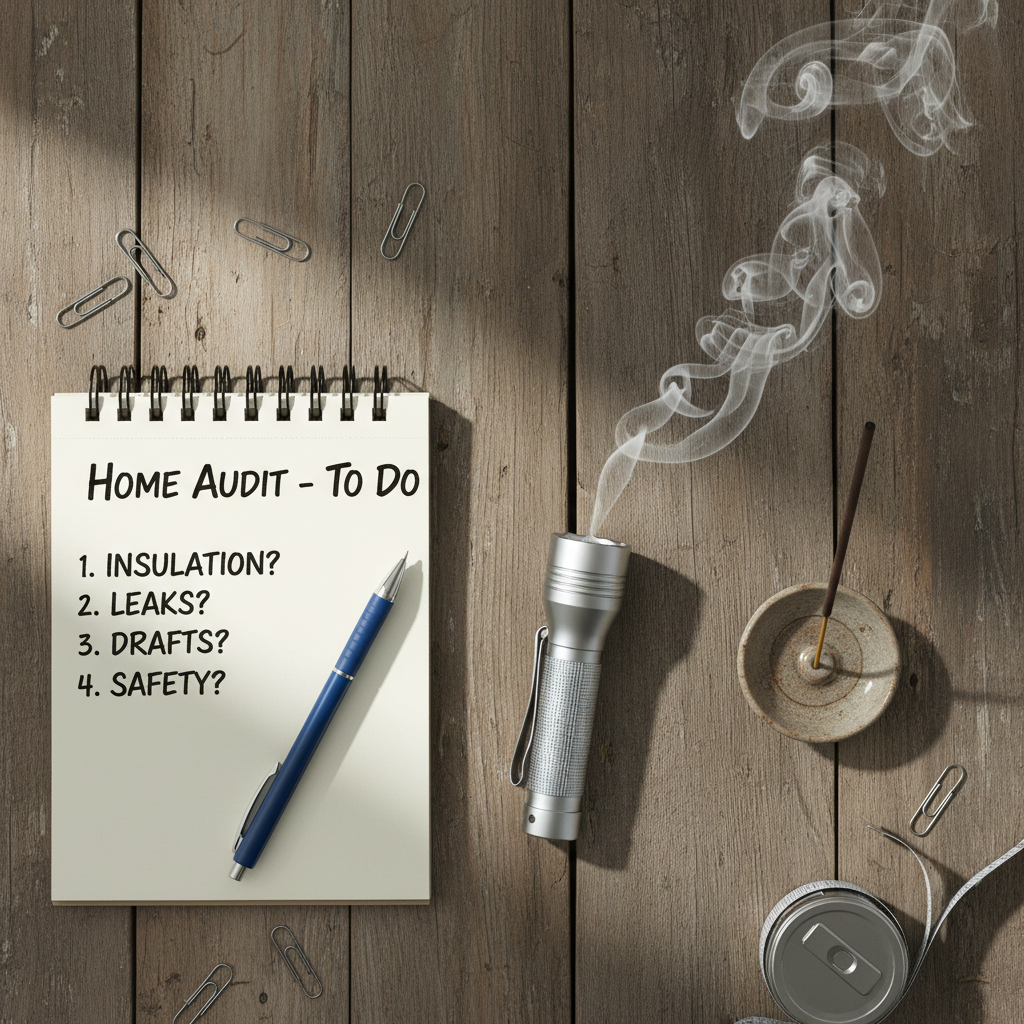
Before we dive in, let’s talk gear. Forget what the so-called experts with their fancy thermal cameras tell you. You don’t need a high-tech arsenal to win this war. You need your wits, your eyes, and a few basic tools you probably already own. This is about being resourceful, not rich.
Your DIY Audit Toolkit:
- A Notepad & Pen (or your phone): You’re a detective now. You need to take notes on every leaky window, every power-hungry gadget. This is your evidence file.
- A Flashlight: Your phone’s light will do in a pinch. You’ll need it for peering into dark corners, behind appliances, and into the abyss of your crawl space or attic.
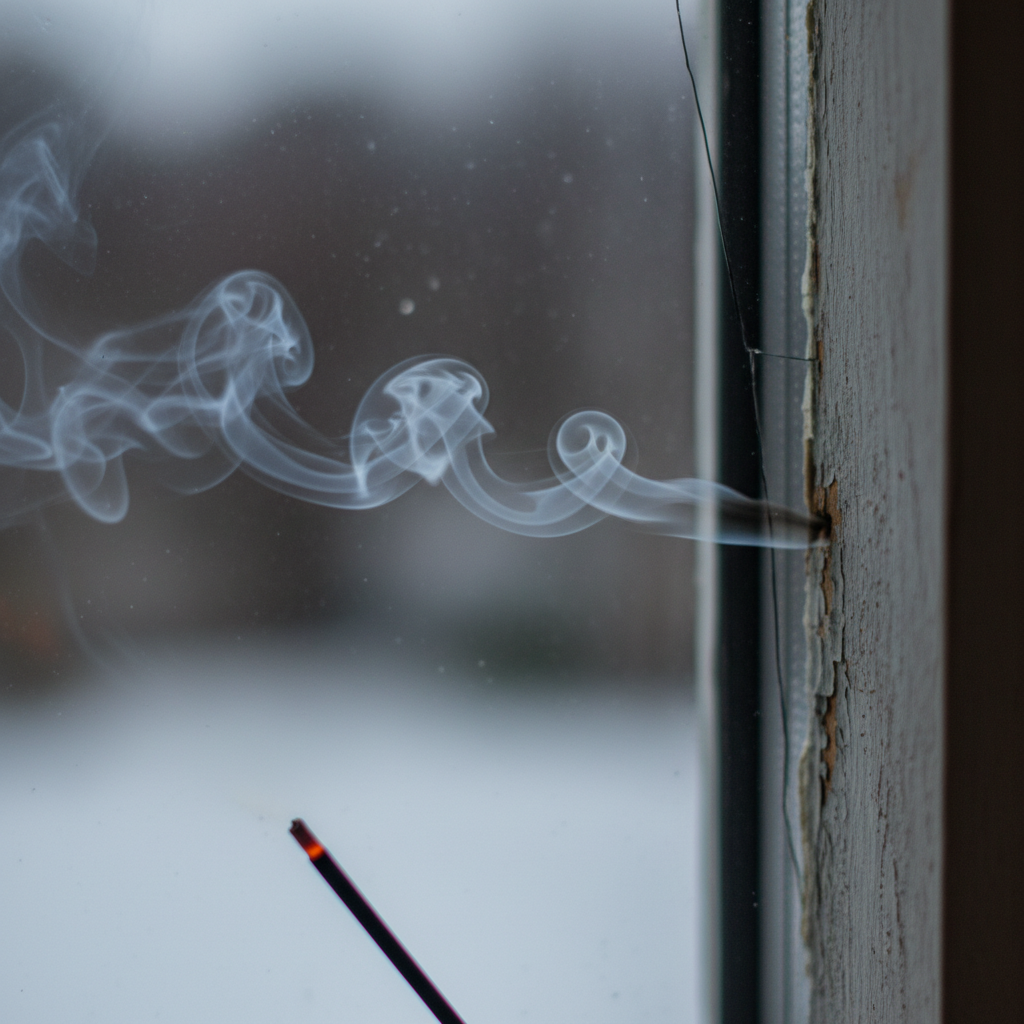
- An Incense Stick & Lighter: This is the ultimate old-school hack. Forget fancy draft detectors. The smoke from an incense stick is the most sensitive, cheapest draft finder on the planet. We’ll show you how to use it.
- Your Most Recent Electric Bill: This is your starting point. Know thy enemy. Look at the kilowatt-hour (kWh) usage. We’re going to make that number plummet.
That’s it. See? Simple. The goal here isn’t to spend money to save money. It’s to use what you’ve got to stop the financial bleeding. Now, let’s get to work.
The Hunt: Your Room-by-Room Hit List for Energy Vampires
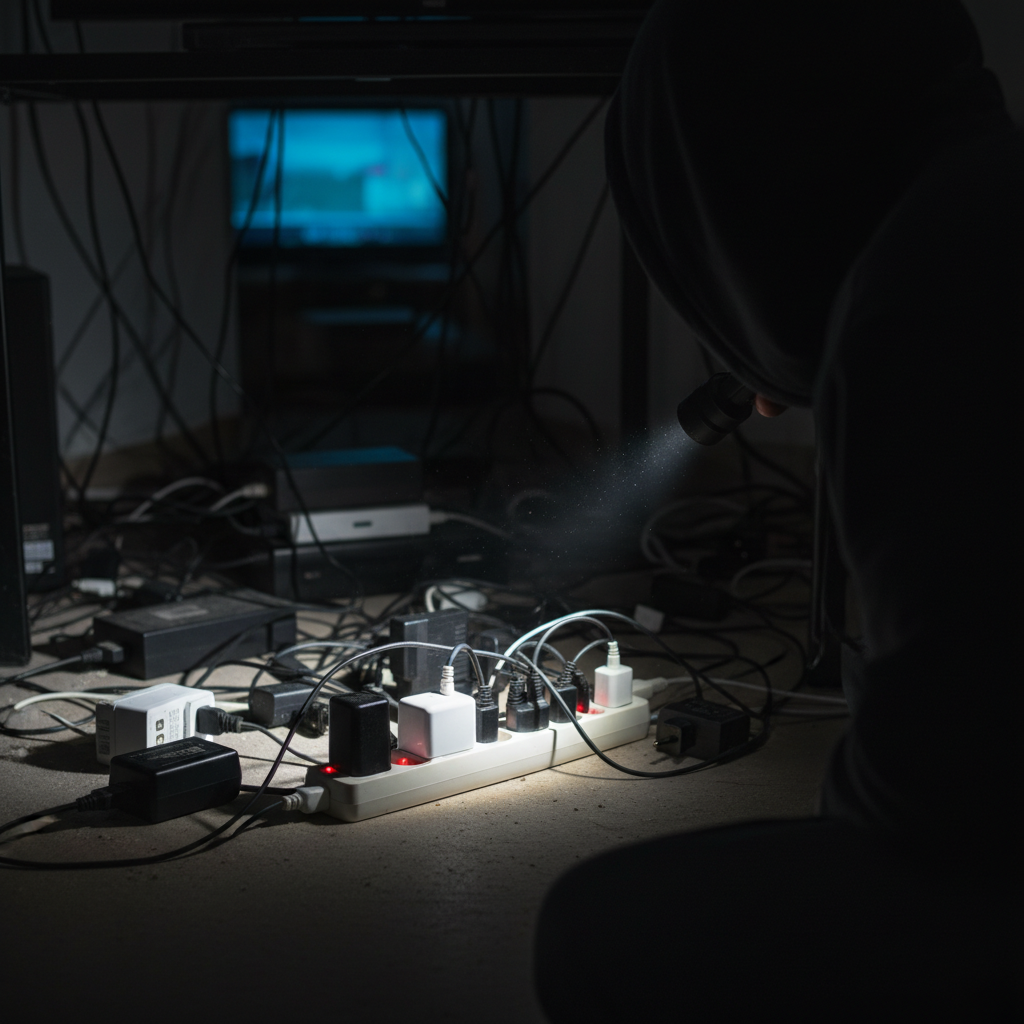
Every room in your house is a potential crime scene for energy waste. We’re going to sweep each one, identifying the usual suspects known as ‘energy vampires’ or phantom loads. These are devices that suck electricity even when they’re turned ‘off.’ It’s time to expose them.
Living Room / Den:
- Entertainment Center: Your TV, gaming console, speakers, and streaming devices are notorious vampires. If they have a little light on, they’re drawing power. The fix? Plug them all into one smart power strip that you can shut off completely with one button.
- Lamps & Lighting: Look at the bulbs. If you’re still using old, heat-throwing incandescent bulbs, you’re basically burning money. Swap every single one for an LED. They use up to 80% less energy and last for years.
Kitchen:
- The ‘Other’ Fridge: Got an old, half-empty refrigerator humming away in the garage or basement? That relic could be costing you over $150 a year to run. Unless it’s absolutely essential, unplug it and haul it away.
- Small Appliances: Your microwave, coffee maker, and toaster oven all have clocks and standby modes. They’re sipping energy all day. Plug them into a power strip and flick it off when not in use.
Home Office:
- Computer & Peripherals: Your desktop computer, monitor, printer, and speakers are a major vampire nest. Don’t just put the computer to sleep; set it to hibernate or shut it down completely. Use a single power strip to kill power to everything at the end of the day.
- Device Chargers: That phone or laptop charger plugged into the wall with nothing attached? Yep, it’s still drawing a small amount of power. Unplug chargers when they’re not charging a device. It’s a small habit that adds up.
Bedroom & Bathroom:
- Nightlights & Alarm Clocks: Modern LED versions use very little power, but older models can be wasteful. Check what you have.
- Electric Toothbrushes & Razors: Don’t leave them on the charger 24/7. Charge them until they’re full, then take them off.
Sealing the Leaks: The Draft-Busting Playbook
Energy vampires are only half the battle. The other half is air leakage. Think of drafts as tiny, invisible thieves stealing the precious heated or cooled air you’ve already paid for. Your HVAC system has to work overtime to compensate, and your bill skyrockets. It’s time to lock these thieves out for good.
The Incense Stick Test: Your Secret Weapon
This is where your incense stick comes in. It’s the most effective way to pinpoint exactly where you’re losing air.
- Turn off any fans or your HVAC system to make the air in the room still.
- Light the incense stick and let it smolder.
- Slowly and carefully pass the smoking stick along the edges and seams of windows, doors, electrical outlets, light switches, and anywhere pipes or wires enter your house.
- Watch the smoke. If it gets sucked out or blown into the room, you’ve found a leak. Mark that spot with a small piece of tape or a note.
Your Low-Cost Sealing Solutions:
- For Windows & Doors: The number one culprit. Get some self-adhesive foam or rubber weatherstripping from the hardware store. It’s cheap and takes minutes to install. For the bottom of doors, a simple ‘door snake’ or a more permanent door sweep works wonders.
- For Outlets & Switches: You’d be shocked how much air flows through these. Buy a pack of foam outlet sealers. You just unscrew the plate, pop the foam gasket in, and screw the plate back on. It’s a 5-minute job that seals a major source of drafts.
- For Gaps & Cracks: For any non-moving gaps around window frames or where pipes enter the wall, a tube of caulk is your best friend. It’s a permanent, airtight seal that costs less than a cup of coffee.
The Big Picture: Conquering Your HVAC & Water Heater
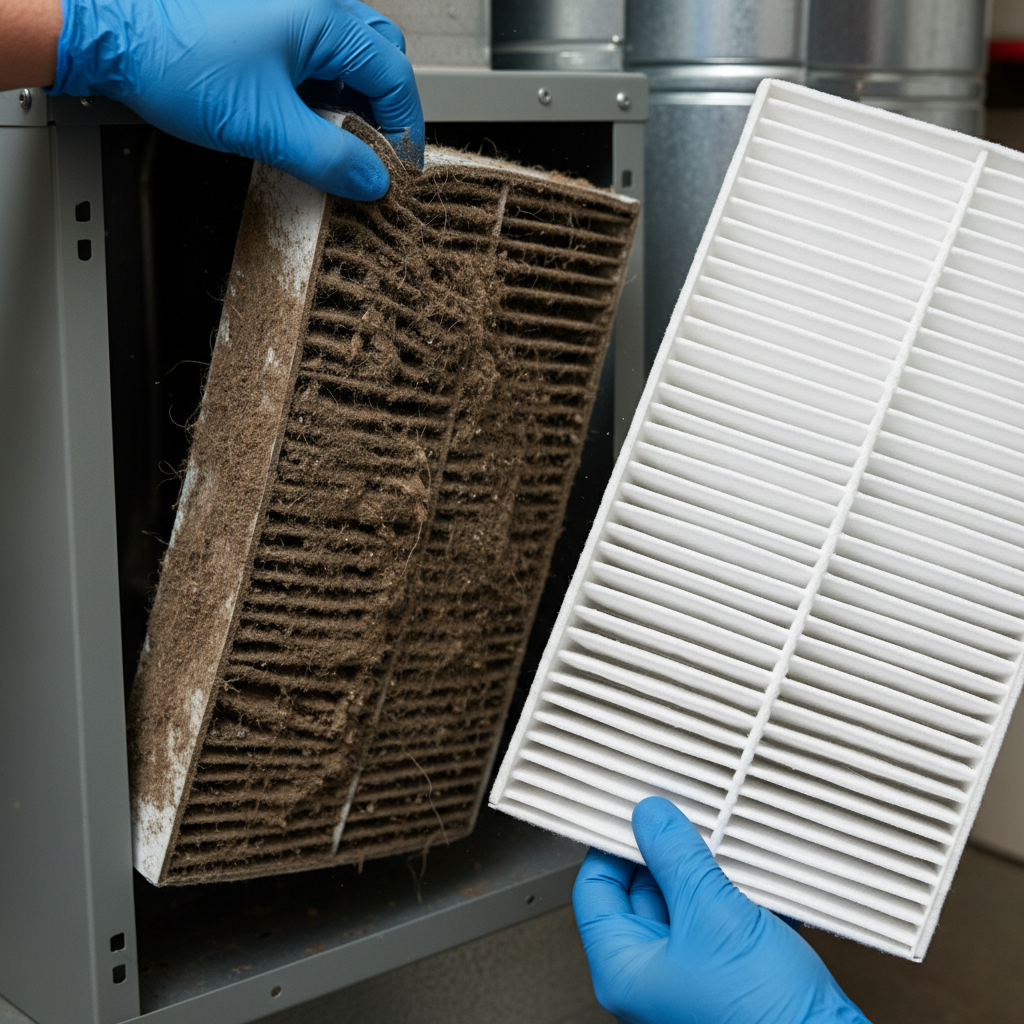
We’ve dealt with the small fries. Now it’s time to tackle the two undisputed heavyweights of your electric bill: your heating, ventilation, and air conditioning (HVAC) system, and your water heater. Taming these beasts doesn’t require an expensive replacement—just some smart, strategic moves.
HVAC System Hacks:
- Clean or Replace Your Filters: This is the single easiest and most important thing you can do. A dirty, clogged filter makes your HVAC system gasp for air, forcing it to work harder and longer to heat or cool your home. Check your filter every month and replace it when it’s dirty. This alone can cut your energy consumption by 5-15%.
- Master Your Thermostat: Stop the thermostat wars. For optimal savings, set it to 68°F (20°C) in the winter and 78°F (26°C) in the summer. Every degree you lower it in winter or raise it in summer can save you up to 3% on your bill. Better yet, install a programmable or smart thermostat to automatically adjust the temp when you’re asleep or away.
- Clear the Vents: Walk around your house and make sure no furniture, rugs, or drapes are blocking your air vents. Blocked vents disrupt airflow and make your system run inefficiently.
Water Heater Wins:
- Check the Temperature: Most water heaters are set to 140°F (60°C) by the manufacturer, which is dangerously hot and wasteful. You can safely lower it to 120°F (49°C). You’ll barely notice the difference in the shower, but you’ll see it on your bill. This can save you up to 10% on your water heating costs.
- Insulate It: If you have an older water heater, touch the outside. If it feels warm, it’s losing heat. You can buy a pre-cut insulation ‘blanket’ for about $20. It’s an easy DIY project that pays for itself in less than a year.
- Use Less Hot Water: This is a no-brainer. Wash your clothes in cold water, install low-flow showerheads, and don’t let the hot water run endlessly. Every drop of hot water you don’t use is money in the bank.
The Math: Calculating Your Real-World Savings

Talk is cheap. Let’s look at the numbers. This isn’t about pinching pennies; it’s about making strategic moves that result in huge annual savings. The small, one-time costs for these DIY fixes are dwarfed by the money you’ll get back year after year. Here’s a breakdown of what you can realistically expect to save by taking action.
| Energy Problem | The Frugal Fix (One-Time Cost) | Potential Annual Savings |
|---|---|---|
| Phantom Loads (Entertainment Center, Office) | Smart Power Strips (~$25) | $100 – $200 |
| Drafty Windows & Doors | Weatherstripping & Caulk (~$15) | $50 – $175 |
| Old Incandescent Bulbs (10 bulbs) | LED Bulb Swap (~$20) | $75+ |
| Dirty HVAC Filter | New Filters (~$20 per year) | $90+ (5-15% of HVAC costs) |
| Water Heater Set Too High | Adjusting Thermostat ($0) | $36 – $60 |
| Uninsulated Water Heater | Insulation Blanket (~$20) | $20 – $45 |
| Drafty Outlets & Switches | Foam Gaskets (~$5) | $20+ |
Let’s do some quick math. If you tackle just the top three items on that list—phantom loads, drafts, and light bulbs—you’re looking at a potential savings of over $225 in the first year, after spending only about $60 on supplies. By the second year, that’s pure profit. If you do everything on the list, you could easily slash your energy costs by $400 to $500 a year or more, depending on your home and habits. That’s a car payment, a vacation fund, or a serious boost to your savings, all from a weekend of smart work.
Conclusion
You’ve made it through the audit. You have the intel, the checklist, and the game plan. You now know more about your home’s energy use than 99% of people out there. The power is officially back in your hands—and not just the kind that comes from an outlet. This is about financial power. It’s the power to decide where your money goes, instead of letting a utility company dictate it for you.
Don’t just read this and forget it. Pick one thing—just one—from this list and do it today. Change a lightbulb. Unplug some chargers. Order some weatherstripping. Every small action you take is a win. It’s a dollar saved, a lesson learned, and a step toward financial freedom. You are the boss of your budget and the master of your house. Now go prove it.