Beat the Heat: 10 Genius Ways to Cool Your Home Without AC
That moment when the summer electricity bill lands in your inbox. Your stomach drops. You start sweating for a whole new reason. We’ve all been there. The conventional wisdom says you have two choices: either melt in a sweltering home or fork over a small fortune to the power company to run your air conditioner 24/7. That’s a false choice, and it’s time to stop playing their game.
Forget burning cash just to stay comfortable. You’re smarter than that. You’re a frugal hacker. There are genius, low-cost, and even free ways to turn your home into a cool oasis without ever touching the thermostat on that energy-guzzling AC unit. We’re talking about combining a little bit of science, some old-school wisdom, and a few clever DIY tricks to reclaim your comfort and your bank account. This isn’t about suffering through the heat; it’s about outsmarting it. Ready to learn the secrets? Let’s dive into 10 genius ways to cool your home and put that AC money back where it belongs: in your pocket.
Hack #1: The Blackout Curtain Hustle
The Real Enemy: Solar Gain
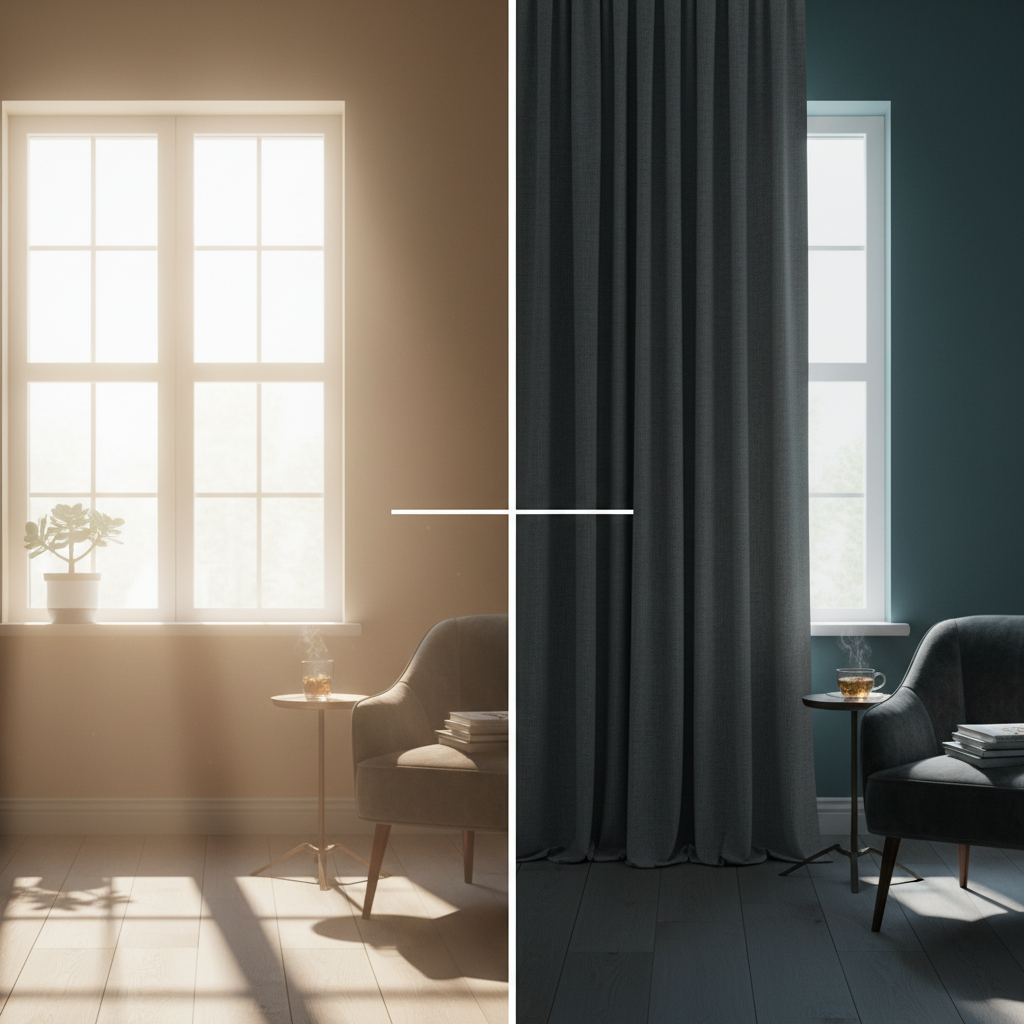
Let’s get one thing straight: the biggest reason your house turns into an oven is the sun blasting through your windows. It’s called solar gain, and it’s a budget killer. Up to 30% of unwanted heat comes through your windows. Think of them as giant magnifying glasses aimed at your living room. The first and most powerful move you can make is to block that heat at the source.
Your Secret Weapon: Blackout Curtains
This isn’t about just any old drapes. We’re talking about blackout curtains. These are designed with a special thermal lining that acts as a barrier, reflecting sunlight and heat before it can invade your space. Studies from the Department of Energy show that medium-colored draperies with a white-plastic backing can reduce heat gain by 33 percent. That’s a massive win.
The Frugal Angle
Don’t run to a high-end home goods store. You can find blackout curtains for a steal at discount stores, online marketplaces, or even thrift shops. For the ultimate frugal hack, you can even make your own by sewing a cheap white liner (like a flat sheet) onto the back of curtains you already own. The key is a light-colored backing facing the window to reflect the most sun.
Key Rule: Keep curtains on south- and west-facing windows closed during the day. As soon as the sun hits those windows, shut them down. It might feel like living in a cave for a few hours, but the temperature difference is staggering.
Hack #2: Master the Art of the Cross-Breeze

Stop Fighting Nature, Start Using It
Air conditioners are brute force. A cross-breeze is finesse. It’s the art of using natural air pressure to create a wind tunnel right through your home. It costs absolutely nothing and is one of the most effective ways to cool down, especially at night. The goal is simple: get the cool night air in and push the hot, stale daytime air out.
Your Nightly Action Plan
This is a strategic operation. Here’s how to execute it perfectly:
- Wait for the Drop: Don’t open your windows until the temperature outside is lower than the temperature inside. Use a simple indoor/outdoor thermometer to know the exact moment.
- Identify Your Airflow Path: Figure out which way the breeze is blowing. You want to open windows wide on the side of the house where the wind is coming from (the windward side).
- Create the Exit: On the opposite side of the house (the leeward side), open windows. For an extra boost, open windows on a higher floor if you have one. Since hot air rises, this creates a chimney effect, actively pulling the hot air out of your home.
- Place a Fan: To supercharge the effect, place a box fan in one of the exit windows, facing out. This will powerfully exhaust the hot air, forcing cool air to rush in through the other open windows to replace it.
By morning, you’ll have trapped a pocket of cool air inside your home. Then, as soon as the sun comes up and the outside temperature starts to rise, shut everything down tight and draw your blackout curtains to preserve that chill for as long as possible.
Hack #3: Build Your Own ‘Swamp Cooler’ for Pennies
The Science of Cold
Ever wonder why you feel cold when you get out of a pool, even on a hot day? It’s evaporative cooling. As water evaporates, it absorbs heat from the air around it, making the air cooler. A $5,000 air conditioner and a $20 fan with a bowl of ice both use principles of physics to cool you down. One just happens to be a lot smarter for your wallet.
The Frugal Tutorial: DIY Air Cooler
You can build a personal cooling machine in under a minute with stuff you already have. It won’t cool your whole house, but it will create a blissful pocket of cold air aimed directly at you.
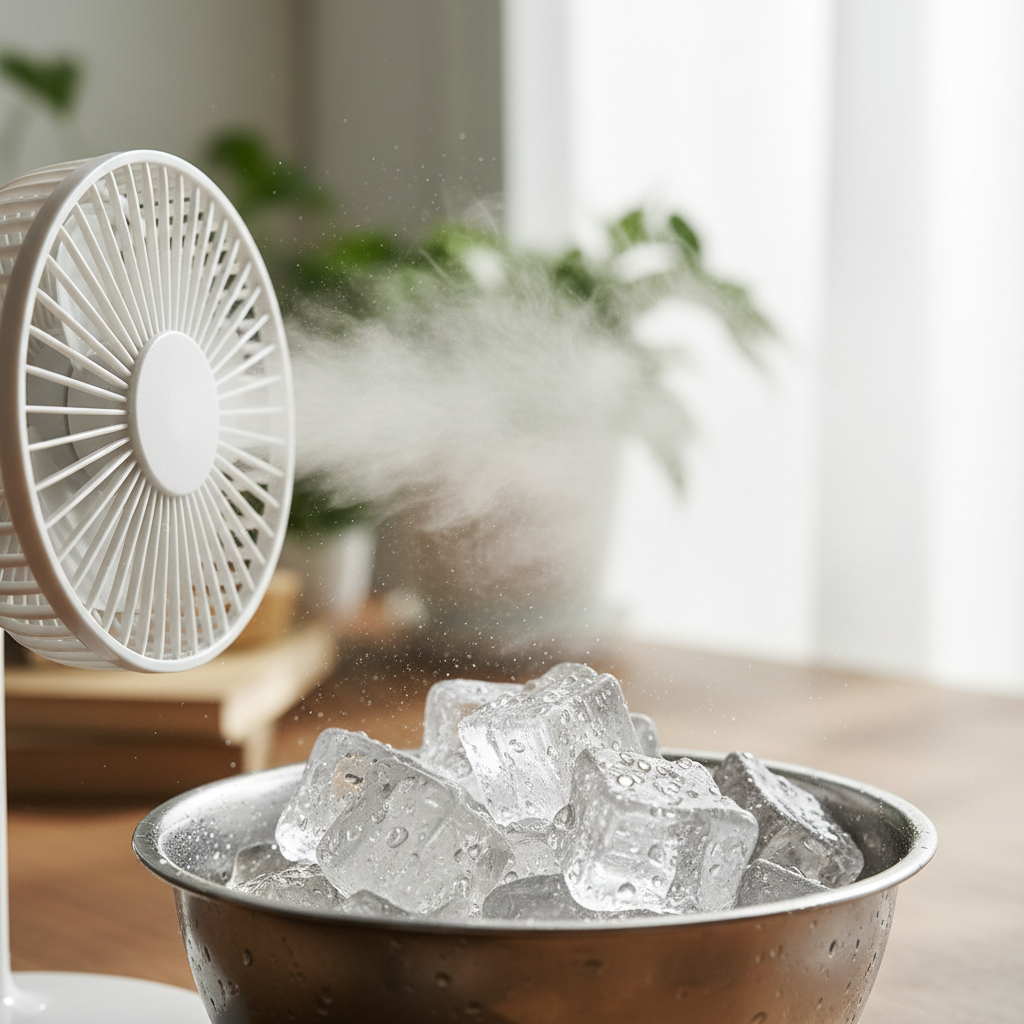
- Gather Your Gear: You need a simple fan (a box fan or oscillating fan works best) and a large, shallow bowl or pan. A metal bowl is ideal as it will get colder.
- Make Some Ice: Fill the bowl with ice cubes. You can also use frozen water bottles or freezer packs, which are reusable and less messy.
- Strategic Placement: Place the bowl of ice directly in front of the fan’s blades. Leave a few inches of space for air to circulate.
- Power On and Chill: Turn on the fan. It will blow air over the ice, causing the cold moisture to evaporate and creating a noticeably cooler breeze. Aim it at your desk, your spot on the couch, or your bed for targeted relief.
This is the ultimate hack for home offices or for getting to sleep on a hot night. The cost is practically zero, and the effect is immediate.
Hack #4: Go Old-School with the ‘Egyptian Method’
Ancient Wisdom for Modern Budgets
Long before air conditioning was invented, people in hot climates like Egypt had to get creative to survive the heat. One of the most effective, low-tech methods is now called the ‘Egyptian Method.’ It’s another form of evaporative cooling, but this time, you’re applying it to your immediate surroundings or even your body.
How to Do It
There are two ways to use this powerful technique:
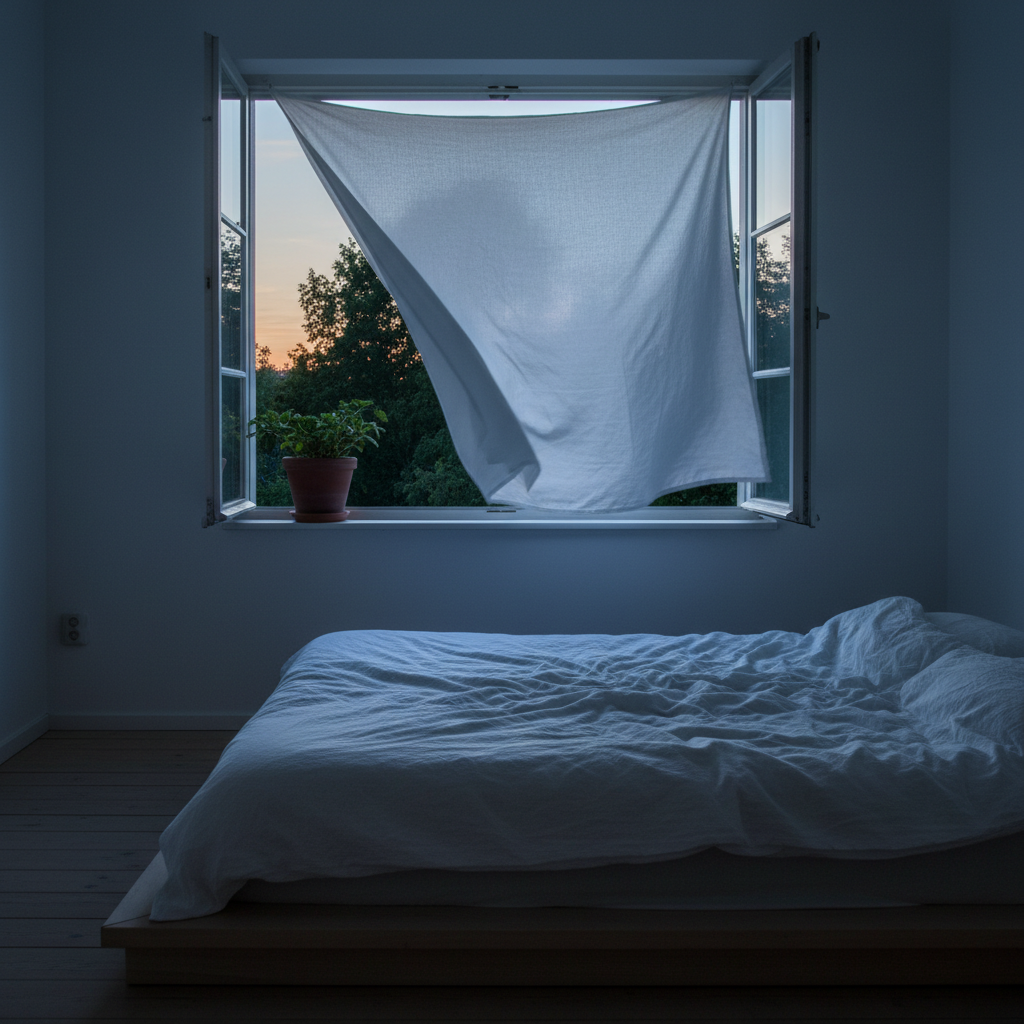
- The Window Hack: During the day, if there’s a breeze, hang a damp (not soaking wet!) sheet or large towel in front of an open window. The incoming breeze will be cooled as it passes through the damp fabric. It’s like a primitive, non-electric air conditioner.
- The Sleep Hack: This one sounds strange, but it works wonders on brutally hot nights. Dampen a sheet or a thin towel in cold water and wring it out so it’s not dripping. Lay a dry towel on your bed to protect your mattress, and then use the damp sheet as a light blanket. As the water evaporates overnight, it will pull heat away from your body, keeping you cool and comfortable.
Scam Warning: Be smart about this. Don’t hang dripping wet sheets near electronics or outlets. The key is ‘damp,’ not ‘drenched.’ Common sense is your best friend here.
Hack #5: Hunt Down and Unplug Heat Vampires
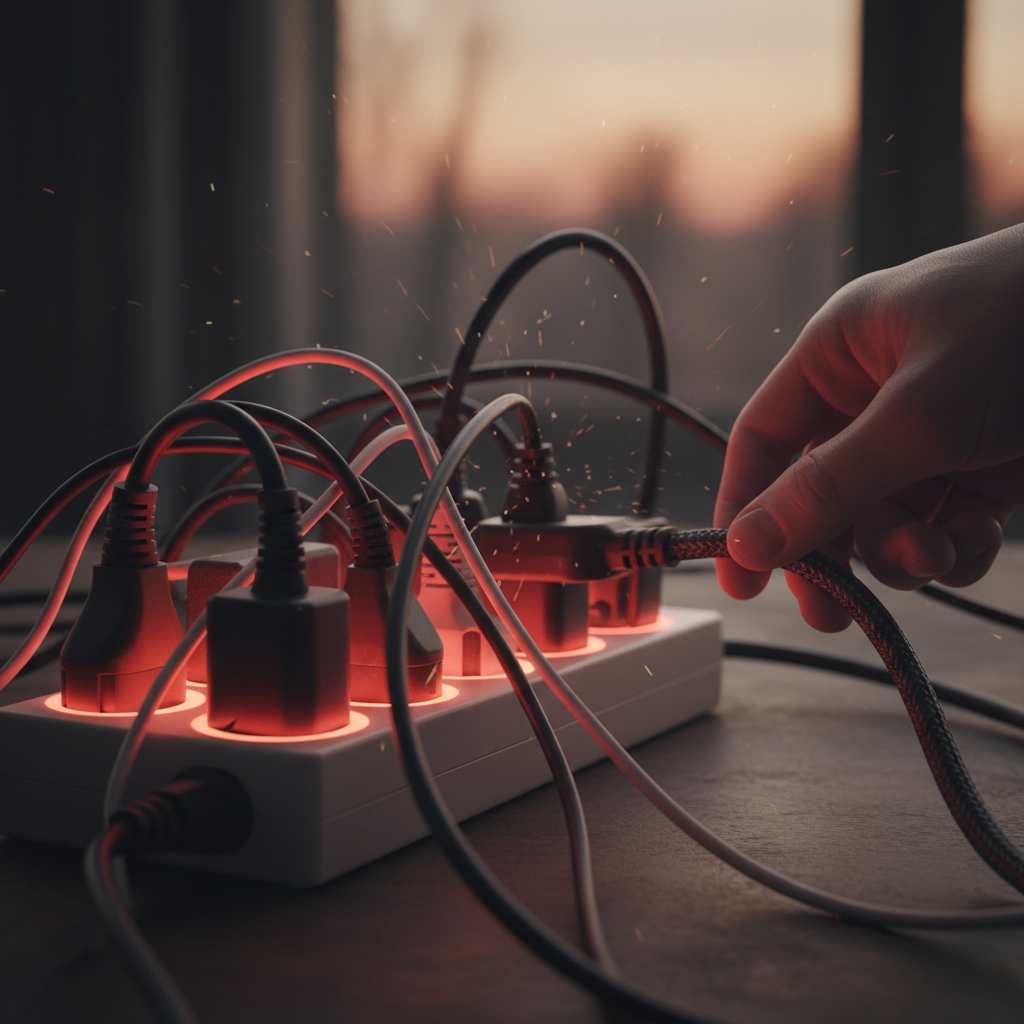
The Hidden Heat Sources in Your Home
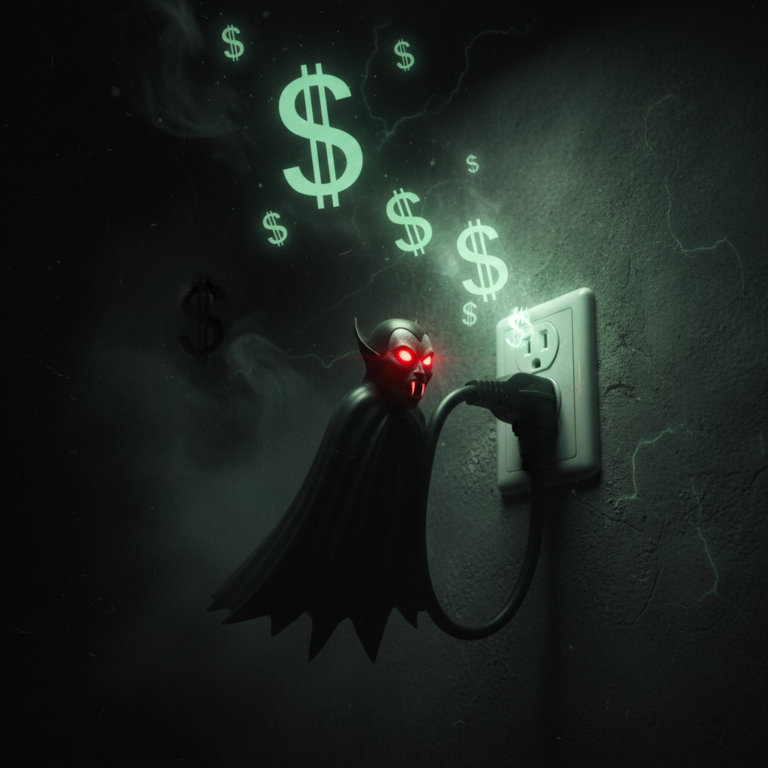
You’re fighting a war on two fronts: heat coming from the outside and heat being generated inside your home. Many people forget about the second one. Every electronic device you own acts like a tiny space heater. They’re ‘heat vampires,’ silently raising the temperature of your home and your energy bill.
Your Hit List of Heat Vampires
Some culprits are obvious, but others are sneaky. Your mission is to unplug anything that isn’t actively in use, especially these major offenders:
- Incandescent Bulbs: These are basically tiny ovens that happen to produce light. They waste about 90% of their energy as heat. Switch to LEDs or CFLs immediately. They run cooler and use a fraction of the electricity.
- Entertainment Centers: Your giant TV, game console, and sound system all generate significant heat, even in standby mode. Unplug them or use a smart power strip to cut them off completely when not in use.
- Computers: A desktop computer, especially a gaming rig, is a powerful space heater. Turn it off completely when you’re done. Don’t just let it sleep.
- Kitchen Appliances: Toasters, coffee makers, and even your microwave’s clock pull power and generate a little heat. Unplug them.
- Chargers: Those little power bricks for your phone and laptop? They generate heat even when a device isn’t connected. Unplug them from the wall.
Individually, the heat from each one is small. But together, they can raise your home’s internal temperature by several degrees, forcing you to work even harder to cool it down.
Hack #6: Outsmart Your Kitchen and Laundry

Stop Making Your AC Fight Your Appliances
Running your oven on a 90-degree day is like pouring gasoline on a fire. You’re actively pumping heat and humidity into the very space you’re trying to cool. The same goes for your clothes dryer, which is basically a vented hot box. Winning the war against heat requires a strategic shift in your daily chores.
The Cool Chore Checklist
- Become a Grill Master: Move your cooking outdoors. Grilling keeps all the heat and smells outside your home. Plus, everything tastes better.
- Embrace No-Cook Meals: Summer is the perfect time for salads, sandwiches, and smoothies. Give your oven and stovetop a vacation.
- Befriend Your Microwave: If you must heat something, the microwave is your best bet. It’s far more efficient and generates much less ambient heat than an oven or stovetop.
- Run Appliances at Night: If you absolutely have to run the dishwasher or the clothes dryer, do it late at night or very early in the morning when temperatures are coolest. This gives your house a chance to dissipate the heat before the sun comes up.
- Use a Clothesline: The ultimate frugal hack. A clothesline uses zero energy and doesn’t add a single degree of heat to your home. Your clothes will smell better, too.
This isn’t just about comfort; it’s about efficiency. Why pay to cool your house down while simultaneously running an appliance that’s actively heating it up? It’s like trying to fill a bucket with a hole in it. Plug the hole.
Hack #7: Flip the Switch – Use Your Fans Like a Pro
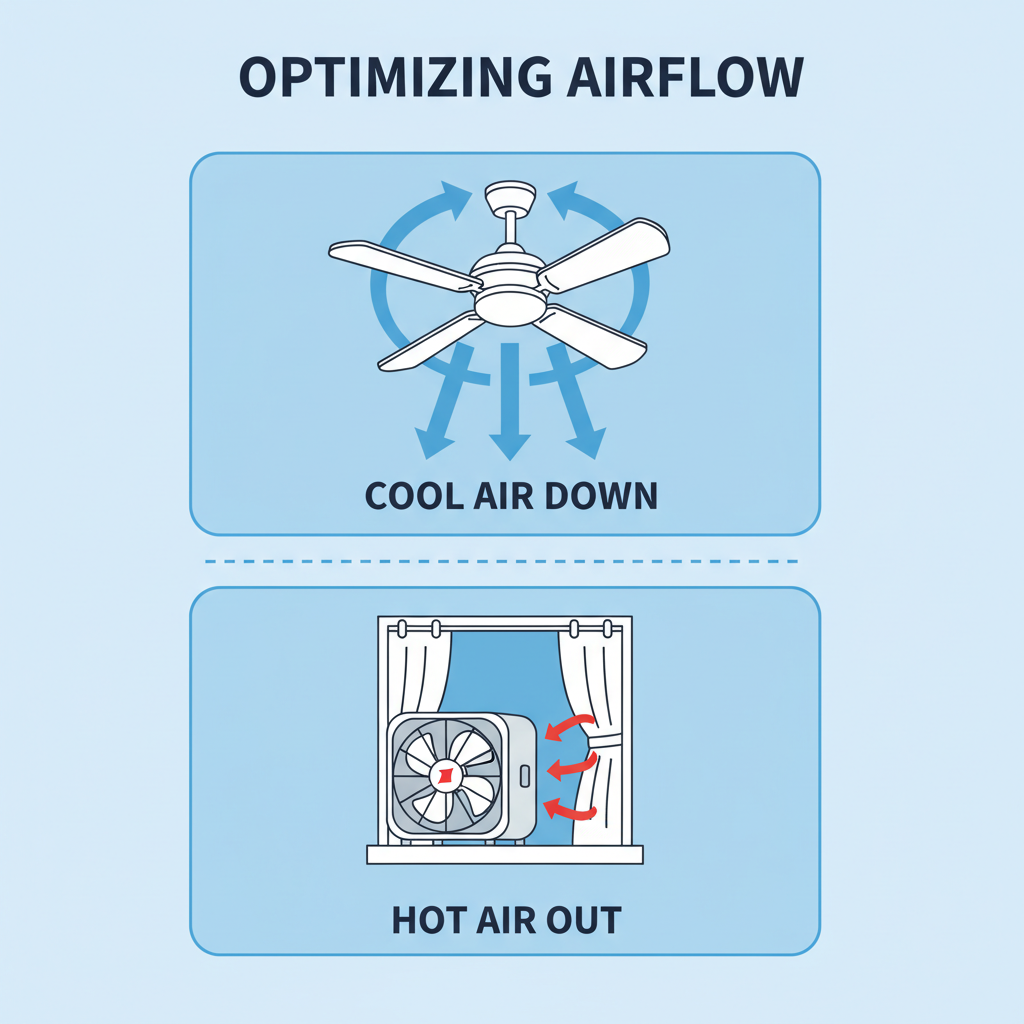
The Biggest Fan Mistake People Make
Most people think fans cool down a room. They don’t. Fans cool down people. They work by creating a wind-chill effect on your skin, helping your sweat evaporate faster. Leaving a fan running in an empty room is just a waste of electricity. The key to using fans effectively is to be strategic.
Ceiling Fans: Check Your Direction
Your ceiling fan has a direction switch for a reason. In the summer, you want the blades to rotate counter-clockwise (as you look up at it). This pushes air straight down, creating that desirable wind-chill effect. In the winter, you switch it to clockwise to pull cool air up and circulate the warm air that has risen to the ceiling. It’s a simple switch that makes a huge difference. Go check yours right now.
Box Fans: The Exhaust Method
A box fan can be your most powerful tool. Instead of just pointing it at yourself, use it to vent hot air out of your house.
- At the end of the day, as the outside air cools, place a box fan securely in a window, facing outward.
- Close other windows in that room, but open windows in other parts of the house.
- Turn the fan on high. It will act as a whole-house exhaust fan, pulling hot air from every corner of your home and shooting it outside. This will speed up the process of drawing in the cooler night air through the other open windows.
By using fans with a purpose instead of just blowing hot air around, you can dramatically improve your comfort for pennies an hour.
Hack #8: Hack Your Body’s Thermostat

Cooling From the Inside Out
Sometimes the easiest thing to change is yourself. Your body has its own cooling system, and you can give it a serious boost with a few simple tricks. Cooling your body directly is often faster and cheaper than trying to cool an entire building.
Your Personal Cooling Protocol
- Hydrate, Hydrate, Hydrate: Water is your body’s coolant. When you’re dehydrated, your body can’t regulate its temperature effectively. Drink plenty of cold water throughout the day. Skip sugary sodas and alcohol, which can dehydrate you.
- Focus on Pulse Points: Your wrists, neck, elbows, and ankles have blood vessels close to the skin’s surface. Applying something cold to these points can cool your entire body quickly. Run your wrists under cold water for 30 seconds or wrap a cold, damp cloth around your neck.
- Eat Cool: Certain foods have a high water content and can help you feel cooler. Stock your fridge with things like watermelon, cucumbers, celery, strawberries, and leafy greens. A cold salad is a much smarter choice than a hot, heavy meal.
- Dress for Success: Wear loose-fitting, lightweight, light-colored clothing made from natural fabrics like cotton or linen. They’re more breathable and will reflect heat instead of absorbing it.
A cool shower before bed can also work wonders, lowering your core body temperature and making it much easier to fall asleep in a warm room.
Hack #9: Plant ‘Money Trees’ for Future Shade

The Ultimate Long-Term Investment
This hack won’t pay off this week, but it’s the most powerful and permanent solution on this list. A well-placed tree is like a free, living air conditioner for your house. The Department of Energy estimates that just three strategically placed trees can save an average household between $100 and $250 in energy costs annually.
The Strategy: Deciduous Trees
You don’t want just any tree. You want a deciduous tree—one that loses its leaves in the winter. Here’s why:
- Summer Shade: Planted on the south and west sides of your house, it will provide dense shade during the hottest parts of the day in the summer, dramatically reducing solar gain.
- Winter Sun: In the winter, the bare branches will allow the sun to shine through and passively heat your home, cutting your heating costs. It’s the perfect natural system.
Quicker Fixes
Don’t want to wait 10 years for a tree to mature? You have options:
- Vines on a Trellis: A fast-growing vine on a trellis placed a foot or two away from your house wall can create a living green barrier that absorbs sunlight and cools the air before it ever reaches your home.
- Potted Plants: Even grouping large potted plants or shrubs on a sunny patio or deck can help absorb heat and create a cooler microclimate around your home.
Think of this as an investment in your home’s future comfort and your long-term financial health. You’re not just planting a tree; you’re planting future savings.
Hack #10: Do the Math – DIY Cooling vs. AC Costs
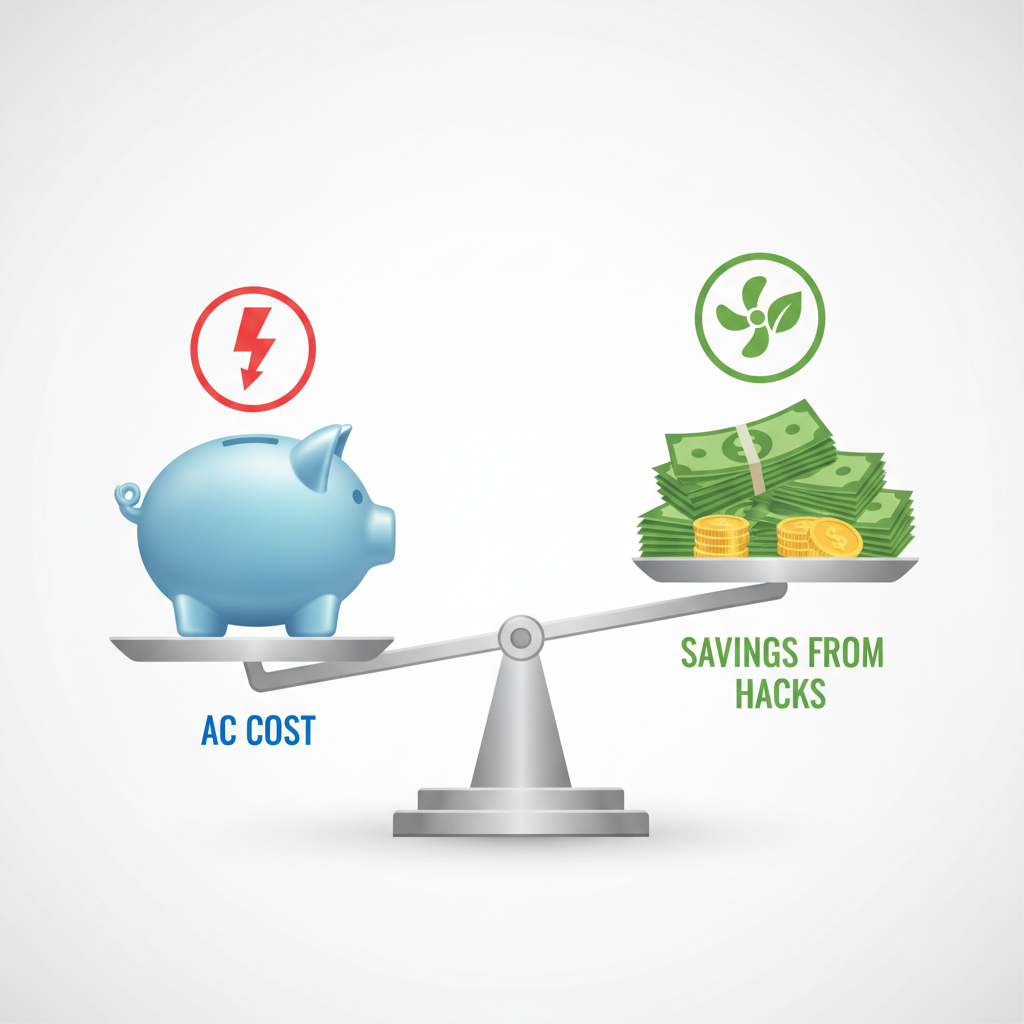
Let’s Talk Numbers
Talk is cheap. Let’s look at the cold, hard cash. Empowering yourself means understanding exactly how much money you’re saving. Running a central air conditioner is one of the single most expensive things you can do in your home during the summer. By swapping that habit for a combination of the smart hacks we’ve discussed, the savings aren’t just a few dollars—they’re huge.
We’ve put together a simple breakdown to show you the difference. We’re using average costs, so your mileage may vary, but the scale of the savings is undeniable. This is the proof that a little bit of effort and strategy pays off big time.
| Method | Typical Upfront Cost | Estimated Monthly Running Cost* |
|---|---|---|
| Central Air Conditioner | $5,000+ (if not installed) | $100 – $250+ |
| Window AC Unit | $150 – $400 | $30 – $80 |
| Blackout Curtains (per window) | $20 – $50 | $0 |
| Box Fan + Ice Bowl | $20 – $30 | ~$5 |
| Strategic Window Opening | $0 | $0 |
| Ceiling Fan | $50 – $200 (if not installed) | ~$5 – $10 |
*Running costs are estimates based on average electricity prices and typical usage. Your actual costs will depend on your local rates, climate, and home insulation.
As you can see, the difference is staggering. You can implement nearly every hack on this list for less than the cost of running your central AC for a single month. By combining these methods—using curtains to block sun, fans to create a breeze, and strategic window opening at night—you can slash your summer cooling costs by 50%, 80%, or in some cases, eliminate the need for AC entirely. That’s not just savings; that’s financial freedom.
Conclusion
Beating the heat doesn’t have to mean surrendering your paycheck. Comfort is not a luxury reserved for those who can afford to run their AC on full blast all summer. It’s about being smarter, more strategic, and more resourceful than the average person. Each of these ten hacks is a tool in your arsenal to fight back against high energy bills and reclaim control over your budget.
Start with one or two. Buy some blackout curtains this weekend. Try the DIY swamp cooler tonight. Once you feel the difference—both in the temperature of your home and the balance of your bank account—you’ll be hooked. You have the power to create a comfortable home without burning your hard-earned cash. You got this.
Now it’s your turn. What’s your go-to frugal hack for staying cool in the summer? Share your best tips in the comments below and help the community beat the heat!