
I Saved $200 Buying Glasses Online: The Ultimate Step-By-Step Guide
Let’s be real: you’ve been played. For years, the eyewear industry has operated like the final boss of overpriced necessities. They’ve convinced us that a couple pieces of plastic and polished glass should cost as much as a new smartphone. It’s a hustle, plain and simple. I got tired of walking out of sterile, brightly-lit optical shops feeling like I just got my pocket picked for $300, $400, or even more. So, I decided to hack the system.
The result? I bought my latest pair of stylish, high-quality prescription glasses online and saved a clean $200. That’s not a typo. That’s dinner out for a month, a paid-off bill, or a nice boost to your savings account. This isn’t about being cheap; it’s about being smart with your money. This guide is the entire playbook. I’m giving you the step-by-step process, the inside track on the best websites, and the warnings for the traps they set for you. It’s time to take the power back.
The Setup: What You Need BEFORE You Even Think About Shopping
You can’t win the game if you don’t have the right pieces on the board. Before you even open a browser tab, you need to get your intel together. Walking into the online glasses world unprepared is how you end up with frames that make you look like a cartoon character or a prescription that feels ‘off.’ Here’s your pre-mission briefing.
Get a Current, Valid Prescription
This is non-negotiable. Don’t try to use your five-year-old prescription. Your eyes change. Go to an optometrist and get a comprehensive eye exam. It’s good for your health, and it’s the golden ticket you need. When the exam is over, they are legally required to give you a copy of your prescription. Don’t let them pressure you into buying frames from them on the spot. Just say, ‘I’d like a printed copy of my prescription to take with me, please.’ They have to give it to you.
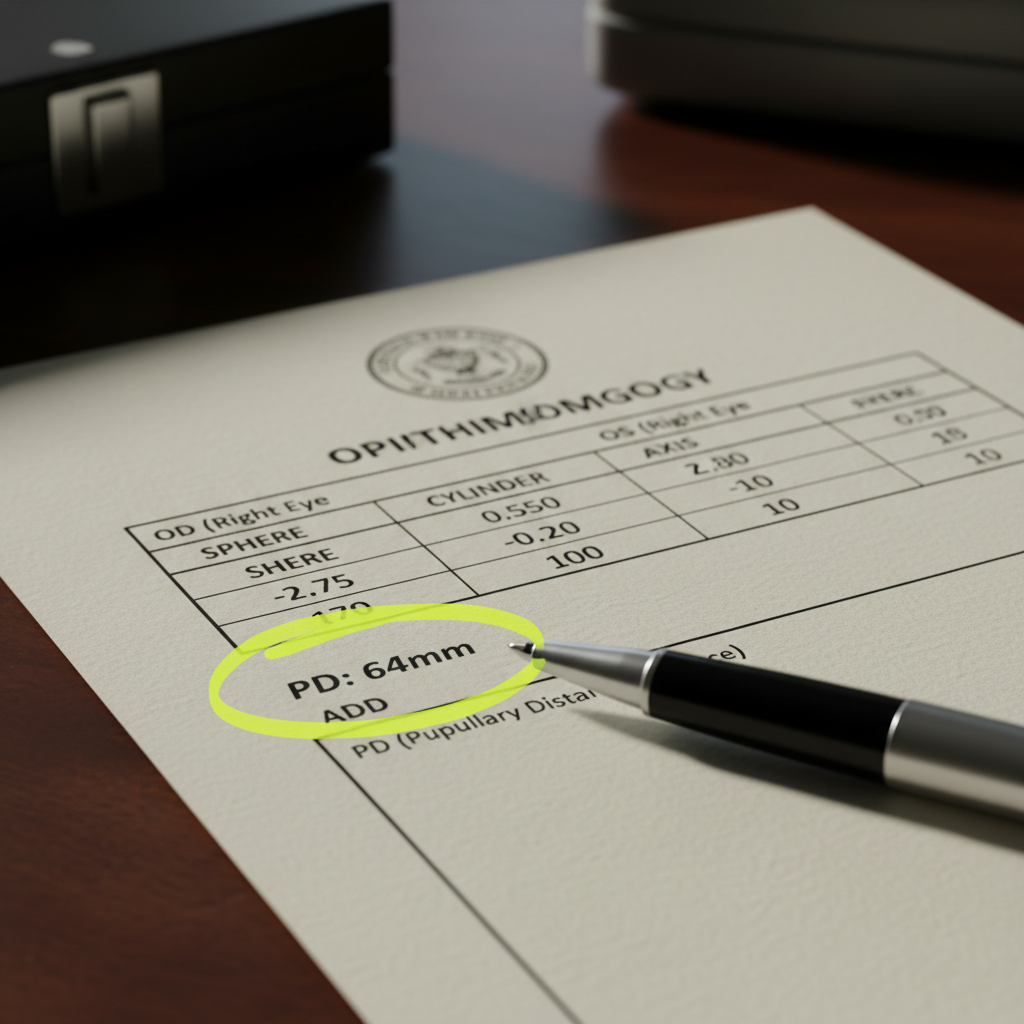
The Secret Code: Your Pupillary Distance (PD)
Here it is. The one piece of information that separates the rookies from the pros. Your Pupillary Distance (PD) is the distance, in millimeters, between the centers of your pupils. It’s critical for centering your prescription correctly in your lenses. If it’s wrong, you can get headaches or eye strain. Some optometrists will conveniently ‘forget’ to write this on your prescription because they know it’s the key to you buying online. Insist on it. Ask them to measure and include your PD. If they give you a hard time, you can measure it yourself (there are apps and online tools for this), but getting it from the pro is always the best move. It will either be one number (like 63mm) or two (like 31/32), representing the distance for each eye from the center of your nose.
The Hunt: Choosing Your Arena & Finding the Perfect Frames
Alright, you’ve got your prescription and your PD. Now the fun begins. The online eyewear market is huge, which is great for competition but can be overwhelming. Don’t sweat it. Most of the action happens on a few key sites. Your mission is to find the one that fits your style and budget.
Top-Tier Online Retailers
You don’t need to check a hundred sites. Start with the heavy hitters, each with their own vibe:
- Zenni Optical: The king of budget-friendly. You can get a complete pair of basic glasses for under $20. The sheer volume of choice is insane. This is your go-to if price is your number one driver.
- EyeBuyDirect: A great middle-ground. A bit more curated and style-focused than Zenni, but still incredibly affordable with frequent BOGO (Buy One, Get One) deals.
- Warby Parker: The ’boutique’ online experience. They are famous for their Home Try-On program where they mail you five frames to test out for free. Their prices are higher than Zenni, but still significantly cheaper than traditional stores.
- GlassesUSA: They carry a massive selection, including designer brands like Ray-Ban and Oakley, often at a discount. A good option if you have your heart set on a specific name-brand frame.
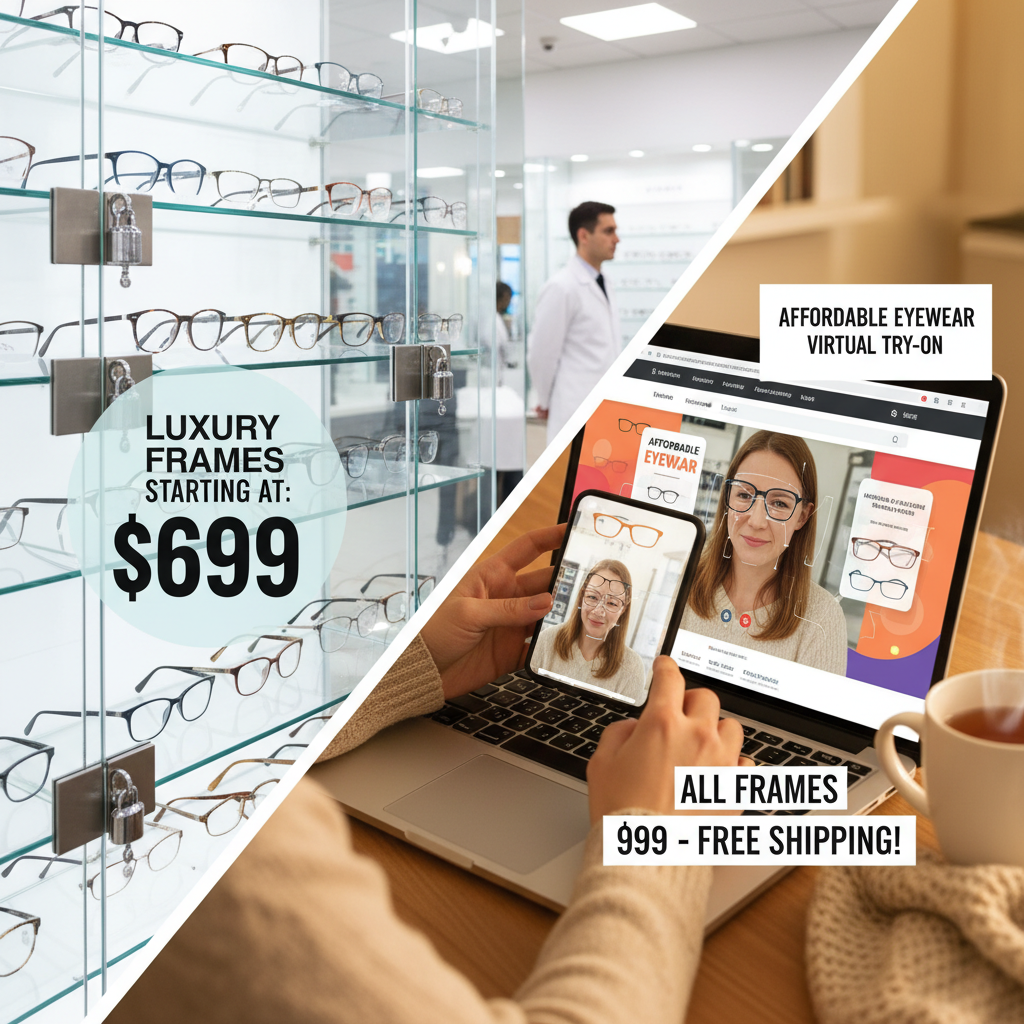
Use their virtual try-on tools. Yeah, they can feel a little goofy, but using your laptop’s camera to see how frames look on your face is a game-changer. Pay close attention to the frame measurements (width, lens height, bridge width) and compare them to a pair of old glasses that fit you well.
Cost Smackdown: Online Hustler vs. Mall Shopper
Still not convinced? Let’s look at the cold, hard numbers. This is a breakdown of my last purchase compared to what I was quoted at a typical mall-based optical chain.
| Item/Feature | Local Optical Store Price | Online Retailer Price (Zenni) | Your Savings |
|---|---|---|---|
| Basic Frames | $150 | $19.95 | $130.05 |
| Basic Prescription Lenses | Included with Frames | Included with Frames | $0 |
| Anti-Reflective Coating | $85 | $4.95 | $80.05 |
| High-Index Lenses (for stronger prescriptions) | $120 | $29.95 | $90.05 |
| TOTAL COST | $355.00 | $54.85 | $300.15 |
The numbers don’t lie. Even if you don’t need the high-index lenses, the savings on the frames and basic coatings are massive. I saved over $300 this time, but saving $200 is an easy baseline for most people.
Decoding the Upsells: Lenses & Coatings That Actually Matter
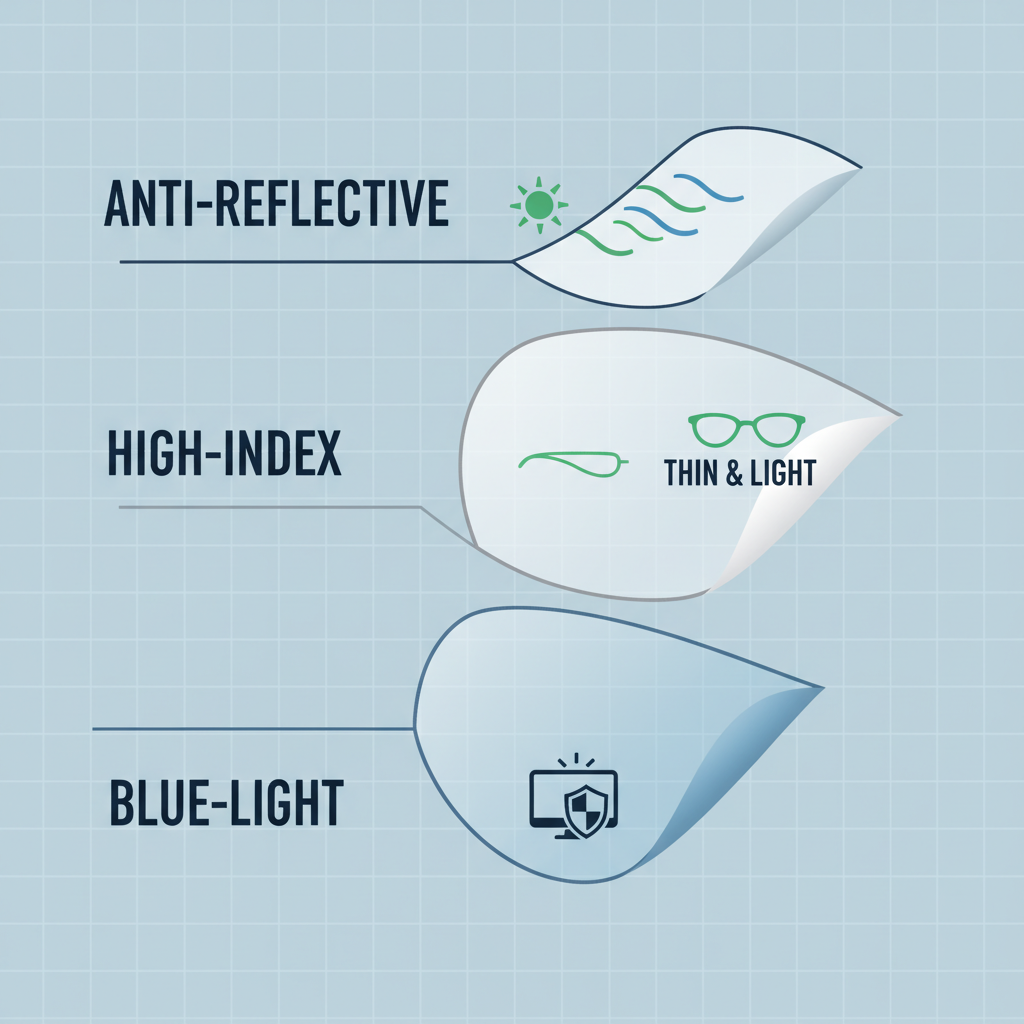
Once you pick your frames, you’ll be sent to a page with a dizzying array of lens options and coatings. This is where online stores try to make back some of their margin. It’s their version of ‘Do you want to supersize that?’ Don’t get flustered. Here’s the straight talk on what’s worth your money.
Lens Material 101
- CR-39 Plastic (Standard): This is the basic, included-in-the-price lens. If you have a weak prescription (your SPH number is between -2.00 and +2.00), this is all you need. Don’t let them tell you otherwise.
- Polycarbonate: More impact-resistant than plastic. It’s the standard for kid’s glasses and safety glasses. A decent, lightweight option.
- High-Index 1.61, 1.67, 1.74: This is for people with strong prescriptions. The higher the number, the thinner and lighter the lens will be. If your prescription is -4.00 or stronger, investing in a 1.61 or 1.67 high-index lens is worth it to avoid the ‘coke bottle’ effect. If your prescription is weak, this is a total waste of money.
The Coating Hustle
- Anti-Scratch: This should be standard and is almost always included for free. If a site tries to charge you extra for it, close the tab.
- Anti-Reflective (AR): This is the one coating that is 100% worth it. It reduces glare from screens and headlights, makes your lenses look nearly invisible, and reduces eye strain. It usually costs between $5 and $20. Get it.
- Blue-Light Filtering: The science is still a bit debated on its effectiveness, but if you stare at a computer screen all day and suffer from eye fatigue, it might be worth the extra $15-$30 for you. It can give the lenses a slight yellow tint.
- UV Protection: Like anti-scratch, this should be a standard feature built into the lens material. You shouldn’t have to pay extra.
- Photochromic/Transitions: These are the lenses that darken in the sun. They’re a cool piece of tech, but they are a luxury. They can add $50-$100 to your order. If you’re on a tight budget, just use sunglasses.
The Pro-Hacker Playbook: Stacking Discounts & Avoiding Pitfalls
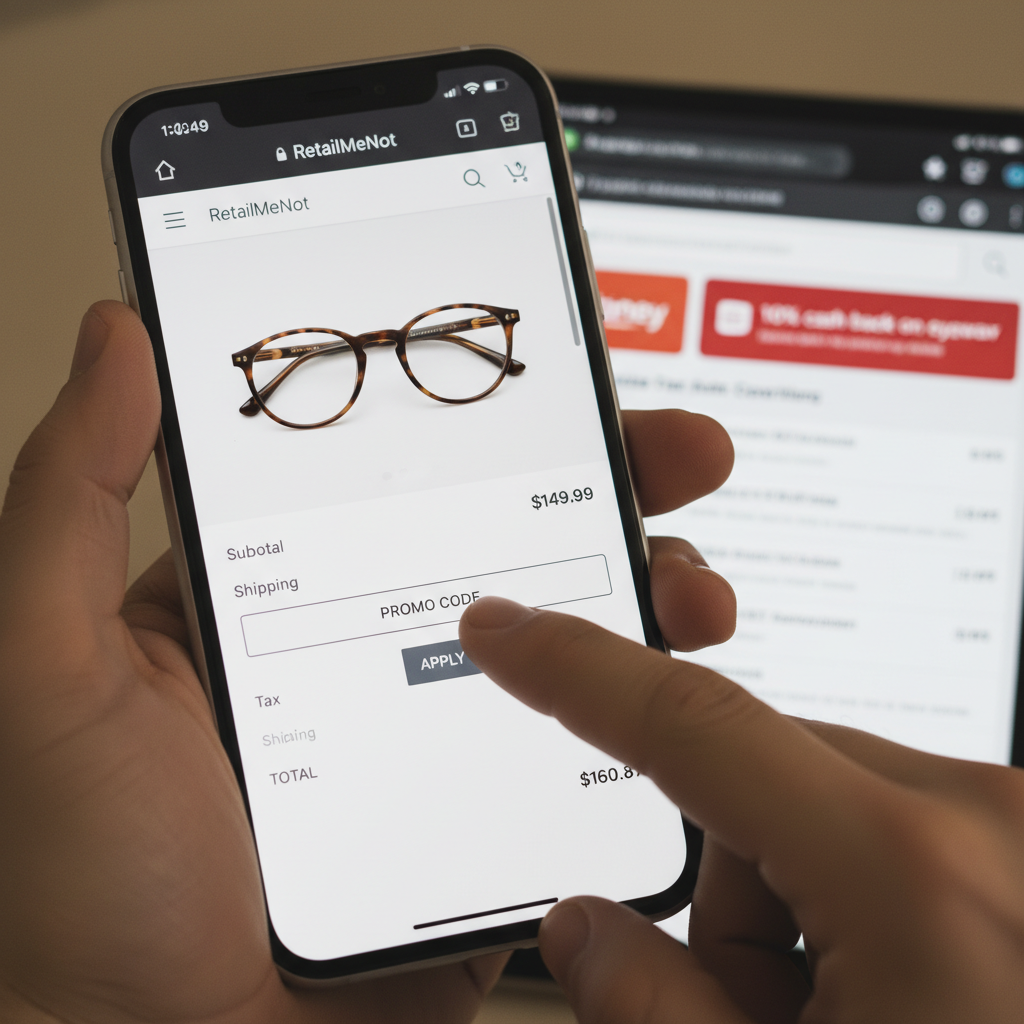
You’ve got your frames and lenses picked out. You’re at the checkout screen. This is the final mile, and it’s where you can squeeze out even more savings. Amateurs just click ‘Buy Now’. Pros run the final play.
Your Pre-Checkout Checklist
- Hunt for Coupon Codes: Open a new tab right now and search for ‘[Website Name] coupon code’. Check sites like RetailMeNot or Honey. You can almost always find a 10-20% off code or a free shipping offer.
- New Customer Discount: Most sites offer a discount for signing up for their email newsletter. Use a secondary email address if you don’t want the spam, grab the code, and then unsubscribe later.
- Use a Cash-Back Service: Before you do anything, activate a cash-back service like Rakuten or TopCashback. You simply click through their portal to the glasses site, and you’ll get a percentage of your purchase price back, usually between 2% and 10%. It’s free money.
- Use Your FSA/HSA Funds: Prescription glasses are a qualified medical expense. If you have a Flexible Spending Account or Health Savings Account through your employer, use that pre-tax money to pay. It’s like getting an instant 20-30% discount depending on your tax bracket.
- Read the Return Policy: This is crucial. What happens if you hate them? Most reputable sites offer at least a 14 or 30-day window for a refund or store credit. Understand the terms before you click buy. Some might charge a small restocking fee.
Scam Warning: The Phantom Storefront
Be wary of slick-looking websites you’ve never heard of that pop up in social media ads with unbelievable deals. Many are dropshippers with zero customer service. Stick to the well-reviewed, established players mentioned earlier. If a deal seems too good to be true (e.g., ‘90% off designer frames!’), it’s a trap. Check for real customer reviews, a physical address, and a clear return policy.
Conclusion
You’re now armed with the knowledge to break free from the overpriced optical monopoly. Buying glasses online isn’t just a way to save a few bucks; it’s a fundamental shift in how you approach a necessary purchase. You are in control. You have the tools to check, compare, and customize your eyewear for a fraction of the traditional cost. That $200 or more that you save isn’t just a number; it’s a testament to being a smarter consumer. It’s your money, and it belongs in your pocket, not funding a fancy showroom at the mall. So go ahead, get that prescription, find those perfect frames, and enjoy the clarity of both your new vision and your financial win.