5 Secrets Pharmacies Don’t Want You to Know About Cheap Prescriptions
Let’s be real: walking up to that pharmacy counter can feel like you’re about to get mugged. You hand over the little slip of paper from your doctor, and in return, they hit you with a number that makes your wallet cry. For too long, we’ve been told that these prices are set in stone, that we have no choice but to pay up. That’s a lie. The prescription drug market is a complex game with its own set of rules, and the big players—pharmacies, insurance companies, and drug manufacturers—are counting on you not knowing how to play. Well, class is in session. It’s time to stop getting played and start taking control. We’re pulling back the curtain on the five biggest secrets they hope you never learn. Get ready to turn your prescription costs from a budget-breaker into a total non-issue.
Secret #1: The ‘Cash Price’ Is Often a Starting Point, Not a Final Bill
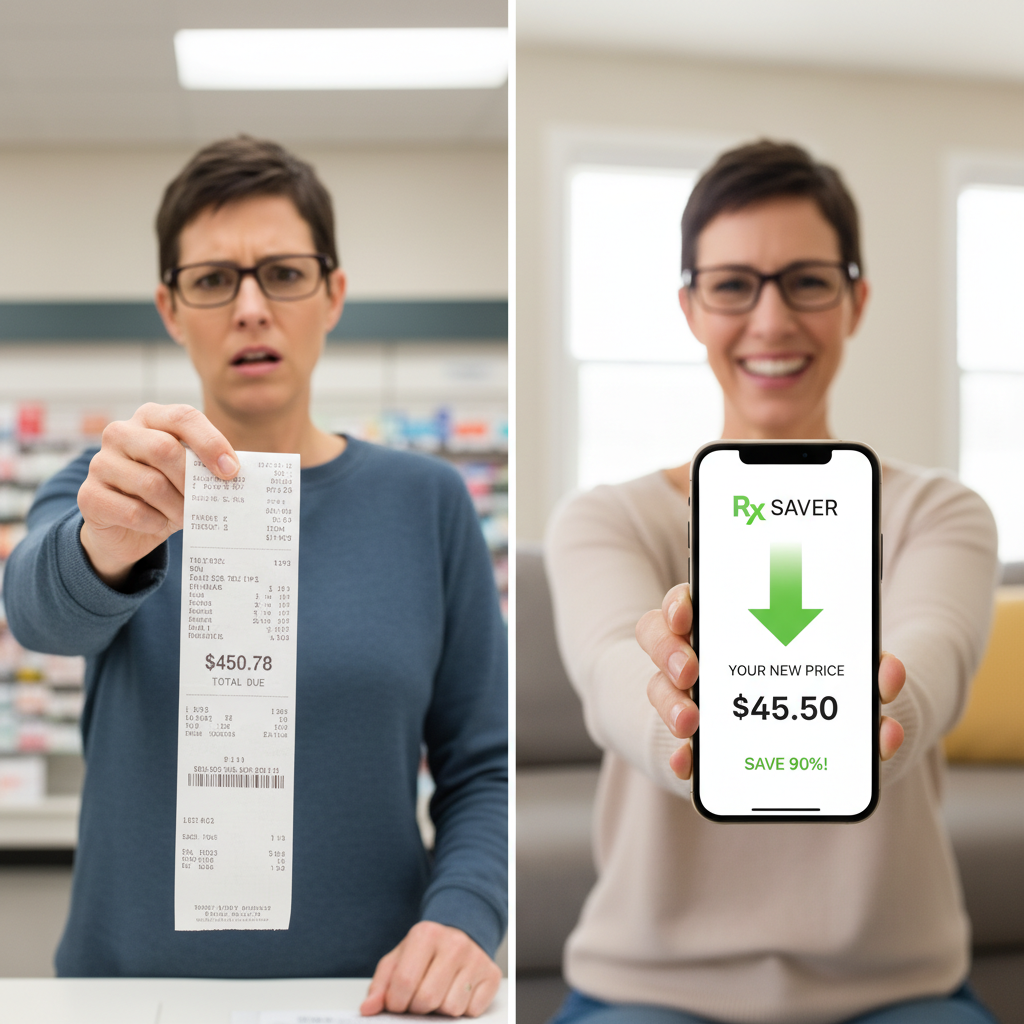
Here’s the first rule of the pharmacy game: the first price they give you is almost never the real price. Especially if you’re uninsured or your insurance doesn’t cover a specific medication, the ‘cash price’ or ‘retail price’ they quote is often wildly inflated. Think of it like the sticker price on a car—it’s a suggestion, a starting point for suckers. Pharmacies have more wiggle room than they let on, but they won’t offer a discount unless you know how to ask.
So, how do you fight back? You come armed with information. This is where modern tech becomes your secret weapon. Before you even leave the doctor’s office, you should be pulling out your phone. There are several incredible (and free) apps and websites designed to do one thing: find you the lowest price on your meds.
Your Digital Arsenal: The Best Prescription Discount Apps
- GoodRx: This is the heavyweight champion. GoodRx aggregates prescription prices and coupons from over 70,000 pharmacies nationwide. You simply search for your drug, and it shows you a list of prices at nearby pharmacies. You present the coupon on your phone, and the pharmacist processes it. The savings can be staggering—we’re talking up to 80% off the retail price.
- SingleCare: Similar to GoodRx, SingleCare offers a ‘pharmacy savings card’ you can use to get lower prices. It’s always worth checking both, as one might have a better deal on your specific prescription.
- RxSaver: Another powerful tool in your arsenal. The game is to comparison shop between these apps, as prices can vary. A few seconds of searching can save you $20, $50, or even $100.
- Blink Health: This one works a bit differently. You pay for your prescription online through their app or website, then you just go to the pharmacy to pick it up. It can offer deep discounts, especially on generic medications.
Walking into a pharmacy with a GoodRx or SingleCare coupon is the ultimate power move. You’re no longer asking for a discount; you’re telling them what you’re going to pay. You’ve flipped the script and taken back control from a system designed to keep you in the dark.
Secret #2: The Brand Name vs. Generic Game is Rigged – Here’s How to Win
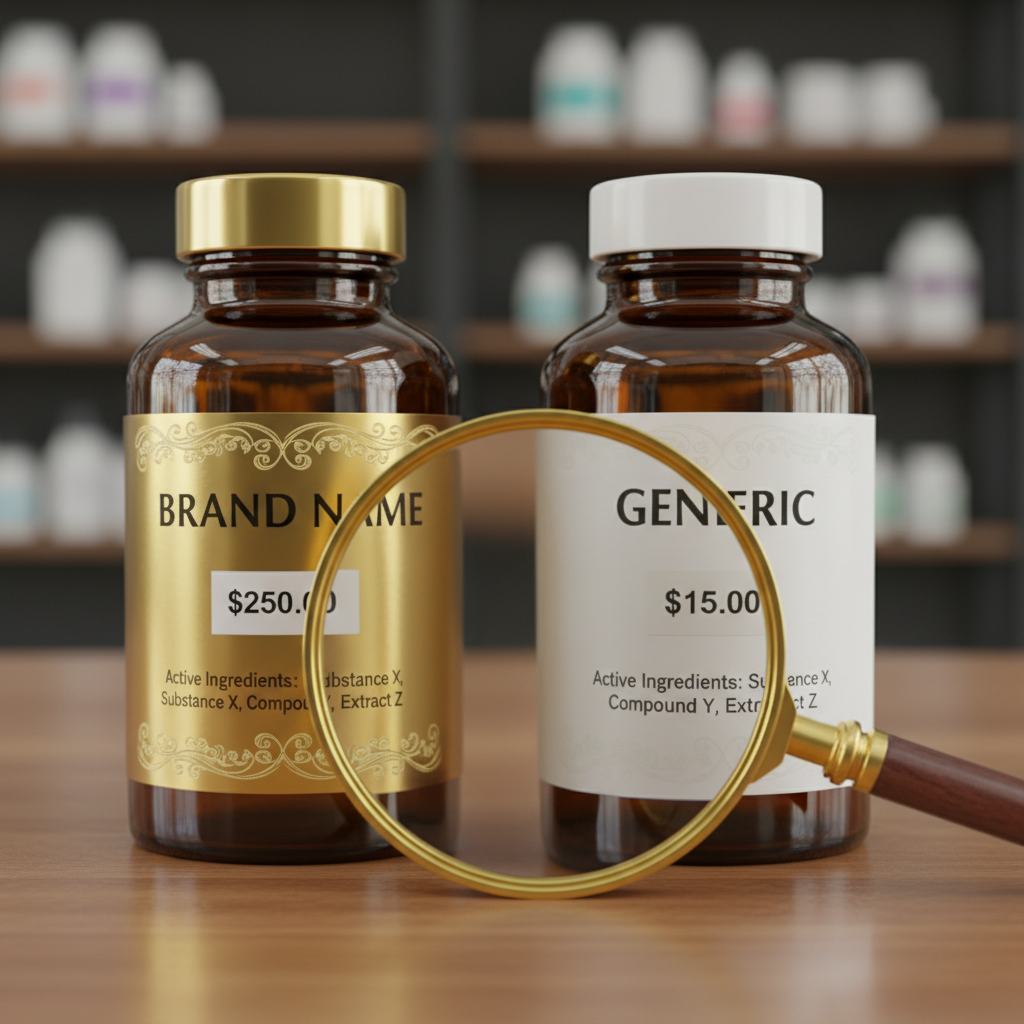
Drug companies spend billions of dollars on marketing to convince you and your doctor that their brand-name drug is superior. They have slick commercials, fancy packaging, and armies of sales reps. What they don’t want you to focus on is the tiny print: the active ingredient. A generic drug is required by the FDA to have the exact same active ingredient, strength, dosage form, and route of administration as the brand-name version. It is therapeutically identical. The only differences are the inactive ingredients (fillers, dyes) and the price.
Why is the price so different? Because the generic manufacturer didn’t have to spend a decade and billions of dollars on research, development, and marketing. They just have to prove their product is the same. You’re not paying for a better pill; you’re paying for the brand’s advertising budget. Always ask your doctor and pharmacist if a generic version is available. Unless you have a specific, documented allergy to an inactive ingredient in the generic, there is rarely a medical reason to pay for the brand name.
The Math Doesn’t Lie: Brand vs. Generic Breakdown
Let’s look at a real-world example with a common cholesterol medication. The difference is shocking and should make you angry about how much money is being left on the table.
| Feature | Brand Name Drug (Lipitor) | Generic Drug (Atorvastatin) |
|---|---|---|
| Active Ingredient | Atorvastatin Calcium | Atorvastatin Calcium |
| FDA Approved for Safety & Efficacy? | Yes | Yes |
| Average Retail Price (30-day supply) | ~$450 | ~$15 |
| Your Potential Annual Savings | OVER $5,200! | |
That’s not a typo. You could be saving over $5,000 a year on just one medication by making this simple switch. Multiply that by multiple prescriptions, and you’re talking about life-changing money. Always, always ask for the generic.
Secret #3: The 90-Day Supply: Your Secret Weapon Against Co-pays
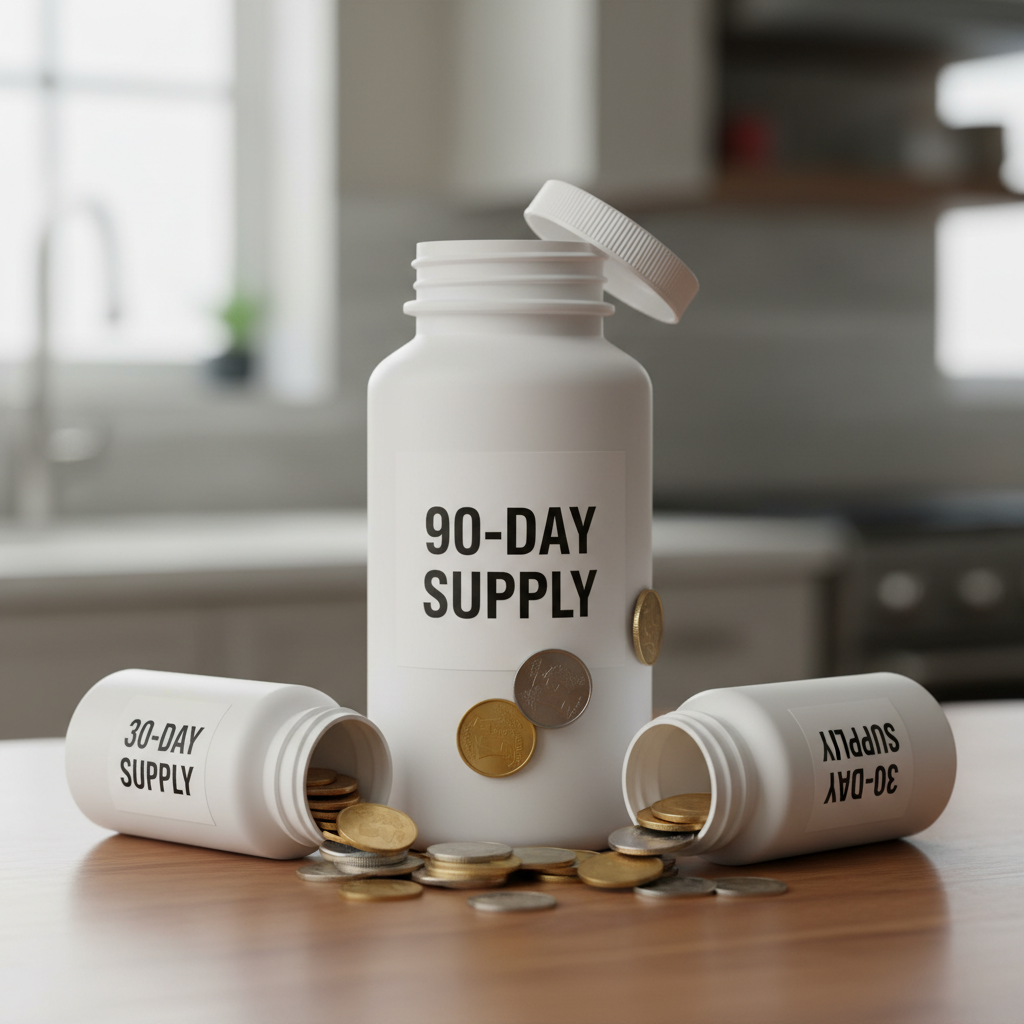
Pharmacies and insurance companies make money on transactions. The more times you have to come in and refill a 30-day prescription, the more processing fees and opportunities they have to make money. But you can beat them at their own game by thinking in bulk. The 90-day supply is one of the most underutilized hacks for saving both time and money, especially for maintenance medications you take long-term.
How the 90-Day Hack Works
There are two main ways this saves you cash:
- Lower Co-pays with Insurance: Many insurance plans are structured to incentivize 90-day fills, especially through their preferred mail-order pharmacies. For example, your co-pay might be $15 for a 30-day supply at a local pharmacy. To get 90 days’ worth, you’d pay that three times, for a total of $45. However, the same plan might offer a 90-day mail-order supply for a single co-pay of just $30. That’s an instant $15 saved every three months, which adds up to $60 per year, per prescription. If you have three such meds, that’s $180 back in your pocket for doing nothing but planning ahead.
- Lower Per-Pill Cost for Cash Payers: Even if you’re using a discount app like GoodRx, the price for a 90-day supply is almost always cheaper on a per-pill basis than a 30-day supply. Pharmacies save on labor and materials (bottles, labels) when filling a larger quantity, and those savings are often passed on to you.
Ask your doctor to write your prescription for a 90-day supply with refills. It’s a simple request that streamlines your life and keeps more cash where it belongs: with you.
Secret #4: Drug Companies Have Secret Stashes of Cash (aka Manufacturer Coupons & PAPs)
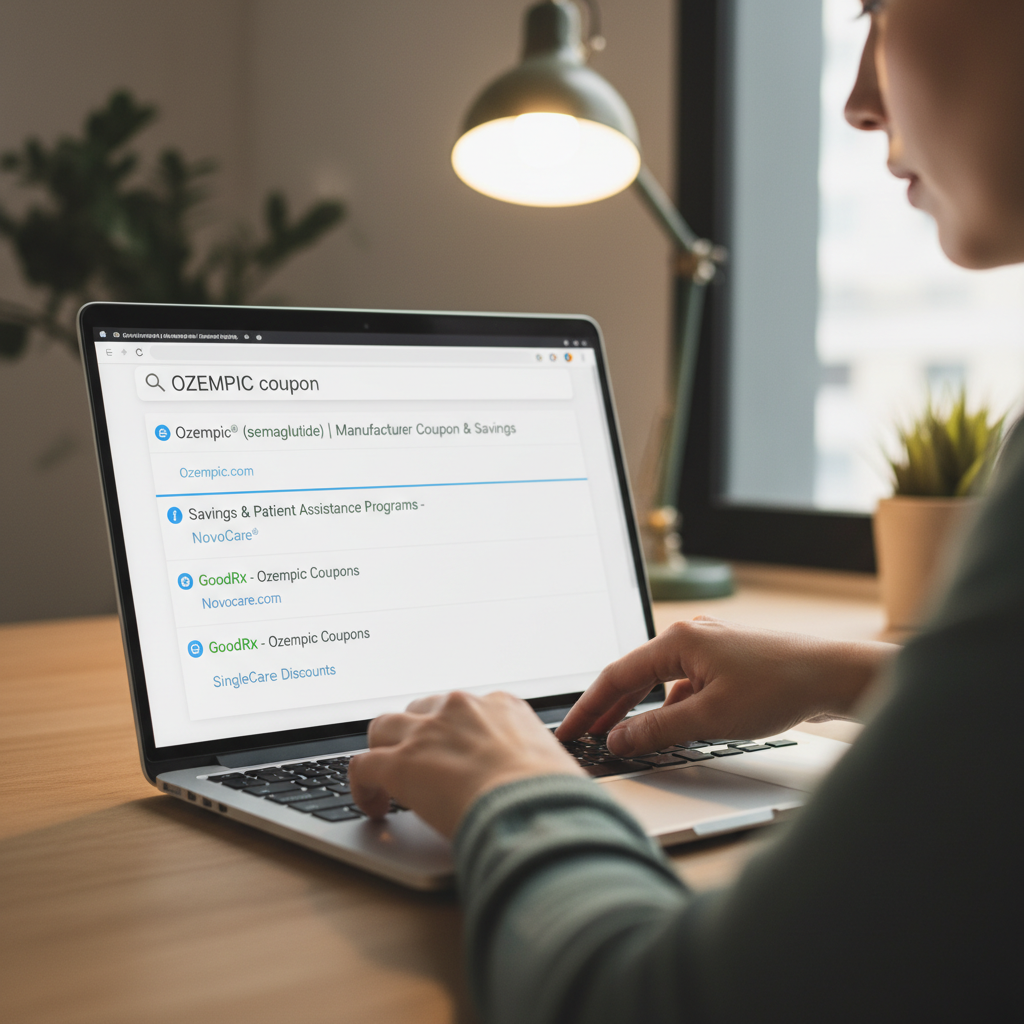
This might sound crazy, but sometimes the people who make the expensive drugs are the best source for discounts. Why? It’s all about market share. For new, expensive brand-name drugs that don’t have a generic alternative yet, manufacturers are desperate to get you on their product instead of a competitor’s. To do this, they offer co-pay assistance cards and manufacturer coupons directly to consumers.
These programs can bring the cost of a $500 a month drug down to a co-pay of just $10 or even $0. The catch? They’re usually not for people on government insurance like Medicare or Medicaid. But for those with commercial insurance, they can be a goldmine.
How to Find These Hidden Discounts
- Go to the Source: The easiest way is to simply Google the drug’s name followed by ‘coupon’ or ‘savings card’. This will almost always lead you to the official manufacturer’s website where you can sign up and print a card instantly.
- Ask Your Doctor: Doctors’ offices are often stocked with these savings cards by pharmaceutical reps. Don’t be afraid to ask, ‘Is there a manufacturer’s co-pay card for this medication?’
For Those Who Truly Need Help: Patient Assistance Programs (PAPs)
If you are uninsured or have a very low income, you may qualify for a Patient Assistance Program (PAP). These are programs run by pharmaceutical companies to provide free or very low-cost medication to people who can’t afford it. It requires an application process where you prove your income, but it can be a literal lifesaver. Websites like NeedyMeds.org are fantastic non-profit resources that help you find and apply for these programs. It’s a bit of paperwork, but it can eliminate the cost of your medication entirely.
Secret #5: The Pill-Splitting Play: Double the Dose, Halve the Cost (Safely!)
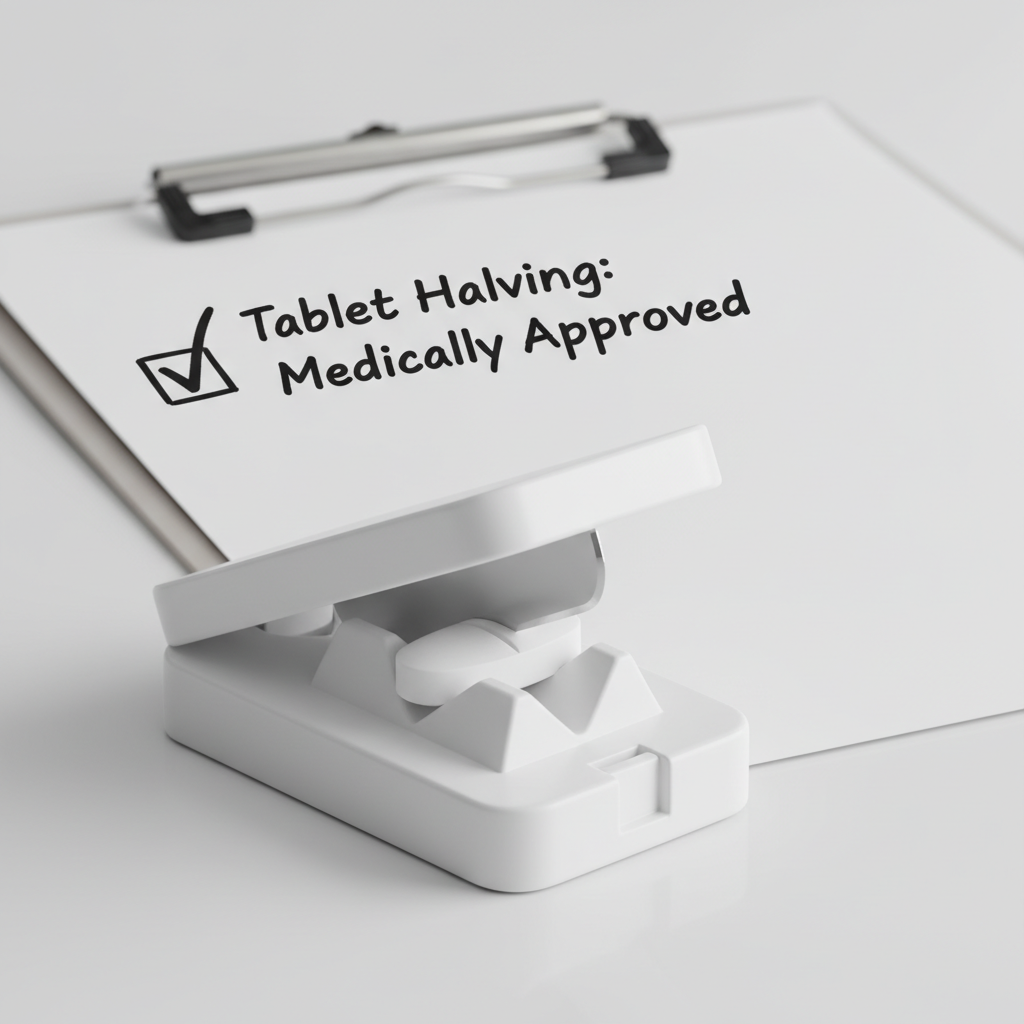
This is an advanced-level frugal hack that can cut your drug costs by exactly 50%, but it comes with a huge warning label. The logic is simple: for many medications, the price for a 20mg tablet is the same, or very close to, the price of a 10mg tablet. The pharmacy’s costs are in counting, bottling, and dispensing, not necessarily the amount of active ingredient in the pill. If your prescribed dose is 10mg, you can ask your doctor to write a prescription for 20mg tablets with the instruction ‘to be split in half’. You then use an inexpensive pill-splitter to precisely cut the tablets, and a 30-day supply magically becomes a 60-day supply for the same price.
The savings are immediate and massive. A $30 co-pay becomes effectively $15. A $20 cash price becomes $10. Over a year, this can save you hundreds of dollars on a single medication.
The Golden Rule of Pill Splitting
This strategy is powerful, but you absolutely cannot do it on your own. You must follow this rule without exception:
SAFETY WARNING: NEVER split a pill without your doctor’s and pharmacist’s explicit approval. Some medications are not designed to be split. This includes extended-release (ER/XR) formulas, capsules containing powders or beads, and tablets with special coatings. Splitting these can lead to an incorrect or even dangerous dose. Only split tablets that are scored (have a line down the middle) and have been approved for splitting by a medical professional.
When you talk to your doctor, simply ask, ‘To save some money, is this a medication that’s safe to split? If so, could you write the prescription for double the dose?’ They’ll appreciate your proactivity in managing your health costs and will tell you if it’s a safe option for your specific medication.
Conclusion
The days of passively accepting a high price at the pharmacy are over. You are now armed with the insider knowledge that can save you hundreds, if not thousands, of dollars a year. Let’s recap the game plan:
- Question the Price: Use discount apps to find the real price before you pay.
- Go Generic: Ditch the expensive brand names for their identical, cheaper counterparts.
- Buy in Bulk: Switch to 90-day supplies to lower your co-pays and per-pill cost.
- Hunt for Coupons: Check manufacturer websites for hidden savings on brand-name drugs.
- Ask About Splitting: Talk to your doctor about the 50% off pill-splitting hack.
You don’t have to be a victim of a confusing and expensive system. By being a smart, informed consumer, you can take control of your healthcare costs. Pick just one of these secrets to try on your next refill. You’ll be amazed at how much power you really have.