
Stop Wasting Money on Tampons: The Budget-Friendly Switch You Need
Let’s be real: your period is a non-negotiable expense. Every month, like clockwork, you’re shelling out cash for something you use for a few hours and then literally throw in the trash. Think about it—tampons and pads are basically a subscription service you never consciously signed up for, and the price keeps going up. You’re burning cash on a disposable product, and it’s one of the biggest money drains hiding in plain sight in your budget.
If you’re a side hustler, a budget warrior, or just someone who is sick of watching their hard-earned money disappear, it’s time for a wake-up call. That box of tampons isn’t just $9; it’s a tiny piece of a $1,800 to $2,500 expense over your lifetime. It’s time to stop renting your period care and start owning it. We’re about to break down the budget-friendly switch that will not only save you a serious amount of cash but also change the way you think about your cycle forever. Get ready to hack your period and your budget.
The Real Cost of Your Period: Why Tampons Are a Money Pit
You probably don’t think twice about grabbing a box of tampons at the store. It feels like a small, necessary purchase. But that’s exactly how they get you. These small, recurring costs add up to a staggering amount over time. Let’s do the math and expose the true cost of disposables.
The Lifetime Tampon Tax
The average person who menstruates uses about 20 tampons per cycle. Let’s say a box of 36 tampons costs around $9. That’s about $0.25 per tampon.
- Per Cycle: 20 tampons x $0.25/tampon = $5.00
- Per Year: $5.00/cycle x 12 cycles = $60.00 (and that’s a conservative estimate!)
Sixty bucks a year might not sound like a deal-breaker, but you’re not just menstruating for one year. Most people have a period for about 40 years. Now, let’s see the real damage.
- Over 10 Years: $60/year x 10 = $600
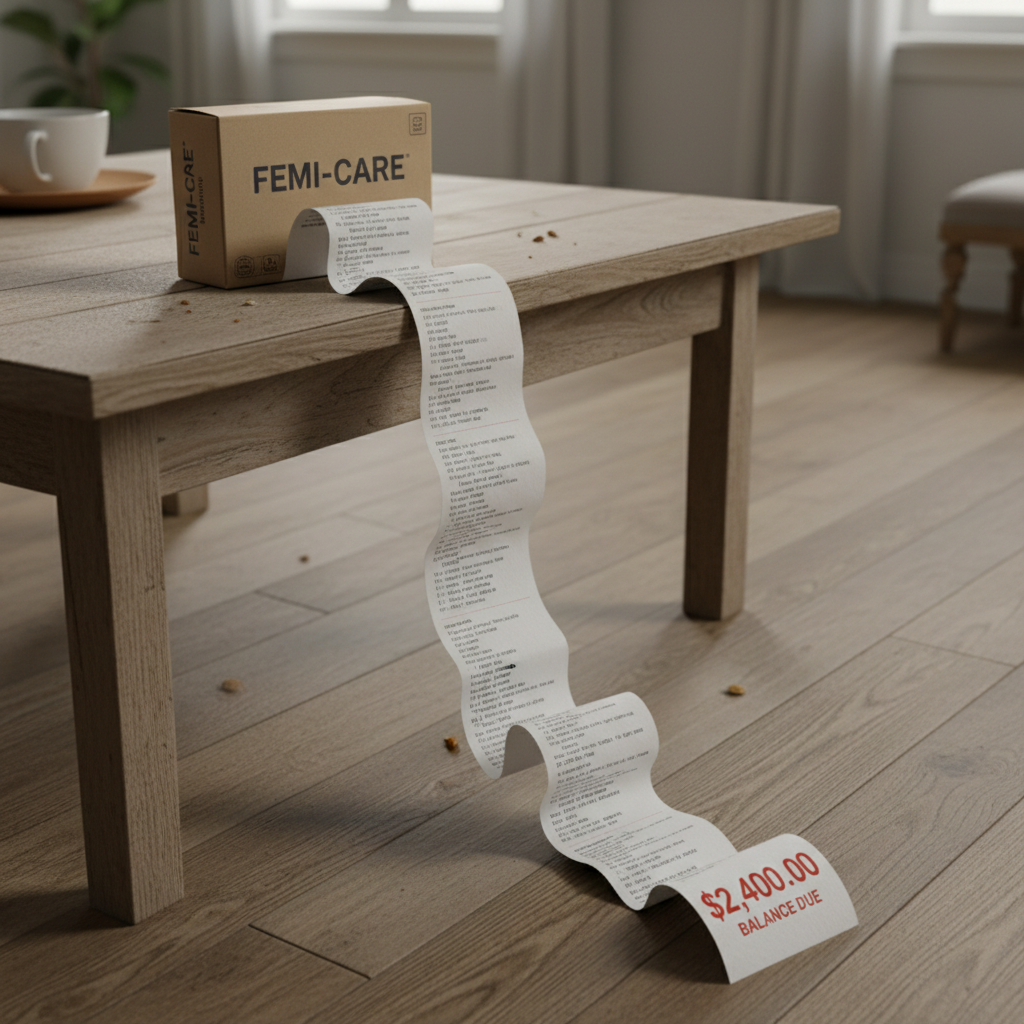
- Over 40 Years: $60/year x 40 = $2,400
That’s $2,400 spent on cotton you throw away. That’s a vacation, a down payment on a car, or a serious boost to your investment account. And this calculation doesn’t even account for inflation, emergency pharmacy runs for pricier boxes, or the pads and liners you buy ‘just in case’. The reality is, for many, this cost is much higher.
| Timeframe | Conservative Estimated Cost of Tampons |
|---|---|
| 1 Year | $60 – $120 |
| 5 Years | $300 – $600 |
| 10 Years | $600 – $1,200 |
| 40 Years (Lifetime) | $2,400 – $4,800+ |
When you see the numbers laid out, it’s infuriating. You’re locked into a system of endless purchasing. Every single month, you’re forced to hand over money for a biological necessity. It’s a perfect business model for them, but a terrible financial deal for you.
The Game-Changers: Meet Your New Budget-Friendly BFFs
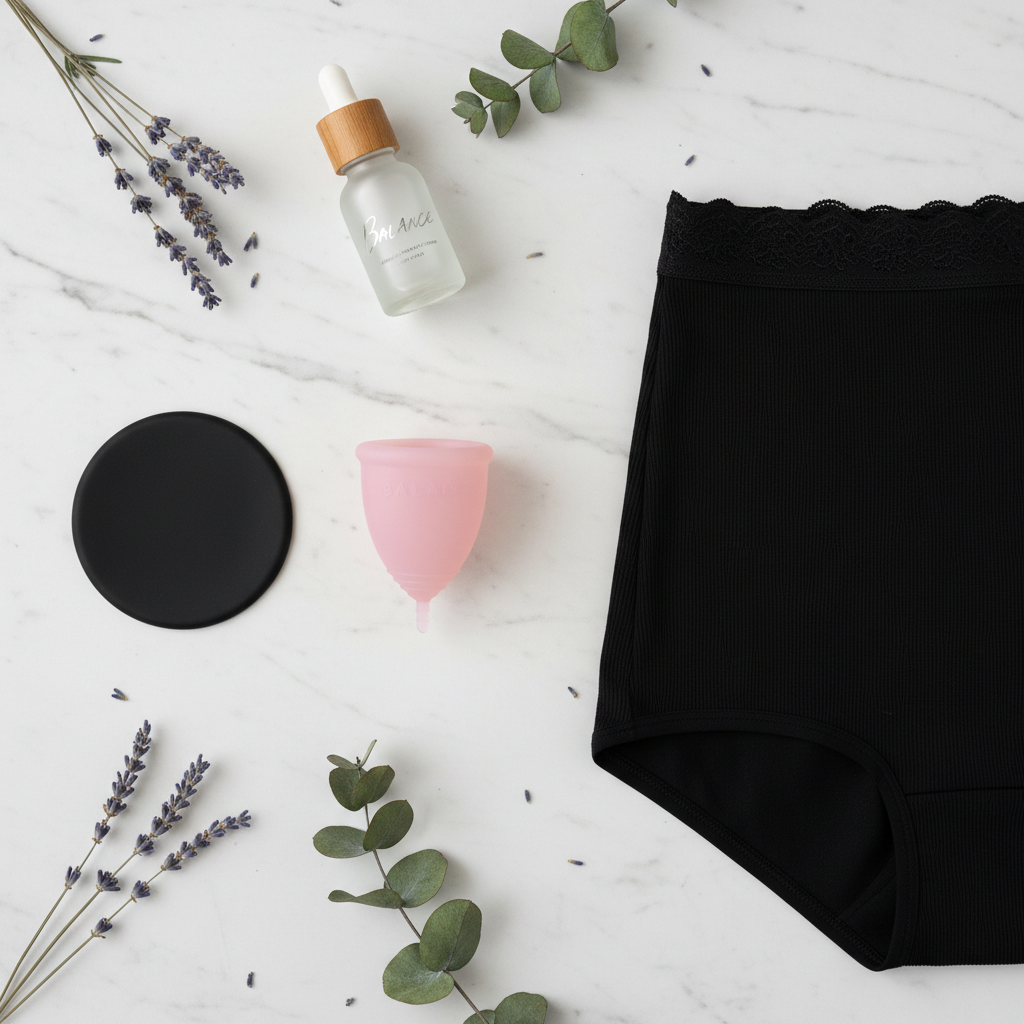
Alright, enough with the problem. Let’s talk about the solution. The world of period care has evolved, and the alternatives to disposable tampons are not just good for the planet—they are absolute powerhouses for your wallet. These are the one-time purchases that replace years of monthly spending.
Menstrual Cups
This is the OG game-changer. A menstrual cup is a flexible, bell-shaped device made of medical-grade silicone that you insert like a tampon. Instead of absorbing blood, it collects it. You empty it, wash it, and reinsert it. One cup can last for up to 10 years. Yes, you read that right. Ten. Years.
Menstrual Discs
Similar to a cup, a disc is a flexible ring with a soft, collection basin that you insert. It sits in a different position than a cup (higher up, near the cervix), which some people find more comfortable. They are also known for being compatible with mess-free period sex, which is a major selling point for many. Like cups, reusable versions can last for years.
Period Underwear
Imagine your favorite pair of comfy underwear, but with built-in, super-absorbent, leak-proof technology. That’s period underwear. You just wear them, and they absorb your flow. After use, you rinse them in cold water and toss them in the washing machine. They’re perfect for lighter days, as a backup to a cup or disc, or for people who hate internal products.
The Universal Pros
Whichever you choose, you’re signing up for a major upgrade:
- Massive Cost Savings: This is the big one. A one-time purchase of $30-$40 replaces hundreds of dollars in recurring costs.
- Convenience: Most cups and discs can be worn for up to 12 hours. That means you can go through your entire workday or a full night’s sleep without worrying about changing a tampon.
- Eco-Friendly: You’ll be diverting thousands of disposable products and their plastic applicators from landfills. Your budget and the planet both win.
- Better for Your Body: Tampons can contain bleach and dioxins and are associated with Toxic Shock Syndrome (TSS). Medical-grade silicone cups and discs don’t disrupt your natural pH or cause the dryness that tampons can.
The Math That Doesn’t Lie: Unpacking the Long-Term Savings
This is where the switch gets really exciting. Talk is cheap, so let’s look at the cold, hard numbers. We’ll compare the 10-year cost of sticking with tampons versus making a one-time investment in a menstrual cup or a starter set of period underwear. Prepare to have your mind blown.
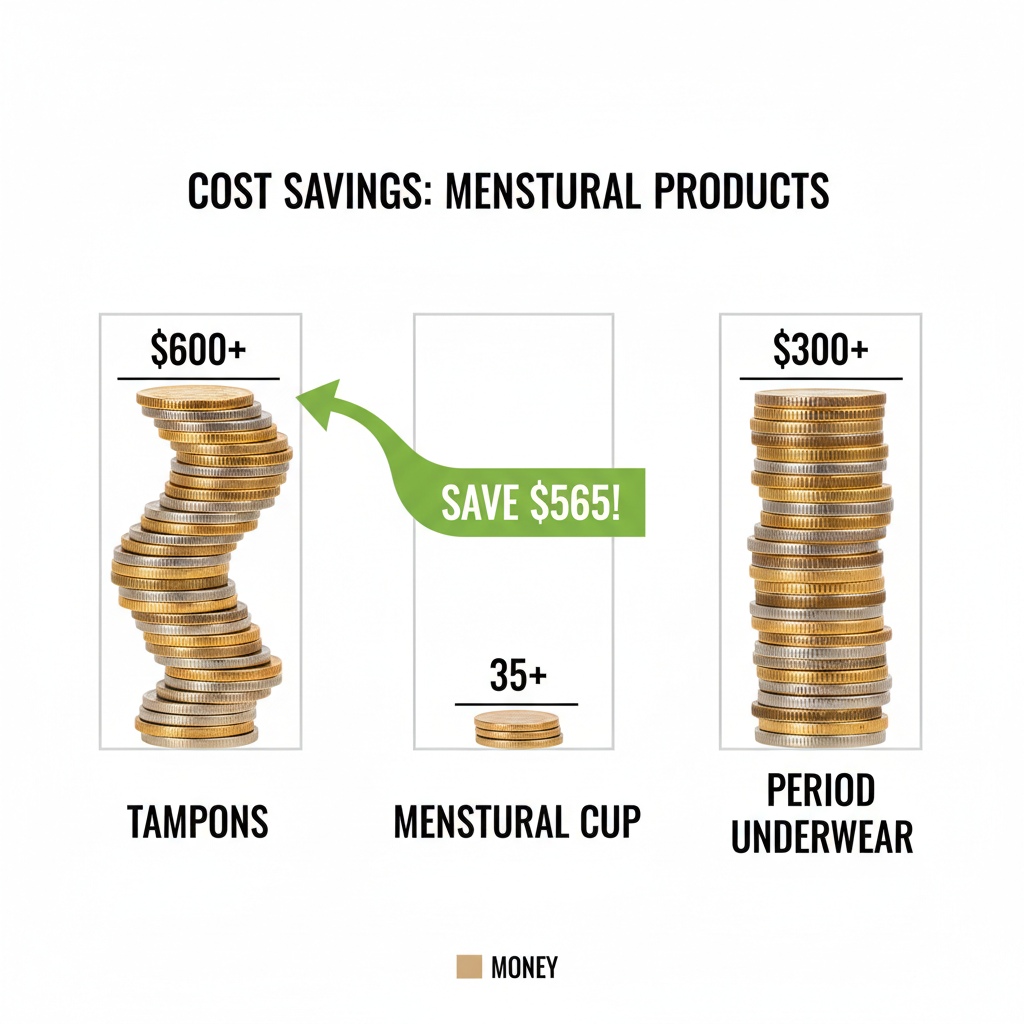
For this comparison, we’ll use our conservative estimate of $60/year for tampons. We’ll set the cost of a high-quality menstrual cup at $35 (which lasts up to 10 years) and a starter set of 5 pairs of period underwear at $150 (assuming they last around 5 years, so we’ll need two sets for a 10-year span).
| Period Care Method | Upfront Cost | Cost Over 10 Years | Total 10-Year Savings (vs. Tampons) |
|---|---|---|---|
| Tampons | ~$9/month | $600+ | $0 |
| Menstrual Cup | $35 (One-time) | $35 | $565 |
| Period Underwear | $150 (Starter Set) | $300 (Two sets over 10 years) | $300 |
Look at that chart. By investing just $35 in a menstrual cup, you are banking a minimum of $565 over the next decade. That’s free money you were previously throwing away. Even with the higher upfront cost of period underwear, you’re still coming out ahead by $300. And remember, our tampon cost is conservative. For many, the savings will be closer to $1,000 or more.
This isn’t about cutting coupons or skipping your latte. This is a single decision that pays you back, month after month, year after year. It’s one of the most powerful and simple frugal hacks you can implement. It’s the definition of working smarter, not harder, with your money.
Making the Switch: Your No-BS Guide to Getting Started

Okay, you’re convinced. You’re ready to stop the financial bleed. But where do you even start? The world of reusables can seem intimidating, but it’s simpler than you think. Here’s your straightforward plan of attack.
Step 1: Choose Your Weapon
Don’t just buy the first cup you see. A little research goes a long way. Your choice depends on your body and lifestyle.
- For Beginners or a Low Cervix: Look for a softer, smaller cup. Brands often have ‘Model 1’ or ‘Size A’ for people under 30 or who haven’t given birth vaginally.
- For a Heavy Flow or High Cervix: You’ll want a firmer cup with a larger capacity. Look for ‘Model 2’ or ‘Size B’.
- For the Super Active: A firmer cup is often better as it stays in place during exercise.
- If You Hate Internal Products: Period underwear is your answer. Start with a 3-5 pair set to get you through your cycle.
Step 2: Where to Buy & What to Look For
You don’t need to go to a specialty store. You can find major brands like DivaCup, Saalt, Cora, and The Honey Pot right at Target, Walmart, CVS, and online. When buying a cup or disc, look for two magic words: “medical-grade silicone”. Avoid cheap knockoffs from sketchy websites. Your health is worth the $35 investment in a reputable, FDA-cleared product. For underwear, look at reviews for absorbency and fit from brands like Thinx, Knix, and Bambody.
Step 3: Embrace the Initial Investment
Yes, you have to spend money to save money. Dropping $35 on a cup or $150 on underwear can feel steep compared to a $9 box of tampons. But reframe your mindset. This is not an expense; it’s an investment. Based on our math, a menstrual cup pays for itself in about 6-7 months. After that, it’s pure profit for the next 9.5 years. You have to play the long game to win the budget battle.
The key rule of frugal living: Pay once for quality that lasts, instead of paying forever for trash that doesn’t.
Overcoming the Hurdles: Real Talk About the Learning Curve

Let’s be brutally honest: switching to a cup or disc comes with a learning curve. Your first try might be awkward, messy, or just plain weird. This is normal. Tampons are designed to be foolproof and disposable; reusables require you to get a little more familiar with your own body. Don’t let the initial challenge scare you away from a decade of savings.
The ‘Ick’ Factor & The First Time
Getting comfortable with a cup takes practice. Here’s the cheat sheet:
- Relax: If you’re tense, your muscles will be tense. Take a deep breath. You can’t lose it inside you—that’s a myth.
- Fold It: There are many ways to fold a cup to make it smaller for insertion (the ‘C-fold’ or ‘punch-down fold’ are most popular). Look up a quick video tutorial.
- Get It In Position: Aim it back toward your tailbone, not straight up. Once it’s in, it should ‘pop’ open to create a seal. You can run a finger around the base to check.
- The Removal: This is the trickiest part for most. DO NOT just pull the stem. Bear down with your muscles (like you’re having a bowel movement) to push the cup lower. Pinch the base of the cup to break the seal, and then gently wiggle it out.
The Public Restroom Panic
This is a major fear, but it’s manageable. Remember, you can wear a cup for up to 12 hours, so you can often time your changes for when you’re at home. If you do get caught in a public stall, you have options:
- Bring a small water bottle into the stall with you to rinse it over the toilet.
- Use toilet paper to wipe it out before reinserting.
- Carry specialized cup wipes or sanitizers.
Leaks Happen. Don’t Give Up.
Your first one or two cycles might not be perfect. You might experience some leaks as you figure out the right positioning and ensure the cup is fully open. It’s smart to wear a backup liner or a pair of period underwear for your first few tries until you feel confident. Finding the right cup for your specific anatomy can also be a process of trial and error.
The Three-Cycle Rule: Promise yourself you’ll try it for at least three full cycles. The first is for figuring out the mechanics. The second is for getting comfortable. By the third, you’ll be a pro, and you’ll wonder why you ever wasted so much money on tampons.
Conclusion
The choice is clear. You can continue on the hamster wheel of disposable period products, spending thousands of dollars over your lifetime for the sake of convenience. Or, you can make a one-time investment in a product that gives you financial freedom, comfort, and peace of mind for up to a decade. This isn’t just about being cheap; it’s about being smart. It’s about identifying a massive, unnecessary money leak in your budget and plugging it for good.
Making the switch to a menstrual cup, disc, or period underwear is one of the highest-impact frugal decisions you can make. The savings are not hypothetical—they are real, measurable, and substantial. That’s money that can go toward paying off debt, building your emergency fund, investing for the future, or just living a little more freely. Stop renting your period care. It’s time to own it. Make the switch, bank the savings, and never look back.
Disclaimer: This article is for informational and financial empowerment purposes only and does not constitute medical advice. Always consult with a gynecologist or qualified healthcare provider to discuss your menstrual health and determine which period product is right for your specific body and needs.