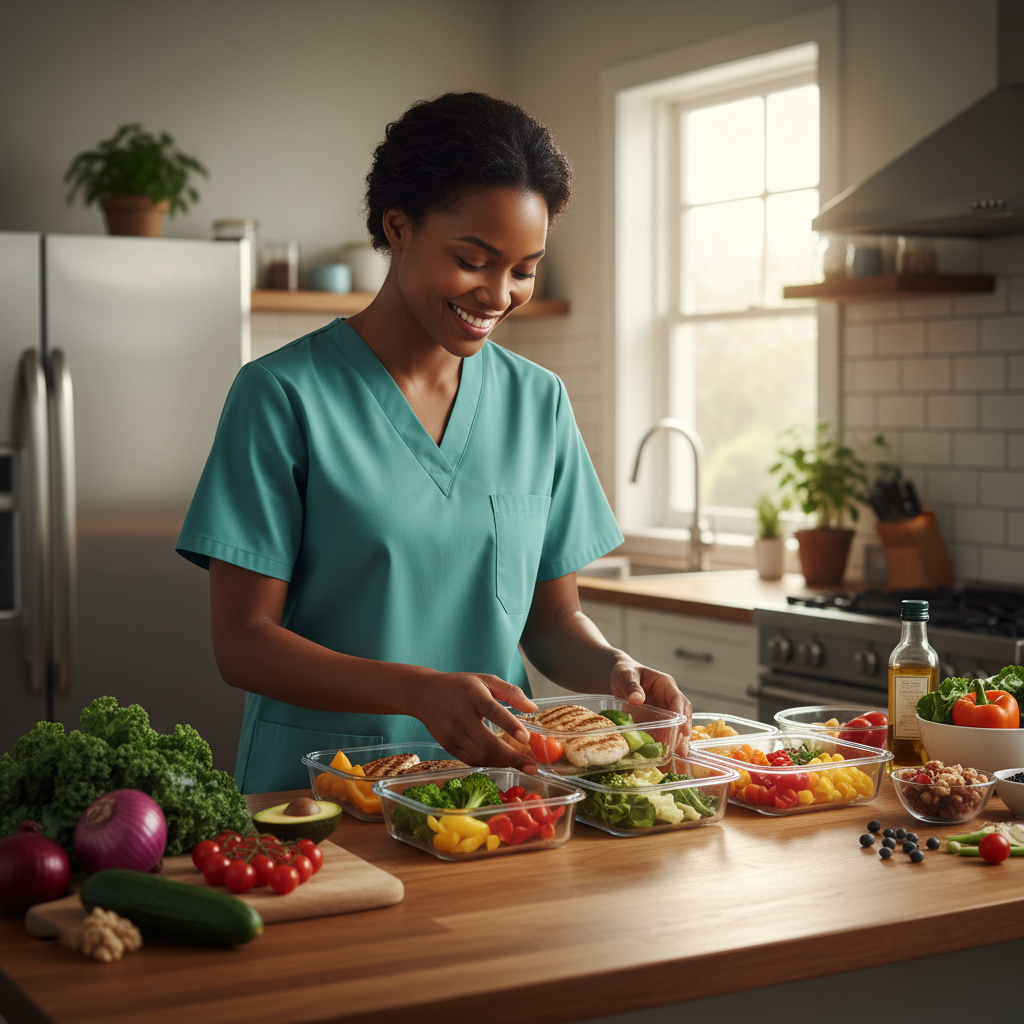

Let’s be real. After a 12-hour shift of saving lives, the last thing you want to do is cook. The siren song of the drive-thru or the convenience of the overpriced hospital cafeteria is deafening. But that convenience comes at a cost—to your wallet, your waistline, and your sanity. You’re trading your hard-earned cash for mediocre food that leaves you feeling sluggish. It’s a cycle that keeps you tired and broke. It’s time to break that cycle. This isn’t another guide with complicated recipes that require a culinary degree. This is a street-smart, no-fluff system designed for you: the exhausted, overworked, but incredibly resilient nurse who deserves better. We’re talking about a one-hour-a-week commitment to reclaim your lunch break, fuel your body properly, and save a serious chunk of change. Forget the microwave—you won’t need it. Let’s hack your week.
The ‘Why’: Ditching the Cafeteria Debt Trap & Takeout Temptation
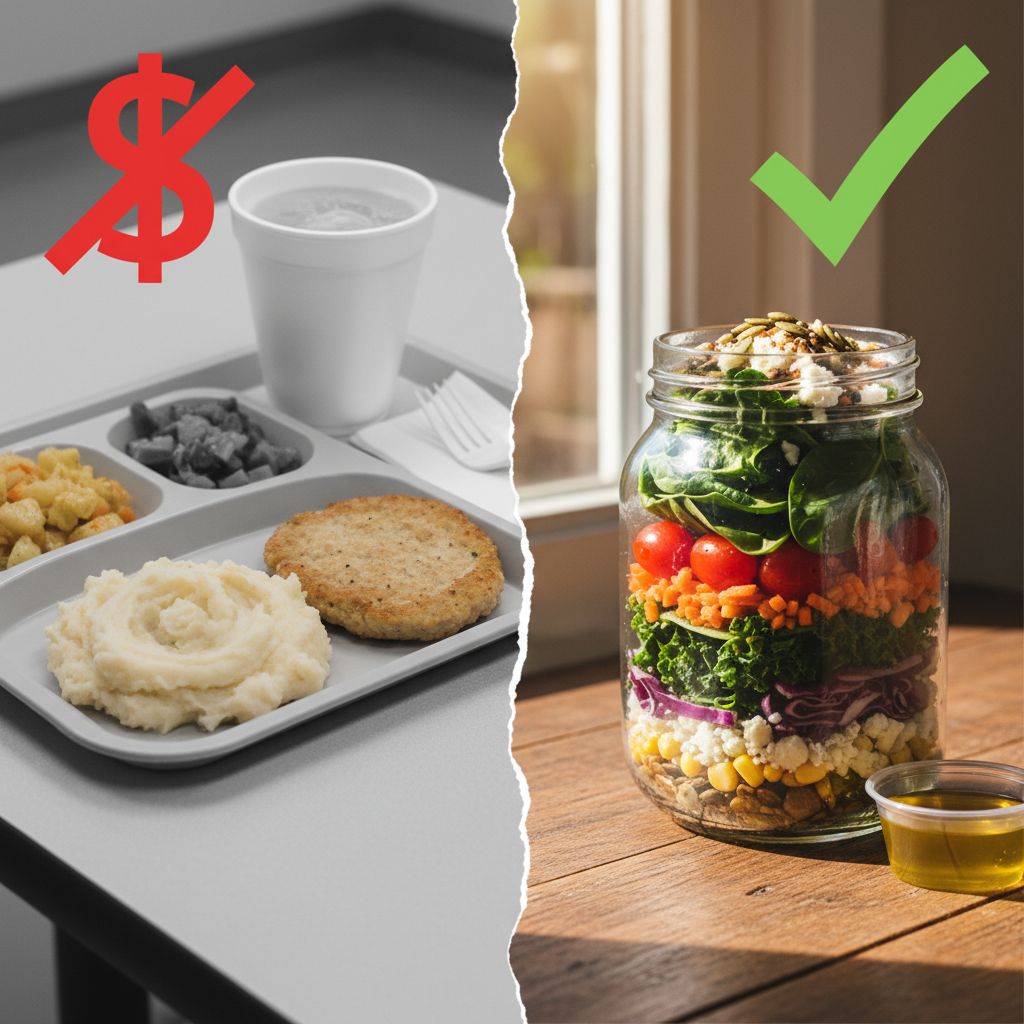
Before we get into the ‘how,’ let’s get brutally honest about the ‘why.’ That $12 salad or $15 sandwich from the cafe downstairs seems harmless in the moment. It’s just one meal. But it’s a financial death by a thousand cuts. You work too hard to throw your money away on bland, overpriced food. When you’re running on fumes, willpower is the first thing to go, and corporations prey on that. They bank on your exhaustion. Taking control of your meals is an act of rebellion against that system. It’s you telling the world that your health and your money are non-negotiable.
Think about the math. It’s not just about the money; it’s about what that money represents. It’s a weekend trip, a student loan payment, a spa day you desperately need. Every prepped meal is a vote for your future self. Let’s look at the cold, hard numbers—the kind that will light a fire under you to finally make a change.
| Lunch Option | Cost Per Day | Cost Per Week (5 shifts) | Cost Per Year |
|---|---|---|---|
| Hospital Cafeteria / Takeout | ~$15.00 | $75.00 | $3,900 |
| DIY Meal Prep | ~$3.50 | $17.50 | $910 |
| Your Annual Savings | $2,990 |
Seeing it in black and white is a gut punch, right? Nearly $3,000 a year. That’s not chump change; that’s life-changing money. That’s the power you’re handing back to yourself with this one simple habit shift.
The Game Plan: Your 1-Hour Weekend Warrior Prep Strategy
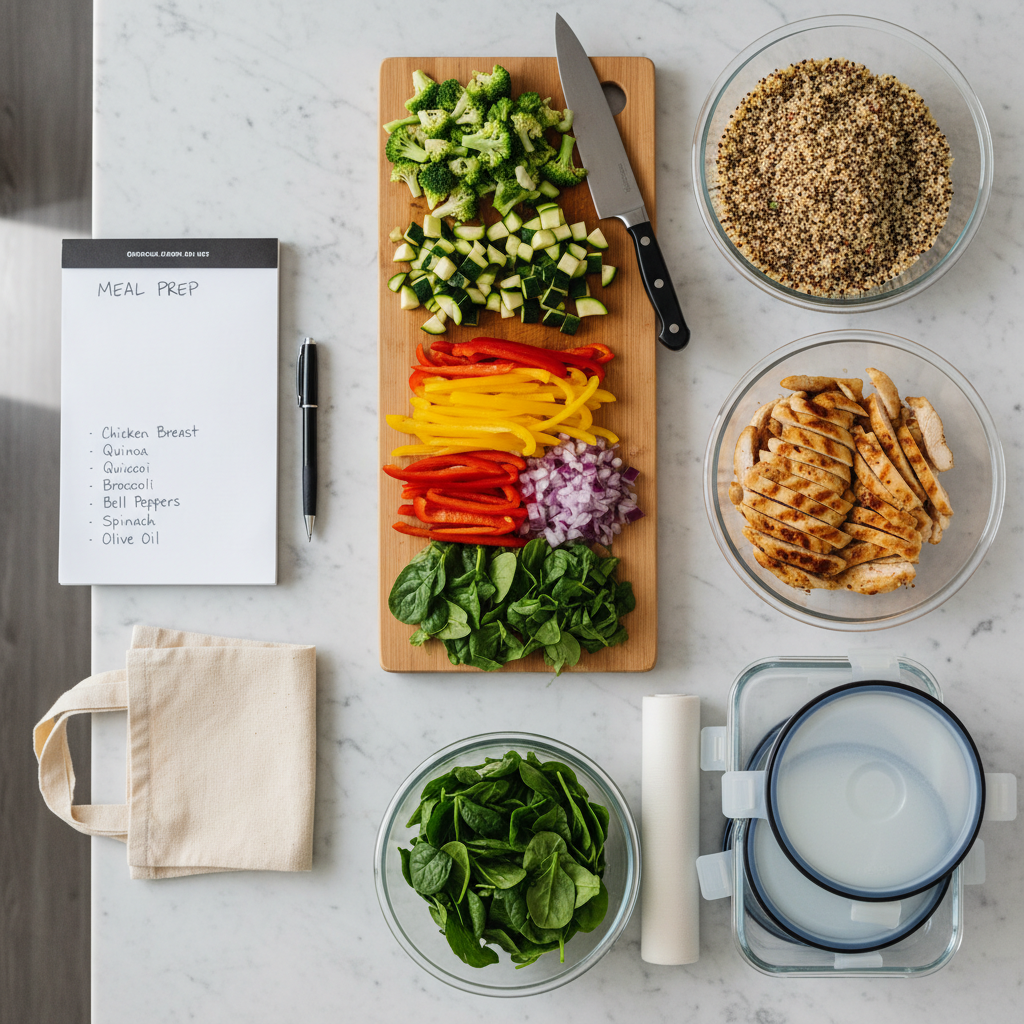
Okay, you’re fired up. You see the savings. Now, how do you execute this without sacrificing one of your precious days off? It’s not about cooking for hours; it’s about prepping smart. This is your one-hour power play to set yourself up for a week of wins. Put on your favorite podcast, pour a glass of something nice, and let’s get to work.
The System: Batch, Chop, Assemble
This isn’t about making five completely different, elaborate meals. It’s about creating components you can mix and match. Think of it as creating your own personal, healthy Subway station in your fridge.
- Step 1: The 10-Minute Brain Dump & List. Before you even think about the store, grab a notepad. Write down 1-2 grains (quinoa, brown rice, pasta), 2-3 proteins (chicken breast, chickpeas, hard-boiled eggs), 4-5 veggies (peppers, cucumber, spinach, carrots, onions), 1-2 healthy fats (avocado, nuts, seeds), and 1-2 dressings/sauces. This is your shopping list. No more wandering the aisles aimlessly.
- Step 2: The 20-Minute ‘Batch & Cook’. Get your grains cooking on the stovetop or in a rice cooker. If you’re using chicken, get it in the oven to bake. Hard-boil your eggs. This is your ‘passive’ cooking time. While these things are happening on their own, you move to the next step.
- Step 3: The 20-Minute ‘Chop & Wash’. This is where the music comes in. Wash and chop all your vegetables. Dice the peppers, shred the carrots, slice the cucumbers. Store each component in its own container in the fridge. This is the single most important step. When everything is ready to grab, assembling a meal takes seconds.
- Step 4: The 10-Minute ‘Cool & Store’. Once your grains and proteins are cooked, let them cool completely. Then, store them in large containers. Do NOT assemble your meals for the whole week right now, unless they are mason jar salads. Why? Because nobody wants a soggy salad on Thursday. You’ll do a 2-minute assembly each morning or the night before.
Key Rule: Your refrigerator should look like a well-stocked salad bar, not a pile of pre-packaged, identical meals. This gives you the flexibility to build what you’re craving each day, fighting off flavor fatigue.
The Arsenal: 5 No-Microwave, No-Fuss Meal Blueprints
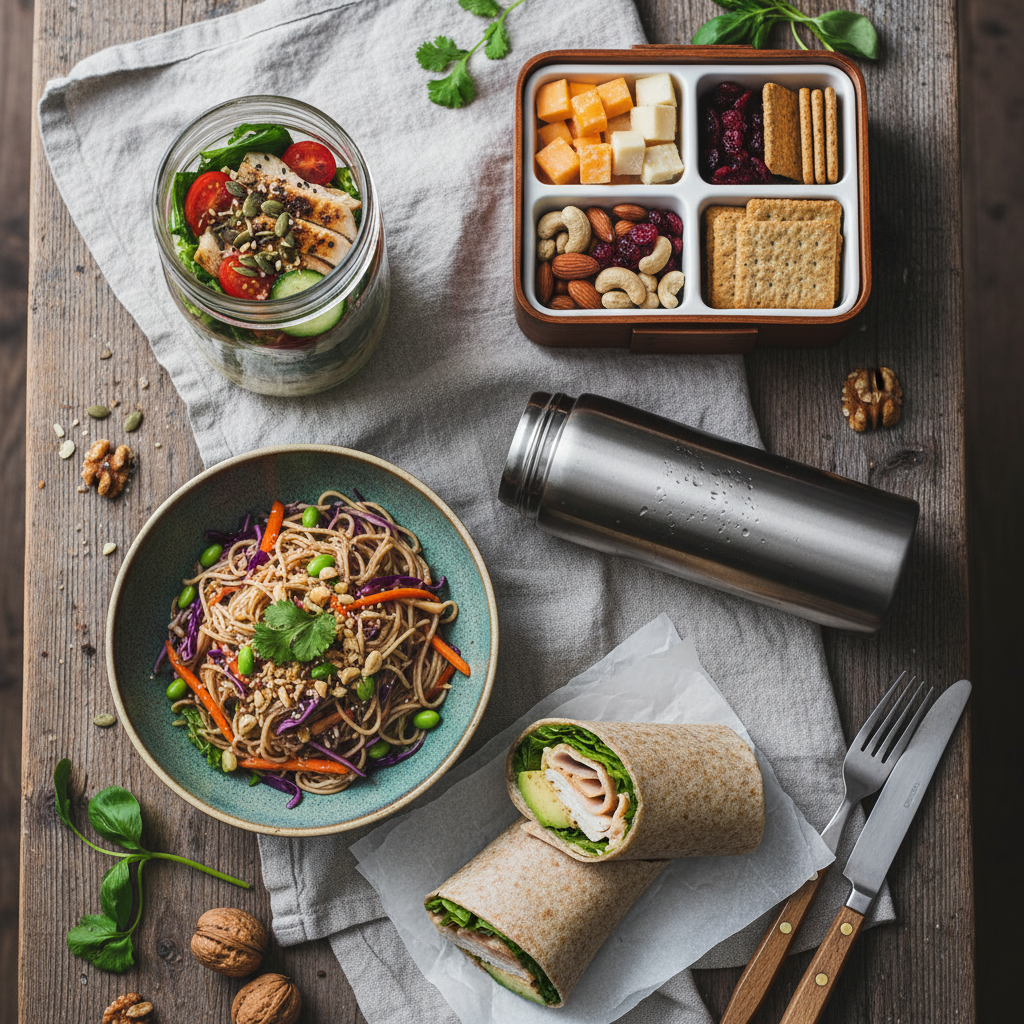
The biggest hurdle with no-microwave lunches is the fear of eating boring, cold food. Forget that. These blueprints are designed to be delicious at room temperature or straight from the fridge. They are templates, not strict recipes. Mix, match, and make them your own.
Blueprint 1: The Indestructible Mason Jar Salad
The trick is layering. This prevents sogginess and keeps everything crisp until you’re ready to shake it up. The order is critical: Bottom Layer: 2-4 tbsp of dressing. Second Layer: Hard veggies (carrots, peppers, chickpeas, onions). Third Layer: Grains & Proteins (quinoa, chicken, beans). Top Layer: Soft stuff (greens like spinach, avocado, cheese, nuts). Pack it tight. When you’re ready to eat, shake vigorously and pour it into a bowl.
Blueprint 2: The ‘Adult Lunchable’ Bento Box
Think sophisticated snacking. This is all about compartments and variety. It requires zero cooking if you use pre-cooked elements. Formula: 1 Protein (hard-boiled eggs, deli turkey roll-ups, hummus) + 1 Fruit (grapes, apple slices) + 1 Veggie (cherry tomatoes, snap peas) + 1 Crunchy Element (crackers, pretzels, nuts) + 1 Treat (a piece of dark chocolate).
Blueprint 3: The Thermos Power Bowl
Your thermos isn’t just for coffee. In the morning, heat up a hearty soup, chili, or stew that you prepped over the weekend. Pour it into a quality, pre-heated thermos (fill it with boiling water for 5 minutes first, then dump it out). It will stay perfectly hot for hours. Think lentil soup, chicken noodle, or a veggie chili. It’s a warm, comforting meal without needing a communal microwave.
Blueprint 4: The Cold Noodle & Grain Bowl
These are intentionally served cold and are incredibly satisfying. Formula: Start with a base of cooked, chilled noodles (soba, whole wheat spaghetti) or grains (quinoa, farro). Add a protein (edamame, leftover baked tofu, shredded chicken). Pile on the fresh veggies (shredded cabbage, carrots, cilantro). Drizzle with a killer sauce (peanut-lime, sesame ginger). Pack the sauce separately to add right before eating.
Blueprint 5: The Upgraded Wrap or Pinwheels
Forget flimsy, sad wraps. Use a large, high-quality tortilla. Spread a flavorful base like hummus or cream cheese. Add a layer of protein (sliced chicken, turkey, or mashed chickpeas). Add a layer of crisp greens like spinach. Roll it up as tightly as you can in plastic wrap or foil. It will hold its shape perfectly. For pinwheels, simply slice the tight roll into 1-inch pieces.
Hacking Your Energy: Beating the Prep Burnout
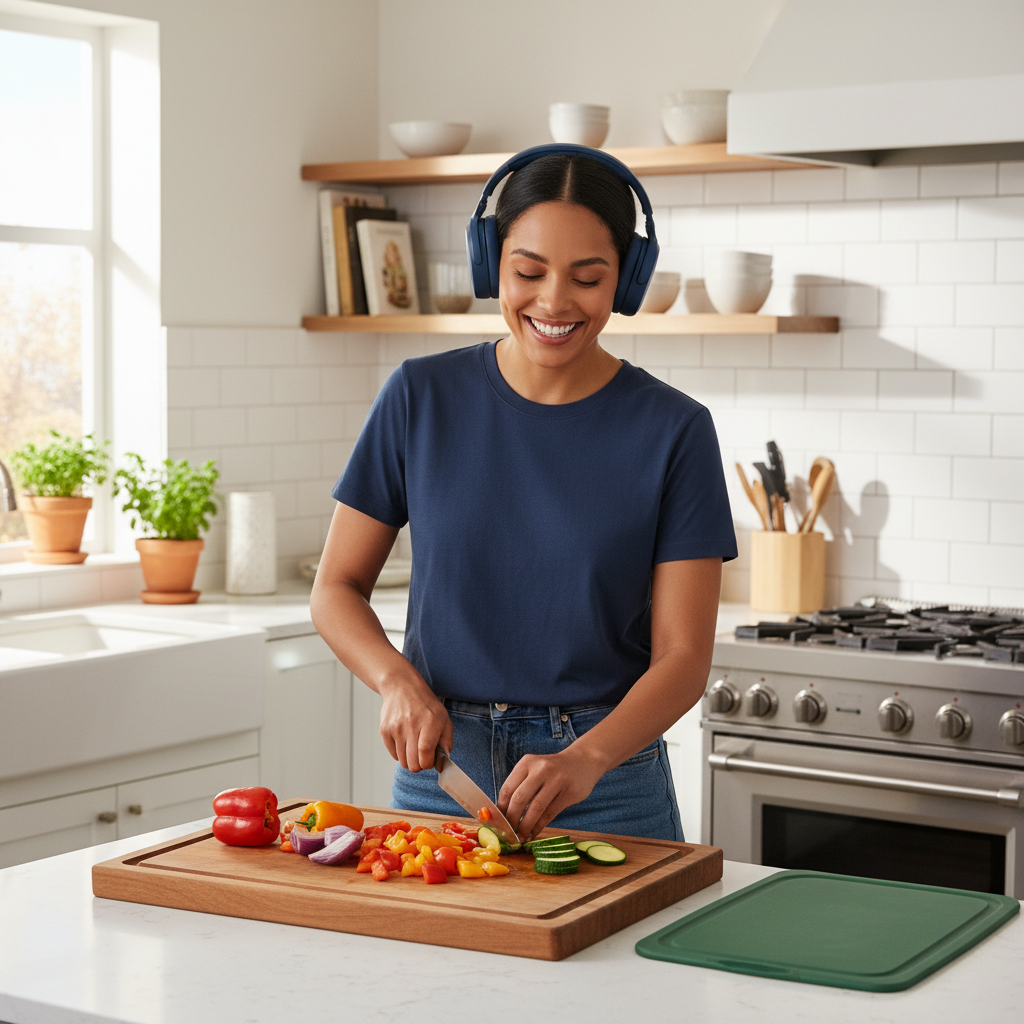
Let’s be honest, even a one-hour prep session can feel like a marathon after a long week. The key to consistency is making the process itself less of a chore. If you hate it, you won’t stick with it. Here’s how to protect your energy and make meal prep a sustainable habit, not another source of stress.
- Find Your ‘Power Hour’: Don’t force yourself to prep Sunday night if you’re already dreading Monday. Maybe your energy is highest on Saturday morning. Or maybe you split it into two 30-minute sessions. Find the time slot that feels like the path of least resistance and guard it fiercely.
- Habit Stacking: Pair meal prep with something you already do or enjoy. Do you always listen to a specific podcast or call your family on Sundays? Make that your official ‘prep soundtrack.’ Tying the new habit to an existing one makes it feel automatic.
- The ‘Good Enough’ Rule: Perfection is the enemy of progress. Your chopped veggies don’t need to be perfectly uniform. You don’t need to prep five different meals. If all you can manage is batch-cooking some chicken and washing some lettuce, that is a massive win. Celebrate the small victories.
- Build a ‘Zero-Effort’ Backup Plan: Some weeks are just brutal. For those times, have a ‘break glass in case of emergency’ plan. This could be a few healthy frozen dinners, a low-sugar protein bar and an apple, or the ingredients for a 5-minute smoothie. Having a backup prevents you from defaulting to the drive-thru and feeling guilty about it.
- Embrace the Shortcut: There is no shame in buying pre-chopped veggies, a rotisserie chicken, or canned beans. Yes, it costs a little more, but if it’s the difference between prepping and not prepping, it’s money well spent. Your time and sanity are valuable resources. Spend a little cash to save a lot of energy.
Conclusion
Look at you. You have the numbers, the strategy, and the blueprints to completely transform your work week. This is about so much more than just lunch. It’s about taking back control from a demanding job that tries to dictate everything from your sleep schedule to your eating habits. It’s about fueling your body with the good stuff it needs to perform at its best, both on and off the clock. And it’s about putting $3,000 a year back where it belongs: in your pocket.
Don’t try to do it all at once. Start small. Pick one blueprint this week. Just one. Buy the ingredients, put on some music, and give it a try. See how it feels to walk past the cafeteria, knowing you have a delicious, healthy, and practically free meal waiting for you. You’ve got this. Now go be the hero of your own lunch break.


Makenzie is the founder and lead writer at MoneyHackTips.com — a personal finance blog dedicated to delivering street-smart financial wisdom for real people on real budgets. With 300+ published articles covering everything from debt management to investing fundamentals, Makenzie’s mission is to make every dollar work harder. When not writing about money hacks, Makenzie is testing frugal living strategies, optimizing side hustles, and helping readers build financial freedom from scratch.