15 Inflation-Proof Pantry Staples You Need to Stockpile Now
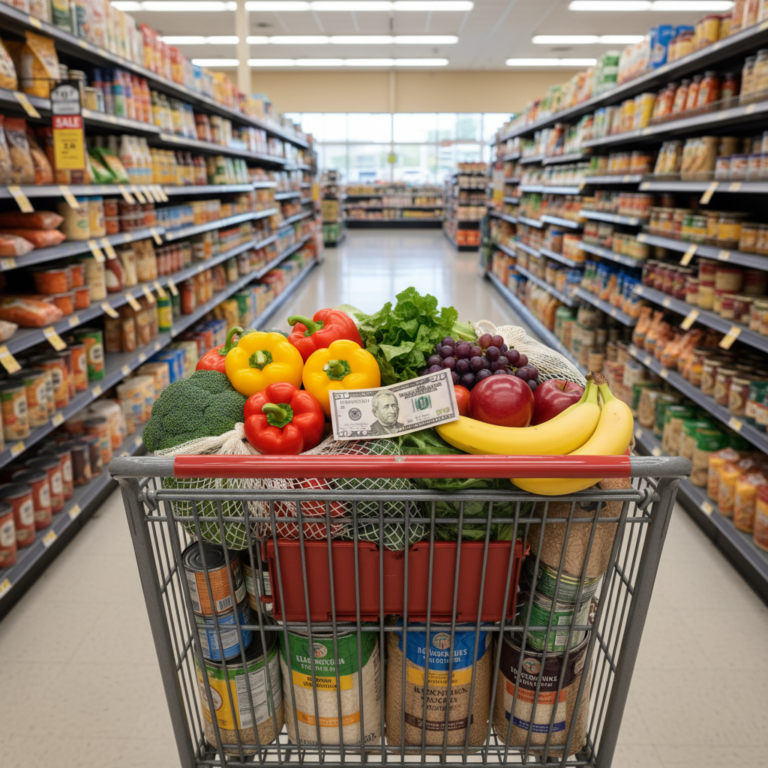
Listen up. You’ve seen it, you’ve felt it. Your grocery bill is creeping up, and what used to cost $100 now feels like it’s pushing $150 or more. That’s inflation, and it’s a silent pickpocket raiding your wallet every time you hit the checkout. But what if you could fight back? What if you could build a financial fortress right in your kitchen? That’s what we’re talking about today.
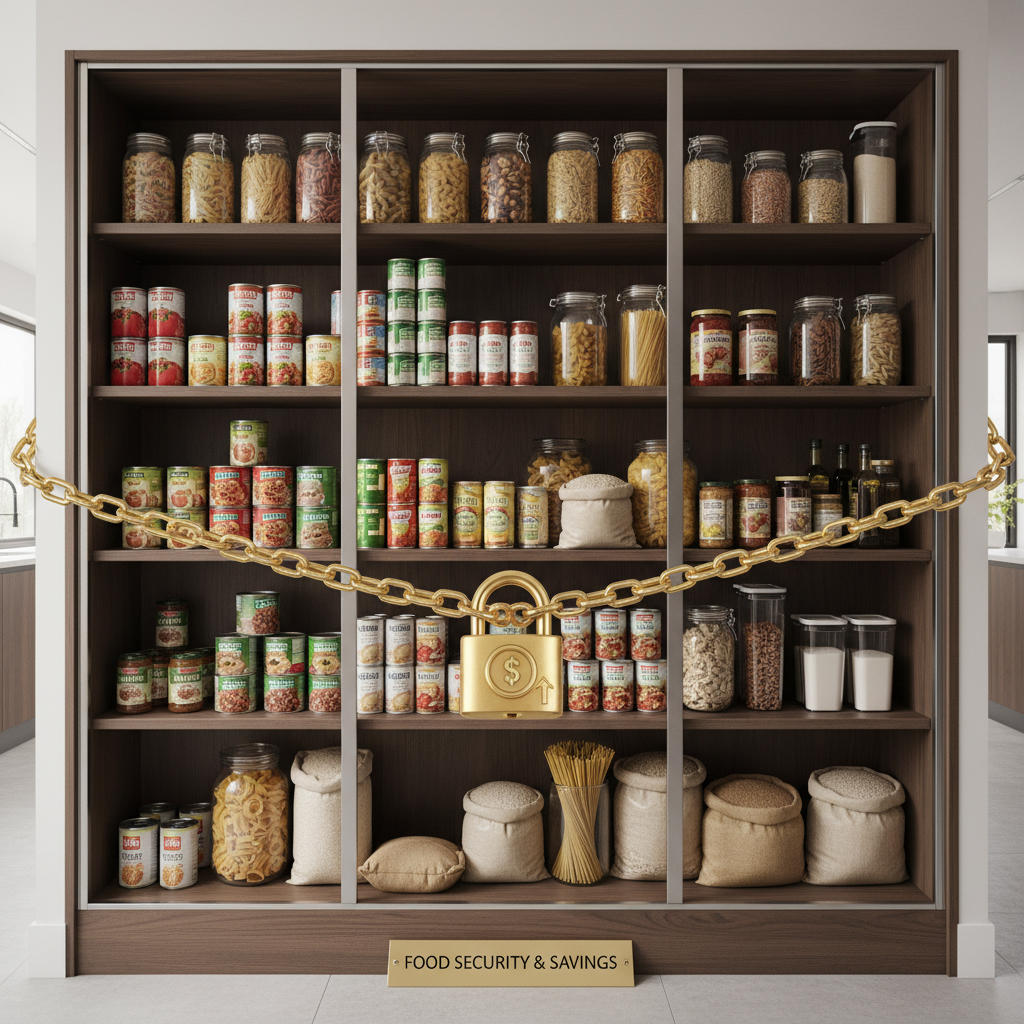
This isn’t about doomsday prepping or hoarding. This is a street-smart financial strategy. It’s about identifying the bedrock items—the pantry staples that have a long shelf life and are the foundation of countless meals—and stocking up when the price is right. By creating a strategic stockpile, you’re essentially buying future food at today’s (or yesterday’s sale) prices. You’re taking control, insulating your budget from market volatility, and ensuring you always have the building blocks for a cheap, delicious meal. It’s time to stop letting grocery stores dictate your financial future. Let’s build your inflation-proof pantry and turn your kitchen into a money-saving machine.
The Foundation: Grains, Legumes & Pasta
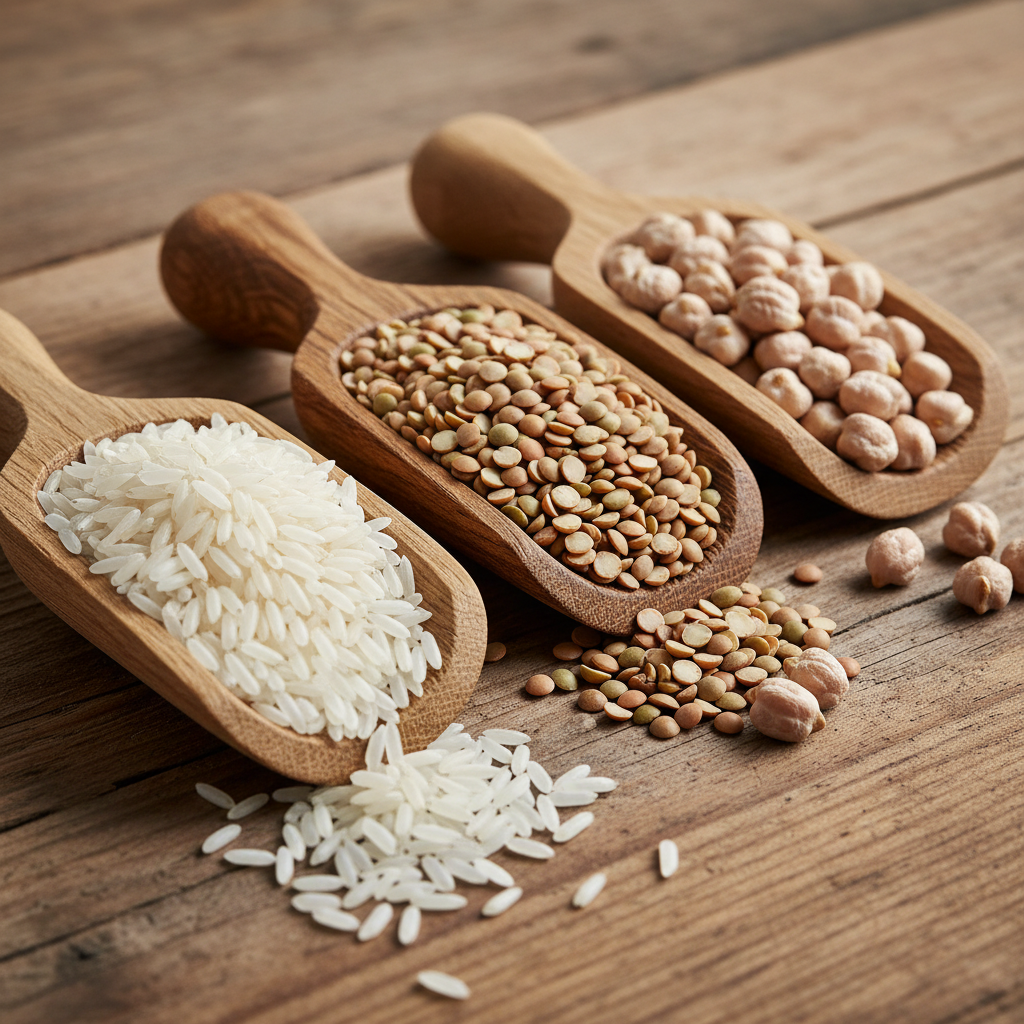
This is ground zero for your frugal pantry. Grains and legumes are the unsung heroes of budget cooking. They’re dirt cheap, incredibly versatile, and can be stored for years without issue. When you buy these items, you’re buying meal security.
1. White Rice
Forget the fancy brown or wild rice for long-term storage. The oils in brown rice can make it go rancid in about six months. Plain old white rice, stored in an airtight container away from light and moisture, can last for decades. Seriously. It’s the ultimate meal extender, perfect for pairing with stir-fries, curries, or just some beans for a complete protein. A 20-pound bag can feel like a big upfront cost, but the cost per serving is pennies. It’s a no-brainer.
2. Pasta
From spaghetti to penne, dried pasta is a cheap carbohydrate that forms the base of a thousand different easy meals. It regularly goes on sale for $1.00 a box or less. When it hits that price point, it’s time to stock up. Don’t just buy one or two; buy ten. It will last for at least two years past its ‘best by’ date, giving you a quick dinner option that costs next to nothing.
3. Rolled Oats
Oats aren’t just for breakfast. Yes, they make for an incredibly cheap and filling start to your day, but you can also grind them into flour for baking, use them as a binder in meatloaf or burgers, or make granola. A large canister of old-fashioned rolled oats is one of the best nutritional bargains in the entire supermarket.
4. Dried Beans & Lentils
Canned beans are convenient, but dried beans are where the real savings are. A one-pound bag of dried black beans costs about the same as a single can, but it will yield 4-5 times the amount once cooked. We’re talking massive savings. They are packed with protein and fiber, making them a powerhouse for stretching meat-based dishes or replacing meat altogether. Lentils are even better—they cook faster and don’t require soaking. Master cooking dried beans, and you’ll unlock a new level of frugal living.
Flavor & Fat Powerhouses
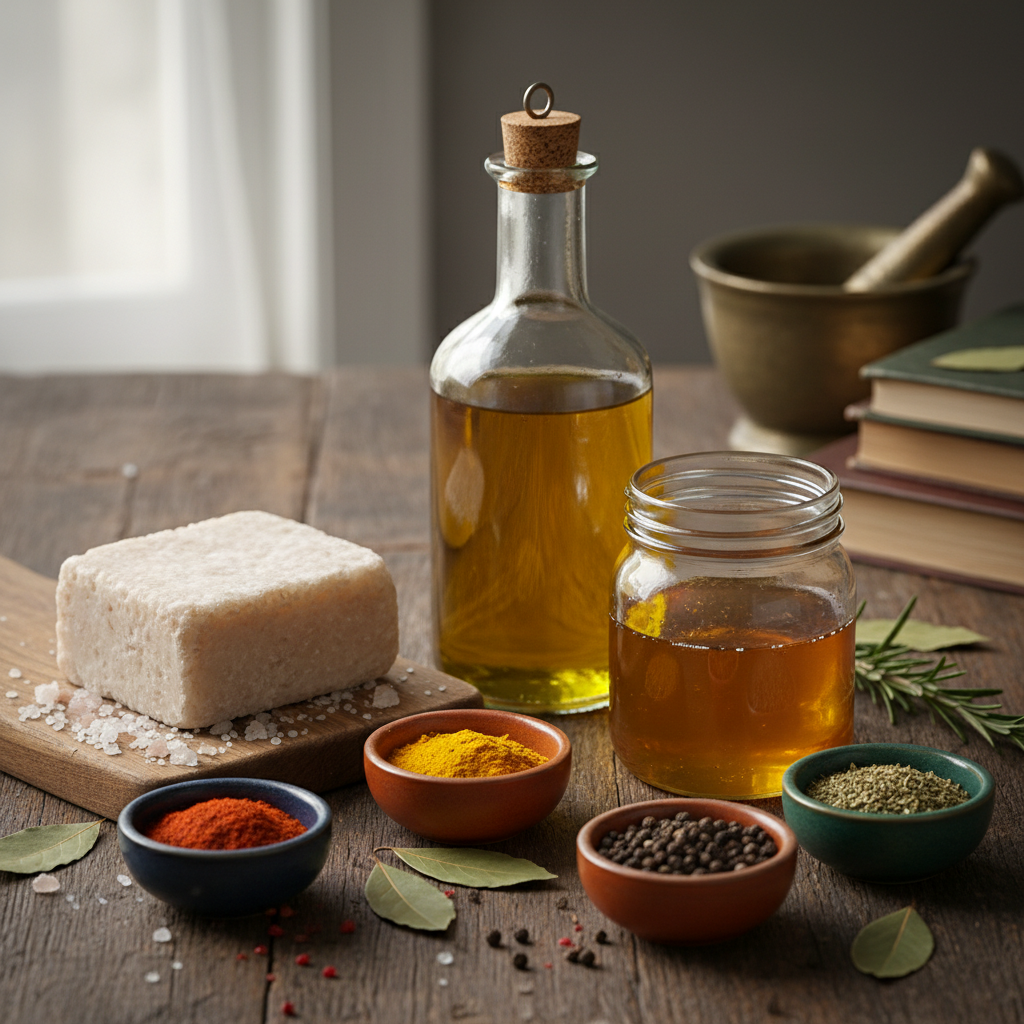
A meal is nothing without flavor, and fats are essential for cooking and satiety. These are the items you use in small amounts every single day, and those small costs add up. Buying them in larger quantities when they’re on sale is a guaranteed win for your budget.
5. Cooking Oil
Whether it’s vegetable, canola, or olive oil, you need it for cooking. Prices for fats and oils are notoriously volatile. When you see a sale on those big jugs of cooking oil, grab one. It’s a staple you will always use, and having an extra on hand means you’ll never be forced to buy a small, overpriced bottle at full price just because you ran out.
6. Salt
Salt is essential for life and for making food taste good. It’s also incredibly cheap and will literally last forever. Buy a big box of iodized salt for general cooking and a separate container of kosher or sea salt for finishing dishes. The cost is minimal, and you’ll be set for years.
7. Sugar & Honey
Like salt, sugar has an indefinite shelf life if kept dry. It’s a basic for baking, sweetening drinks, and balancing flavors in savory dishes. Honey is another superstar; it’s a natural sweetener that never spoils. In fact, archaeologists have found pots of honey in ancient Egyptian tombs that are still perfectly edible. It’s a great natural sweetener to have on hand.
8. Bouillon Cubes/Powder
This is your secret weapon for instant flavor. Bouillon cubes or powder are concentrated stock that can transform water into a savory base for soups, stews, sauces, and cooking grains. They take up virtually no space, cost very little, and last for a very long time. They provide that deep, simmered-all-day flavor in minutes, saving you time and money compared to buying liquid broths.
Canned Goods: Your Convenience Command Center
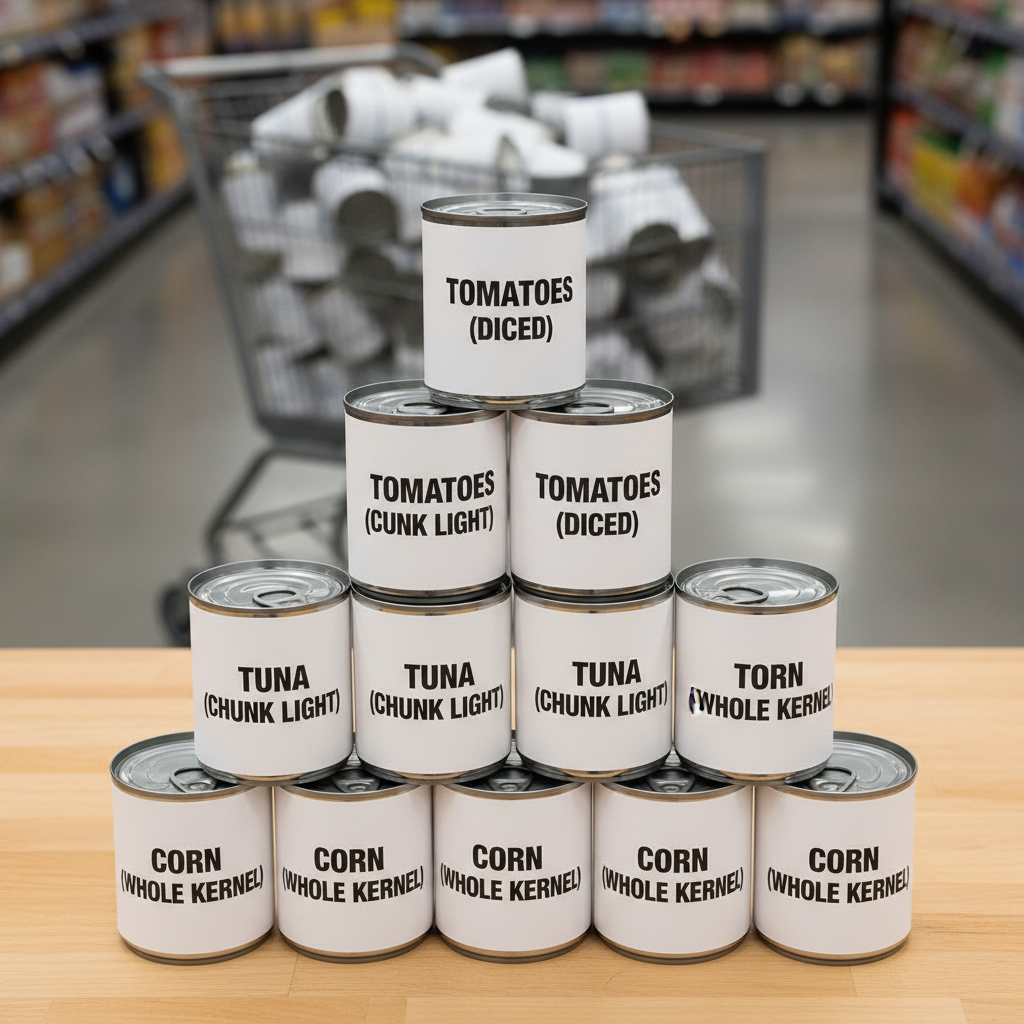
Canned goods are the backbone of a well-stocked pantry. They offer peak-season produce and protein year-round at a stable price. The key is to ignore the brand names and focus on the store brands, which are often identical products for a fraction of the cost.
9. Canned Tomatoes
Diced, crushed, or whole, canned tomatoes are a must-have. They are the foundation for pasta sauces, soups, chilis, and countless other dishes. The price of fresh tomatoes can swing wildly depending on the season, but canned tomatoes are always affordable and ready to go.
10. Canned Tuna/Sardines/Salmon
Having shelf-stable protein is a game-changer. Canned fish is an excellent source of protein and healthy omega-3 fatty acids. It’s perfect for quick lunches like sandwiches and salads or can be worked into casseroles and pasta dishes for a cheap and healthy dinner. When you see a ‘5 for $5.00‘ sale, that’s your signal to load up.
11. Canned Vegetables & Fruit
While fresh is great, having canned corn, green beans, peas, or peaches on hand means you always have a side dish or a healthy dessert option available. They are perfect for those nights when you’re low on fresh produce and need to round out a meal. This is an area where brand loyalty is a total waste of money. The store brand is almost always just as good.
| Item (15oz Can) | Premium Brand Name Price | Store Brand Price | Potential Savings per Can |
|---|---|---|---|
| Diced Tomatoes | $2.29 | $0.99 | $1.30 |
| Canned Corn | $1.99 | $0.89 | $1.10 |
| Chunk Light Tuna (5oz) | $2.49 | $1.19 | $1.30 |
| Black Beans | $1.89 | $0.95 | $0.94 |
The Multi-Taskers & Long-Haulers
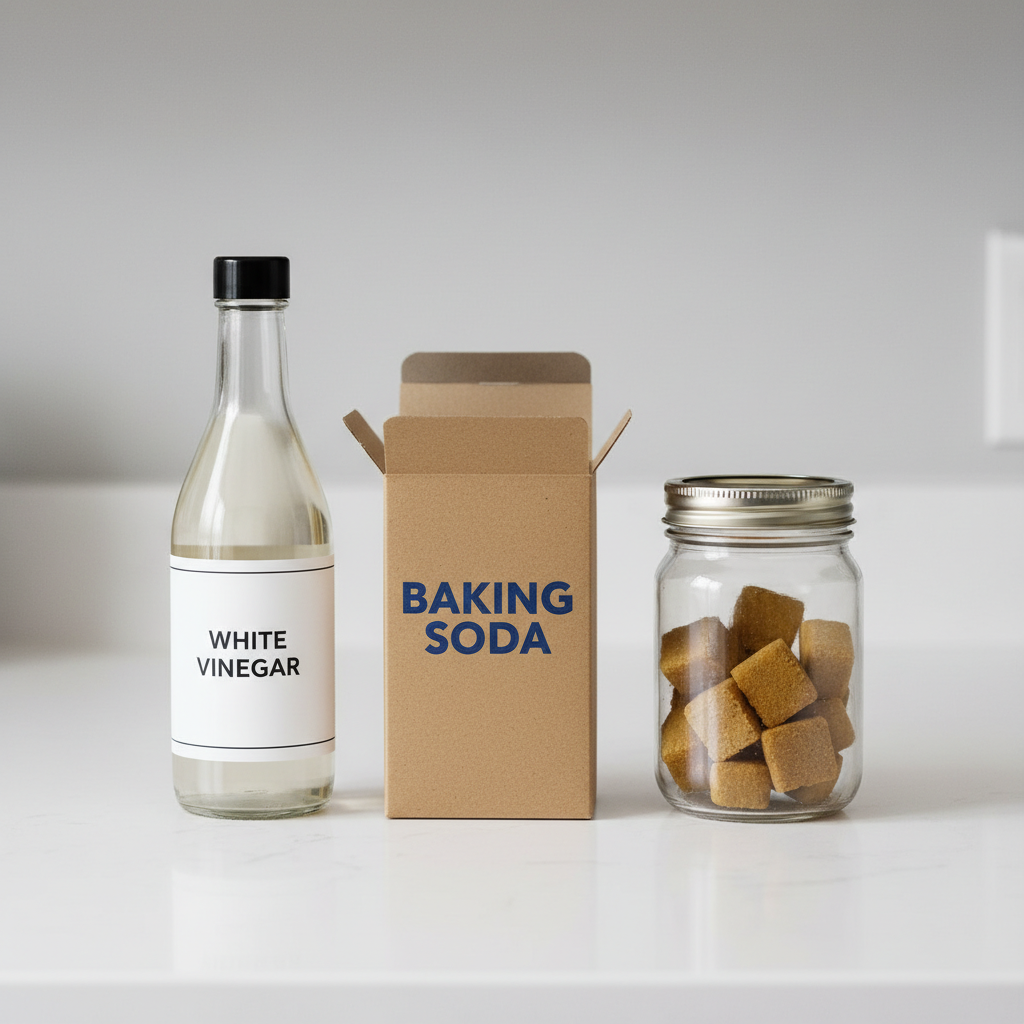
The final category is for the true utility players of your pantry. These items have incredibly long shelf lives and serve multiple purposes, from cooking and baking to cleaning, making them some of the highest-value items you can own.
12. White Vinegar
A gallon of white vinegar is cheap and has a nearly infinite number of uses. In the kitchen, it’s used for making salad dressings, pickling vegetables, and adding acidity to dishes. Beyond cooking, it’s a non-toxic cleaning powerhouse. You can use it to clean windows, descale your coffee pot, and soften your laundry. It’s a frugal multi-tool.
13. Baking Soda & Baking Powder
Essential for baking, these leavening agents are non-negotiable if you ever want to make your own muffins, cookies, or bread to save money. But baking soda is also a legendary multi-tasker. It’s a natural deodorizer for your fridge and carpets, a gentle abrasive for cleaning sinks and tubs, and can even soothe insect bites. Buy the big box; you’ll find a million uses for it.
14. All-Purpose Flour
The ability to make your own bread, pancakes, or pizza dough from scratch is a fundamental money-saving skill. A bag of all-purpose flour is the key. Stored properly in an airtight container, it can last for over a year. It allows you to turn a few pennies worth of flour, water, and yeast into a fresh loaf of bread, saving you from the $4.00+ price tag at the store.
15. Dried Spices & Herbs
Those tiny jars of spices in the baking aisle are one of the biggest rip-offs in the grocery store. You’re paying for packaging, not product. Find a store with a bulk spice section, or look in the international aisle for larger, cheaper packets of basics like cumin, oregano, garlic powder, and chili powder. A well-stocked spice rack is the key to making all your other cheap ingredients taste amazing.
The Game Plan: How to Stockpile Without Going Broke
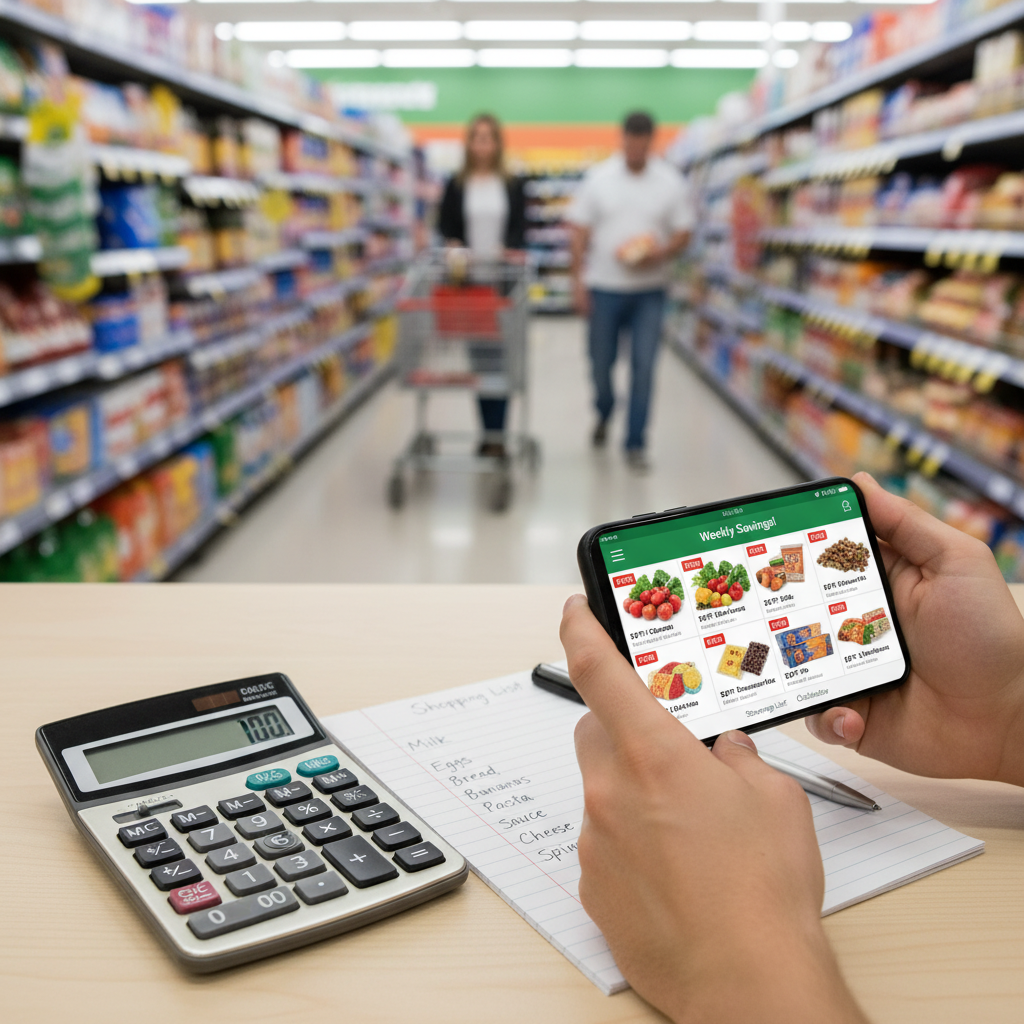
Okay, you have the list. But the goal isn’t to run out and buy everything at once with a credit card. That defeats the purpose. A smart stockpile is built over time, strategically, using money you’ve already budgeted for groceries. Here’s the game plan.
Master the Unit Price
Forget the shelf price. The only number that matters is the unit price (price per ounce, per pound, etc.). This is how you compare a giant jug of olive oil to a smaller bottle to see which is the *actual* bargain. Most stores list it on the price tag, but you can use your phone’s calculator to figure it out yourself. This is non-negotiable for a smart shopper.
Leverage Sales Cycles
Grocery stores run on predictable sales cycles. Peanut butter might be on deep discount every 6-8 weeks. Canned goods get cheap around major holidays. Your job is to learn these cycles for your local stores and buy enough to last you until the next sale. This is how you stop paying full price forever. When pasta hits $0.89 a box, you don’t buy two. You buy enough for the next two months.
Use Your Tools
You’re not in this alone. Use technology to your advantage. Apps like Flipp let you browse all your local grocery flyers in one place to easily spot the best deals. Sign up for your store’s loyalty program to get digital coupons and special pricing. Many store apps also have a feature that lets you build a shopping list and see the total before you even walk in the door.
The Golden Rule of Stockpiling: Buy one for now, and one (or more) for the pantry. When you use the last of your stockpiled item, it goes on the grocery list. The next time it’s on sale, you buy another one for now and another to restock the pantry. This simple system ensures you are constantly rotating your stock and never paying full price.
Conclusion
Building an inflation-proof pantry is one of the most powerful moves you can make to take control of your finances. It’s a proactive strategy, not a reactive panic. Every time you ‘shop’ from your own well-stocked pantry, you’re paying yourself back. You’re avoiding an emergency trip to the store for an overpriced ingredient. You’re eating a home-cooked meal instead of ordering expensive takeout. This isn’t just about saving a few dollars here and there; it’s about building a system of financial resilience. Start small. Pick one or two items from this list, find a great sale, and begin your stockpile. Your future self—and your wallet—will thank you.