
How to Finally Let Go of Sentimental Clutter Without Feeling Guilty
Let’s get real. That box of your grandpa’s old watches, your collection of concert t-shirts from a decade ago, the ‘good’ china you never use—it’s not just clutter. It’s emotional dead weight. And worse? It’s an uncashed check. Every square foot of your home that’s occupied by stuff you feel too guilty to toss is space you’re paying for. It’s time you could be spending on a side hustle instead of organizing. It’s potential money just sitting there, depreciating.
Feeling that knot in your stomach? That’s the guilt talking. It whispers that you’re a bad person for even *thinking* about letting go. We’re here to tell you that voice is wrong. Freeing yourself from sentimental clutter isn’t about erasing your past; it’s about funding your future. This guide is your permission slip and your playbook. We’re going to show you how to reframe your mindset, ditch the guilt, and turn that pile of ‘memories’ into a pile of cash for your debt-free journey, your dream vacation, or your investment portfolio. It’s time to stop hoarding and start hustling.
Why Your Sentimental ‘Stuff’ is Costing You Cold, Hard Cash
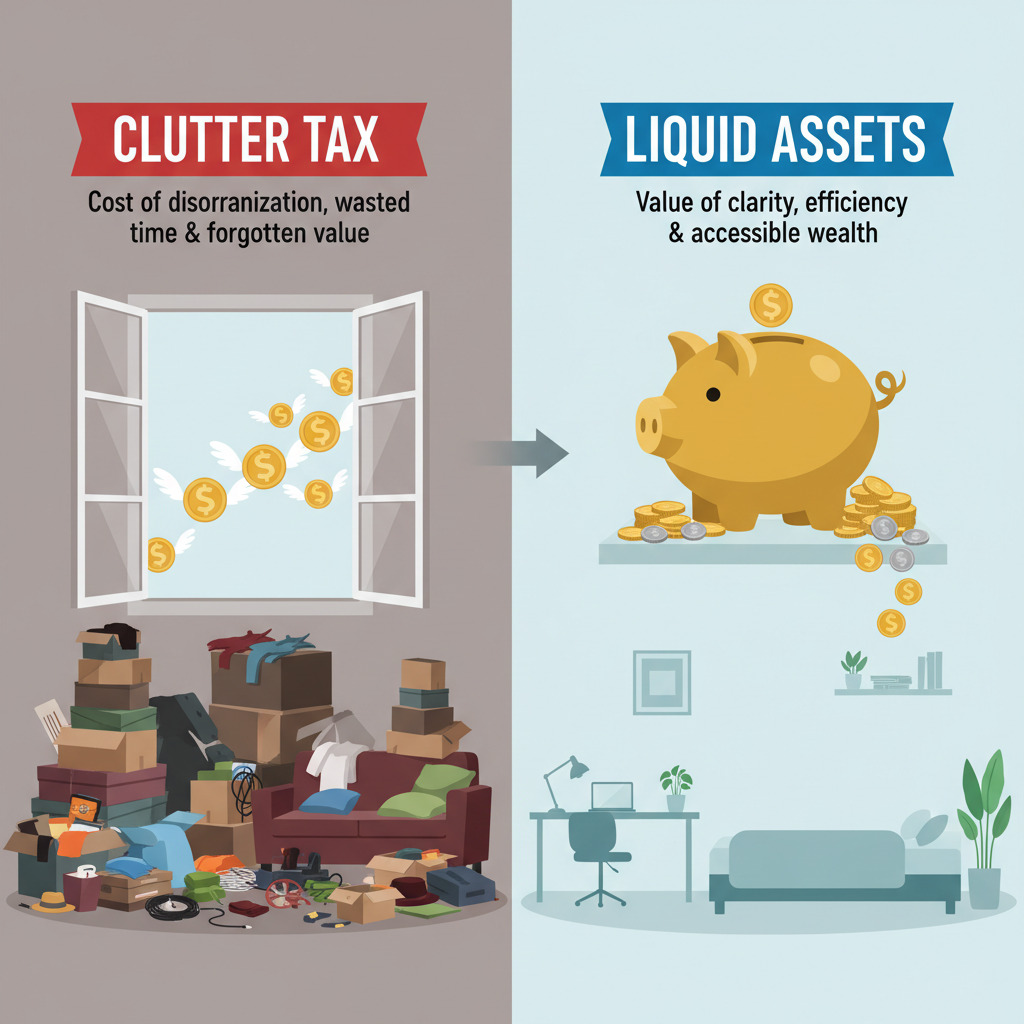
You think that box in the attic is free? Think again. You’re paying a ‘Clutter Tax’ every single day, and it’s bleeding your wallet dry in ways you haven’t even considered. This isn’t just about the item’s potential resale value; it’s about the very real, ongoing costs of ownership.
The Hidden Financial Drain of Clutter
Let’s break down the math. First, there’s the cost of space. Whether you’re renting a $150/month storage unit or paying for a larger apartment than you actually need, that’s a direct hit to your bank account. Over a year, that storage unit is $1,800 you could have invested or used to kill a credit card balance. Then there’s the time cost. The hours you spend cleaning, organizing, and moving that stuff around is time you’re not spending on a profitable side hustle or learning a new skill. If your time is worth $20/hour, and you spend just 5 hours a month dealing with clutter, that’s another $1,200/year down the drain.
From Memento to Asset: The Mindset Shift
Here’s the street-smart truth: sentimental items are dormant assets. That collection of vintage toys isn’t just a memory of your childhood; it’s a potential $500 payout on eBay. That jewelry you inherited but never wear isn’t just a family heirloom; it’s a check for $1,000 waiting to be cashed at a reputable dealer. You need to stop seeing these items as sacred relics and start seeing them for what they are: capital. By keeping them locked away, you are choosing to have a non-performing asset in your portfolio. A smart hustler knows that every asset should be working for them. It’s time to liquidate the ones that are just sitting there and put that money to work building the life you actually want, right now.
The ‘Cash-Out Mindset’: Your 3-Step Mental Hack to Ditch the Guilt
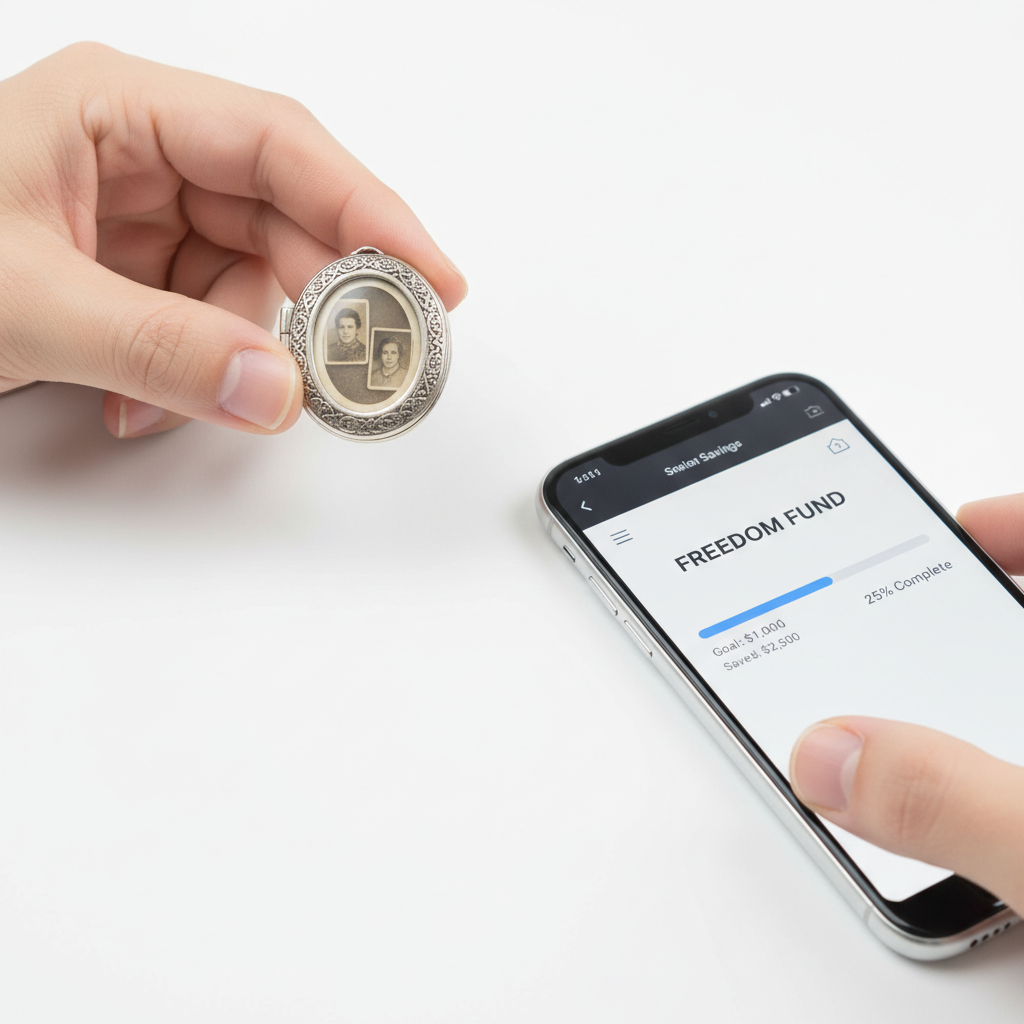
The biggest hurdle isn’t the sorting; it’s the war in your head. Guilt is a powerful enemy of financial progress. To win, you need a new strategy—a mental framework that transforms this painful process into an empowering one. This isn’t about being cold and heartless; it’s about being smart and forward-thinking.
Step 1: Digitize the Memory, Ditch the Object
The secret they don’t tell you is that you’re not attached to the *thing*. You’re attached to the memory it represents. So, separate them. Become a digital archivist for your own life. Get good lighting, use your smartphone, and take high-quality photos of the items. Scan old letters and children’s drawings. Create a dedicated, backed-up folder on a cloud service called ‘Digital Memory Box.’ The memory is now preserved forever, safe from fire or water damage, and accessible anytime. The physical object has served its purpose. Now it can have a new purpose: funding your goals.
Step 2: The ‘Thank You & Goodbye’ Method
This might sound a little out there, but it works. Hold the item. Acknowledge the memory and the joy it brought you. Say, out loud, ‘Thank you for the memories/service you provided. Your job with me is done. Now you’re going to help me pay off my student loan.’ By giving the item a new mission, you’re not discarding it; you’re promoting it. It’s no longer a dusty relic; it’s a financial soldier fighting for your freedom.
Step 3: Create a ‘Freedom Fund’ Goal
This is the most critical step. Don’t just sell stuff for a vague pot of money. Give that money a name and a purpose. Open a separate high-yield savings account and name it ‘Freedom Fund,’ ‘Hawaii Trip,’ or ‘F.U. Money.’ Every single dollar you make from selling your sentimental clutter goes directly into this account. Track it with an app or a spreadsheet. When the guilt creeps in, you don’t see an empty space on your shelf. You see the progress bar on your ‘Pay Off Visa’ goal inching closer to 100%. You’re not losing a memory; you’re buying your freedom.
The Ultimate Triage: Keep, Cash Out, or Trash?

Alright, it’s go-time. You’ve got the right mindset, now you need the tactical plan. Get three boxes or create three zones in a room. Label them: KEEP, CASH OUT, and TRASH/DONATE. Don’t overthink it. Your first instinct is usually the right one. For every single sentimental item you pick up, you have to make a decision based on a simple set of rules.
The Triage Rules: Ask These Brutal Questions
1. Does this item have a practical, daily-use function in my CURRENT life? (Not my fantasy life, my real life.)
2. If my house burned down, is this one of the top 10 sentimental things I’d be devastated to lose?
3. Could the money from selling this item make a meaningful impact on my ‘Freedom Fund’ goal right now?
4. Is this item just a reminder of a person or time I’d rather move on from?
Be ruthless. Your ‘KEEP’ box should be tiny. It’s for the irreplaceable few: the one photo of your great-grandmother, the love letters from your spouse. The ‘CASH OUT’ box should be overflowing. This is for anything with resale value—jewelry, brand-name clothing, collectibles, electronics, furniture, even old books. The ‘TRASH/DONATE’ box is for things that are broken, stained, or simply not worth the time it would take to sell. Don’t burden a charity with your actual trash. Be honest and sort decisively.
Your Hustler’s Playbook: Where to Sell for Maximum Profit
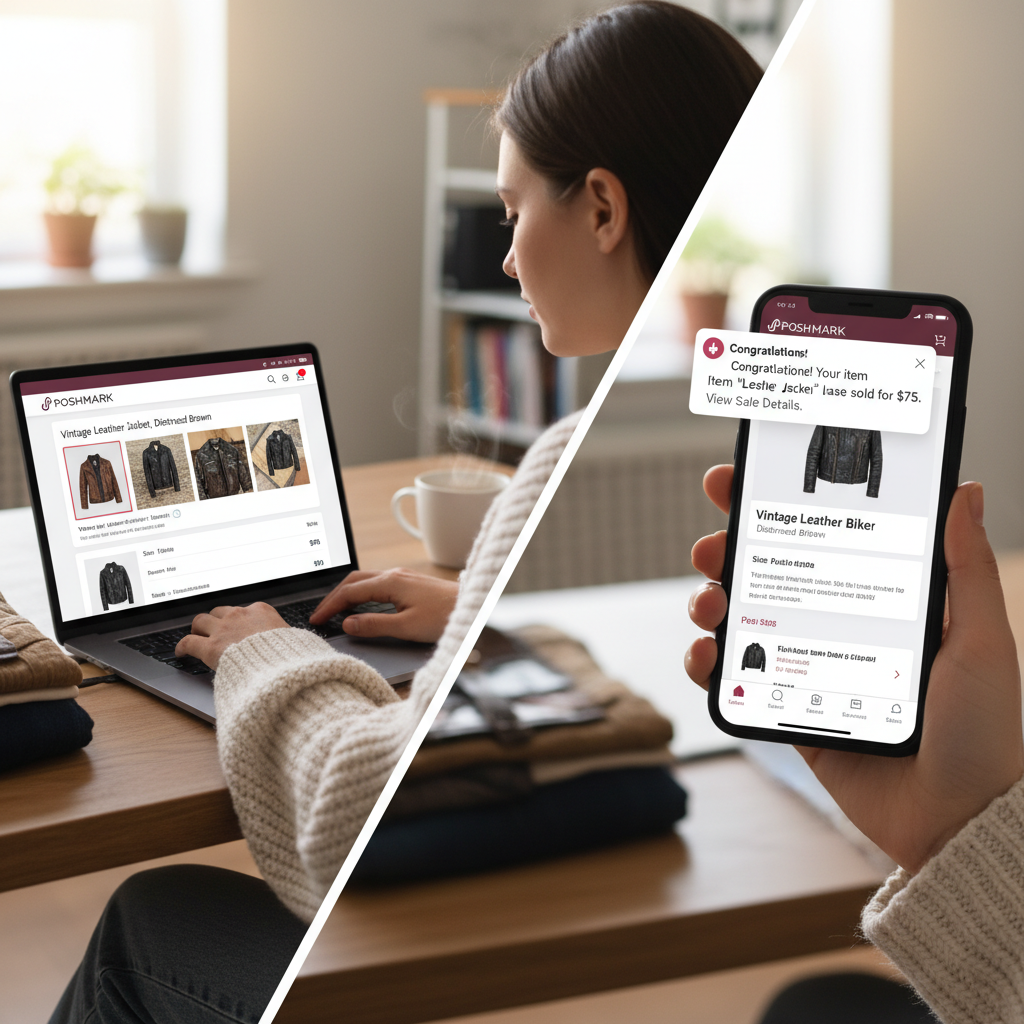
Your ‘CASH OUT’ box is a goldmine. But selling on the wrong platform is like taking your gold to a pawn shop that only pays for silver. You need to match the item to the right marketplace to maximize your return and minimize your hassle. Here’s your cheat sheet.
| Platform | Best For | Payout & Fees | Street-Smart Pro-Tip |
|---|---|---|---|
| Facebook Marketplace | Furniture, large items, everyday goods | No fees for local pickup. Instant cash payout. | Always state ‘Cash only, firm price, pickup only’ in your listing to weed out time-wasters. For safety, meet at a police station’s designated ‘safe exchange’ zone. |
| eBay | Collectibles, vintage items, electronics, niche goods | High fees (around 13%), but huge audience. Payout takes a few days. | Take hyper-detailed photos of any flaws. This builds trust and protects you from fraudulent ‘item not as described’ claims. Ship with tracking, always. |
| Poshmark / Depop | Brand-name clothing, shoes, and accessories | Flat $2.95 fee for sales under $15, 20% for sales over. Easy shipping process. | Style your items. Put the clothes on a mannequin or create a ‘flat lay’ outfit. Use keywords in your description that people are searching for (e.g., ‘Y2K,’ ‘cottagecore’). |
| TheRealReal / Vestiaire | High-end luxury designer goods (bags, watches) | Consignment model. They take a large cut (up to 50%) but handle authentication and listing. | Only use for pristine, high-demand luxury items. For anything less, you’ll make more selling it yourself on another platform. Read the fine print on their payout structure. |
| Specialty Forums / Groups | Very specific hobbies (e.g., rare books, camera gear) | Varies, often PayPal Goods & Services (around 3.5% fee). | Build a reputation in the community before you sell. You’ll get better prices from knowledgeable buyers who trust you. |
The Negotiation Script
On platforms like Marketplace, you will get lowball offers. Don’t get offended; get prepared. Have a script ready to copy and paste.
The Firm But Fair Script:
‘Hey, thanks for your interest! The lowest I can go for a quick pickup today is $45. The price is firm otherwise. Let me know if that works for you!’
This shows you’re willing to play ball slightly but respects your own time and pricing. It often closes the deal faster than endless back-and-forth haggling.
Scam Warning: Don’t Get Played While You Purge
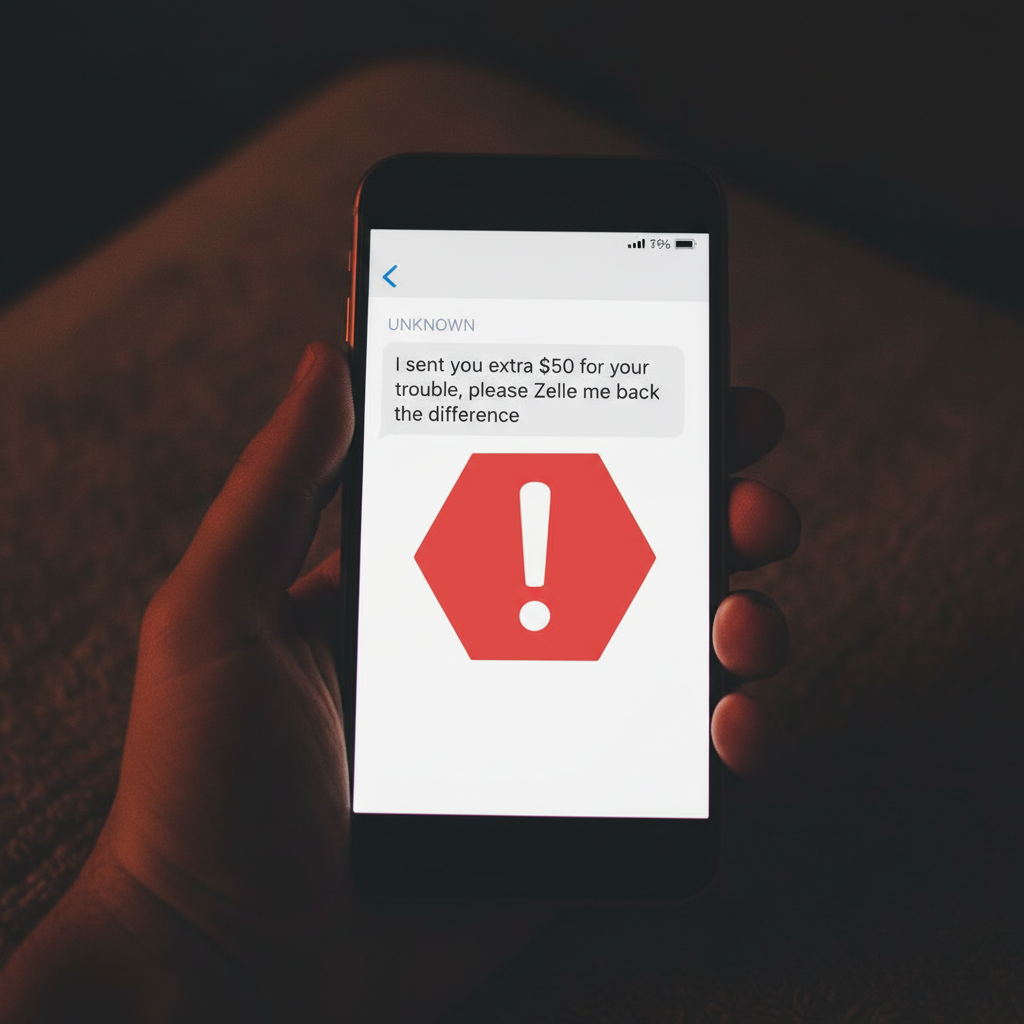
The online marketplace is full of sharks. As you start moving product, you become a target. Getting scammed not only loses you money but can completely derail your motivation. Protect your hustle by knowing the red flags.
Common Scams and How to Spot Them
Scammers rely on your eagerness to make a sale. They prey on newbies. Stay sharp and watch out for these classic plays:
- The Overpayment Scam: A ‘buyer’ sends you a fake check or digital payment for more than the asking price. They ask you to deposit it and wire them back the difference. The original payment eventually bounces, and you’re out the money you sent them plus bank fees. NEVER accept overpayment.
- The ‘Family Member Picker’ Scam: They can’t meet you but will send their ‘brother’ or ‘cousin’ to pick up the item. They’ll insist on paying through a shady app like Zelle or CashApp and may try to use a fake payment confirmation email. Insist on cash in hand or PayPal Goods & Services only.
- The Off-Platform Ploy: A buyer immediately asks for your phone number or email to ‘discuss the deal.’ This is a tactic to get you off the platform’s secure messaging system so they can send you phishing links or fake payment confirmations. Keep all communication on the app.
SCAM RED FLAG CHECKLIST:
🚩 They offer to pay MORE than your asking price.
🚩 They ask to communicate or pay outside of the platform’s official system.
🚩 They use a convoluted story about being out of town or buying it for a relative.
🚩 They refuse to meet in person for a local sale and push for shipping with a weird payment method.
🚩 The pressure is on: they need you to act FAST before you have time to think.
Your safety is worth more than any sale. For local pickups, always meet in a busy, public place during the day. Many police departments have designated, video-monitored ‘Safe Exchange Zones’ in their parking lots. Use them. Trust your gut. If a deal feels sketchy, it is. Block the user and move on. There will always be another, legitimate buyer.
Conclusion
Look around. That clear space on your shelf, the extra room in your closet—that’s not emptiness. That’s opportunity. It’s breathing room. It’s the physical manifestation of you choosing your future over your past. Every item you sold wasn’t a memory lost; it was a dollar earned toward your financial goals. You didn’t just declutter your home; you liquidated dormant assets and converted them into fuel for the life you’re actively building.
The guilt is gone, replaced by the powerful feeling of control. You are the curator of your life, not a storage unit for your history. Keep the few things that truly matter and convert the rest into resources. Now, take that ‘Freedom Fund’ you built and put it to work. Pay off that debt. Book that flight. Invest in that course. You’ve earned it. Stop letting your past collect dust and start making it work for you.