Stop Throwing Money in the Trash: 50 Foods You Didn’t Know You Could Freeze
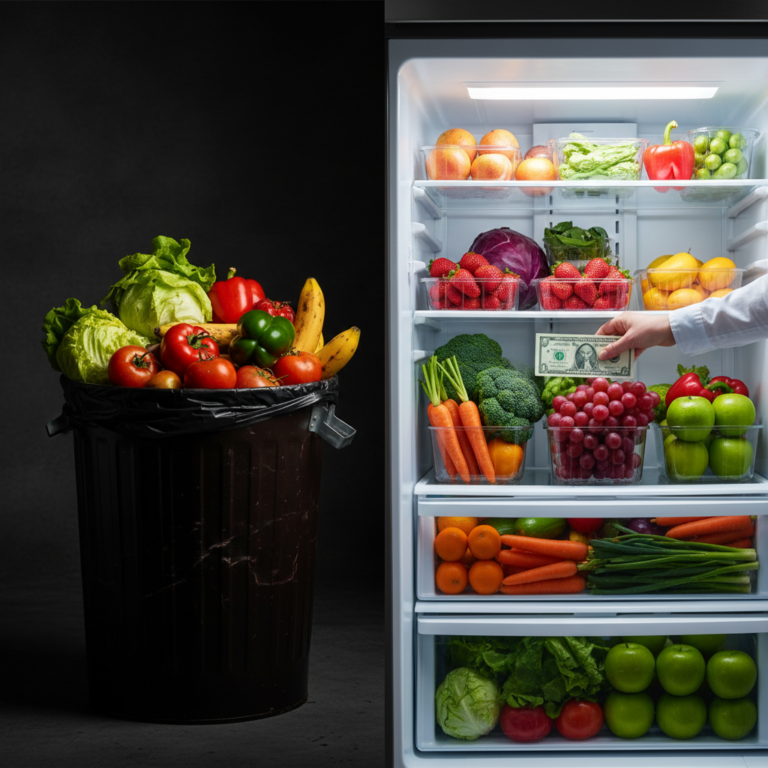
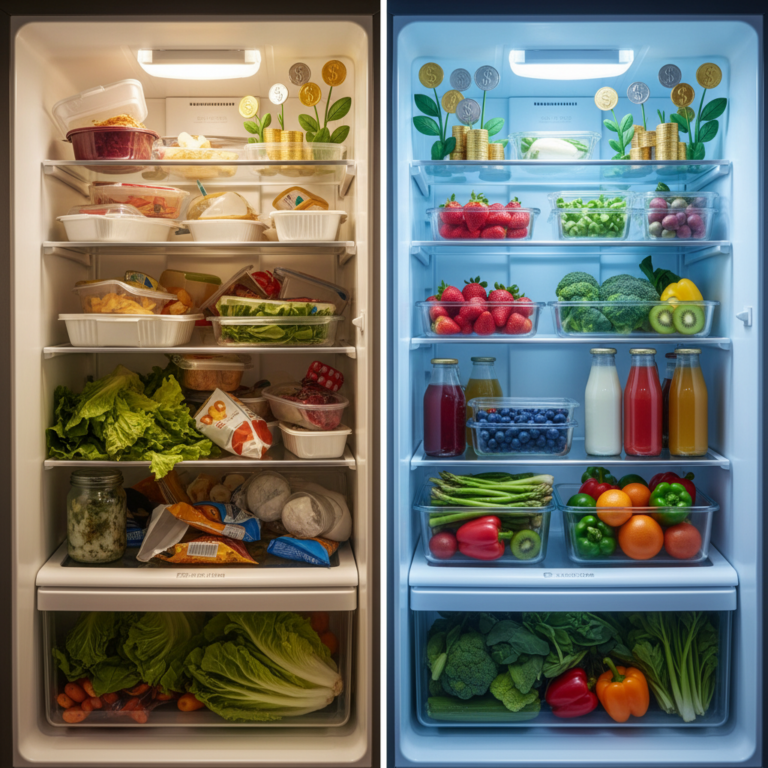
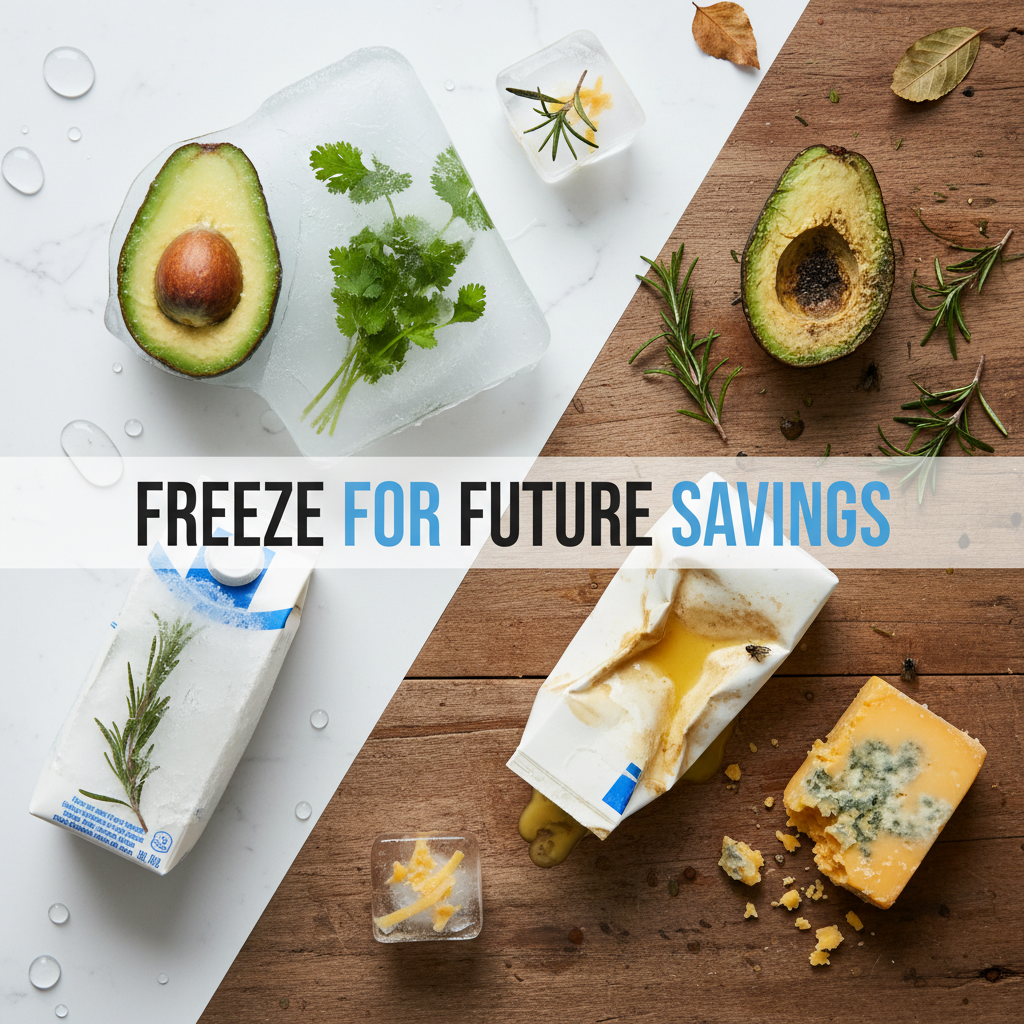
Listen up. That guilt you feel when you toss out slimy spinach or a moldy block of cheese? That’s not just guilt, it’s the sound of your hard-earned cash hitting the trash can. The average American family throws away over $1,500 a year on food they bought but didn’t eat. That’s a vacation, a debt payment, or a serious boost to your savings account. It’s time to stop the bleeding.
Forget complicated couponing or restrictive diets. The most powerful money-saving tool in your home is sitting right there in your kitchen, humming away: your freezer. It’s not just for ice cream and frozen pizzas. It’s a time machine for your food and a vault for your money. You just need to know the rules of the game. This isn’t just another list; this is your financial strategy guide to reclaiming your grocery budget. We’re about to unlock the secrets to freezing 50 common foods you’ve been needlessly throwing away. Let’s get that money back.
The Freezer Fundamentals: Rules of the Game Before You Play
Before you start chucking things into the cold, you need to understand the basic principles. Doing it wrong means you’ll end up with mushy, freezer-burned garbage, and you’ll be right back where you started. Master these rules, and you’ll be a freezing pro.
The Core Principles
- Cool It Down: Never, ever put hot food directly into the freezer. It raises the internal temperature, partially thawing other items and creating a breeding ground for bacteria. Let food cool completely on the counter, then in the fridge, before it hits the deep freeze.
- Air is the Enemy: Air exposure is what causes freezer burn—those gross, icy crystals that ruin the taste and texture of your food. Squeeze, press, or suck every last bit of air out of your freezer bags. If you’re using containers, leave a little headspace (about half an inch) for liquids like soup to expand, but otherwise, pack it tight.
- Portion Control is Key: Freeze food in the portion sizes you’ll actually use. Freezing a giant brick of ground beef is useless if you only need one pound for your recipe. You’ll save time and prevent waste later. Think single-serving soups, one-cup portions of rice, and chicken breasts frozen individually.
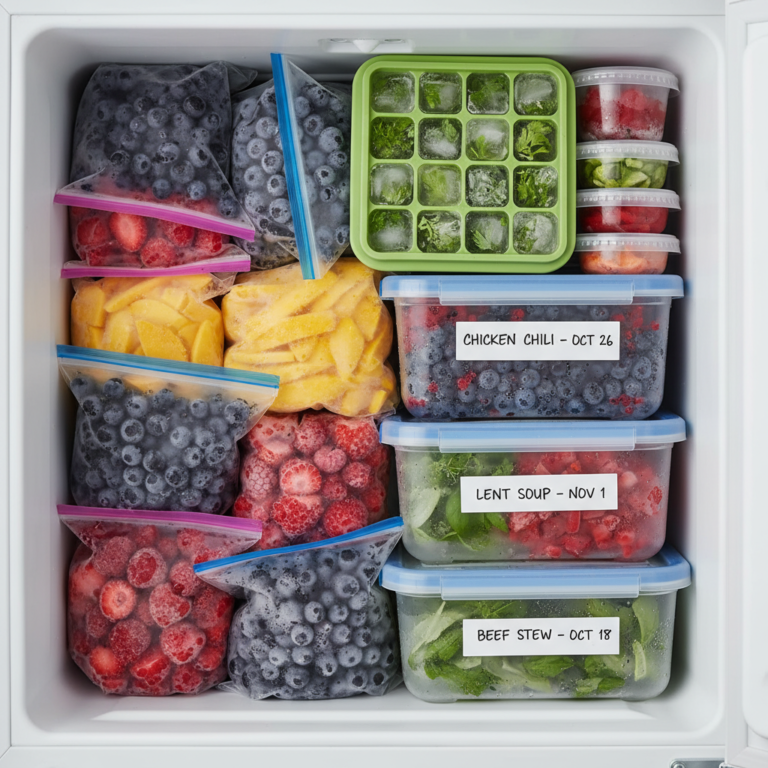
- Flash Freeze for Freedom: For small items that tend to clump together (like berries, meatballs, or sliced bananas), use the flash freeze method. Spread them in a single layer on a baking sheet, freeze for an hour or until solid, then transfer them to a freezer bag. Now you can grab just a handful instead of a giant frozen blob.
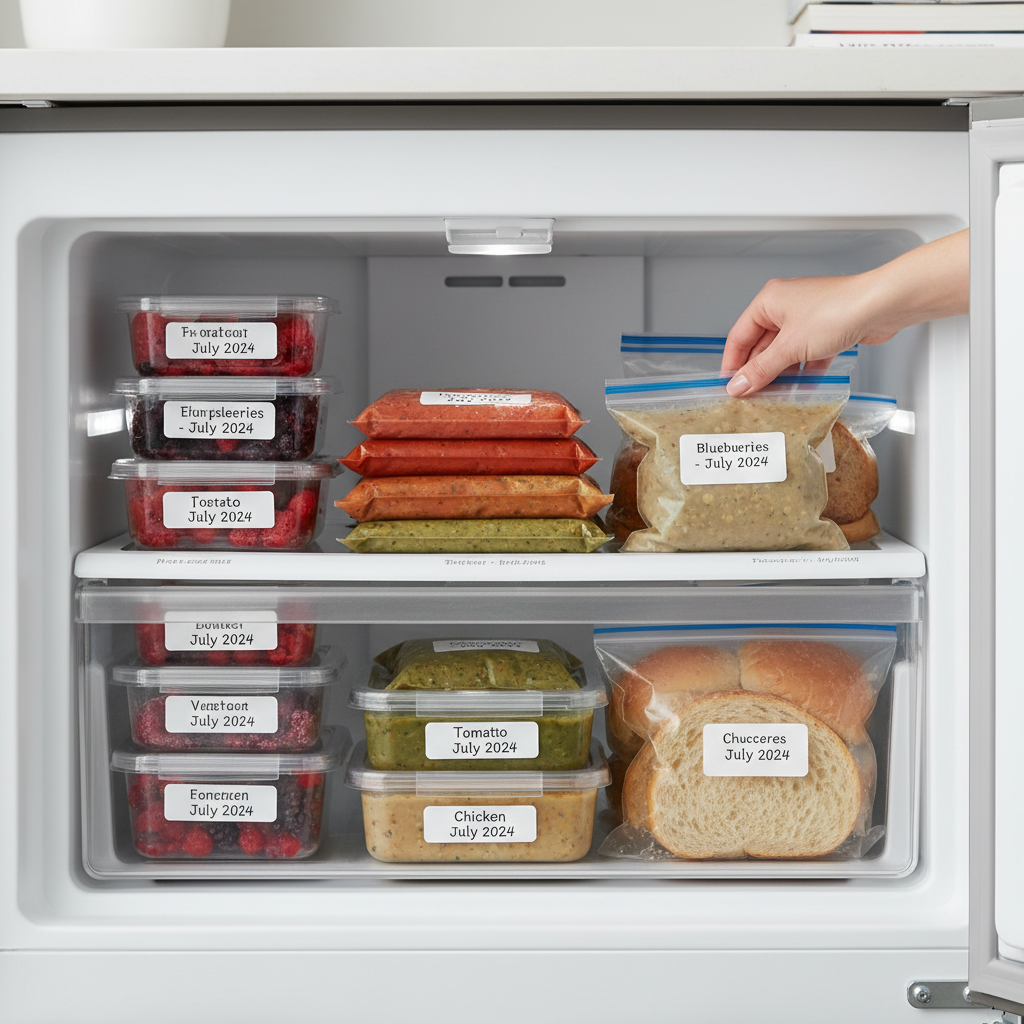
- Label Everything. No Excuses. Your future self will not remember what that mystery meat in the foil is. Use a permanent marker to label every bag and container with what it is and the date you froze it. Trust me on this.
Key Rule: Use the Right Gear
Ditch the flimsy sandwich bags. Invest in actual freezer-safe Ziploc bags, vacuum sealer bags, or heavy-duty plastic or glass containers. They are thicker and designed to prevent air and odors from getting in. This small investment protects the bigger investment: your food.
Category 1: The Unexpected All-Stars – Dairy, Eggs, & More
This is where most people get tripped up. The dairy aisle seems off-limits for freezing, but you’re tossing so much potential savings. Here’s the real deal on how to save these staples from the bin.
- Milk & Buttermilk: Yep, you can freeze it. It will separate a bit when thawed, looking a little funky, but a vigorous shake or a whiz in the blender brings it right back. Perfect for baking or smoothies. Just make sure to pour a little out of the original container to allow for expansion.
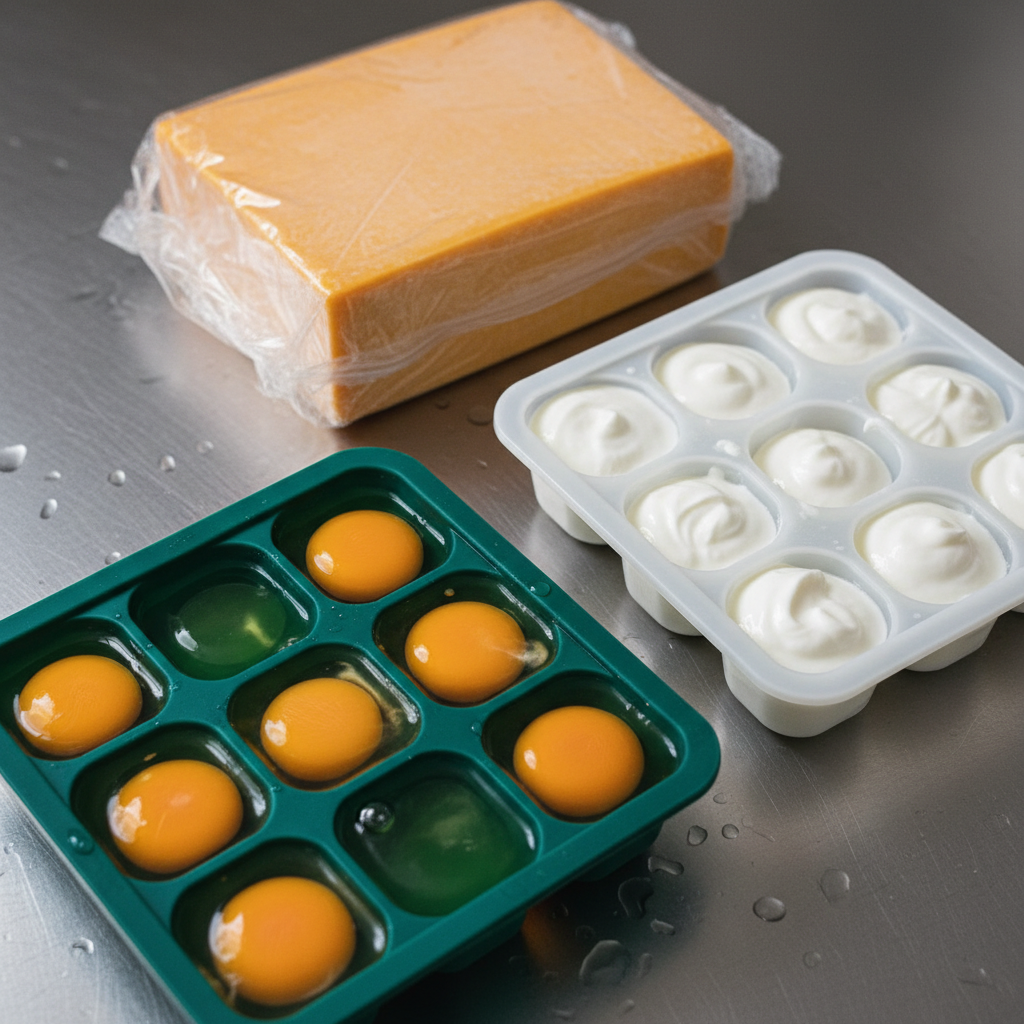
- Hard & Shredded Cheese: Blocks of hard cheese like cheddar or parmesan freeze beautifully. Shredded cheese is even easier. It might be a bit crumbly after thawing but it’s perfect for melting in sauces, casseroles, or on tacos.
- Butter & Margarine: Stock up when it’s on sale and toss it in the freezer, wrapper and all. It freezes perfectly for up to six months.
- Yogurt: Freeze it in its container or in ice cube trays for adding to smoothies. The texture changes, so it’s not great for eating with a spoon, but the flavor and nutrients are locked in.
- Cream Cheese & Sour Cream: Like yogurt, the texture changes and becomes more crumbly/separated. It won’t be great for spreading on a bagel, but it’s perfectly fine for mixing into dips, soups, and baked goods.
- Eggs (Out of Shell): You can’t freeze a whole raw egg in its shell (it’ll explode). But you can crack them into a bowl, whisk them lightly, and freeze the mixture in an ice cube tray or muffin tin. One cube is usually about one egg. Perfect for scrambled eggs or baking.
- Tofu: Freezing tofu is a pro move! It completely changes the texture, making it chewier and way more porous, so it soaks up marinades like a sponge. Just drain it and freeze it right in the package.
- Non-Dairy Milk: Almond, soy, and oat milk can all be frozen. Like dairy milk, they’ll separate, so just shake well after thawing. Best used for cooking or smoothies.
- Cookie Dough: Scoop it into balls, flash freeze on a baking sheet, then toss in a bag. Freshly baked cookies are now just 15 minutes away at all times.
- Coffee Beans: If you buy in bulk, you can freeze whole beans in an airtight container for up to a month. Any longer and the oils can degrade.
Category 2: Produce Power-Up – Stop Trashing Those Fruits & Veggies
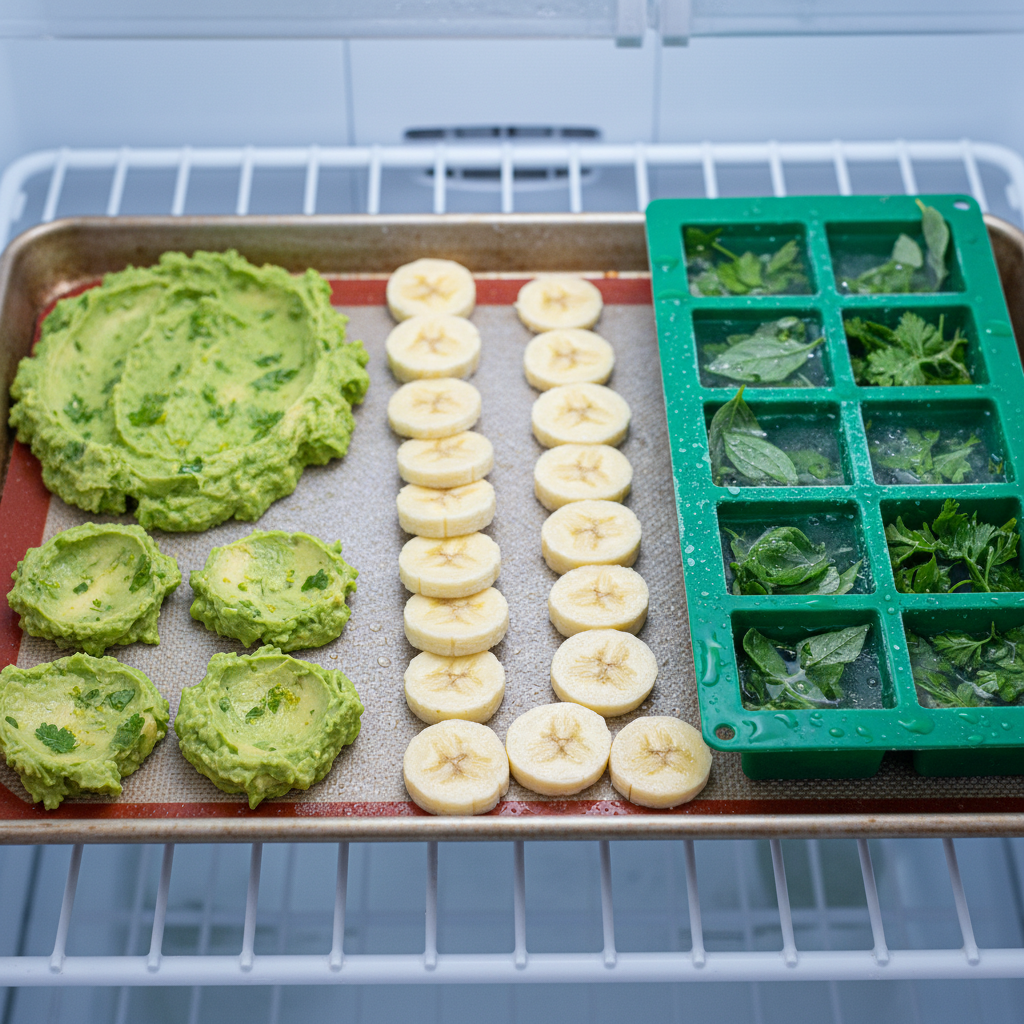
The produce drawer is a financial graveyard. Those aspirational greens and browning bananas are leaking money. It’s time to put a stop to it. A little prep work before freezing saves you a fortune.
- Avocado: The holy grail of expensive produce. Mash ripe avocados with a little lime or lemon juice (to prevent browning) and freeze in small portions. Perfect for guacamole, smoothies, or toast.
- Bananas: The moment they get too spotty, peel them, slice them, and flash freeze them. They’re smoothie gold.
- Berries & Grapes: Don’t let them turn to mush in the fridge. Wash, dry completely, and flash freeze on a baking sheet. Great for snacks, baking, or oatmeal.
- Citrus: Zest lemons, limes, and oranges before you juice them and freeze the zest in a small bag. Freeze the juice in ice cube trays for easy additions to drinks and recipes.
- Applesauce: Freeze flat in a Ziploc bag. It thaws quickly and takes up almost no space.
- Leafy Greens (Spinach, Kale): That giant bag you’ll never finish? Sauté it down with a little garlic or blanch it, then squeeze out all the water and freeze it in pucks using a muffin tin. Drop them into soups, stews, and pastas.
- Herbs: Stop buying expensive packages of herbs only to use one sprig. Chop them up, put them in an ice cube tray, and top with either water or olive oil before freezing. Pop a cube into your pan when cooking.
- Onions, Garlic & Ginger: Chop or grate them, and freeze them flat in a small bag. You can break off a piece whenever you need it, and your hands won’t smell.
- Bell Peppers: Chop them up and freeze them raw. They lose their crispness but are perfect for sautéing in fajitas or adding to sauces.
- Corn on the Cob: Blanch it for a few minutes, then freeze the whole cobs or cut the kernels off.
- Broccoli & Cauliflower: Cut into florets, blanch quickly, and freeze. Ready for roasting or steaming.
- Celery & Carrots: Chop them up and freeze them raw. They’re your base for almost any soup or stock (mirepoix) and ready to go.
- Tomatoes & Tomato Paste: Freeze whole raw tomatoes for sauces later (the skins slip right off after thawing). For leftover tomato paste, freeze dollops on wax paper, then transfer to a bag.
- Mushrooms: Sauté them first to get the water out, then freeze. They’ll be ready to add to any dish.
- Potatoes & Sweet Potatoes: They must be cooked first. Freeze mashed potatoes, roasted wedges, or blanched fries. Raw potatoes turn grainy and black.
- Zucchini: Grate it, squeeze out all the excess water, and freeze it in one-cup portions for baking into breads and muffins.
Category 3: Leftovers, Carbs & Pantry Staples
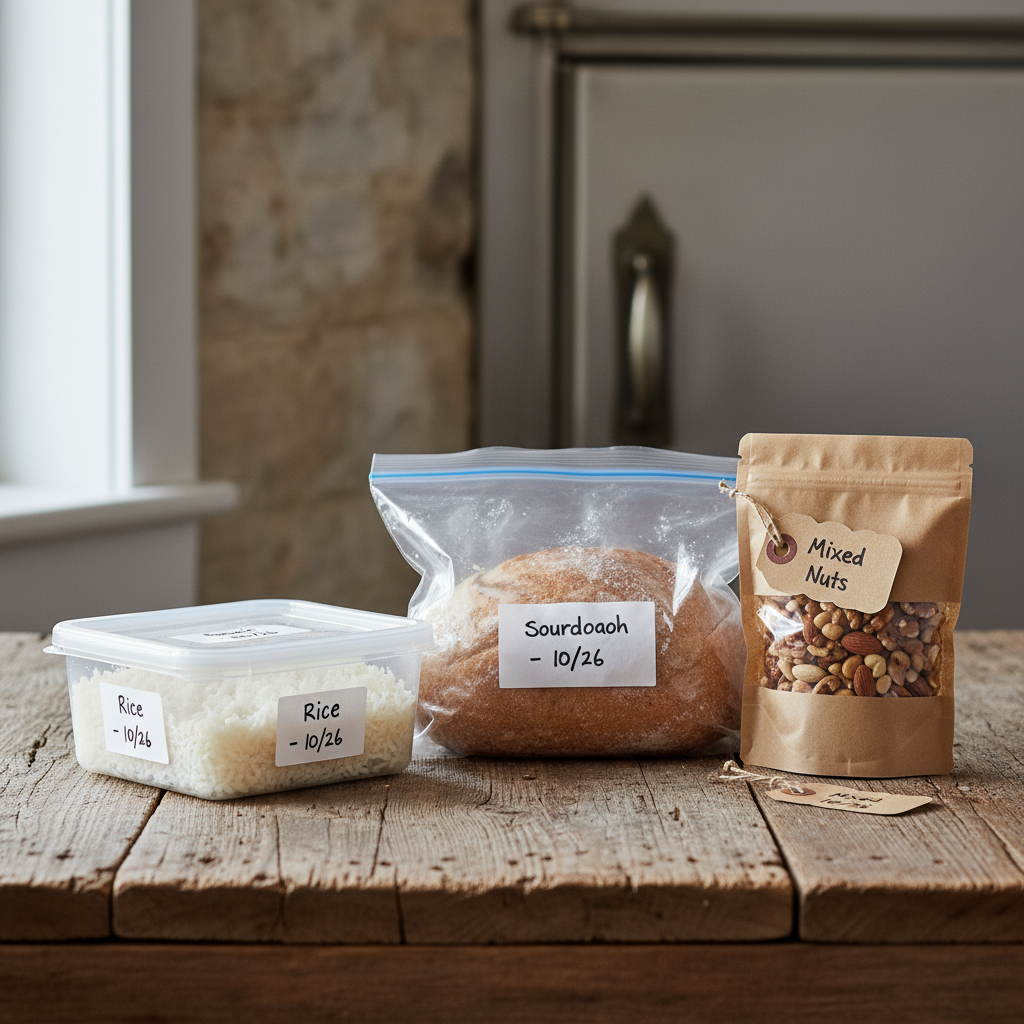
Don’t let carbs go stale or leftovers go bad. The freezer is the ultimate preservation chamber for pantry goods and pre-made meals, saving you time and money on future lunches and dinners.
- Bread & Tortillas: Never throw away a stale heel again. Freeze bread by the slice or the whole loaf. Tortillas and pitas freeze great too; just stick a piece of parchment paper between them if you’re worried about sticking.
- Waffles & Pancakes: Make a huge batch on the weekend, let them cool completely, and freeze them with parchment paper in between. They pop right into the toaster for a super-fast breakfast.
- Baked Goods (Muffins, Cookies): Cool completely and freeze in a bag or container. A quick 15 seconds in the microwave and they’re as good as new.
- Cooked Pasta & Rice: Yes, really. Portion into freezer bags. It’s a game-changer for quick meals. Reheat with a splash of water to steam it back to life.
- Flour & Cornmeal: If you buy in bulk or live in a humid climate, freezing flour keeps it from going rancid or getting pantry moths.
- Nuts & Seeds: High in oils, nuts can go rancid quickly at room temperature. The freezer keeps them fresh for months.
- Chips, Crackers & Pretzels: This is the ultimate hack. They don’t freeze solid due to lack of water. They just get extra-crispy and cold. Eat them straight from the freezer. Seriously.
- Wine: Leftover wine? Don’t pour it out. Freeze it in an ice cube tray to add to future sauces and stews for a huge flavor boost.
- Pesto & Hummus: Both freeze beautifully. Freeze pesto in ice cube trays. For hummus, put it in a container and drizzle a little olive oil on top before freezing.
- Stock & Broth: The absolute best thing to freeze. Use ice cube trays for small amounts or larger containers for soup bases.
- Deli Meat & Bacon: If you’re not going to use it within a few days, freeze it. Place parchment between slices of deli meat. For bacon, you can roll up individual slices and freeze them so you can grab as many as you need.
- Hot Dogs & Sausages: They freeze perfectly in their original packaging.
- Leftover Pizza: Wrap slices individually in plastic wrap and then foil. It reheats way better in an oven or air fryer than from the fridge.
- Casseroles, Soups & Stews: The ultimate freezer meals. Make a double batch of whatever you’re cooking for dinner and freeze one for a night you don’t have time to cook.
The Math: How This Stops the Financial Bleed
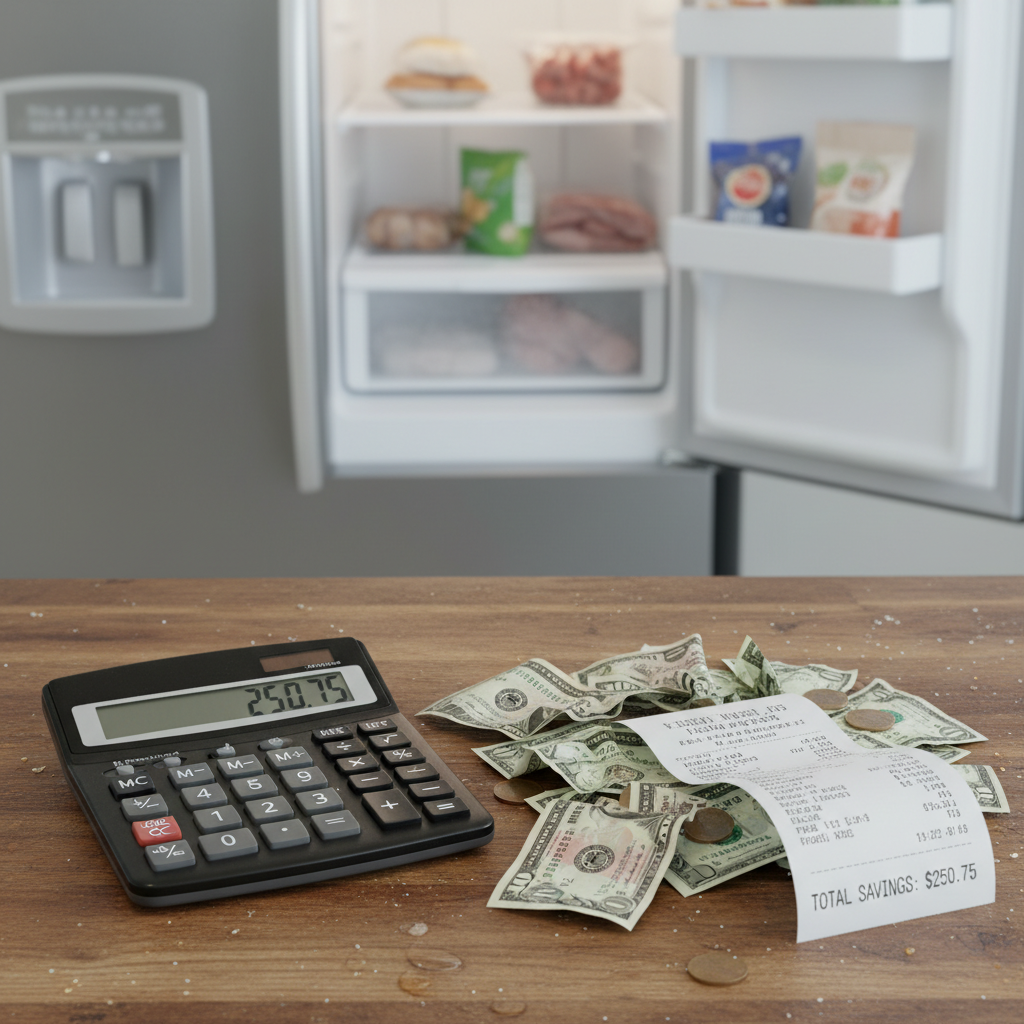
This isn’t about saving a few pennies. This is about a major shift in your cash flow. We’re talking about plugging a hole in your budget that could be leaking over a hundred dollars every single month. When you see the numbers, you’ll never look at your freezer the same way again. Let’s break down the potential savings on just a few common items that people regularly throw away.
| Wasted Item | Typical Weekly Loss (Conservative) | Potential Yearly Savings |
|---|---|---|
| Half a bag of spinach | $2.00 | $104.00 |
| Two browning bananas | $0.50 | $26.00 |
| 1/4 block of cheese | $1.50 | $78.00 |
| Leftover pasta/rice from 1 meal | $2.50 | $130.00 |
| Half a loaf of bread | $1.75 | $91.00 |
| Total from just 5 items: | $8.25 / week | $429.00 / year |
That’s over $400 a year saved from just FIVE common items. Now multiply that by the 50 items on this list. You can easily see how you can reclaim $500, $800, or even get close to that $1,500 national average. This isn’t a gimmick; it’s simple math. Every time you rescue food with your freezer, you are paying yourself first.
Conclusion
Your freezer is more than an appliance; it’s a strategic financial asset. You now have the playbook to stop throwing money in the trash. You don’t have to be perfect overnight. Start small. This week, pick five things from this list that you usually end up throwing away. Rescue them. Freeze them properly. Feel the power of taking control of your food and your finances.
Every bag of flash-frozen berries and every cube of leftover wine is a win. It’s a direct deposit back into your own pocket. You work hard for your money—it’s time to stop letting it rot in the bottom of your produce drawer. Open your freezer, see the potential, and start saving.