How To Eat Plant Based On A Food Stamp Budget (Shopping List Included)
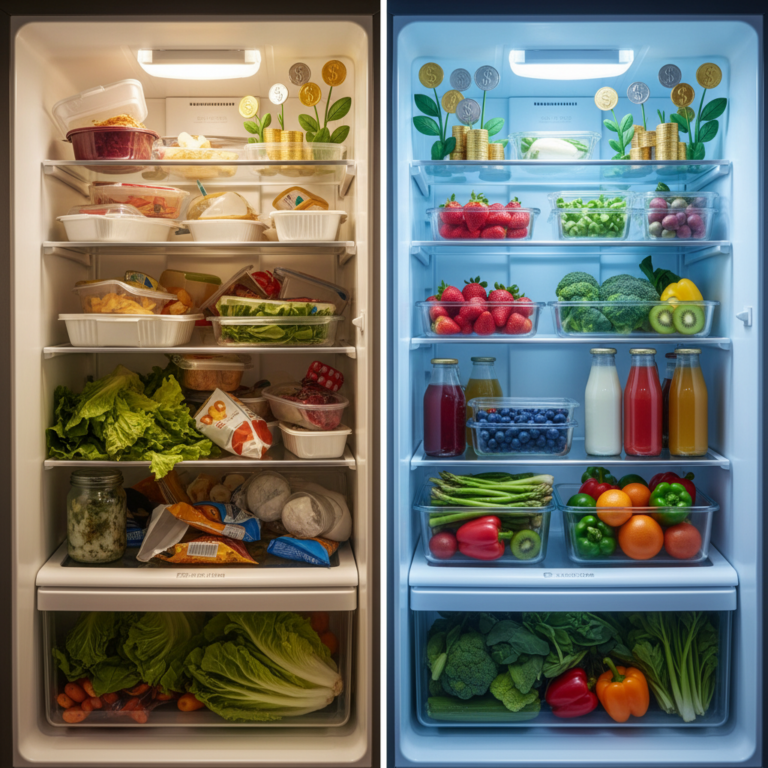
Let’s cut the crap. You hear ‘plant-based’ and you probably see dollar signs. You think of $10 smoothies, weird specialty products, and a lifestyle that feels completely out of reach, especially when you’re making every single dollar count on a SNAP budget. That narrative is designed to keep you broke and feeling stuck. It’s time to flip the script. Eating a healthy, plant-based diet isn’t about buying expensive, processed junk; it’s about getting back to basics and being smarter than the system. It’s about leveraging real, whole foods that have been fueling people for centuries—foods that are cheap, filling, and incredibly good for you. This guide is your new playbook. It’s not a lecture; it’s a strategy guide, complete with the ultimate shopping list and meal plan to help you dominate the grocery store, stretch your EBT dollars further than you thought possible, and fuel your body for the hustle.
The Mindset Shift: Plant-Based Doesn’t Mean Broke
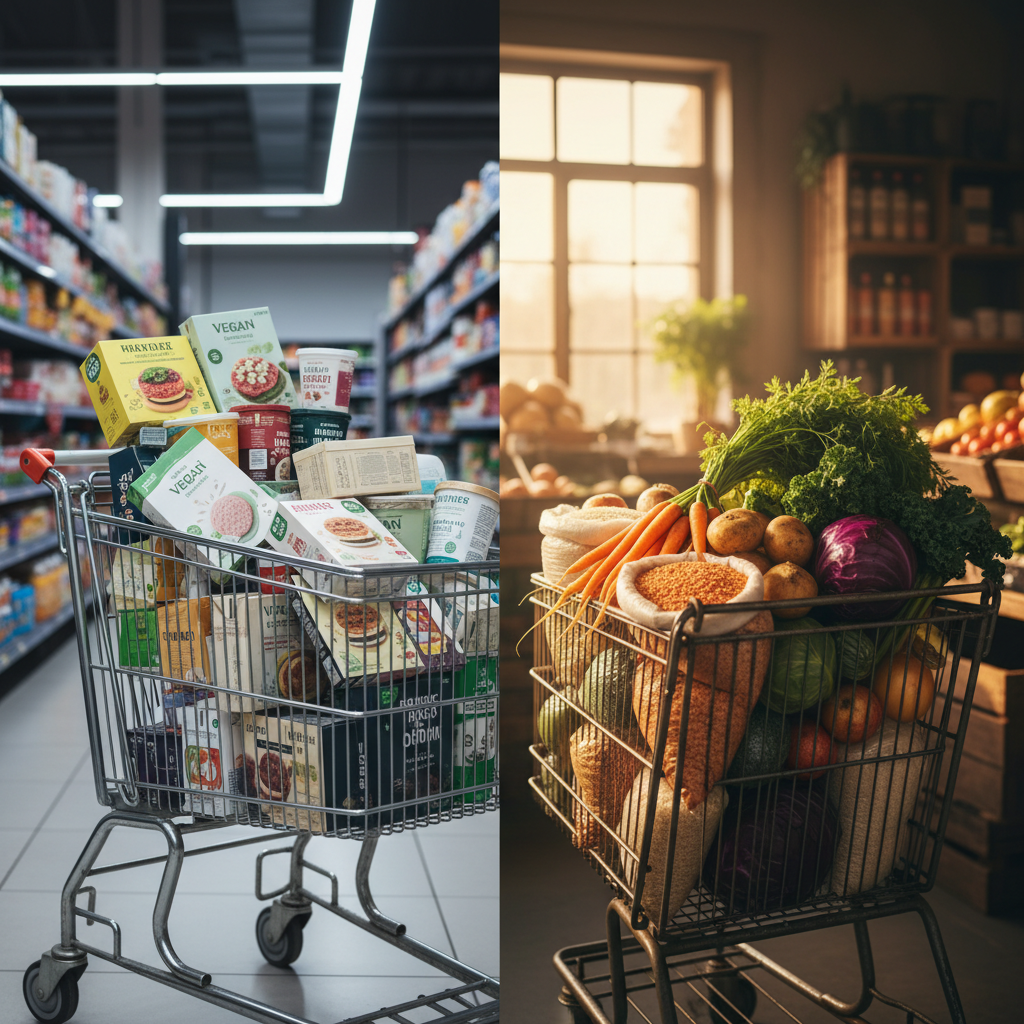
First things first, we need to rewire your brain. The food industry has spent billions convincing you that ‘vegan’ or ‘plant-based’ means buying their pre-packaged, lab-created meat substitutes and fancy oat milks. That’s the trap. The real secret to doing this on a budget is ignoring all of that noise. Our game is built on a foundation of whole foods—the stuff that doesn’t need a flashy marketing campaign.
Think about the cheapest, most filling foods on the planet: rice, beans, lentils, potatoes, oats. What do they all have in common? They’re all plants. The goal isn’t to find a $7 plant-based burger to replace your beef patty. The goal is to build delicious, satisfying meals from the ground up using ingredients that cost pennies per serving. This is about abundance, not restriction. You’re not ‘giving up’ anything; you’re upgrading your strategy to get more nutritional bang for your buck. Every time you walk past the fancy vegan cheese section and head for the 5-pound bag of potatoes, that’s a win. You’re playing the game on your terms.
Key Rules of the Frugal Plant-Based Hustle:
- Whole Foods First, Always: Your cart should be 90% ingredients, not products. Think produce, bulk bins, and pantry staples.
- Processed is Pricey: Vegan chicken nuggets, soy-based chorizo, and pre-made veggie burgers are convenience items with a luxury price tag. They are not your friends on a tight budget.
- Flavor is Your Weapon: Spices, herbs, onions, and garlic are cheap and can transform basic ingredients into something incredible. Your spice rack is your most valuable asset.
The Game Plan: Your Weekly SNAP Strategy
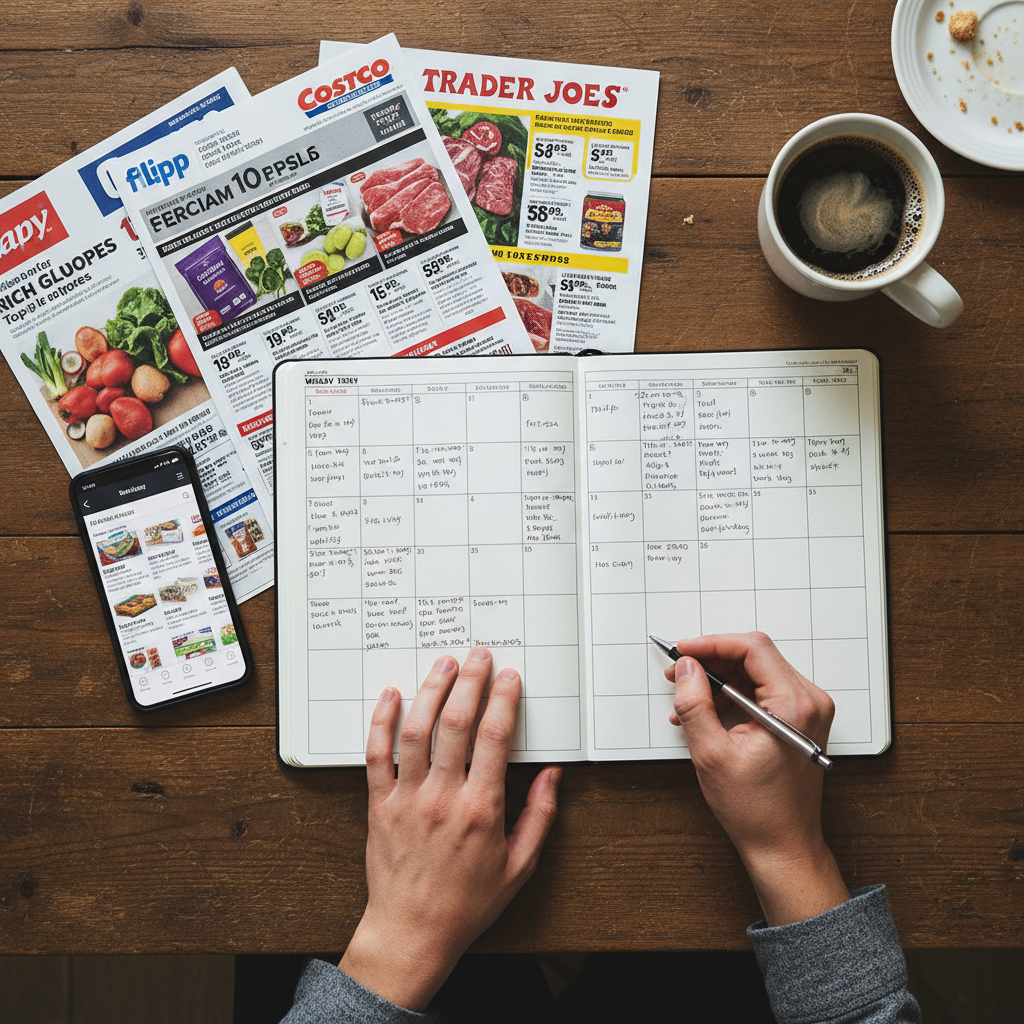
You don’t win by accident. You win with a plan. Walking into a grocery store without a strategy is like walking into a battle unarmed—you’re going to lose, and your wallet will be the first casualty. Here’s how to prep for success before you even leave the house.
Step 1: Meal Plan Like a Boss
This is non-negotiable. Grab a piece of paper and plan out at least 3-4 dinners for the week. Base these meals around the staples on our shopping list. For example: Black Bean Burgers, Lentil Soup, and Pasta with a simple tomato sauce. From there, you know your lunches can be leftovers and your breakfasts can be oatmeal. No more wandering the aisles hoping for inspiration. Inspiration is expensive.
Step 2: Know Your Battlefield (The Stores)
Not all grocery stores are created equal. You need to know where to get the best deals.
- Discount Grocers (Aldi, Lidl): These are your best friends. They have fantastic prices on produce, canned goods, and pantry staples like pasta and rice.
- Ethnic Markets: Asian, Hispanic, or Indian grocery stores are goldmines for incredibly cheap spices, large bags of rice, dried beans, unique produce, and affordable tofu.
- The Bulk Bins: If you have a store with bulk bins (like WinCo or some larger chains), this is where you load up on oats, rice, flour, lentils, and beans. You pay only for the product, not the packaging and marketing.
Use an app like Flipp to check the weekly ads for all the stores near you. If potatoes are $1.50 a bag at one store and $3.00 at another, you know where to go.
Step 3: Hunt for Double-Up Programs
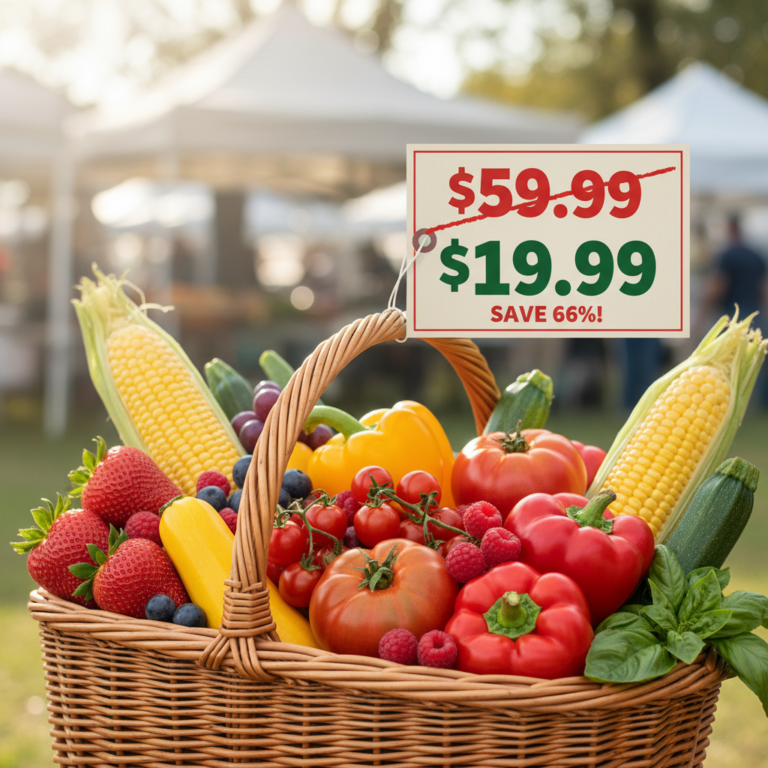
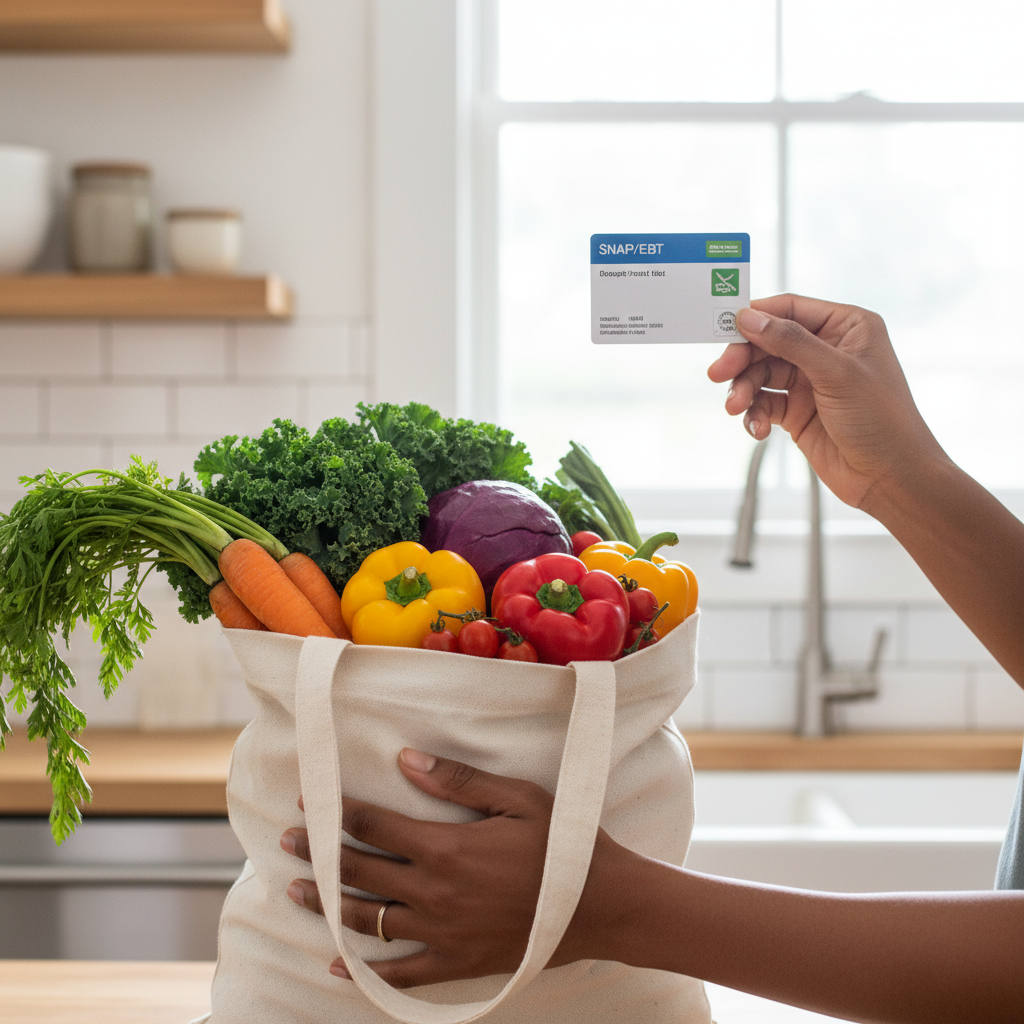
This is a game-changer. Many states have programs like ‘Double Up Food Bucks’ or similar initiatives, often at farmers’ markets. These programs match your SNAP dollars spent on fresh fruits and vegetables. You spend $10 from your EBT card on produce, and they give you another $10 to spend on more produce. That’s free food. Search online for ‘SNAP matching programs [your state]’ to find locations near you.
The Ultimate Plant-Based SNAP Shopping List
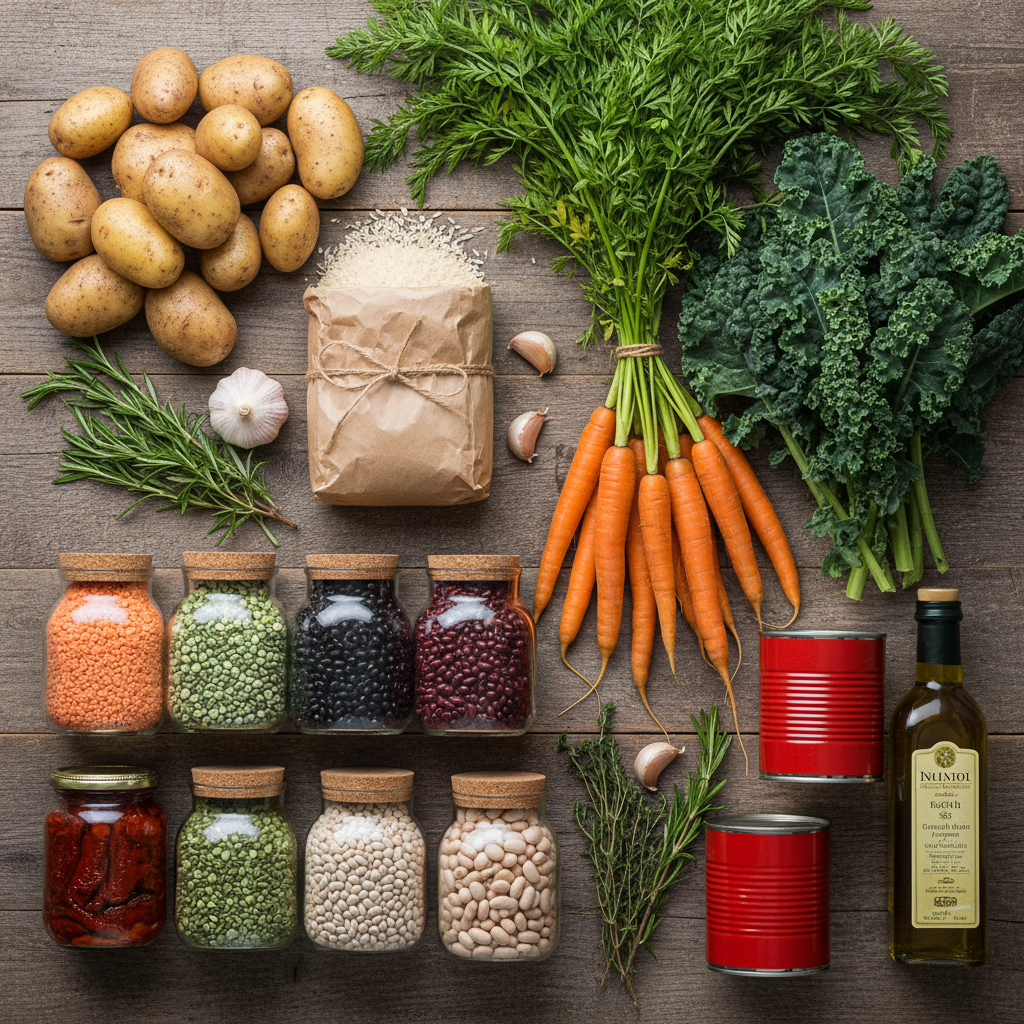
This is it. Your blueprint for success. This list is designed for maximum versatility, nutrition, and affordability. Print it, screenshot it, tattoo it on your arm—whatever it takes. Stick to this list, and you will not fail.
The Foundation: Carbs & Grains
| Item | Why It’s a Must-Have |
|---|---|
| Rolled Oats | Cheapest breakfast you can make. Filling and versatile. |
| Brown Rice | The base for countless meals. Buy the biggest bag you can afford. |
| Whole Wheat Pasta | Inexpensive, easy, and a perfect vehicle for sauces and veggies. |
| Potatoes / Sweet Potatoes | Nutrient-dense, incredibly filling, and can be baked, roasted, or mashed. |
| Whole Wheat Bread | For sandwiches, toast, etc. Look for store brands. |
Protein Powerhouses
| Item | Why It’s a Must-Have |
|---|---|
| Dried Lentils (Brown or Green) | The undisputed king of budget protein. Perfect for soups, stews, and loafs. |
| Dried Beans (Black, Pinto, Chickpeas) | Cheaper than canned. Soak them overnight. The core of your protein intake. |
| Canned Beans | Slightly more expensive but great for quick meals when you’re short on time. |
| Tofu (Firm or Extra-Firm) | Versatile protein source. Great for scrambles, stir-fries, or baking. |
| Peanut Butter | Healthy fats and protein. Get the natural kind with just peanuts and salt. |
The Fresh Stuff: Produce
Focus on what’s in season and on sale. This list is your reliable, year-round baseline.
- Always Buy: Onions, Garlic, Carrots, Cabbage, Bananas.
- Usually Cheap: Celery, Spinach or Kale, Bell Peppers (check prices), Seasonal Fruit (apples in fall, oranges in winter).
Pantry Staples: Flavor & Fats
Don’t skip these! This is what makes your food taste amazing.
- Cooking Oil: A large bottle of canola or vegetable oil.
- Vinegar: Apple cider or white vinegar for dressings and flavor.
- Soy Sauce or Tamari: Essential for umami flavor in many dishes.
- Canned Tomatoes: Diced, crushed, and paste. The base for sauces and stews.
- Frozen Vegetables: Often cheaper than fresh and just as nutritious. Peas, corn, broccoli, and spinach are great staples.
- Spices: If you have nothing, start with salt, pepper, cumin, chili powder, and garlic powder. Build from there.
Meal Prep Magic: Turn Your Groceries Into Gold
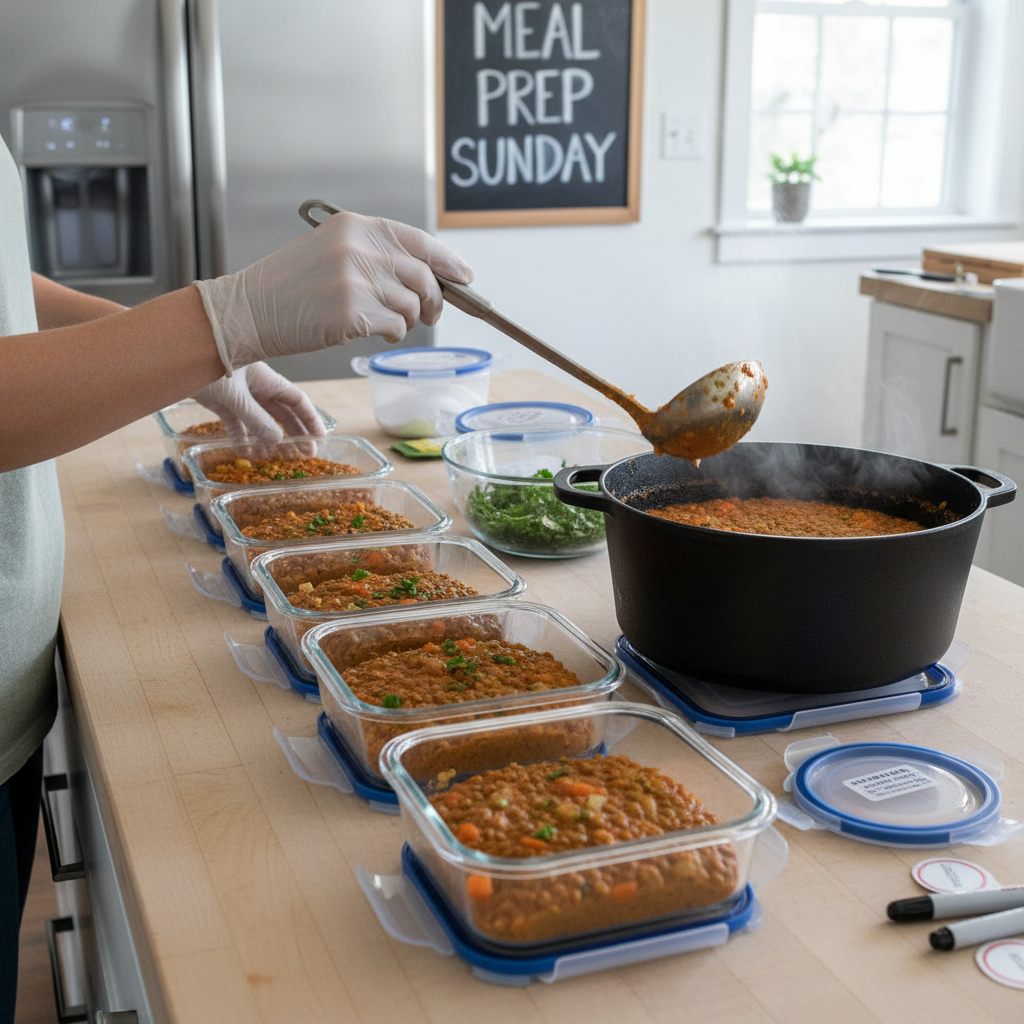
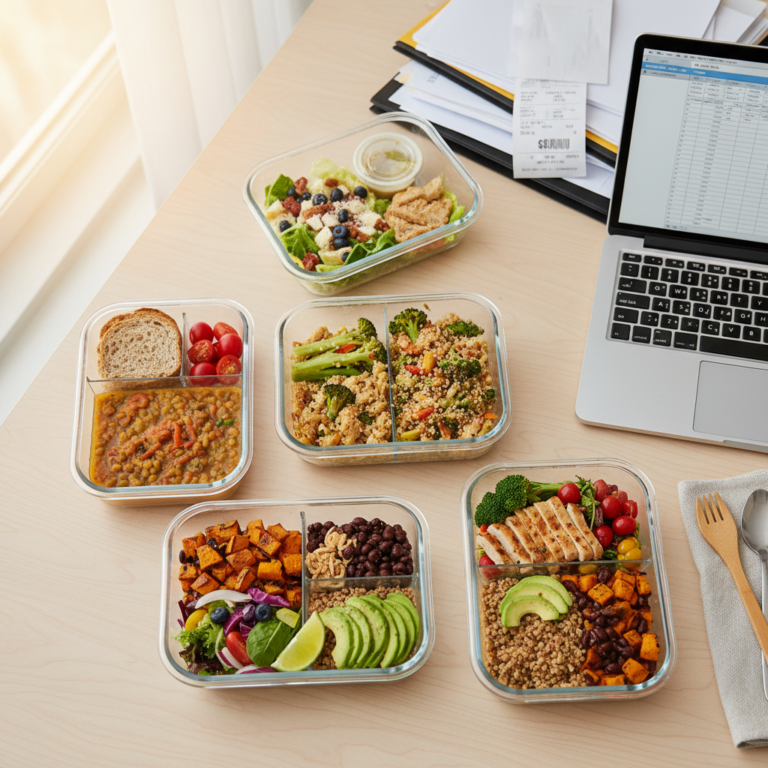
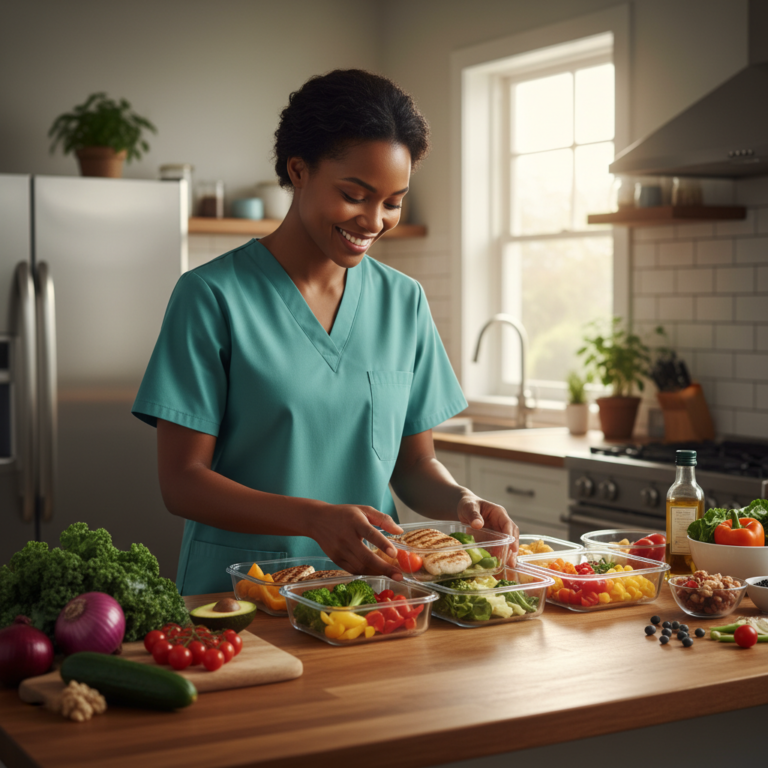
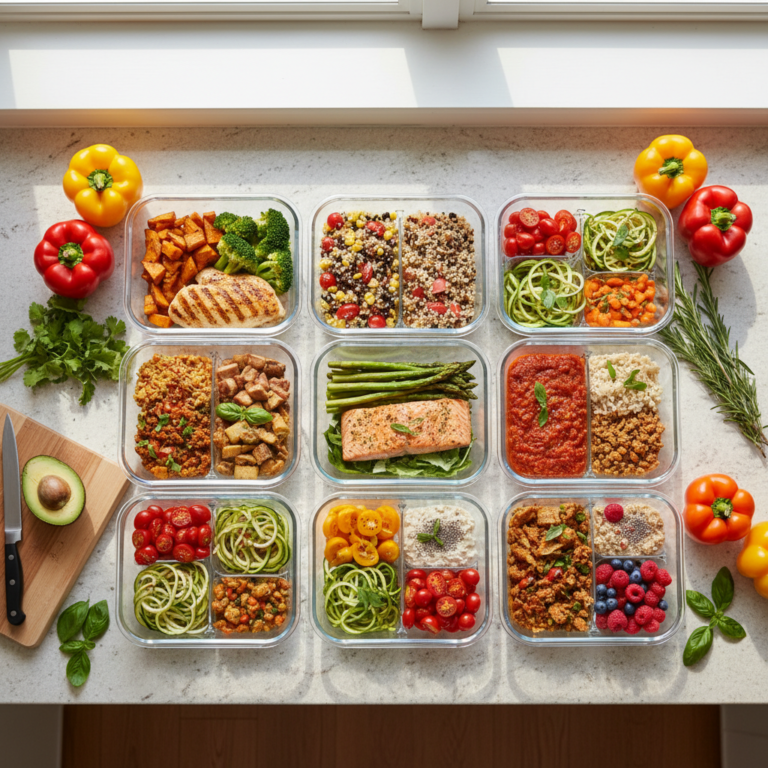
A cart full of cheap groceries is useless if you don’t turn it into actual food. Wasting food is wasting money, and we don’t do that here. The key is batch cooking. Spend 2-3 hours on a Sunday, and you’ll have meals ready to go for days. This saves you from the temptation of ordering takeout when you’re tired and hungry.
Your Simple Batch-Cooking Plan:
- Cook a Big Batch of Grains: Get a pot of brown rice or quinoa going. Once it’s cooked and cooled, store it in the fridge.
- Cook Your Legumes: If you bought dried beans, now is the time to cook up a huge pot.
- Chop Your Veggies: Chop onions, carrots, and celery (a mirepoix base) and store them in a container. This makes starting dinner on a weeknight incredibly fast.
- Make One Big Soup or Stew: A massive pot of lentil soup can provide lunches for the entire week.
Dead-Simple Meal Ideas:
- Breakfast: Oatmeal with a sliced banana and a spoonful of peanut butter. Cost: less than $0.50.
- Lunch: Leftover lentil soup or a ‘kitchen sink’ rice bowl. Take your pre-cooked rice, top it with black beans, corn from the freezer, and a little salsa or hot sauce. Cost: less than $1.00.
- Dinner: Pasta with a simple sauce made from canned tomatoes, garlic, onions, and herbs. Toss in some cooked lentils for protein. Cost: around $1.50 per serving.
The Key Rule: Cook once, eat three times. Leftovers aren’t boring; they’re a sign of intelligence. They’re proof that you value your time and your money.
The Math: Proof This Stretches Your SNAP Dollars
Talk is cheap. Let’s look at the hard numbers. This isn’t about deprivation; it’s about making mathematically superior choices for your wallet. When you swap out high-cost items for low-cost, high-nutrition plant-based staples, the savings are staggering.
A single pound of ground beef can cost $4.50 or more and might make 4 burgers. A pound of dry lentils costs about $1.50 and, once cooked, yields about 7 cups—enough for 8-10 servings of lentil soup or a massive batch of lentil loaf. You’re not just saving $3.00 on the initial purchase; you’re getting more than double the meals out of it.
Let’s say your family eats tacos once a week. By switching from ground beef to black beans, you save $0.87 per person per meal. For a family of four, that’s $3.48 per week. It might not sound like much, but that’s $180.96 in savings over a year from one single, simple swap. Now imagine applying that logic to most of your meals. The savings aren’t just a bonus; they’re substantial enough to completely change your budget, freeing up your SNAP dollars for more fresh produce or to stock up on pantry staples.
Conclusion
You now have the strategy, the shopping list, and the proof. Eating plant-based on a food stamp budget isn’t a fantasy; it’s a choice. It’s a strategic decision to take control of your health and your finances at the same time. It requires planning and a little bit of prep work, but the payoff is huge. You get to eat delicious, filling food that fuels your body, and you end the month with more of your benefits left over. You’re not just surviving; you’re thriving. You have the power to reject the idea that healthy food is a luxury. So take this list, make your plan, and walk into that grocery store with the confidence of someone who knows exactly how to win the game.