Stop Throwing Food Away: Freezer Hacks That Will Save You $200 This Month
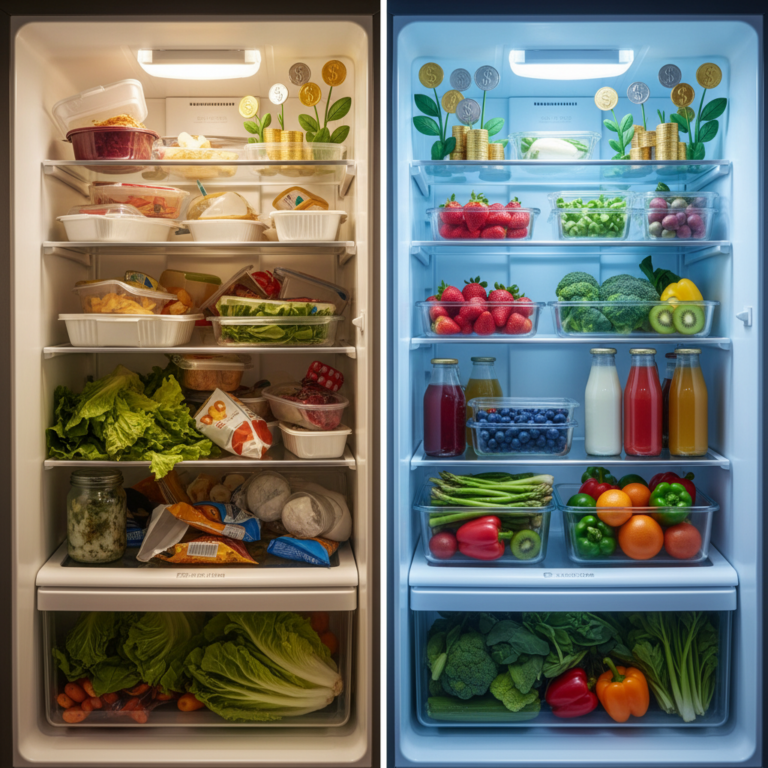
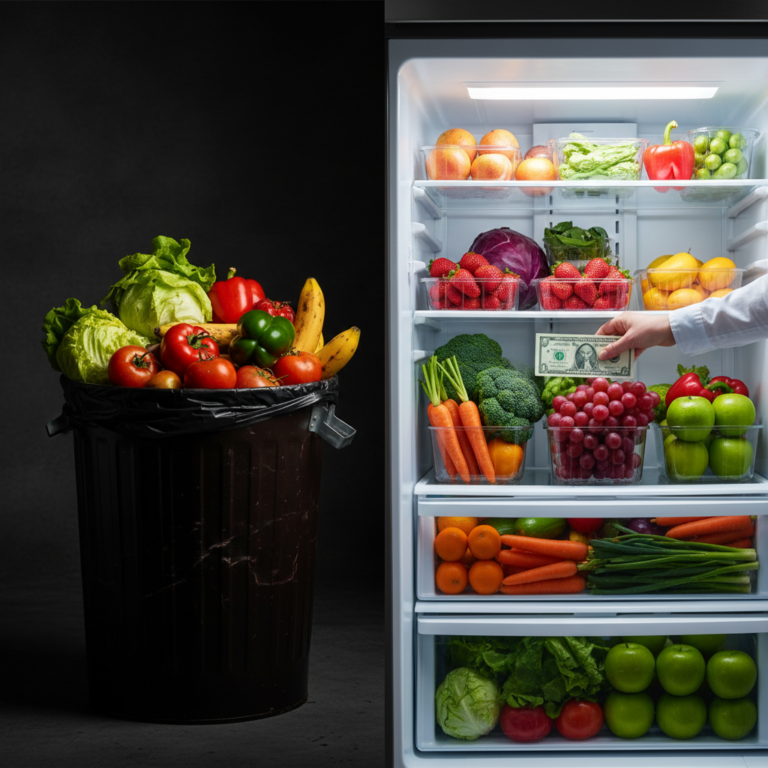
Listen up. Take a look at your trash can. See that wilted cilantro? Those slightly-too-brown bananas? That half-used can of tomato paste? That isn’t just food waste; it’s cash. You’re literally throwing your hard-earned money away, and it’s time to stop the bleeding. The average American family tosses out over $1,500 worth of food every single year. That’s a vacation, a debt payment, or a serious boost to your savings account. Forget complicated couponing and extreme penny-pinching. The most powerful money-saving tool you own is probably humming away in your kitchen right now: your freezer.
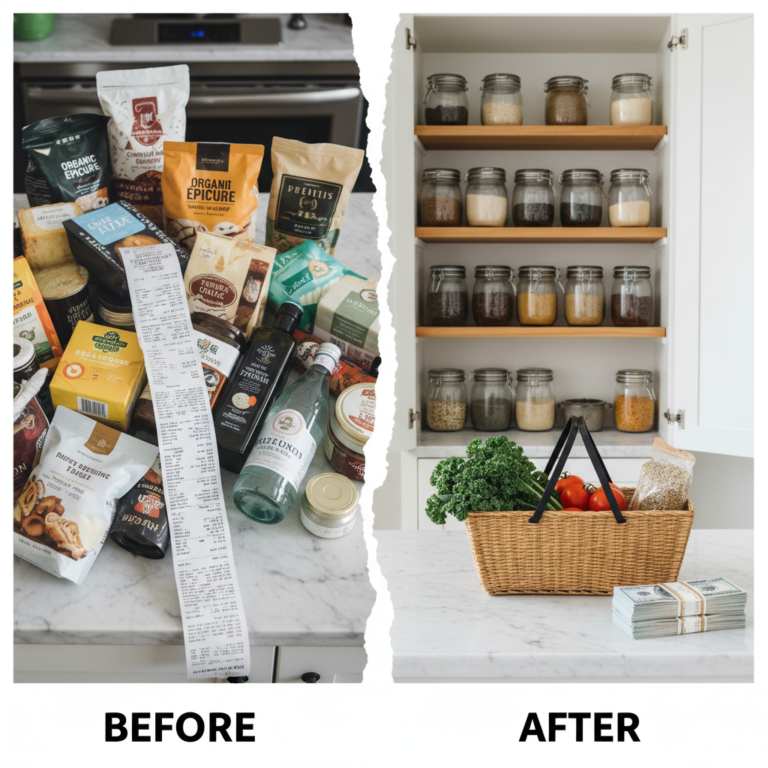
We’re not talking about freezer-burned mystery meals from 1998. We’re talking about a strategic, empowering system to turn your freezer from a frozen graveyard into a financial command center. This is your guide to reclaiming your grocery budget. Follow these street-smart hacks, and you won’t just reduce waste—you’ll put a cold, hard $200 (or more) back into your wallet this month. Let’s turn that icebox into a cash machine.
The Mindset Shift: Your Freezer is a Time Capsule, Not a Graveyard
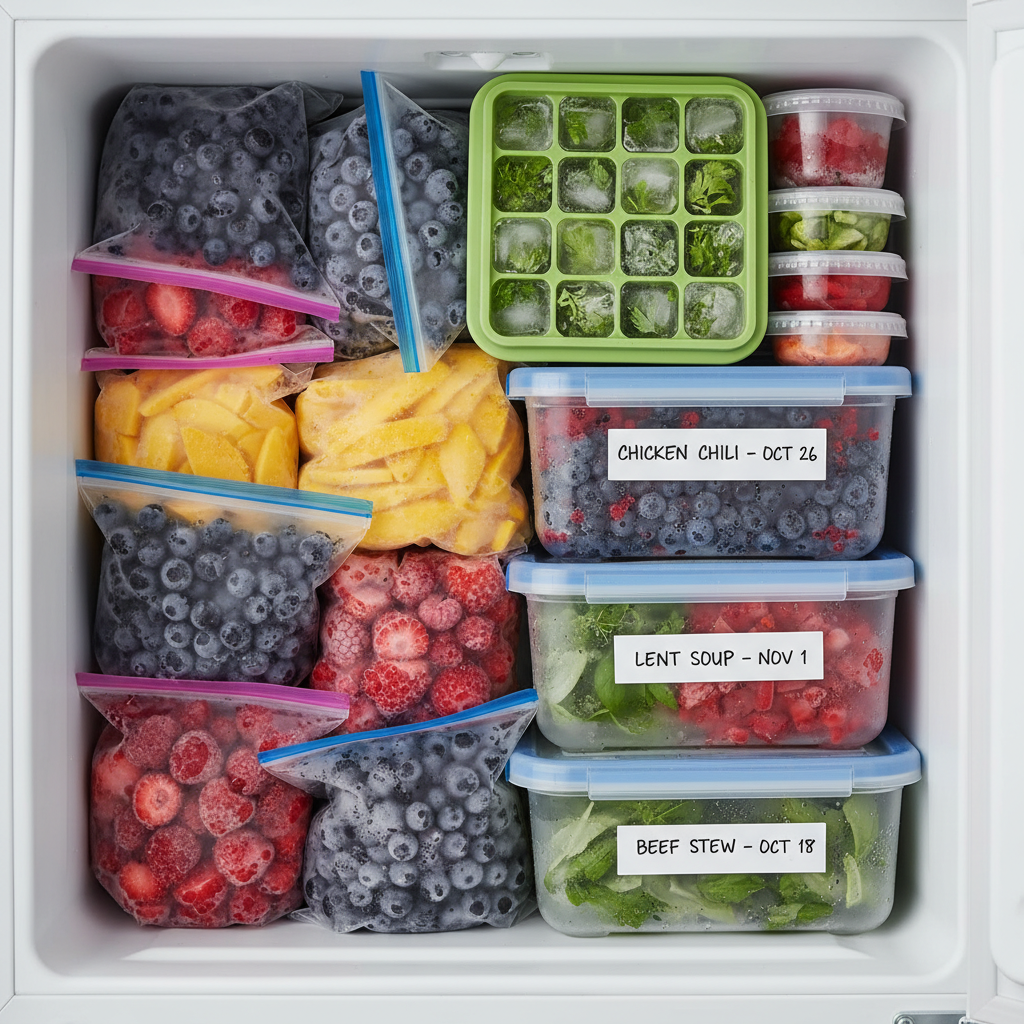
Before we even talk about what to freeze, we need to get your head right. Most people treat their freezer like a witness protection program for food—it goes in and is never seen or heard from again until it’s an unrecognizable block of ice. That ends today. Your new mantra is: The freezer is a pause button for freshness and value. It’s a time capsule that locks in the money you’ve already spent.
Every time you let something spoil in the fridge, you’re paying for it twice: once at the checkout and again when you have to buy a replacement. By using your freezer strategically, you’re preserving the initial investment. It’s about respecting your own money. This isn’t hoarding; it’s smart asset management. The asset is your food, and the freezer is your vault.
The Real Cost of ‘Convenience’
We often let food spoil because we’re too busy or tired to deal with it. Grabbing $20 takeout feels easier than figuring out what to do with chicken that’s about to expire. But that’s the ‘lazy tax’ talking. The real convenience is having a future-you solution ready to go. Investing 10 minutes today to prep and freeze those ingredients saves you time, stress, and money tomorrow.
| Item | Cost of Wasting It | Cost of Saving It |
|---|---|---|
| 1 bunch of Cilantro | $2.00 (thrown away) | $0.10 (one freezer bag) |
| 2 Chicken Breasts | $8.00 (spoiled) | $0.25 (freezer paper & bag) |
| 1 lb Strawberries | $5.00 (turned to mush) | $0.10 (one freezer bag) |
| Total Weekly Loss | $15.00 | $0.45 |
The math is brutally simple. A tiny investment in freezer supplies protects a much larger investment in groceries. Stop thinking of it as a chore and start thinking of it as paying yourself first.
The ‘Almost-Too-Late’ Brigade: Rescuing Produce on the Brink
Your refrigerator’s crisper drawer can quickly become a crime scene. This is where the biggest and most frequent money losses happen. But with a freezer, you become a first responder, saving your produce from the brink of death and turning it into future gold.
The Brown Banana Goldmine
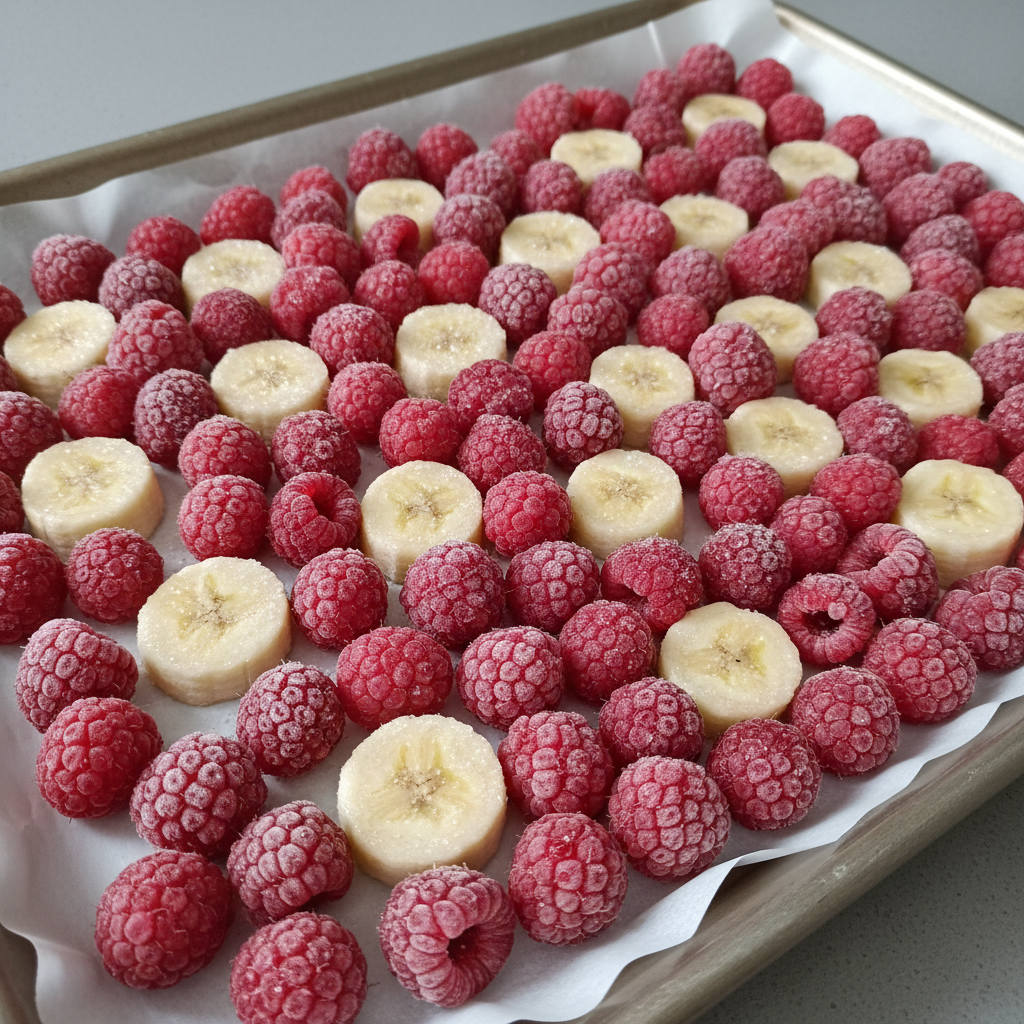
Brown-spotted bananas are not trash; they are treasure. This is probably the easiest and most impactful hack to start with. When you see those spots appearing, that’s your signal to act.
- Peel the bananas. Never freeze them in the peel unless you enjoy a wrestling match with a slimy, black mess later.
- You can freeze them whole, but for ultimate convenience, slice them into coins.
- Lay the coins or whole bananas on a baking sheet lined with parchment paper (this is a pro move called ‘flash freezing’).
- Freeze for 1-2 hours, until solid.
- Toss the frozen pieces into a labeled freezer bag.
Now you have instant smoothie thickeners, a base for ‘nice’ cream, or perfectly prepped bananas for baking bread. The math: If your household wastes 4 bananas a week at $0.25 each, that’s $1 down the drain. It doesn’t sound like much, but that’s $52 a year from bananas alone. That’s a free tank of gas or a nice dinner out.
Wilted Greens Revival
Spinach, kale, and other leafy greens have a notoriously short shelf life. The moment they start to look sad, it’s go-time. You can’t use them for a fresh salad after freezing, but they are perfect for smoothies, soups, stews, and pasta sauces. Simply stuff a handful of the greens into a blender with a splash of water, blend until smooth, and pour into an ice cube tray. Once frozen, pop out the green cubes and store them in a bag. Each cube is a pre-portioned blast of nutrients you can drop into a hot pan or a blender.
The Berry Bonanza
Ever frozen a container of strawberries only to end up with a giant, icy red brick? That’s because you skipped the most important step: the flash freeze. It keeps the berries separate, so you can grab exactly the amount you need.
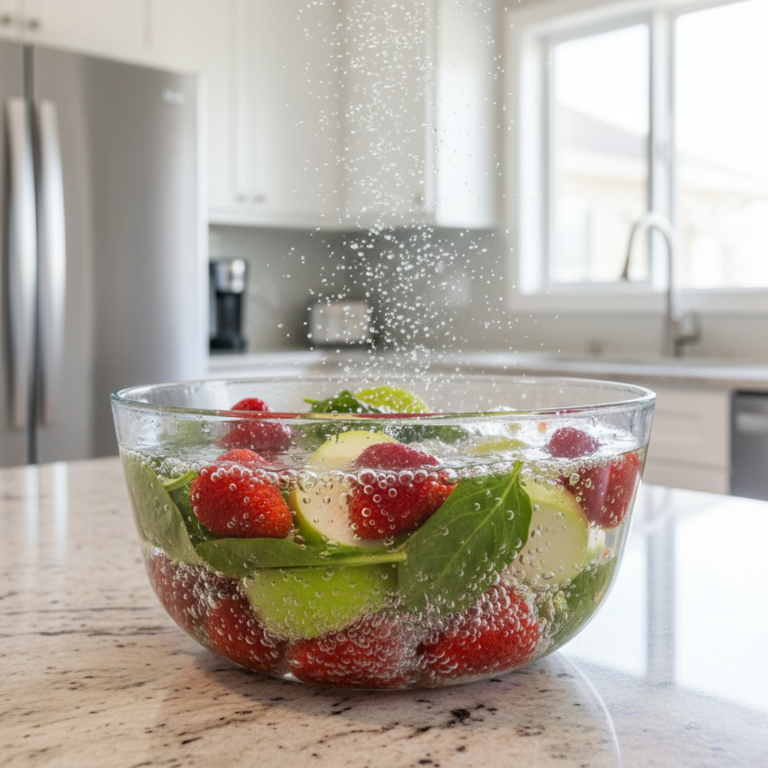
- Gently wash and thoroughly dry your berries. Moisture is the enemy and creates ice crystals.
- Hull the strawberries or remove stems from other berries.
- Place them in a single layer on a parchment-lined baking sheet. Make sure they aren’t touching.
- Freeze for 2-3 hours until they are rock solid.
- Transfer the frozen berries to a labeled freezer bag.
You’ve just saved yourself from buying expensive bags of frozen fruit. A pint of fresh raspberries might be $4. If you let half of it go bad, that’s a $2 loss. Do that a few times a month, and you’re tossing $10-$15 without a second thought.
The Flavor Bomb Factory: Never Buy Pricey Herbs or Sauces Again
Some of the most expensive items per ounce in the grocery store are the ones we use the least of in one go: fresh herbs, tomato paste, pesto. These are prime candidates for food waste. The freezer turns these perishable flavor-enhancers into long-lasting assets.
Herb Pucks of Power
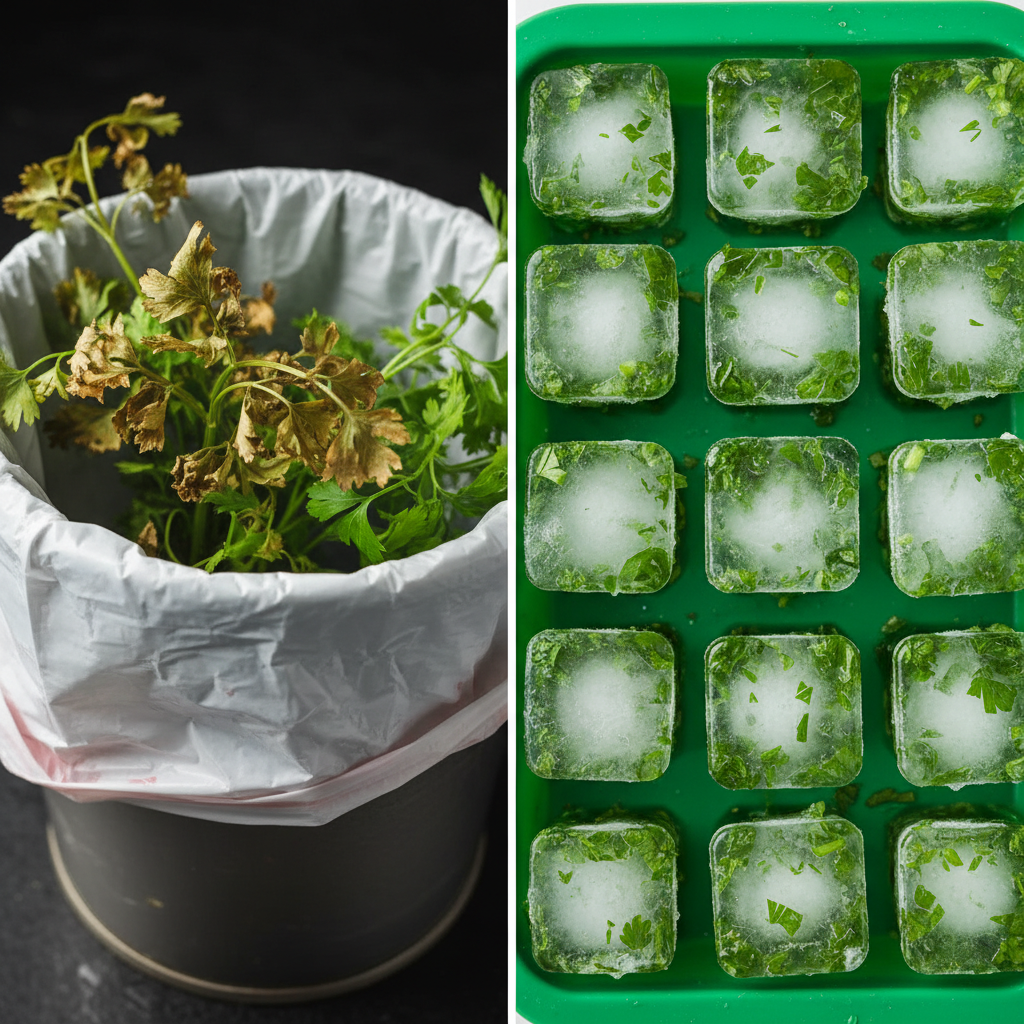
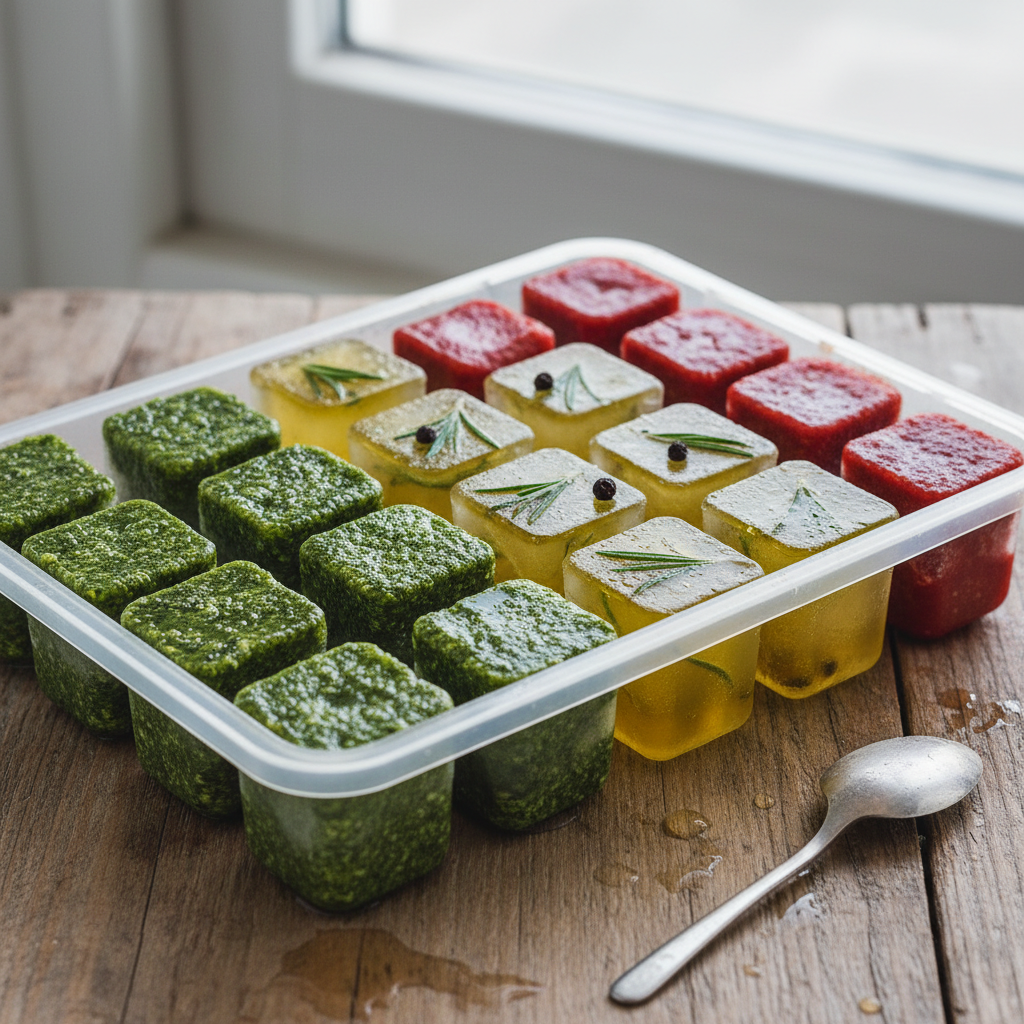
How many times have you bought a $2 bunch of cilantro, used a tablespoon, and watched the rest turn into green slime in your fridge? No more. Finely chop your leftover herbs (parsley, cilantro, dill, basil, oregano) and pack them into an ice cube tray. You can then top them off with either water or, for a richer result, olive oil. Freeze until solid, then pop the ‘herb pucks’ into a freezer bag.
Rule #1 of Frugal Freezing: If it’s a liquid, a paste, or can be chopped up and put in a cube, it can probably be frozen. Don’t let it die in the fridge.
When you’re making soup, sauce, or sautéing veggies, just toss in a cube. You get fresh flavor without the waste. This hack alone can save you $5-$10 a month if you’re a frequent herb-buyer.
Sauce & Stock Savings
This same ice cube tray trick works for a ton of other things:
- Tomato Paste: Spoon leftover paste into an ice cube tray. One cube is roughly one tablespoon.
- Pesto: Freeze leftover pesto before the oil separates and it turns dark.
- Wine: Have a little red or white wine left? Freeze it in cubes to add depth to future pan sauces or stews.
- Broth/Stock: Freeze leftover chicken or vegetable broth for a quick flavor boost later.
- Coffee: Freeze leftover coffee to make iced coffee that isn’t watered down.
| Product | Cost of a New Jar (Waste) | Cost of a Frozen Cube (Savings) |
|---|---|---|
| Can of Tomato Paste | $1.50 (for one tbsp) | $0.00 (used leftovers) |
| Jar of Pesto | $5.00 (half jar thrown out) | $0.00 (used leftovers) |
| Bottle of Wine | $12.00 (poured out last glass) | $0.00 (used leftovers) |
These small amounts add up fast. Saving half a jar of pesto and half a can of tomato paste every month is a savings of over $40 a year right there.
The Leftover Multiplier: Cook Once, Eat Three Times
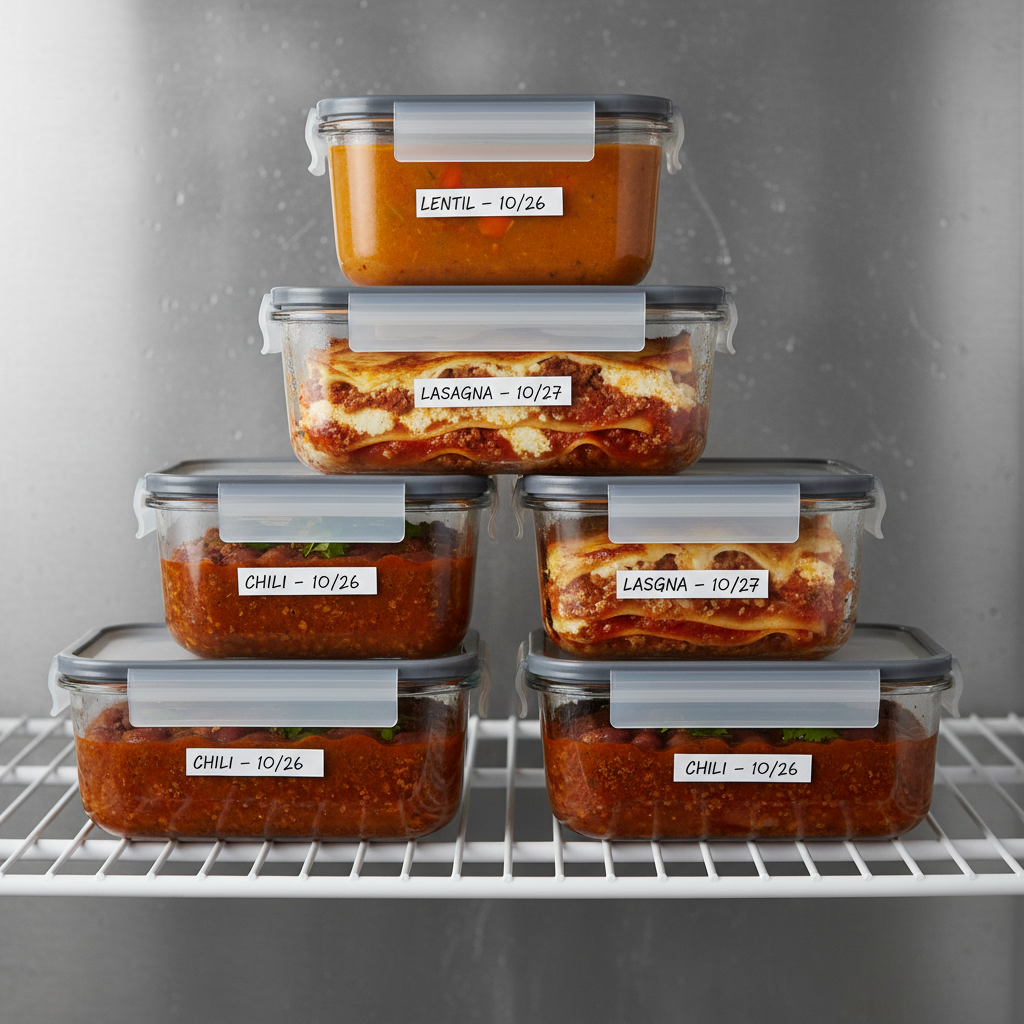
This is where you level up from saving ingredients to saving entire meals. Batch cooking and freezing leftovers is the ultimate defense against the ‘lazy tax’ of expensive, unhealthy takeout. The key is to freeze meals in ready-to-eat portions.
The ‘Cook for an Army’ Strategy
When you make chili, soup, lasagna, or a casserole, double the recipe. It takes marginally more effort to cook a big batch than a small one. Serve what you need for dinner, and then immediately portion the rest into single-serving, freezer-safe containers. Let them cool completely before freezing to prevent ice crystals from forming.
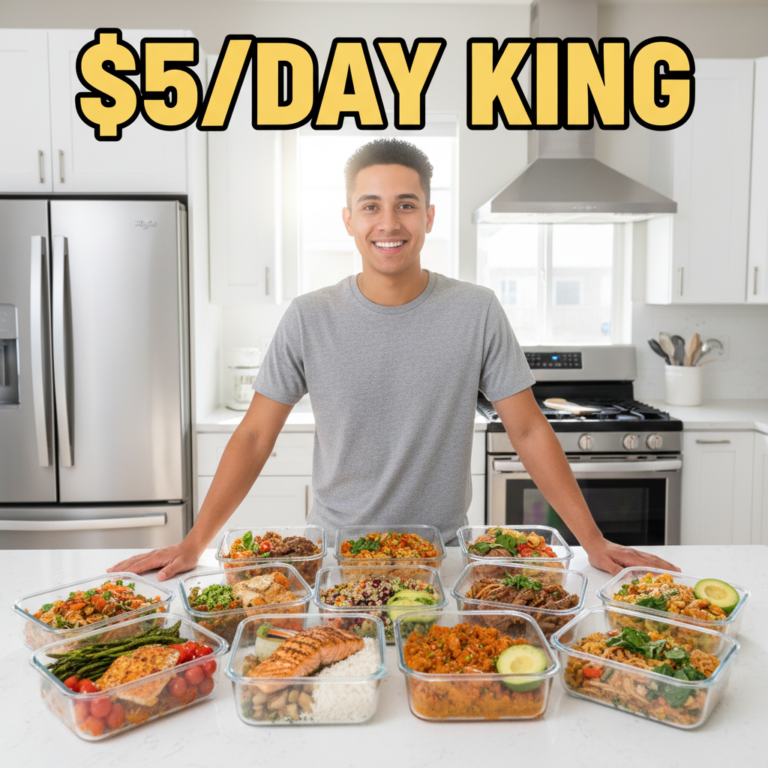
You are essentially creating your own high-quality, gourmet frozen dinners. When you have a busy night, you can pull one out. It’s faster, cheaper, and healthier than ordering a pizza.
The ‘Lazy Tax’ Breakdown
Let’s be honest about the cost of convenience. That ‘quick’ delivery meal isn’t just the price on the app; it’s the delivery fee, the service fee, and the tip. A $15 meal easily becomes $25. Your homemade frozen portion? It probably cost you $3-$4 in ingredients.
| Meal Option | Cost Per Person | Monthly Cost (2x/week) |
|---|---|---|
| Food Delivery (e.g., DoorDash) | $25.00 | $200.00 |
| Homemade Frozen Leftover | $3.50 | $28.00 |
| Monthly Savings | – | $172.00 |
By replacing just two delivery meals a week with your own frozen stash, you can save over $170 a month. This one habit alone can get you most of the way to our $200 goal.
Scam Warning: The biggest scam is the one you play on yourself—the ‘I’ll eat it tomorrow’ lie. If you know you won’t, don’t let it linger in the fridge for three days to feel less guilty when you throw it out. Freeze it on day one. Be honest with yourself and protect your money.
The Numbers Don’t Lie: Your $200 Monthly Savings Blueprint
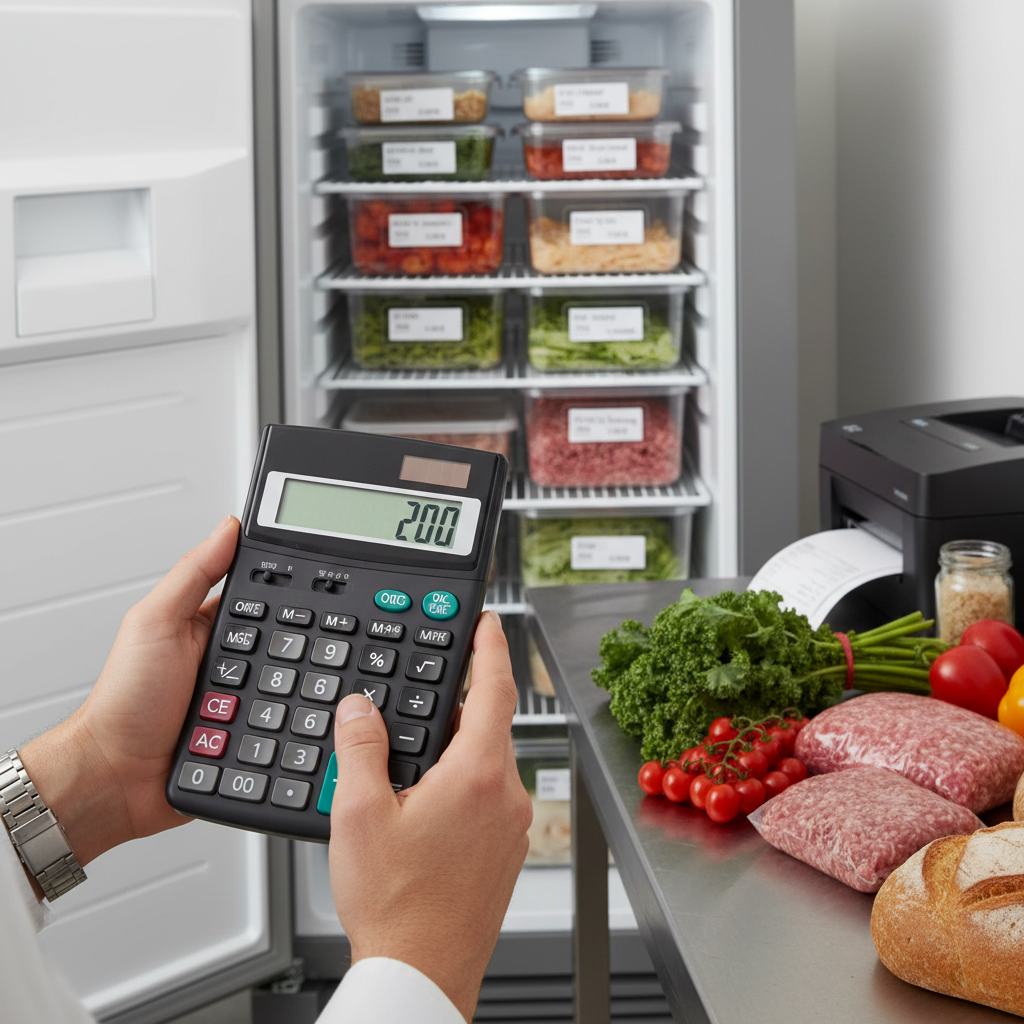
Talk is cheap. Let’s break down the math and create a realistic blueprint for how you can hit that $200 monthly savings goal. This isn’t about being perfect; it’s about being consistent. Pick a few of these categories and focus on them. You’ll be shocked at how quickly the savings stack up.
Below is a conservative estimate of what a typical household might waste in a month. Your numbers may be higher or lower, but the principle is the same. Track your own food waste for a week if you want a real wake-up call. This table shows where your money is going and how your freezer can bring it back.
| Item/Category Wasted | Typical Monthly Cost of Waste | Freezer Hack Savings |
|---|---|---|
| Produce (Berries, Bananas, Greens) | $30 | $25 |
| Leftover Meals (Replaced Takeout) | $100 | $85 |
| Dairy & Bread (Milk, Cheese, Heels) | $20 | $18 |
| Fresh Herbs & Pastes | $15 | $12 |
| Meat & Poultry (Approaching ‘Use By’ Date) | $40 | $35 |
| Coffee, Wine, Broth | $25 | $25 |
| ESTIMATED TOTAL SAVINGS | $230 | $200 |
As you can see, hitting $200 isn’t a fantasy. It’s the direct result of a few simple, strategic changes. By saving almost-bad meat from the trash, replacing two takeout orders a week, and rescuing your produce and herbs, you easily surpass the goal. This is tangible cash that can go toward your emergency fund, a vacation, or paying off debt faster. All it takes is a roll of freezer bags and a new mindset.
Conclusion
The days of surrendering your grocery budget to the whims of expiration dates are over. You are now armed with the strategy to fight back against food waste and reclaim your money. Your freezer is no longer a passive appliance; it is an active financial tool, a partner in your journey to frugal, empowered living. You’ve seen the numbers, you have the blueprint—the power is officially back in your hands.
Don’t get overwhelmed. You don’t have to implement every single hack overnight. Start small. This week, rescue those bananas. Next week, master the herb pucks. The momentum will build, and so will your bank account. Stop throwing away your money. Start freezing it. Your future self, and your wallet, will thank you for it.