Throw Out Your Downy: The 2-Ingredient Natural Softener That Ruins Static
Alright, let’s have some real talk. You walk down that laundry aisle, and it’s a wall of brightly colored bottles, all promising fluffy clouds and mountain breezes. You grab your go-to brand—maybe it’s Downy, maybe it’s Snuggle—and you drop it in the cart without a second thought. But what are you really paying for? You’re paying for fancy marketing, a cocktail of chemicals you can’t pronounce, and a waxy residue that actually builds up on your clothes and clogs your washing machine over time. It’s a hustle, plain and simple.
You’re here because you’re smarter than that. You know there’s a better way to get soft, static-free laundry without draining your wallet or coating your fabrics in mystery gunk. Forget the hype. Forget the cost. I’m about to show you how to replace that $12 bottle of softener with a powerhouse solution that costs less than a buck to make. This isn’t just about saving a few dollars; it’s about taking back control from the big brands and running your home with street-smart efficiency. Get ready to throw out your Downy for good, because this 2-ingredient, all-natural softener is about to change your laundry game forever.
Why You’re Getting Played by Big-Brand Fabric Softeners
The Real Cost of ‘Softness’
Before we get to the hack, you need to understand the game you’ve been playing. Commercial liquid fabric softeners and dryer sheets work by coating your clothes in a thin layer of lubricating chemicals. These chemicals, often petroleum-based and containing emulsifiers and fragrances, make the fibers feel slick and smooth, which we perceive as ‘softness.’ But it’s a trick. This coating is designed to stay on your clothes, which sounds good until you realize the consequences.
The Grimy Buildup
That chemical layer doesn’t just stay on your clothes; it builds up. Load after load, it creates a waterproof-like film. This is especially bad for certain fabrics:
- Towels: That waxy residue makes them less absorbent over time. Ever notice your towels just seem to push water around instead of soaking it up? Blame your fabric softener.
- Athletic Wear: Most workout clothes are designed to be moisture-wicking. The coating from softeners clogs the fabric’s pores, trapping sweat and bacteria, which leads to that permanent ‘funk’ you can’t seem to wash out.
- Children’s Sleepwear: Federal regulations require children’s pajamas to be flame-resistant. The chemicals in fabric softeners can coat these fibers and interfere with this crucial safety feature.
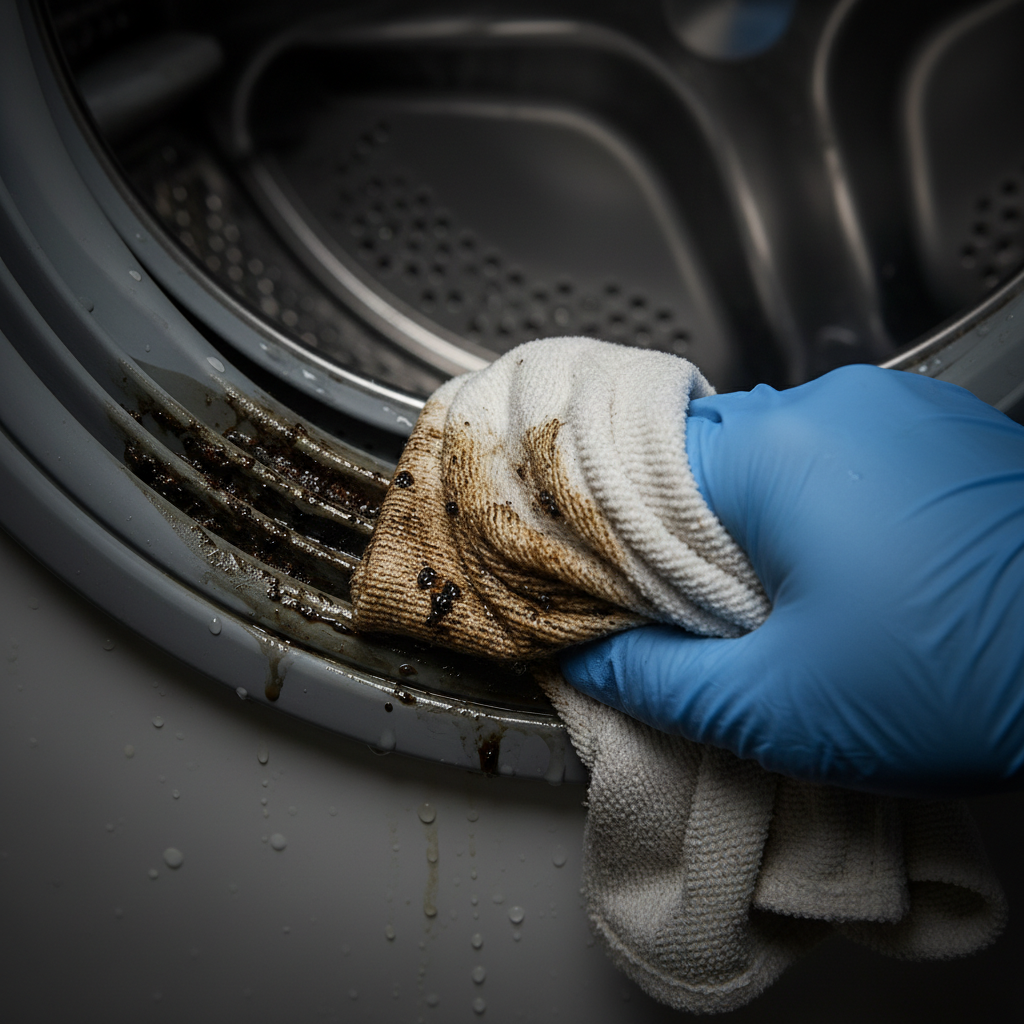
It’s not just your clothes. This gunk also builds up inside your washing machine, creating a breeding ground for mold and mildew in the dark, damp corners of the drum and hoses. You’re paying a premium for a product that makes your towels less effective and your machine dirtier. It’s a bad deal all around.
The 2-Ingredient Powerhouse That Kills Static for Pennies
Meet Your New Laundry MVP
Ready for the big reveal? The secret weapon the laundry industry doesn’t want you to know about is plain, simple, cheap distilled white vinegar. That’s it. That’s the core of the recipe. For scent, we’ll add a little essential oil, but the vinegar is the workhorse.
But how does it work? It’s simple science. Laundry detergent is alkaline. Sometimes, traces of it are left on your clothes after the rinse cycle, leaving them feeling stiff and causing skin irritation. White vinegar is a mild acid. When you add it to the rinse cycle, it works to neutralize the alkaline detergent residue. This process has two killer benefits:
- It releases the fabric’s natural fibers from the stiff detergent residue, making them feel significantly softer without any artificial coating.
- It breaks the ionic charge that causes static cling. Static is caused by a buildup of electrons from fabrics rubbing together in the dry environment of a dryer. By removing the residue that holds the charge, vinegar helps your clothes come out separate and static-free.
The Ultimate DIY Softener Recipe
Here’s how to make it. It’s almost embarrassingly easy.
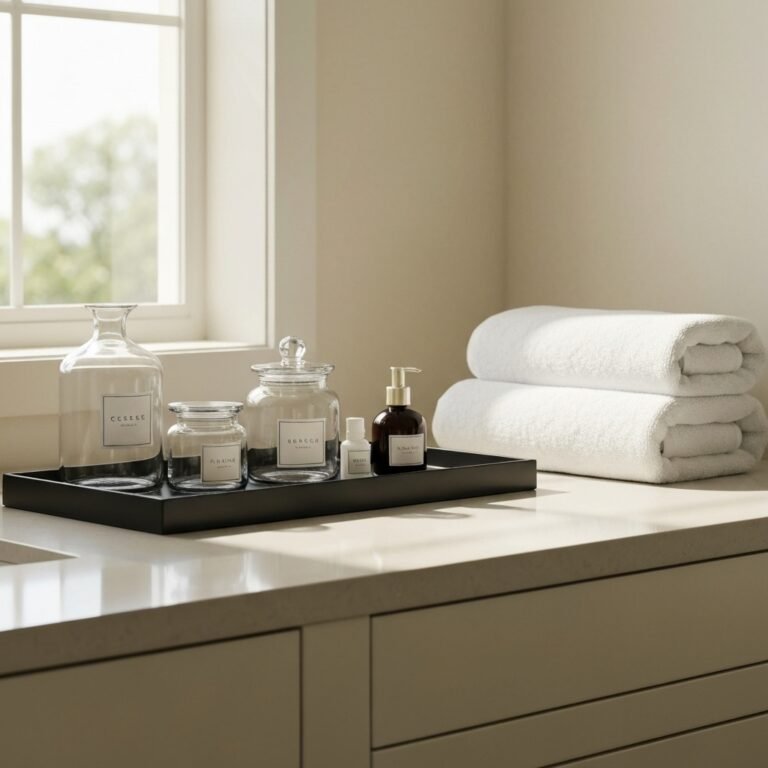
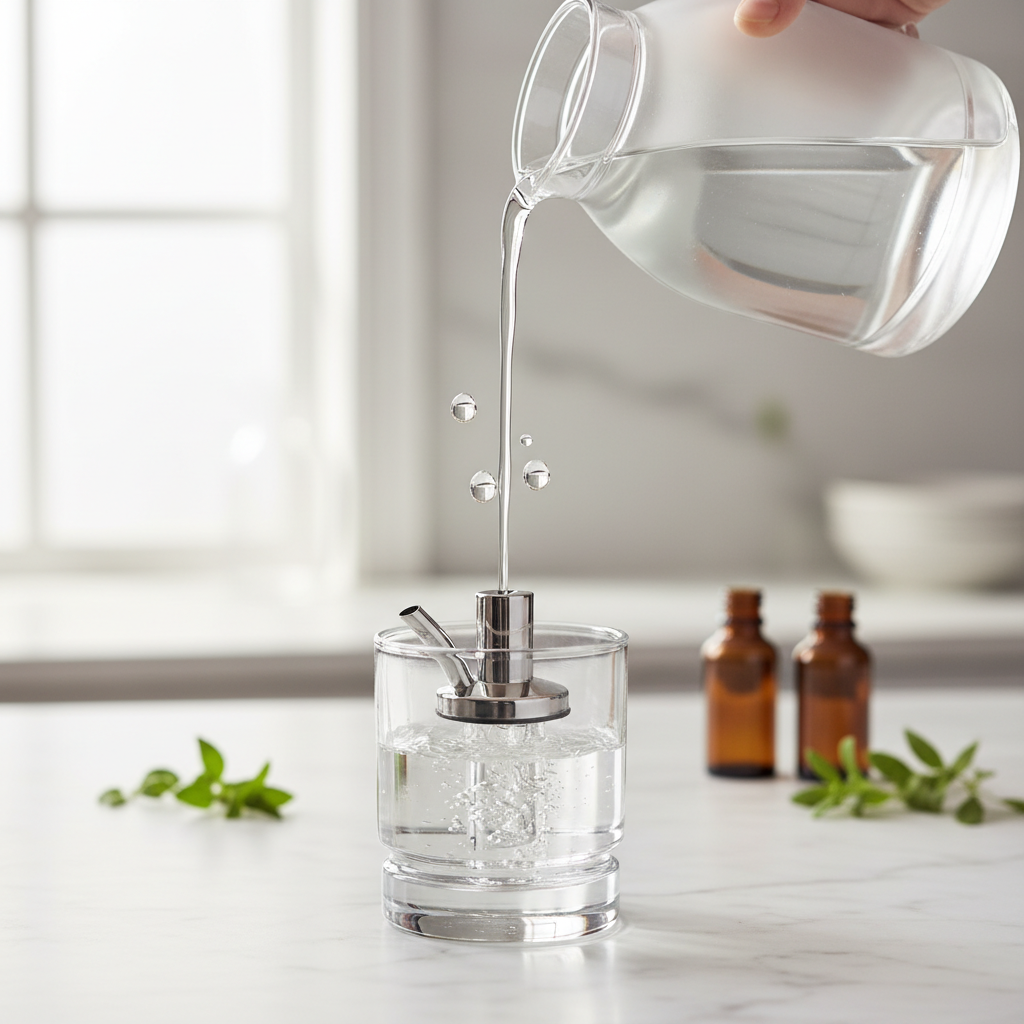
- Get a container: Grab an old vinegar bottle, a large mason jar, or a fancy glass bottle with a stopper. You’ll need something that holds at least half a gallon (64 oz).
- Add the magic: Pour a half-gallon of distilled white vinegar into your container. Don’t use apple cider vinegar; it can potentially stain your clothes.
- Add the scent (Optional but recommended): Add 20-30 drops of your favorite essential oil directly into the vinegar. Lavender, lemon, eucalyptus, or tea tree oil are all great choices. They add a light, fresh scent and some have antibacterial properties.
- Shake it up: Put the lid on and give it a good shake to mix the oil with the vinegar. That’s it. You’re done.
Key Rule: Always shake the bottle before each use, as the essential oil will naturally separate and float on top of the vinegar over time.
The Cost Breakdown: DIY vs. Downy (The Math Doesn’t Lie)
Let’s Talk Numbers
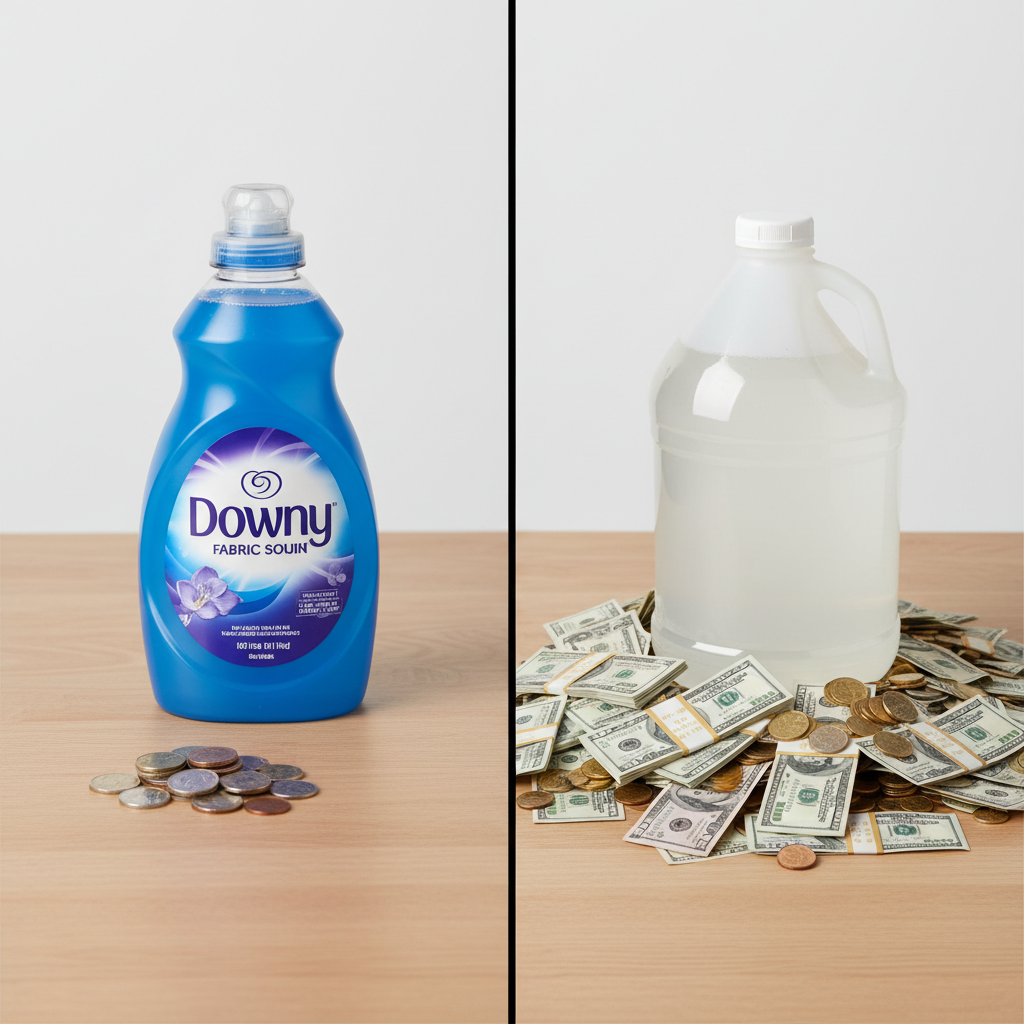
This is where the frugal hustle really shines. Talking about savings is nice, but seeing the numbers in black and white is what empowers you to make a change. We’re going to compare the cost per load of our DIY softener against a leading brand like Downy Ultra Concentrated Fabric Softener.
Prices are based on average retail costs and may vary slightly, but the savings ratio remains staggering.
| Metric | Downy Ultra (129 oz / 170 loads) | DIY Vinegar Softener (64 oz / 64 loads) |
|---|---|---|
| Upfront Cost | $12.99 | $3.50 (for vinegar) + $0.50 (for oil) = $4.00 |
| Cost Per Load | $0.076 (approx. 8 cents) | $0.062 (approx. 6 cents) |
| Wait, that’s not a huge difference? | You’re right, the per-load cost seems close. But here’s the kicker: the recommended Downy dose is often not enough, and people over-pour. The real magic of vinegar is you can use it for SO much more. Let’s re-run this based on a more realistic annual use case for an average family doing 5 loads a week. | |
The Annual Savings Calculation
An average family does about 260 loads of laundry per year (5 loads/week x 52 weeks).
- Annual Cost with Downy: 260 loads x $0.076/load = $19.76
- Annual Cost with DIY Vinegar: 260 loads x $0.062/load = $16.12
Okay, so the direct savings are about $3.64 a year. That’s not life-changing. But you’re missing the bigger picture. The REAL value is in ditching a single-purpose chemical product for a multi-purpose powerhouse. That same gallon of vinegar can also be used to clean your windows, descale your coffee maker, mop your floors, and a hundred other things. You’re not just buying ‘fabric softener’; you’re investing in a product that replaces a dozen others. Furthermore, you’re saving your clothes and your washing machine from costly buildup, extending their lifespan. The true annual savings, when you factor in the longevity of your belongings and the other cleaners you no longer need to buy, easily skyrocket to over $100 or more. That’s the street-smart math they don’t want you to do.
How to Use It & Pro-Tips for Next-Level Laundry
Putting Your Hack into Action
Using your new softener couldn’t be easier. You use it exactly like you would use the commercial stuff.
- Shake the bottle: Give your DIY softener a quick, vigorous shake to mix the essential oils.
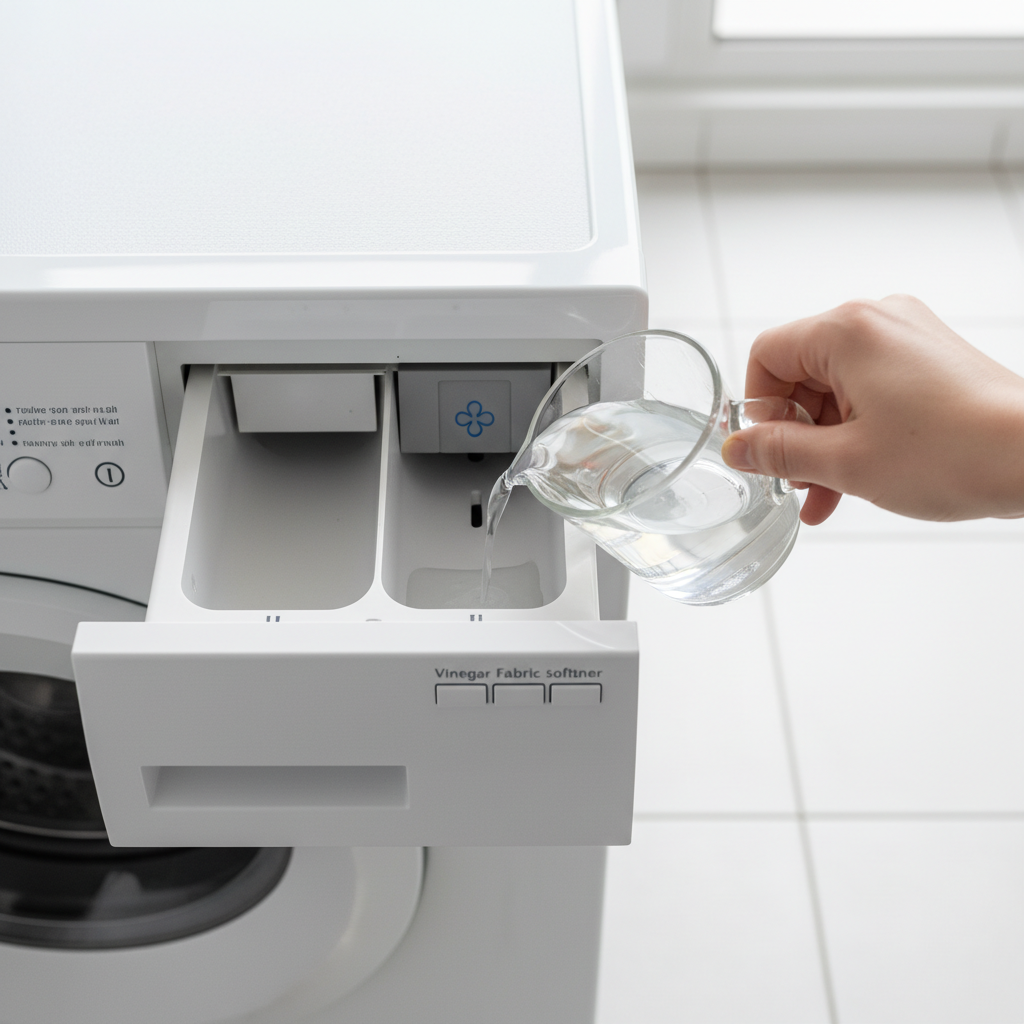
- Measure it out: Pour about 1/2 to 1 cup of the vinegar solution into a measuring cup. For a standard load, 1/2 cup is plenty. For large loads or extra-stiff fabrics like new towels or jeans, go with a full cup.
- Add to the dispenser: Pour the liquid into the designated fabric softener dispenser in your washing machine. The machine will automatically release it during the final rinse cycle, which is the perfect time for it to work its magic.
Scam Warning: Never, ever pour vinegar directly onto your clothes in the wash drum, especially not at the beginning of the cycle with detergent. It can react with the detergent and reduce its cleaning power. Only use it in the softener dispenser so it’s released during the rinse cycle.
Pro-Tips from the Frugal Hacker
Ready to level up? Here are a few extra hacks:
- Wool Dryer Balls: For maximum static elimination and faster drying times, pair your vinegar rinse with a set of wool dryer balls. Add a few drops of essential oil to the balls for an extra scent boost. This combo makes dryer sheets completely obsolete.
- The Vinegar Smell Myth: Worried your clothes will smell like a salad? Don’t be. The vinegar scent completely disappears during the rinse and drying process. Your clothes will come out smelling fresh and clean, or with a faint hint of whatever essential oil you used.
- Machine Maintenance: Once a month, run an empty, hot wash cycle with two cups of your vinegar solution. This will dissolve any soap scum and mineral deposits, cleaning out your machine and keeping it running efficiently.
- Brighten Whites & Colors: The mild acetic acid in vinegar is also a gentle clarifier. It helps break down the residue that can dull fabrics, making your whites look brighter and your colors more vibrant over time.
Conclusion
There you have it. The game has been exposed. You no longer need to pay a premium for a bottle of chemicals that under-delivers and damages your fabrics and appliances over time. With a simple jug of white vinegar and a few drops of oil, you’ve armed yourself with a solution that’s cheaper, more effective, and infinitely better for your home. This is what being a frugal hacker is all about: identifying the hustle, finding a smarter way, and putting more money back in your pocket. You’ve got the knowledge. You’ve got the recipe. Now go take back your laundry room.