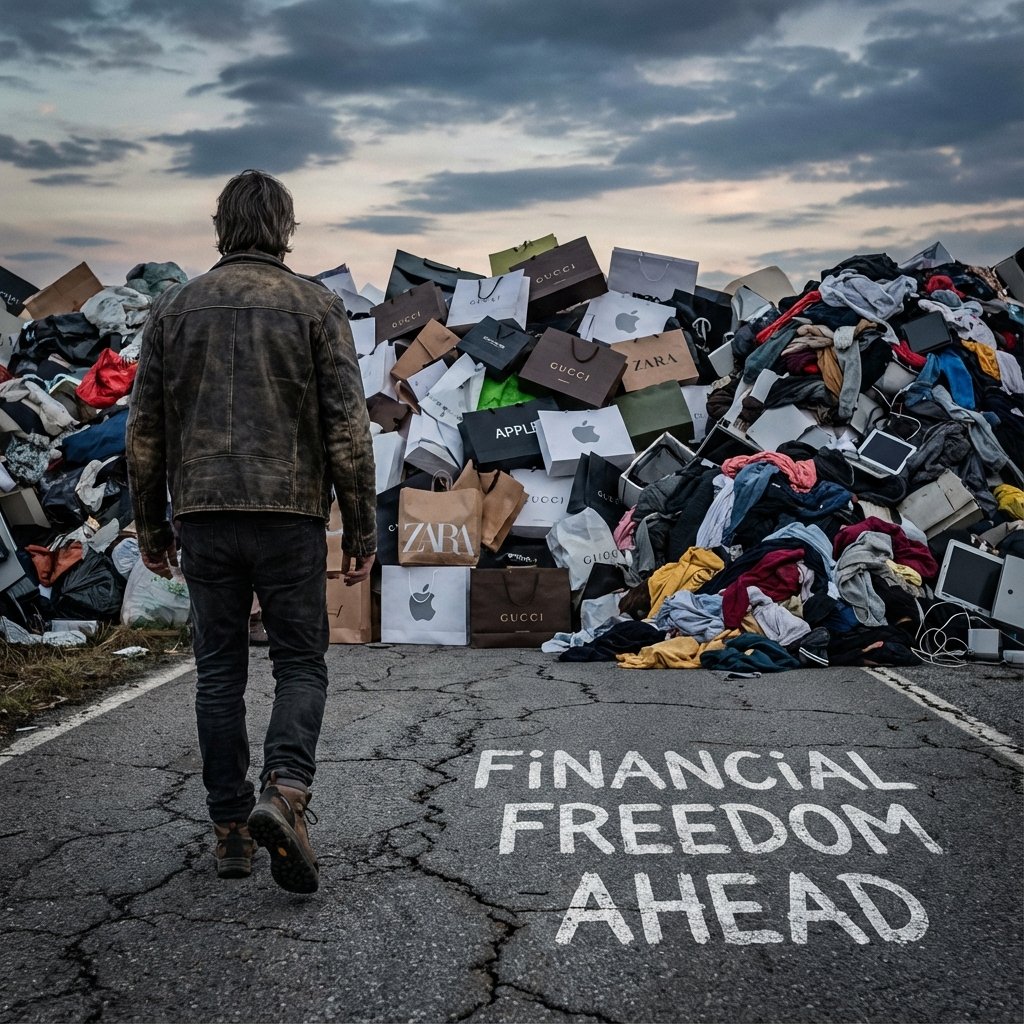

Let’s get real. You work hard. You hustle. But at the end of the month, you look at your bank account and wonder where all the money went. It feels like you’re running on a hamster wheel, chasing a lifestyle that ads and influencers tell you to want. You’re surrounded by stuff, but you’re not any richer or happier. You’re just… stuck.
What if I told you there’s a way off that wheel? It’s not another complicated budget app or a side hustle that drains your soul. It’s a power move. It’s a core trend the financially savvy are using to get ahead, and it’s called underconsumption. Forget what you think you know. This isn’t about living in a bare room and eating ramen for the rest of your life. It’s the exact opposite. It’s about consciously rejecting the garbage culture of mindless buying so you can afford what truly matters. It’s about trading cheap, temporary thrills for long-term financial power and freedom. This guide is your playbook to stop letting corporations dictate your spending and start building a life on your own terms. Prepare to take back control and watch your savings account explode.
The Mindset Flip: Why Your Brain Is Hardwired to Buy Crap
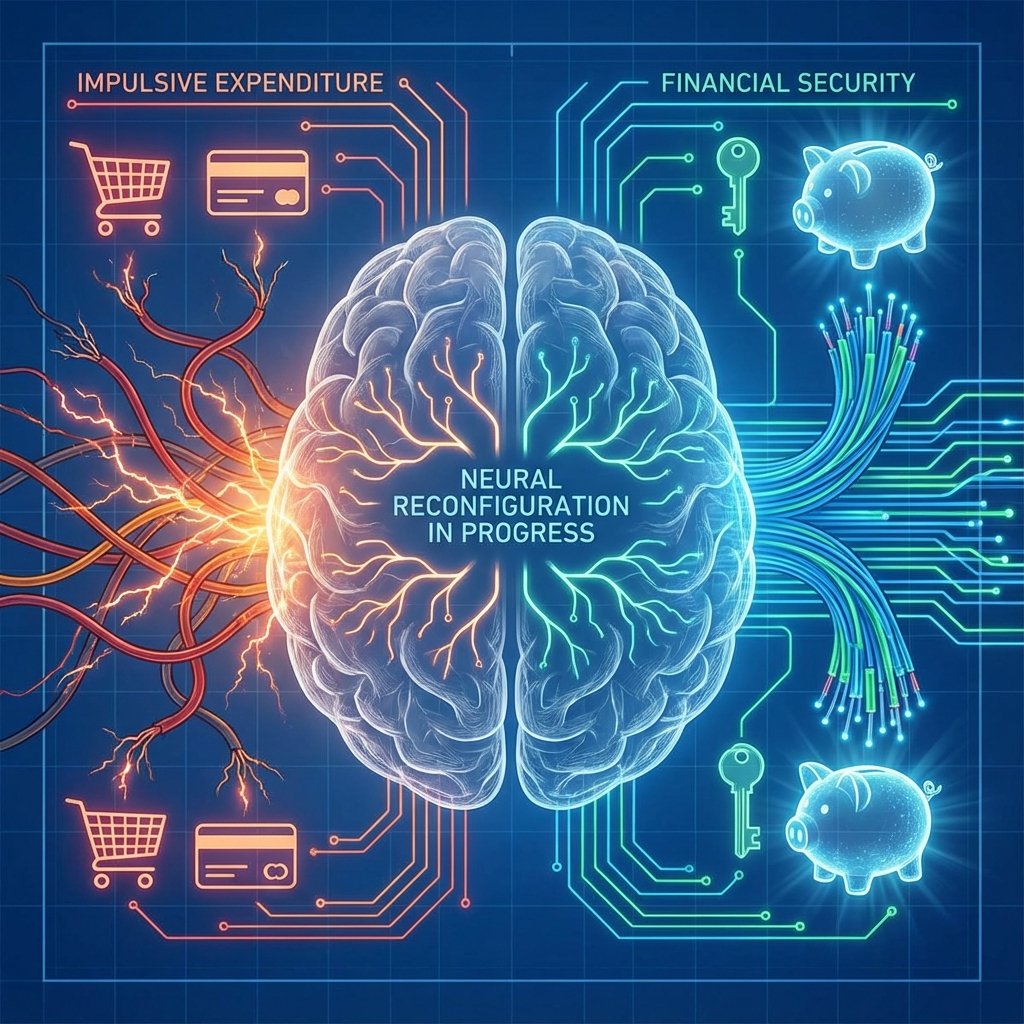
First things first: your impulse to buy isn’t a character flaw. It’s a feature that billion-dollar marketing departments have been exploiting for decades. They’ve spent fortunes studying your brain to create a constant itch—a feeling of ‘not enough’—that can only be scratched by buying their product. FOMO (Fear Of Missing Out), limited-time offers, influencer ‘must-haves,’ and perfectly targeted ads are all designed to bypass your rational brain and hit you right in the emotions.
The first step to breaking free is recognizing the game. You’re not just buying a product; you’re buying a feeling they’ve manufactured for you. The ‘high’ from a new purchase is real, but it’s fleeting. That’s how they keep you coming back. The true power move is to shift your identity from a consumer to an owner. A consumer is passive; things happen to them. An owner is in control; they make deliberate choices. You own your time, you own your energy, and you damn well own your money. Every dollar you don’t spend on junk is a dollar you invest in your own freedom.
Actionable Steps to Reclaim Your Brain:
- The 72-Hour Rule: See something you want that isn’t an absolute necessity (like groceries or medicine)? Don’t buy it. Wait a full 72 hours. Add it to a list, walk away. 9 times out of 10, the intense ‘need’ will vanish. You’ll realize it was just an impulse, not a genuine requirement.
- The ‘One In, One Out’ Mandate: Want to buy a new pair of jeans? Fine, but you have to get rid of an old pair first. This simple rule forces you to confront the sheer volume of stuff you already own. It makes you ask, ‘Is this new item really better than what I already have?’ It slows down the accumulation of clutter and cash drain.
- Question the ‘Upgrade’: Your phone works perfectly fine, but the new model just came out. Your TV is great, but the new one is an inch bigger. Marketers have perfected the ‘upgrade cycle’ to make you feel like your perfectly good possessions are obsolete. Call BS on it. If it ain’t broke, you don’t need to spend hundreds or thousands to ‘fix’ it.
The Frugal Hacker’s Core Rule: Never make a significant purchasing decision when you are hungry, angry, lonely, or tired (HALT). Your emotions are a marketer’s playground. Decisions about your money should be made with a clear head.
Your Personal Hit List: Auditing Where Your Cash Really Goes

You can’t plug a leak if you don’t know where the hole is. Saying ‘I need to spend less’ is useless without knowing where you’re overspending. It’s time to play detective with your own finances and create a hit list of budget-killing habits. This isn’t about shaming yourself; it’s about gathering intel. This is the most empowering step you can take because knowledge is power.
For the next 30 days, track every single penny. Yes, every one. That $2 soda, that $5 coffee, that $12 subscription you forgot about. Use a simple notebook, a spreadsheet, or a no-frills app. At the end of the 30 days, print out your bank and credit card statements and get out a highlighter. You’re looking for patterns, for the silent killers of your wealth.
The Most Common Culprits:
- Subscription Creep: Streaming services, monthly boxes, software trials that turned into recurring charges. These are designed to be forgotten.
- The Convenience Tax: Food delivery, pre-cut vegetables, ride-sharing for short distances. You’re paying a massive premium to save a few minutes.
- The Daily Drip: That ‘small’ daily coffee, lunch out, or afternoon snack. It feels insignificant, but it bleeds you dry over time. Just a $5 daily work lunch costs you over $1,200 a year.
- Impulse Clicks: The ‘deals’ that pop up in your social media feed or the ‘recommended for you’ section on Amazon. These are algorithm-driven traps.
Let’s put some numbers on this. Here’s what a typical audit might uncover for someone making a decent salary but feeling broke:
| Expense Category | Monthly Cost | Annual Cost | The ‘Is It Worth It?’ Question |
|---|---|---|---|
| Morning Coffee & Pastry | $150 | $1,800 | Is this coffee worth a round-trip flight? |
| Lunch Delivery (3x/week) | $240 | $2,880 | Is this soggy sandwich worth a high-end laptop? |
| Unused Subscriptions | $45 | $540 | Are you paying for 3 streaming services you never watch? |
| Impulse Amazon Buys | $100 | $1,200 | Do you even remember what you bought 3 months ago? |
| Total Leaks | $535 | $6,420 | Is this stuff worth over $6K of your freedom? |
Seeing it in black and white changes everything. That $6,420 isn’t just a number. It’s a paid-off credit card. It’s a fully-funded emergency fund. It’s the seed money for your side hustle. This is your hit list. Now, you can start taking them out, one by one.
The BIFL Playbook: Trading Cheap Thrills for Long-Term Wins

The culture of ‘fast everything’—fast fashion, fast furniture, fast electronics—has sold us a lie. The lie is that cheaper is better. The reality is that cheap is expensive. It’s a cycle of buying, breaking, and rebuying that benefits the manufacturer, not you. The ultimate underconsumption hack is to adopt the ‘Buy It For Life’ (BIFL) philosophy. This isn’t about deprivation or spending a fortune. It’s about making one smart, quality purchase that saves you from making ten dumb, cheap ones down the road.
Think about it. You buy a $30 pair of non-stick pans. A year later, they’re scratched and useless, so you buy another pair. Over ten years, you’ve spent $300 on junk. Or, you could buy one high-quality cast iron or stainless steel pan for $100 that will literally outlive you. You’ve saved $200 and a pile of landfill space. That’s the BIFL mindset.
How to Spot a BIFL Product:
- Materials Matter: Look for full-grain leather, solid wood, stainless steel, cast iron, and dense wool. Avoid particleboard, bonded leather, and flimsy plastic.
- Simplicity is Key: The more complex a product is, the more things can break. A simple, well-made mechanical tool will often outlast a complex electronic one.
- Repairability: Can it be fixed? Companies that make BIFL products often sell replacement parts. Disposable products are glued together and designed to be thrown away.
- The Brand’s Reputation: Look for companies with legendary warranties and decades-long track records. Check out communities like the r/BuyItForLife subreddit for real-world reviews.
Let’s break down the true cost of cheap vs. quality with a common example: winter boots.
| Metric | Cheap ‘Fast Fashion’ Boots | Quality BIFL Boots |
|---|---|---|
| Upfront Cost | $50 | $250 |
| Lifespan | 1-2 seasons, max | 10+ years (with resoling) |
| Cost Per Year (Over 10 Yrs) | $25 – $50 (assuming you replace them every 1-2 years) | $25 (initial cost) + approx. $10/year for maintenance (e.g., one resole at $100) = $35 |
| Total 10-Year Cost | $250 – $500 | $350 (initial cost + one resole) |
| The Real Deal | Looks good for a month, then leaks and falls apart. Ends up in a landfill. | Breaks in beautifully, can be repaired, keeps your feet dry, holds value better. |
As you can see, the ‘expensive’ boots are actually cheaper over the long run. You’re not just buying an item; you’re buying years of not having to think about, shop for, or spend money on that item again. That mental energy and time saved is a massive bonus.
Hacking Your Habits: Making It Hard to Spend and Easy to Save
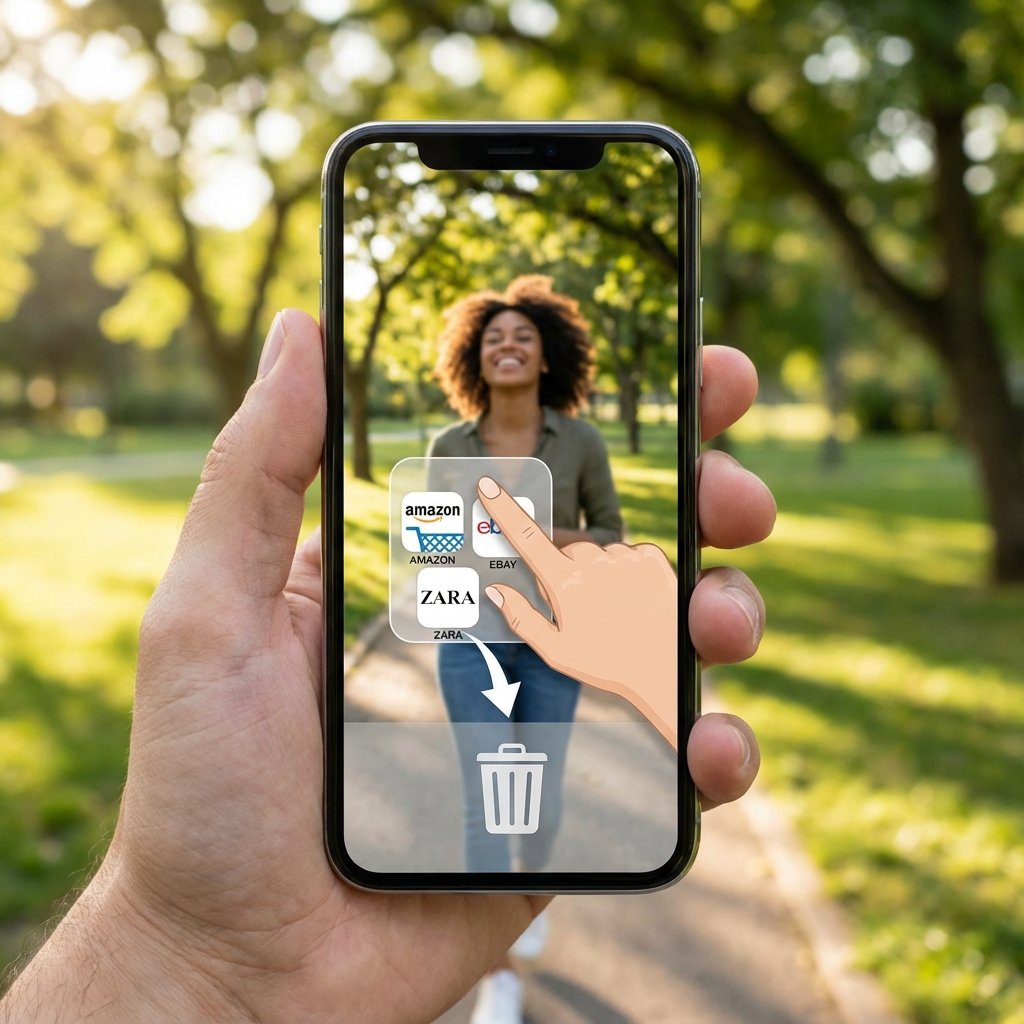
Your environment and your habits have a huge impact on your spending. Willpower is a finite resource. Instead of relying on it, redesign your world to make saving the default, easy option and spending the difficult one. You need to build a fortress against mindless consumption, both online and in the real world.
Phase 1: The Digital Detox
Your phone and computer are the primary gateways for impulse spending. It’s time to lock them down.
- Purge Your Inbox: Go on an unsubscribing rampage. Every marketing email is a temptation. Use a free service like Unroll.Me to see all your subscriptions in one list and unsubscribe from them in bulk. Be ruthless.
- Delete Shopping Apps: Remove Amazon, Target, Shein, Temu, and any other retail apps from your phone. If you need to buy something, force yourself to use a web browser. That extra friction is often enough to stop an impulse buy.
- Curate Your Feed: Unfollow influencers who primarily do ‘hauls’ or push product links. Follow accounts about hobbies, skills, or financial literacy instead. Change your input to change your output.
- Use Technology Against Itself: Install a browser extension like BlockSite to block your problem shopping websites during certain hours (like your 9-5 workday when you’re bored and most likely to browse).
Phase 2: The Physical Fixes
Your real-world surroundings can also trigger spending. Time to create some new rules of engagement.
- Ditch Recreational Shopping: Stop thinking of ‘going to Target’ or ‘wandering the mall’ as a hobby. It’s a manufactured experience designed to make you spend. Find new, free ways to spend your downtime: explore a local park, hit the library, start a bodyweight fitness routine at home, or learn a skill on YouTube.
- The 24-Hour Quarantine: If you do order something online, create a rule. When the package arrives, put it in a designated spot—a ‘quarantine zone’—and don’t open it for at least 24 hours. This detaches the instant gratification of opening the box from the act of purchasing, giving you a moment to reflect: ‘Do I really even need this?’ You’d be surprised how often the answer is no, making it an easy return.
- Shop with a List and Blinders: Never go into a store without a specific, written list. Stick to it religiously. Put on headphones and listen to a podcast or music. This helps you tune out the store’s carefully crafted atmosphere and in-store marketing, allowing you to get in, get what you need, and get out without extra items sneaking into your cart.
The Payoff: Putting Your Saved Thousands to Work
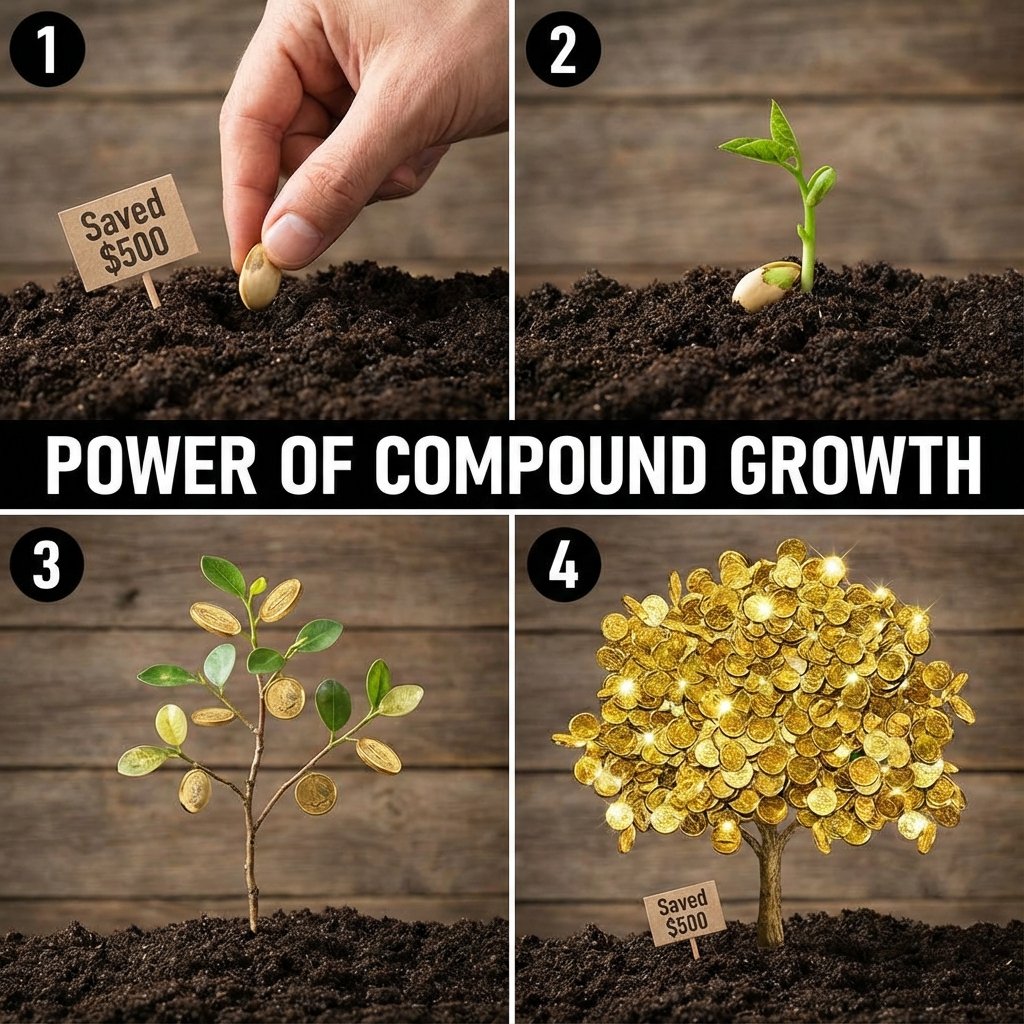
So, you’ve audited your spending, cut the crap, and started saving an extra $300, $500, or even $1,000 a month. Now what? This is the best part. This isn’t just money you’ve ‘saved’; it’s capital you’ve liberated. It’s your army, and you need to give it marching orders. Leaving it to rot in a 0.01% interest savings account is a rookie move. This money is your ticket to real financial power.
Your New Money’s Mission, in Order of Attack:
- Mission 1: Destroy High-Interest Debt. If you have credit card debt with a 20%+ APR, every dollar you saved has an immediate, guaranteed 20%+ return when you use it to pay down that balance. Nothing else comes close. This is your number one priority. Wiping out a $5,000 credit card balance saves you over $1,000 a year in interest alone.
- Mission 2: Build a ‘Freedom Fund’. Forget calling it an ’emergency fund.’ That’s boring. This is your ‘I can walk away from a job I hate’ fund. It’s your ‘I can handle a surprise $2,000 car repair without breaking a sweat’ fund. Aim for 3-6 months of essential living expenses in a high-yield savings account. This fund buys you peace of mind, which is priceless.
- Mission 3: Invest for Your Future Self. Once your high-interest debt is gone and your Freedom Fund is solid, it’s time to build long-term wealth. You don’t need to be a stock market genius. Open a Roth IRA or a brokerage account and start consistently investing in low-cost, broad-market index funds (like those that track the S&P 500). Let compound interest do the heavy lifting.
Don’t underestimate the power of these small, consistent actions. It’s not about getting rich overnight; it’s about getting rich for sure. Let’s look at what that ‘leaked’ money from our audit could do if it were invested instead.
| Timeframe | Total Contribution (at $535/month) | Potential Value (with 7% avg. annual return) | What This Represents |
|---|---|---|---|
| 5 Years | $32,100 | ~$38,800 | A serious down payment on a house. |
| 10 Years | $64,200 | ~$92,000 | Paying for a child’s college education. |
| 20 Years | $128,400 | ~$278,000 | A giant leap towards early retirement. |
| 30 Years | $192,600 | ~$650,000 | Financial independence. Period. |
This is the real prize. Every cheap coffee you skip, every impulse buy you reject, isn’t a sacrifice. It’s a down payment on your future. It’s a vote for a life of freedom and options over a life of clutter and debt.
Conclusion
Let’s bring it all home. Underconsumption isn’t a trend about minimalism for aesthetics; it’s a street-smart strategy for financial warfare. It’s about recognizing that you’ve been played by a system that profits from your dissatisfaction. Every ad, every sale, every influencer haul is designed to keep you on the hamster wheel, spending the money you earn from the job you need to pay for the stuff you’re told to want.
Breaking free is the ultimate power move. It starts with the mindset flip from passive consumer to active owner of your life. It gains momentum when you audit your finances and see with cold, hard clarity where your money is bleeding out. It becomes sustainable when you choose long-term quality over cheap, disposable thrills. And it becomes life-changing when you take the thousands of dollars you’ve reclaimed and put that money to work building a future you actually control.
This isn’t an overnight fix. You’ll slip up. But every conscious decision to not buy, to repair instead of replace, to invest instead of spend, is a win. You’re not depriving yourself; you’re choosing a bigger prize. You’re choosing freedom over clutter, security over stress, and a life of your own design over one that’s been sold to you. Now go get what’s yours.


Makenzie is the founder and lead writer at MoneyHackTips.com — a personal finance blog dedicated to delivering street-smart financial wisdom for real people on real budgets. With 300+ published articles covering everything from debt management to investing fundamentals, Makenzie’s mission is to make every dollar work harder. When not writing about money hacks, Makenzie is testing frugal living strategies, optimizing side hustles, and helping readers build financial freedom from scratch.