Addicted To Shopping? 10 Dopamine-Boosting Alternatives To Spending
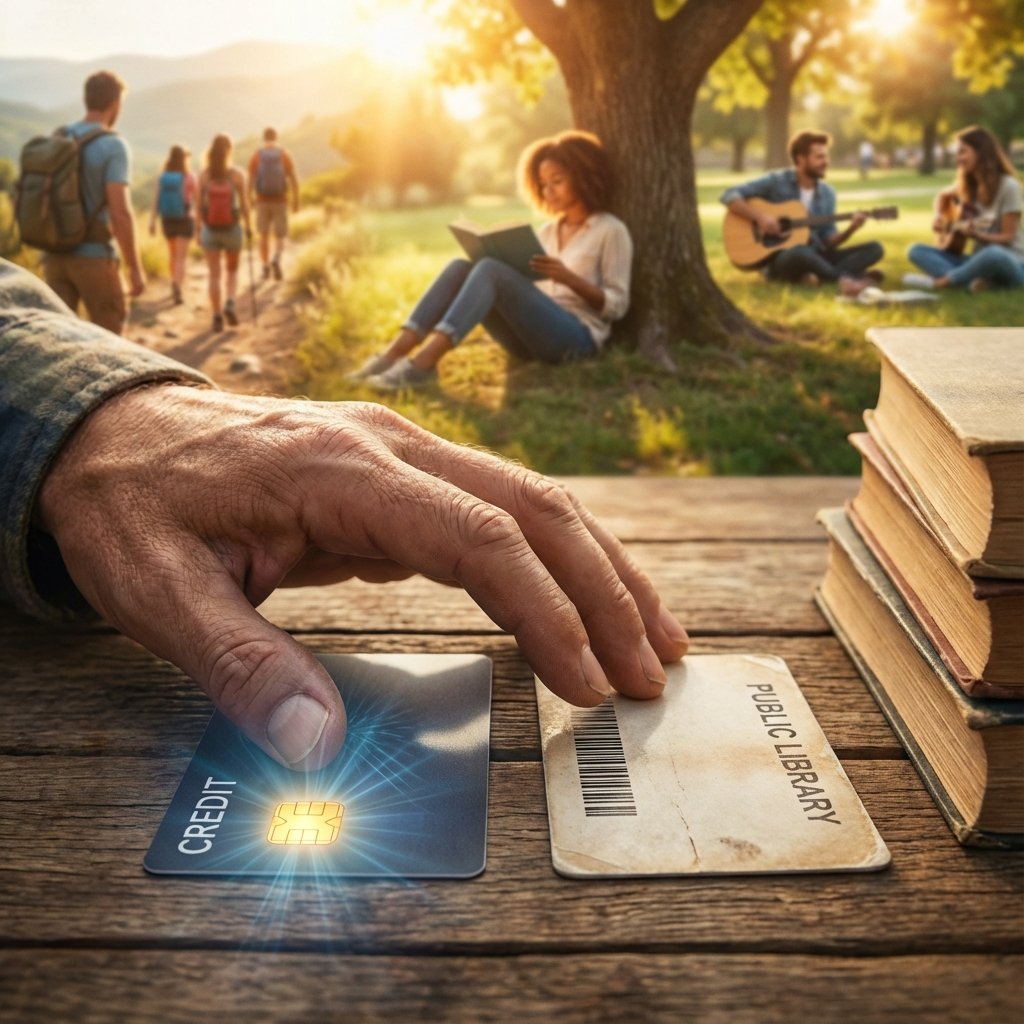
Let’s get real: that little thrill you get when you find the perfect item online or swipe your card at the register? That’s a dopamine hit, a reward signal in your brain that says, ‘Heck yeah, that felt good.’ Marketers know this. They design entire shopping experiences, from the limited-time offers to the satisfying ‘cha-ching’ sound of a purchase, to hijack this natural brain chemistry. The problem is, that high is temporary, but the credit card bill is very, very real. It’s a cycle of temporary pleasure followed by long-term financial stress.
But what if you could hack your own brain? What if you could get that same satisfying rush of accomplishment, novelty, and reward without spending a dime? This isn’t about deprivation or living a boring life. It’s about upgrading your strategy. It’s about finding smarter, more sustainable ways to get that feel-good buzz. We’ve laid out 10 powerful alternatives to spending that will boost your dopamine, build your skills, and fatten your wallet. It’s time to trade the buyer’s remorse for genuine rewards.
Hack #1: Master a Skill on YouTube University
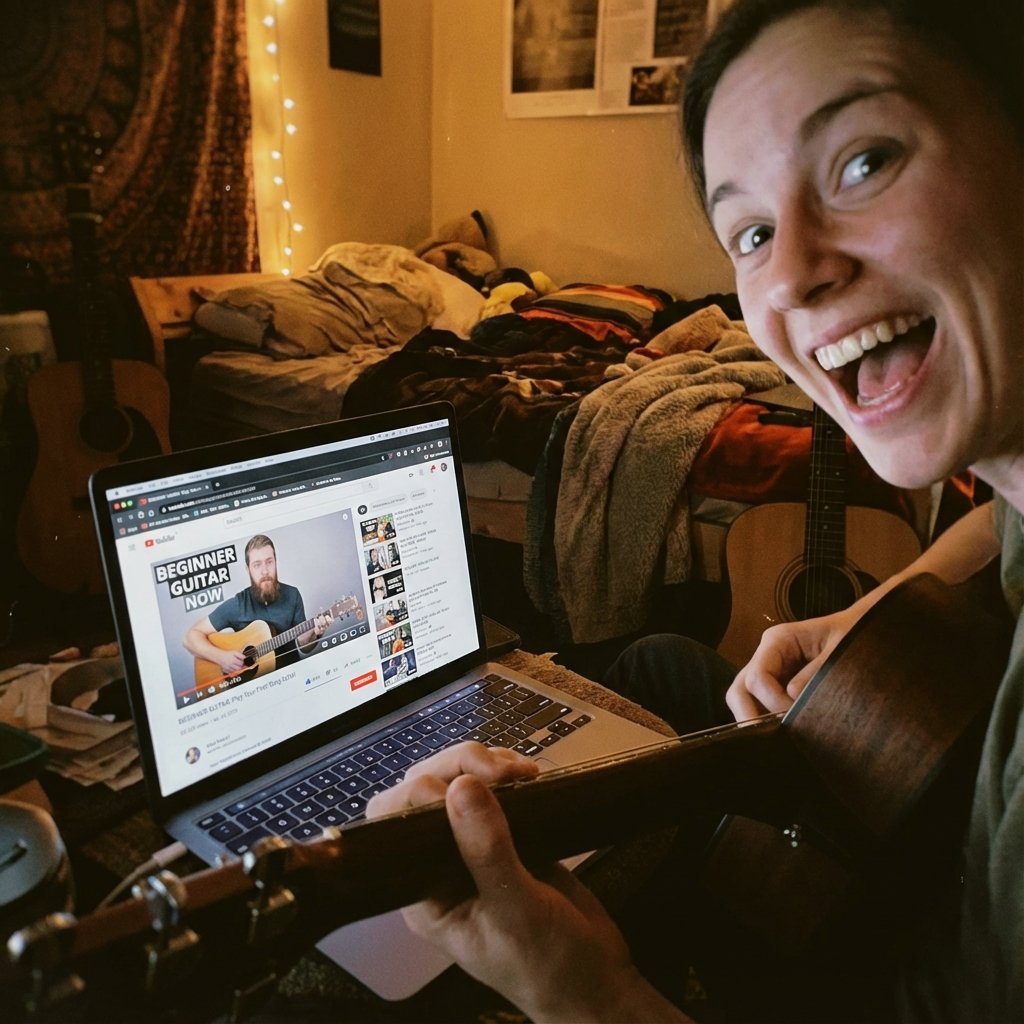
The thrill of shopping often comes from the hunt and the acquisition of something new. But acquiring a new skill provides a much deeper, longer-lasting satisfaction. Think about the last time you truly mastered something. That feeling of ‘I did that!’ is a massive dopamine rush. And the best campus on the planet is free: YouTube.
Instead of scrolling through ASOS, scroll through tutorials. Want to learn how to change your own oil? There’s a video for that. Want to finally learn that guitar riff you love? Thousands of teachers are waiting. Want to code a simple app? You can start right now. The dopamine doesn’t just come from the final product; it comes from every small step of progress along the way. Each chord you learn, each line of code that works, each successful step in a recipe—it’s a mini-reward that keeps you engaged and feeling accomplished.
How to Start:
- Identify a ‘Want’: What’s something you’ve always said you wanted to learn? Be specific. Not ‘learn to cook,’ but ‘learn to make amazing sourdough bread.’
- Create a ‘Course’: Make a YouTube playlist of beginner videos on your chosen topic. This acts as your curriculum. The act of curating this list itself can satisfy the ‘browsing’ urge.
- Track Your Progress: Take a picture of your first ugly loaf of bread or record your first clumsy attempt at a song. Seeing the improvement over a week or a month is tangible proof of your success, and that’s a high no shopping spree can match. The money you save on a $150 online course is just the bonus.
Hack #2: Gamify Your Fitness (for Free)
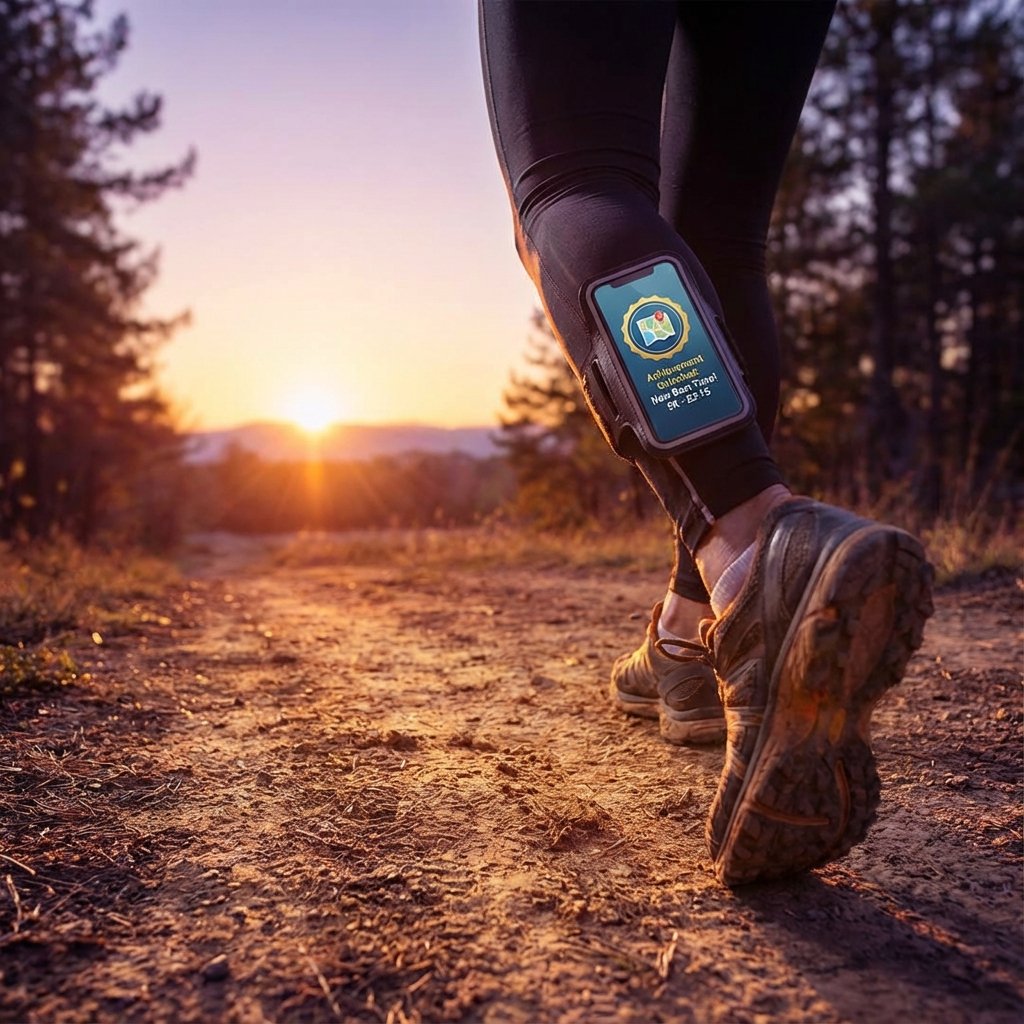
Your body has its own built-in reward system, and exercise is the cheat code. When you work out, your brain releases endorphins, which are natural mood elevators. But we can take it a step further by gamifying the experience to get those sweet, sweet dopamine hits of achievement.
Think about the structure of a video game: you complete levels, earn badges, and beat your high score. You can apply that exact same framework to your fitness. The buzz you get from hitting a new personal record or closing all your activity rings is the same one you get from snagging an item on sale. It’s a clear, measurable win. Free apps like the Nike Training Club, Strava, or even the basic health app on your phone are designed for this. They provide the structure, the tracking, and the virtual high-fives that make progress addictive in the best way.
How to Start:
- Choose Your Game: Are you a runner? Use Strava to compete against your own previous times on local routes. More into home workouts? Nike Training Club has programs that unlock new workouts as you go.
- Set Micro-Goals: Don’t just say ‘I’m going to work out.’ Set a specific, achievable goal: ‘I will run one mile without stopping,’ or ‘I will complete three 20-minute workouts this week.’
- Celebrate the ‘Dings’: Pay attention to the notifications. That ‘Achievement Unlocked’ or ‘New Personal Record’ badge is your brain’s reward. Acknowledge it. You earned it. This replaces the ‘Order Confirmed’ email with something that actually improves your health.
Hack #3: The Library Heist: Your Free ‘New Thing’ Fix

A huge part of the shopping addiction is the love of novelty. The crisp pages of a new book, the shrink-wrap on a new video game, the promise of a new story. You can get all of this, for free, at your local library. Seriously. Libraries are one of the greatest frugal hacks hiding in plain sight.
Think of it as a guilt-free shopping spree. You can walk in with an empty tote bag and walk out with a mountain of new entertainment. Books, audiobooks, movies, graphic novels, magazines, and even video games. Many libraries now offer a ‘Library of Things’ where you can borrow anything from a power drill to a telescope. The feeling of ‘acquiring’ all this new stuff without your wallet taking a hit is a massive win. You satisfy the desire for novelty and discovery without the financial consequence. The only deadline is your due date.
How to Start:
- Get a Library Card: This is your all-access pass. It’s free and takes five minutes.
- Download the Apps: Get Libby or Hoopla on your phone. These apps connect to your library card and give you instant access to thousands of free ebooks, audiobooks, and movies. You can ‘shop’ for your next read from your couch.
- Browse the Stacks: Make a weekly or bi-weekly trip to the physical library. Don’t go with a plan. Just wander the aisles and see what catches your eye. This mimics the ‘treasure hunt’ aspect of shopping and you’re guaranteed to find something interesting.
Hack #4: The ‘Sell, Don’t Dwell’ Flip
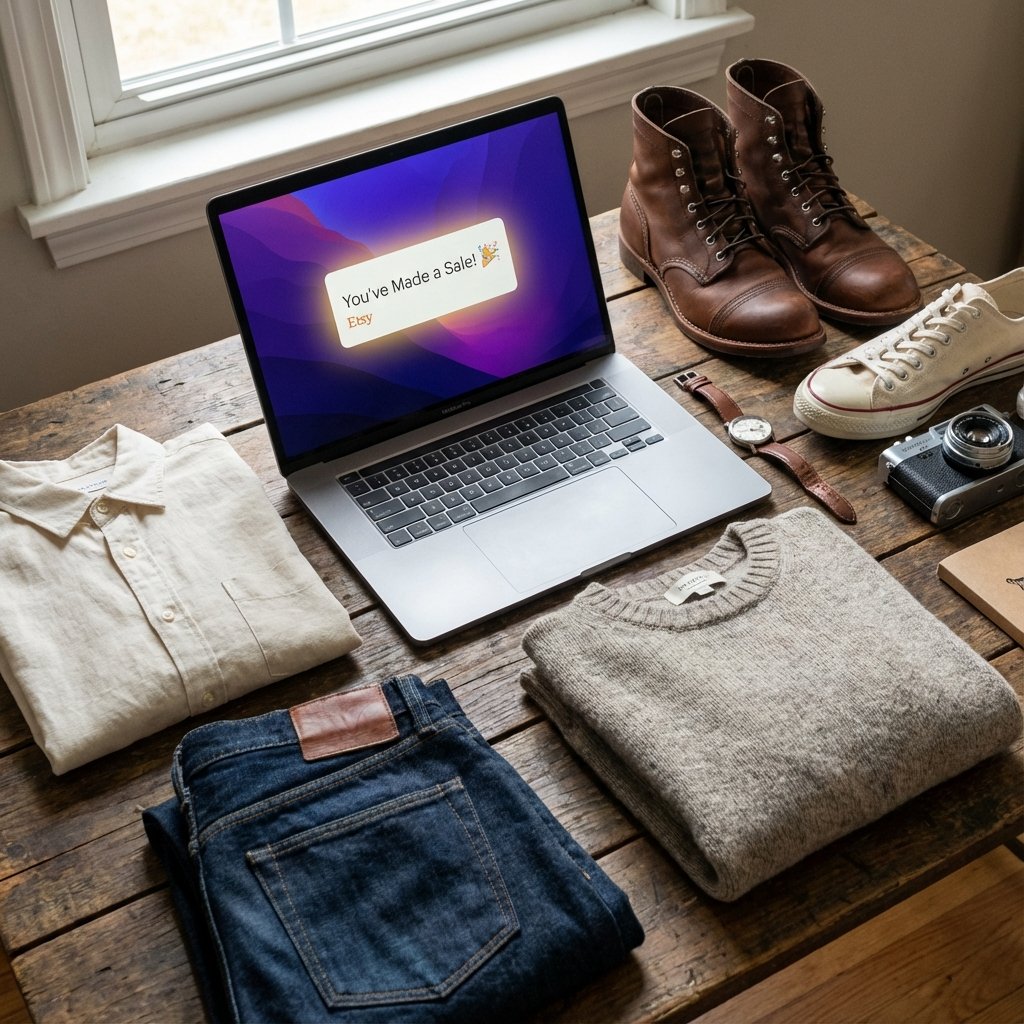
This hack flips the script entirely. When you feel the impulse to buy, channel that energy into selling. The process of listing an item—taking good photos, writing a compelling description, setting a price—activates the same ‘hunter’ part of your brain as shopping. But the reward is so much sweeter.
Instead of watching your bank balance go down, you get the dopamine rush of watching it go up. That notification from Facebook Marketplace, Poshmark, or eBay that says ‘You’ve Made a Sale!’ is arguably more powerful than an ‘Order Shipped’ email. You’re not just avoiding spending; you’re actively earning money. You’re decluttering your space, turning past purchases into present profit, and reinforcing a producer mindset over a consumer one. It’s a total power move.
How to Start:
- Start Small: Pick one area—your closet, your bookshelf, your kitchen cabinets. Find five items you haven’t used in the last year.
- Be a Good Marketer: Clean the items. Take clear, well-lit photos against a neutral background. Write an honest but appealing description. Price it competitively by looking at what similar items have sold for.
- Chase the High: Once you make that first sale and have cash in hand (or in your PayPal), you’ll want to do it again. Use that momentum. Turn your shopping addiction into a profitable side hustle.
Hack #5: Curate Your Life, Not Your Cart
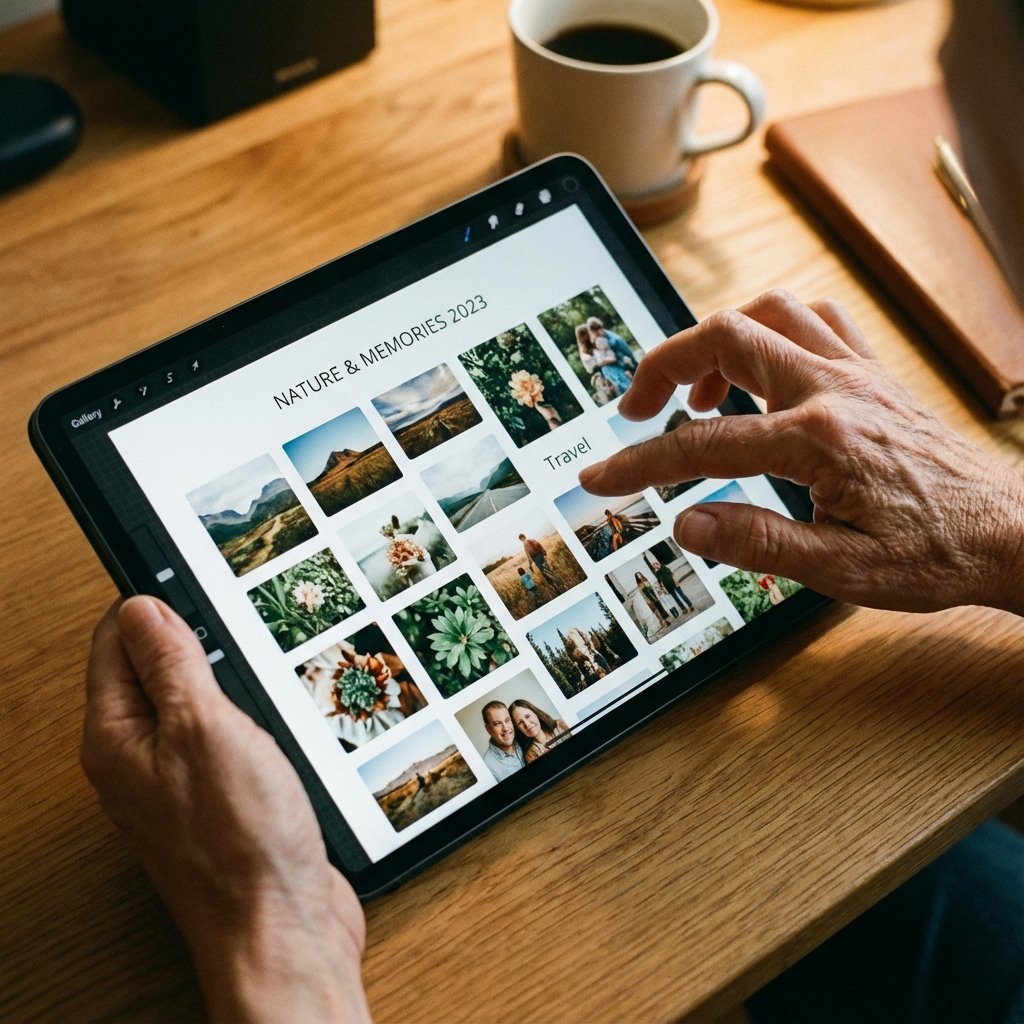
A lot of shopping is about aspiration. We buy things to create a certain aesthetic or project a specific image. It’s about curation. But you can get that same feeling of control and creativity by curating your digital life, which costs nothing but time.
The act of organizing, arranging, and perfecting something provides a huge sense of accomplishment. Instead of building the perfect online shopping cart, build the perfect Spotify playlist for a specific mood. Instead of browsing for home decor, create a detailed Pinterest board for your dream room, finding and saving the perfect images. You can even apply this to your own life: organize your digital photos into albums, declutter your computer’s desktop, or build a personal ‘dashboard’ in a tool like Notion to organize your goals. This taps into the same organizational and aesthetic-driven desires as shopping, but the end result is a more organized and intentional life, not a more cluttered home.
How to Start:
- Pick Your Platform: Are you a music person (Spotify)? A visual person (Pinterest)? A life-organization person (Notion, Trello)?
- Set a ‘Curation’ Project: Don’t just browse randomly. Give yourself a mission. ‘Create the ultimate 90s hip-hop playlist.’ ‘Design a vision board for a trip to Italy.’ ‘Organize all my 2023 photos into event-based folders.’
- Admire Your Work: When you’re done, take a moment to appreciate it. Listen to your playlist. Look at your beautiful vision board. Enjoy the peace of a clean desktop. You created order out of chaos, and that’s a powerful feeling.
Hack #6: The ‘Experience’ Stash

We often shop out of boredom. It’s an easy, accessible way to ‘do something.’ The antidote is to have a pre-planned stash of free, interesting experiences to draw from. This requires a small bit of research upfront, but it pays off massively when the urge to browse Amazon hits.
The goal is to replace the thrill of hunting for a deal with the thrill of hunting for an adventure. Most towns and cities have a wealth of free activities if you know where to look. Free museum days, community festivals, outdoor concerts, new hiking trails, public art walks, poetry slams. The dopamine comes from the discovery of the event and the anticipation of going. It shifts your focus from material possessions to creating memories, which studies show leads to greater long-term happiness anyway.
How to Start:
- Become a Local Expert: Spend 30 minutes one afternoon bookmarking key websites. Check your city’s official website, your local library’s event calendar, and search for ‘free events near me’ on sites like Eventbrite or Facebook Events.
- Build Your ‘Boredom List’: Create a note on your phone or a physical list on your fridge of at least 10 free things you could do at a moment’s notice. Examples: ‘Hike the north ridge trail,’ ‘Visit the modern art museum on Thursday (free admission night),’ ‘Walk through the historic downtown district.’
- Execute Immediately: The next time you’re bored and your thumb starts drifting toward a shopping app, pull up the list and just go. Don’t overthink it. The simple act of getting out of the house and doing something new will short-circuit the impulse to spend.
Hack #7: The Kitchen Laboratory
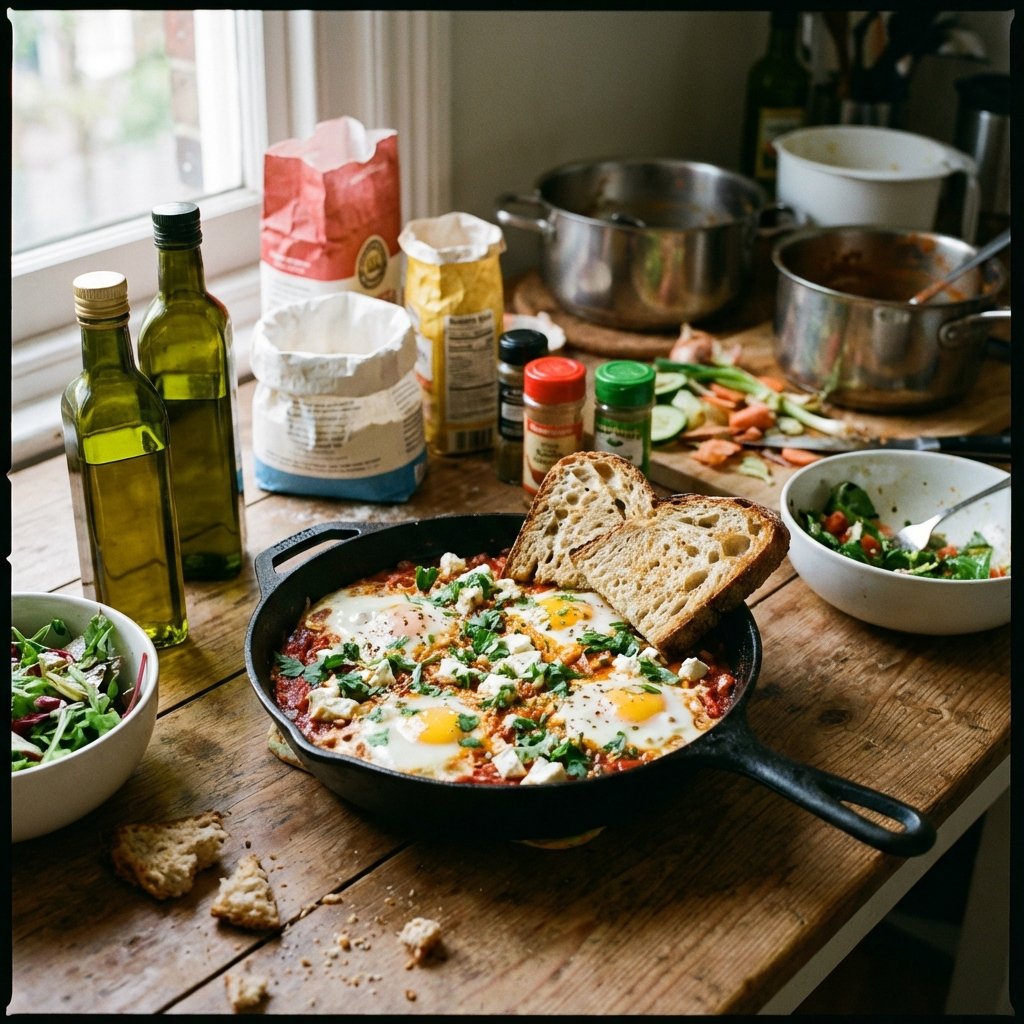
Ordering takeout or buying fancy, pre-made meals is a form of retail therapy. It’s a quick fix for hunger and a lack of inspiration. The alternative? Treat your kitchen like a laboratory and the ingredients you already have as your chemistry set. This isn’t about following a recipe; it’s about invention.
Challenge yourself to a ‘pantry raid’ or ‘fridge forage.’ The goal is to create a meal without going to the store. This forces creativity and problem-solving, both of which are highly rewarding for your brain. The process of figuring out that you can combine that leftover rice, that can of black beans, and that wilting cilantro into a delicious meal is a huge win. The dopamine hit comes not just from the tasty food you created, but from your own ingenuity and resourcefulness. You outsmarted the urge to spend and created value from nothing.
How to Start:
- Take Inventory: Before you even think about what to make, see what you have. Pull everything out of the pantry and fridge. Group like items together.
- Use a ‘Magic’ Ingredient Tool: Websites like Supercook or MyFridgeFood let you plug in the ingredients you have, and they spit out recipes you can make. It’s like a cheat code for creativity.
- Embrace the Challenge: Frame it as a game. ‘What can I make with only 5 ingredients?’ or ‘Can I make a dish that uses up this sad-looking zucchini?’ This makes it fun, not a chore. You’ll be amazed at the delicious (and free) meals you can invent.
Hack #8: The ‘Level Up’ Your Finances Game
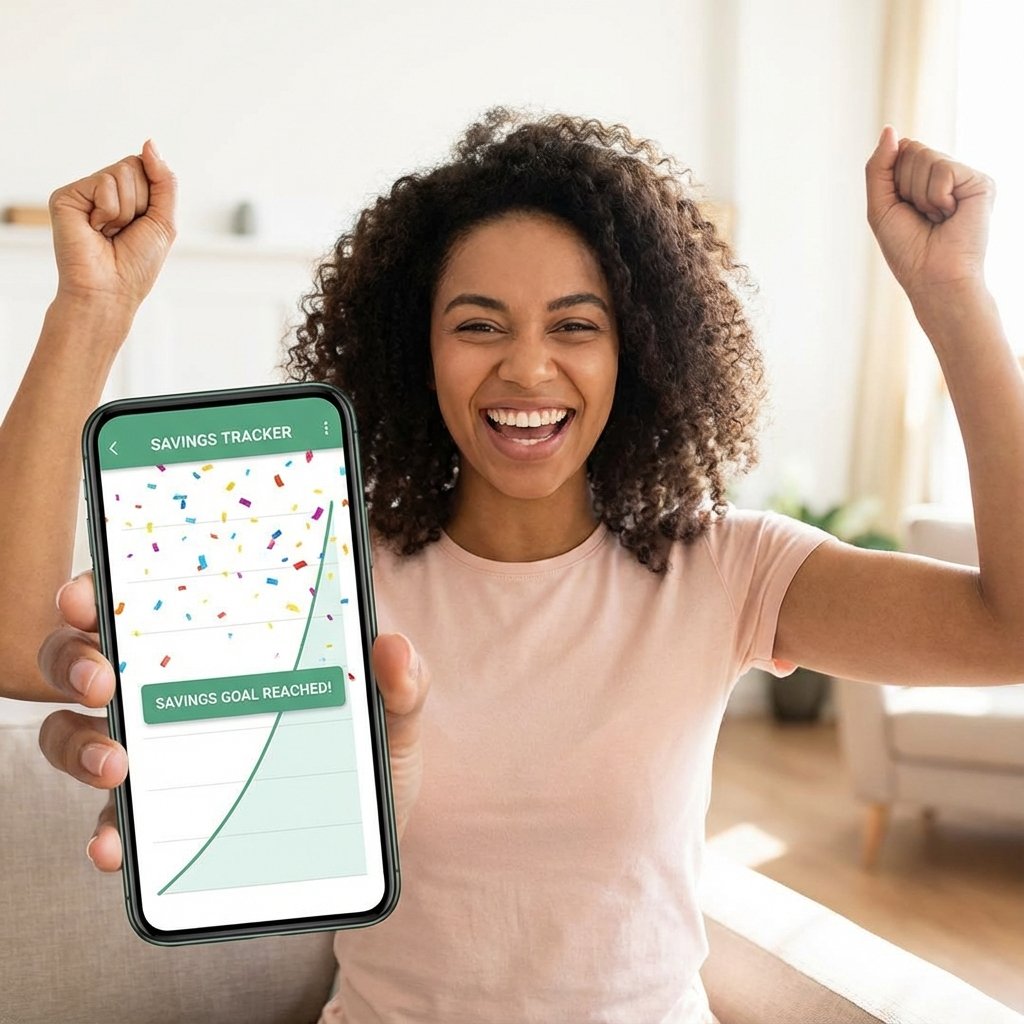
What if checking your bank account felt as good as unboxing a new gadget? It can, if you reframe it as a game where the goal is to get the highest score. Your net worth, your savings rate, your debt-free date—these are your stats. Every dollar you save, every debt payment you make, is you leveling up.
This hack directly replaces the shopping dopamine with financial dopamine. The thrill of finding a $50 dress on sale pales in comparison to the thrill of finding a $50 billing error and getting it refunded. Use a budgeting app like YNAB, Mint, or a simple spreadsheet. Set clear, visible goals. Watching your savings account graph tick upwards or your credit card debt graph go down provides a powerful visual reward. It’s a long-term game, and every smart decision is a point on the board.
The Math is a Motivator:
Let’s say you cancel a $15 streaming service you don’t watch, switch to a cheaper $20/month phone plan, and start making coffee at home instead of spending $5 a day. That’s $15 + $20 + ($5×30) = $185 a month. That’s $2,220 a year. That’s not just a number; that’s a major vacation, a paid-off credit card, or a huge boost to your emergency fund. Seeing that number makes skipping the daily latte feel like a strategic victory.
How to Start:
- Choose Your App: Download a budgeting app and connect your accounts. The setup process itself is revealing and can give you an initial jolt of motivation.
- Set a ‘Boss Level’ Goal: What’s the big thing you want to achieve? ‘Pay off my Visa card.’ ‘Save $1,000 for an emergency fund.’ Make it specific and give it a deadline.
- Create ‘Side Quests’: Break your big goal into smaller missions. ‘This week, I will not order any takeout.’ ‘This month, I will call my cable company and negotiate a lower bill.’ Each completed quest is a dopamine hit that gets you closer to the final boss.
Hack #9: Volunteer for the ‘Helper’s High’
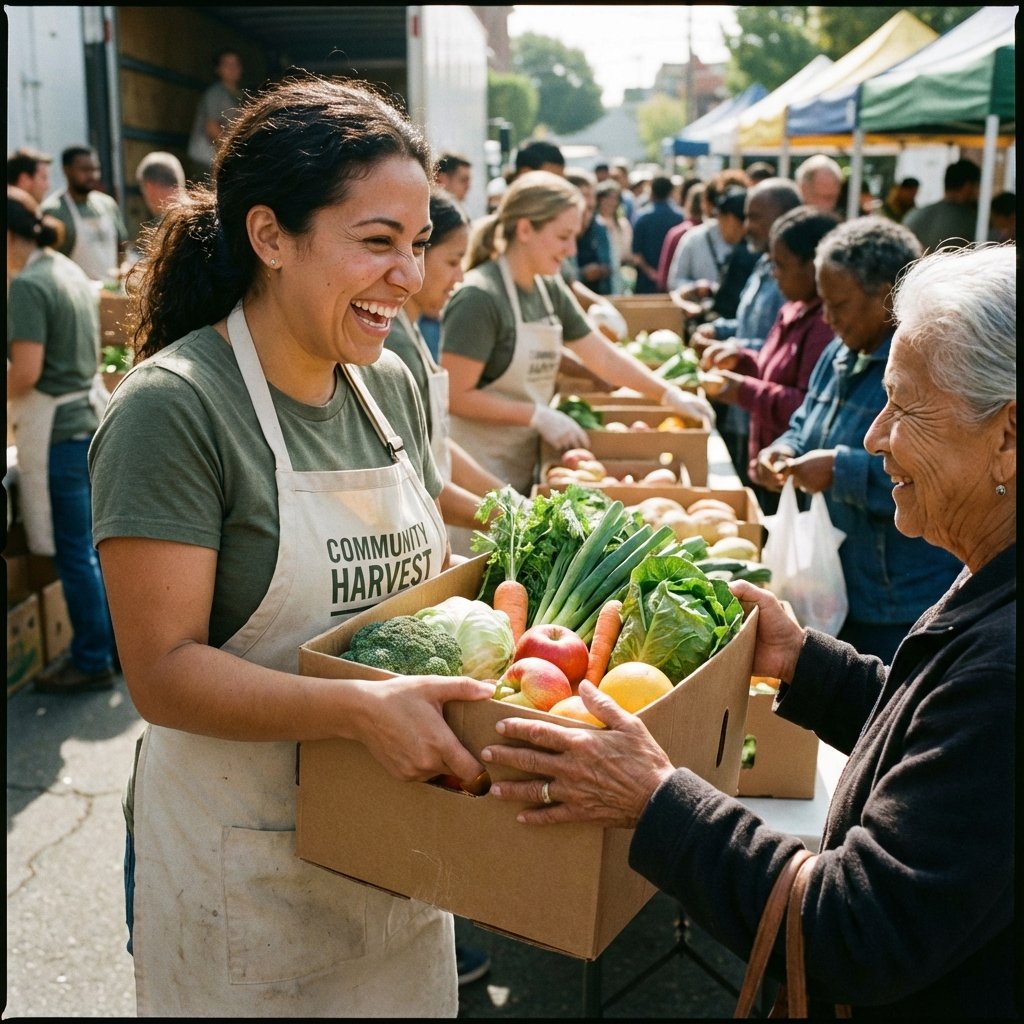
Sometimes we shop to fill a void—a feeling of loneliness, boredom, or lack of purpose. We’re looking for a connection, and buying something from a brand can feel like a substitute. But there’s a much more powerful and authentic way to get that feeling: helping others.
Scientists call it the ‘helper’s high.’ When you perform an act of altruism, your brain’s reward centers light up with dopamine, just like they do during other pleasurable activities. But this high is different. It’s connected to a sense of purpose, community, and gratitude. It’s a feeling of being part of something bigger than yourself. Whether it’s walking dogs at an animal shelter, serving meals at a soup kitchen, or cleaning up a local park, volunteering provides a deep sense of satisfaction that no material object can replicate. It costs nothing but your time and pays you back in ways you can’t measure.
How to Start:
- Align with Your Values: What do you care about? Animals? The environment? Helping kids learn to read? Find an organization that aligns with your passions. This will make the experience more meaningful.
- Use a Volunteer Hub: Websites like VolunteerMatch or Idealist are like search engines for volunteer opportunities. You can filter by your interests, location, and time commitment.
- Start with a One-Off: Feeling intimidated? Don’t commit to a weekly shift. Find a one-day event, like a park cleanup or a charity 5K. It’s a low-pressure way to see how it feels. The positive emotions you’ll experience will be all the motivation you need to go back.
Hack #10: The ‘Unsubscribe’ Purge
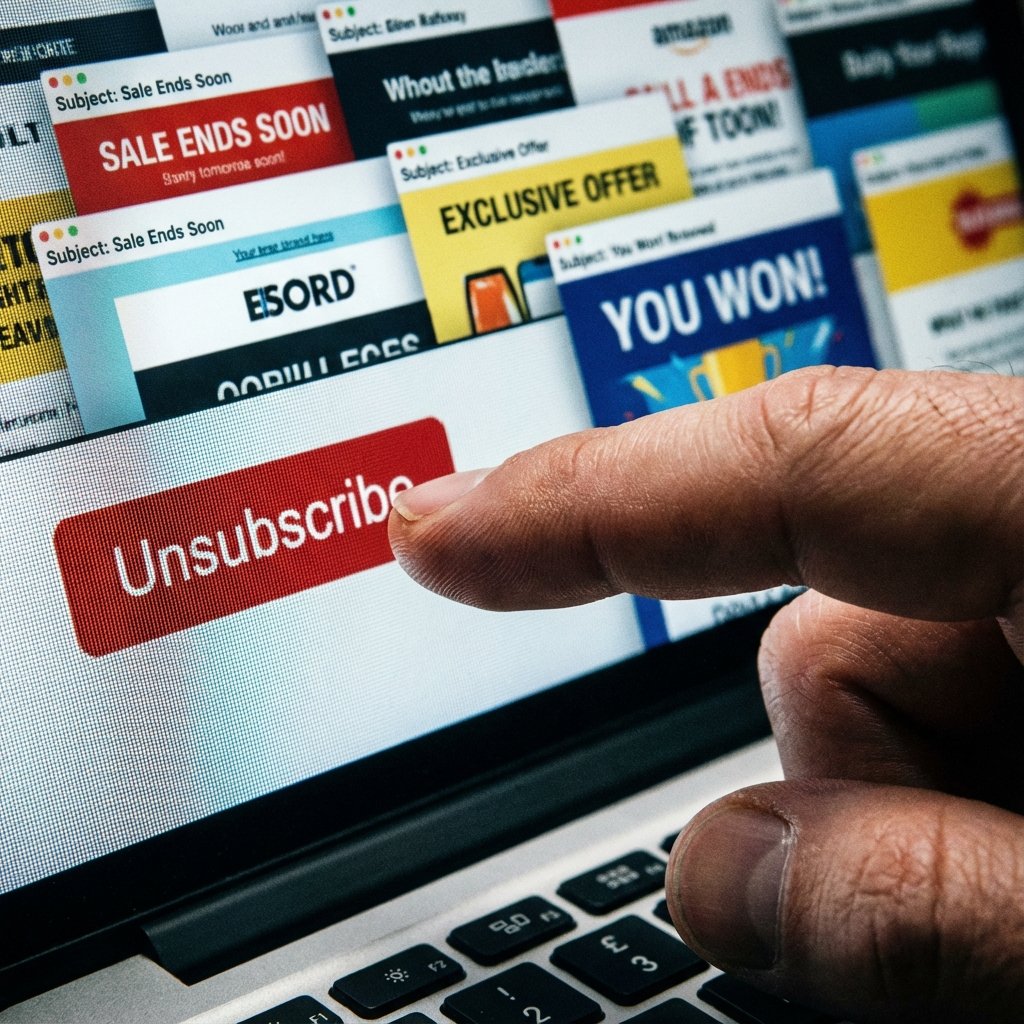
Your shopping addiction is being actively fueled every single day by an enemy in your pocket: your email inbox. Every flash sale notification, every ‘We Miss You!’ coupon, every ‘New Arrivals’ announcement is a carefully crafted trigger designed to make you spend. The most empowering, dopamine-boosting act of defiance is to shut it all down.
Go on an ‘unsubscribe’ rampage. This is not a passive activity; it’s an aggressive act of reclaiming your attention and your financial power. With every click of the ‘unsubscribe’ button, you are winning a small battle. It’s deeply satisfying. You are silencing the noise that creates artificial desire. It feels like decluttering your brain. The reward is twofold: the immediate satisfaction of taking control, and the long-term peace of an inbox that isn’t constantly tempting you to spend money you don’t have on things you don’t need.
How to Start:
- Set a Timer: Dedicate 15 minutes solely to this task. Open your inbox and search for words like ‘sale,’ ‘percent off,’ or ‘deal.’
- Be Ruthless: Open each email and scroll straight to the bottom. Click ‘Unsubscribe.’ Don’t hesitate. Don’t think, ‘But what if I miss a good sale?’ If you truly need something, you can seek it out later. This is about cutting off unsolicited temptation.
- Use a Tool (Optional): Services like Unroll.Me can scan your inbox and show you all your subscriptions in one list, allowing you to unsubscribe from them in bulk. This can accelerate the process and be incredibly satisfying.
Conclusion
Breaking up with a shopping habit isn’t about punishing yourself. It’s about realizing that the fleeting high of a purchase is a cheap imitation of true satisfaction. The real rewards in life—mastery, health, knowledge, connection, and financial control—are waiting for you, and they don’t come with an interest rate.
Each of these ten hacks is a tool to rewire your brain’s reward system. They prove that you can generate your own feelings of excitement, accomplishment, and happiness without reaching for your wallet. The next time you feel that familiar urge to browse or buy, pause. Pick one of these strategies and try it. You’re not just saving money in that moment; you’re building a more resilient, resourceful, and richer life. You’re taking back your power from the marketers and becoming the boss of your own dopamine. Now that’s a smart investment.