

Let’s be real. Take a look at your kid’s room. If it looks like a plastic unicorn threw up everywhere, you’re not alone. We’ve all been there: you drop cash on the latest must-have toy, and two days later, it’s collecting dust under the sofa while your kid is more interested in the cardboard box it came in. It’s a cycle of clutter, guilt, and a constantly draining bank account. You’re not just buying toys; you’re buying five minutes of peace that costs you space and sanity.
But what if I told you there’s a way to break the cycle? A system so simple and effective it feels like a cheat code for parenting. It’s called Toy Rotation, and it’s the ultimate hack for making old, forgotten toys feel brand new. This isn’t about being cheap or depriving your kids. It’s about being smarter. It’s about outplaying the consumer game, reclaiming your home, and teaching your kids the value of what they already have. Get ready to turn that toy graveyard into a treasure chest and put hundreds of dollars back where they belong: in your pocket.
The Problem: Why Your House is a Toy Graveyard & Your Wallet is Empty
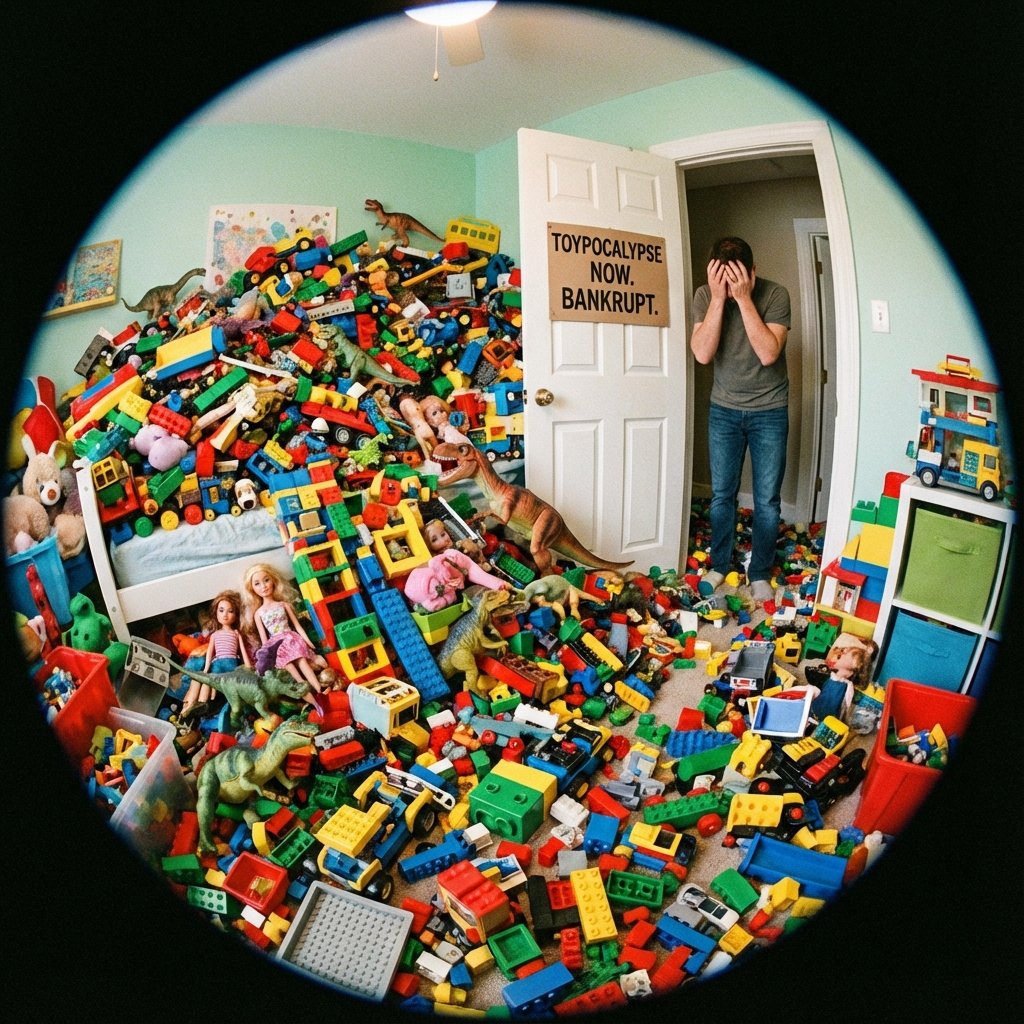
The modern toy industry is a master of manipulation. It’s designed to make you feel like a bad parent if you don’t buy the next shiny object. They prey on the ‘novelty trap’—the idea that new is always better. The result? Kids are overwhelmed with choices, which ironically leads to them being less engaged and more prone to saying the dreaded words: ‘I’m bored’.
This constant influx of toys creates a state of analysis paralysis. When a child has 100 toys to choose from, they often end up playing with none of them. Their brains can’t focus. They flit from one thing to the next, never diving deep into creative play. This isn’t a character flaw in your kid; it’s a predictable response to overstimulation. Each new toy provides a quick dopamine hit, but it fades fast, leaving them craving the next one.
The Hidden Costs of ‘Cheap’ Toys
And let’s talk about the money. That $10 action figure, the $5 blind bag, the $20 plastic playset… they add up. It feels like small leaks, but over a year, you’re looking at a massive hole in your budget. Many of these toys are designed to break or be part of a never-ending collectible set, forcing you back to the store. You’re not just paying with money; you’re paying with your space, your time spent cleaning, and your environmental conscience. Most of that plastic junk is destined for a landfill. The cycle is expensive, unsustainable, and frankly, it’s not even making your kids happier.
The Toy Rotation Hack: A 5-Step System to Reclaim Your Sanity
Alright, it’s time to stop the madness and start the system. This isn’t complicated. It’s a straightforward, actionable plan. Think of yourself as a museum curator for your kid’s toys. You’re creating an exclusive, high-value exhibit that changes regularly. Here’s the blueprint:
- The Great Toy Purge & Audit: This is the first, most crucial step. Gather every single toy from every corner of your house. Dump them all in one giant pile in the living room. Yes, all of them. This visual shock is important. It shows you and your kids the sheer volume of stuff you own.
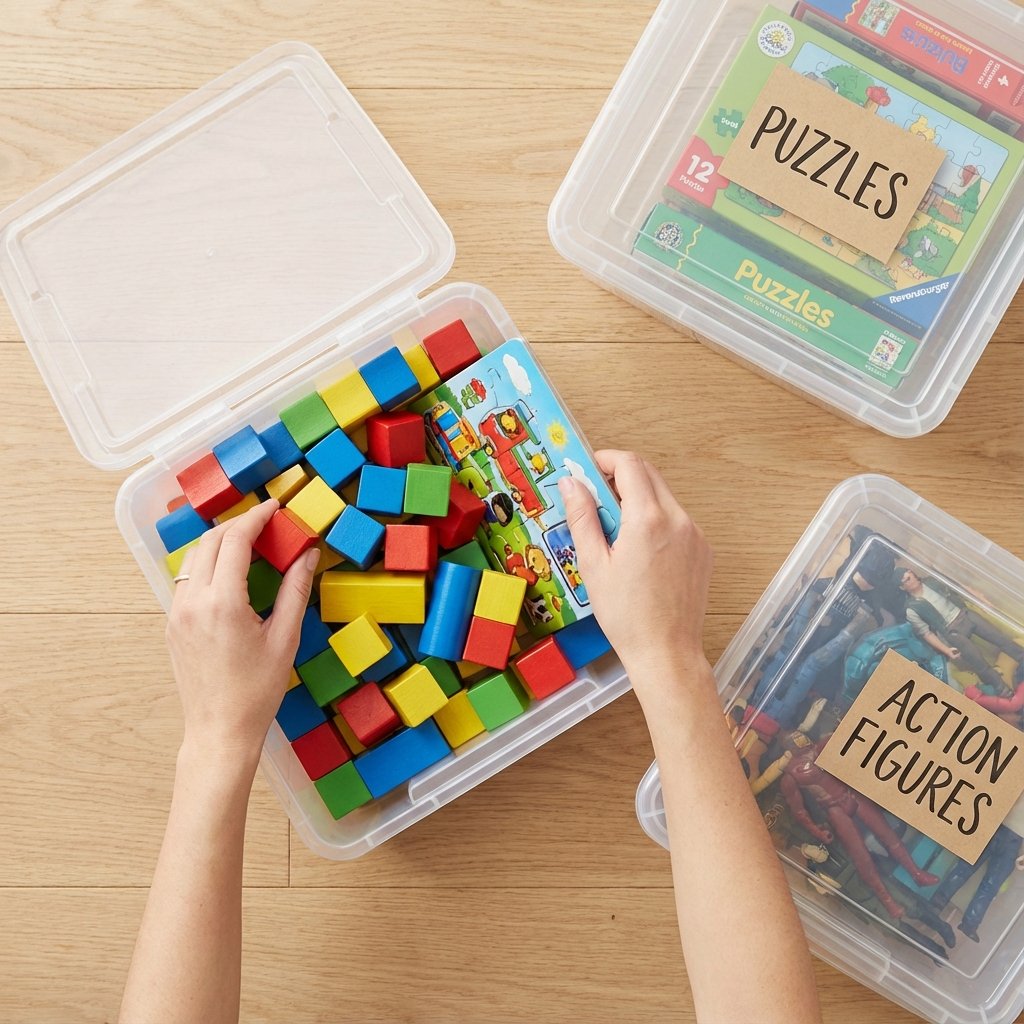
- Sort, Categorize, and Cull: Create three piles: Keep, Donate, and Trash. Be ruthless. Get rid of anything broken, missing crucial pieces, or that your child has genuinely outgrown. For the ‘Keep’ pile, start categorizing. Put all the building blocks together, all the dolls, all the puzzles, all the art supplies. This gives you an inventory of what you’re working with.
- Curate the ‘Active’ Collection: This is the fun part. From your ‘Keep’ pile, select a small, balanced collection of toys to leave out. A good rule of thumb is 10-20 toys total. Make sure there’s a variety: something for building (blocks), something for pretend play (dolls/figures), something for problem-solving (puzzles), and something for creativity (art supplies). Arrange these toys neatly on a shelf or in accessible bins. The goal is to make the space look inviting, not cluttered.
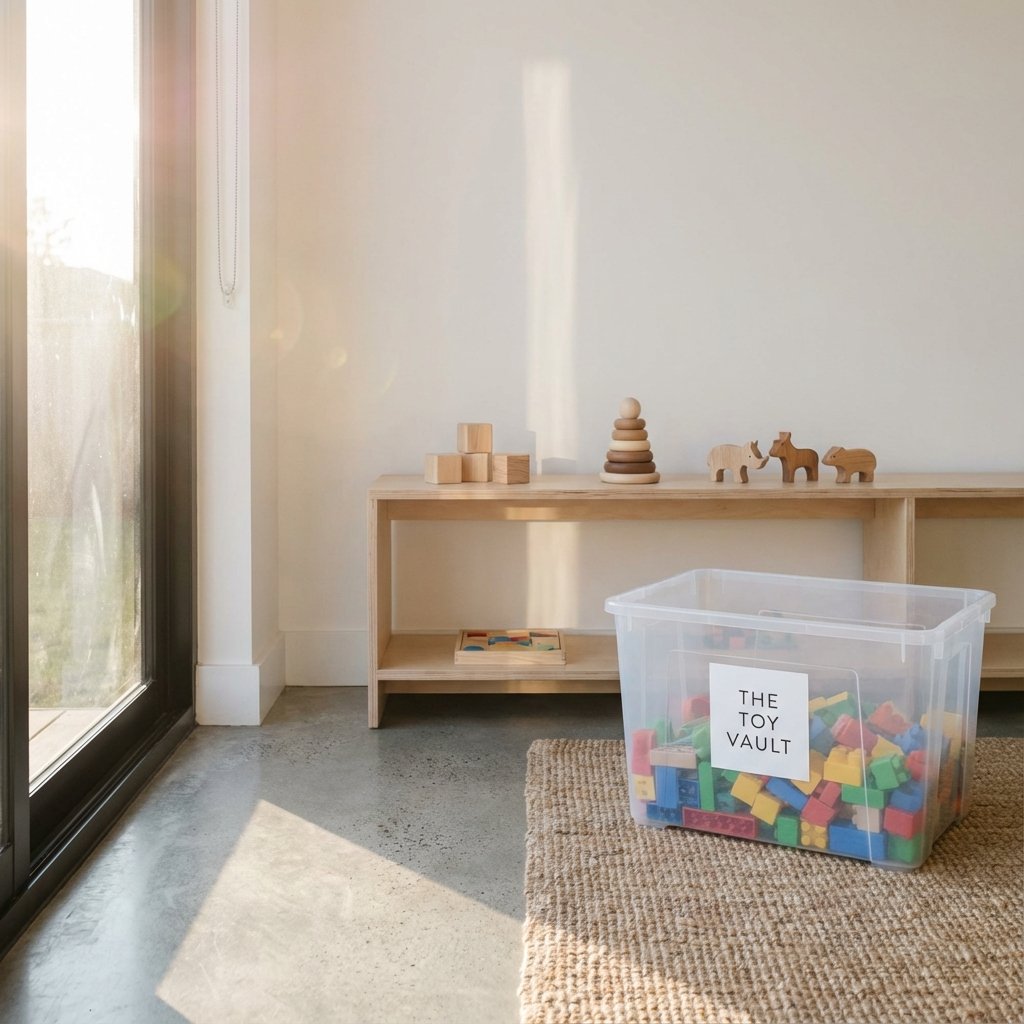
- Create ‘The Vault’: Take everything else from the ‘Keep’ pile and box it up. Use clear storage bins so you can see what’s inside. Label them by category (‘Vehicles’, ‘Puzzles & Games’, ‘Building Sets’). Now, store these bins somewhere out of sight and out of mind—the garage, a closet, the basement. This is your ‘Toy Vault’, and it’s your secret weapon.
- Set the Rotation Schedule: Decide how often you’ll swap the toys. There’s no magic number. For younger kids, rotating a few items every week might work best. For older kids, a bi-weekly or monthly rotation is often perfect. Set a reminder on your phone. When rotation day comes, ‘shop’ your vault, pack up the current ‘Active’ toys, and introduce the ‘new’ ones. Watch your kid’s eyes light up as they rediscover toys they haven’t seen in a month.
The Math: How This Simple Switch Saves You Hundreds (or Thousands)
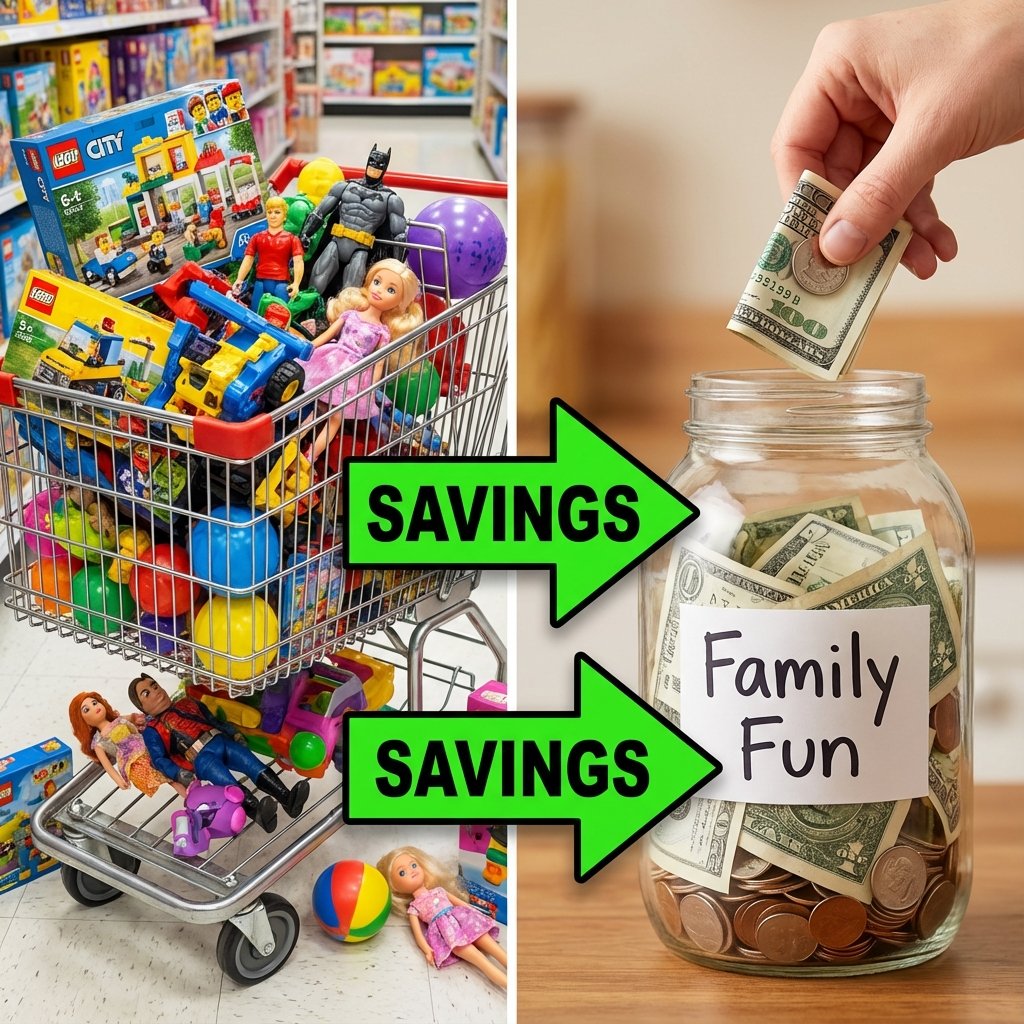
This is where the strategy pays off, literally. Frugal living isn’t just about saying ‘no’; it’s about making smart plays that have a massive impact over time. Let’s break down the real-world savings of a toy rotation system versus the average parent’s spending habits.
We’re conditioned to think that small, impulse toy purchases are harmless. But that’s a financial trap. By eliminating 80-90% of those impulse buys and only purchasing toys for major holidays or birthdays, the savings are staggering. Think about what you could do with an extra $600 a year. That could be a significant payment towards a high-interest credit card, a boost to your emergency fund, or a weekend family trip.
| Expense Category | Average Monthly Spend | Toy Rotation Pro Spend | Annual Savings |
|---|---|---|---|
| Impulse Buys (small toys, blind bags) | $30 | $0 | $360 |
| Medium-Sized Toys (playsets, dolls) | $25 | $5 (averaged out) | $240 |
| Batteries & Accessories | $10 | $2 | $96 |
| Total | $65 | $7 | $696 |
The Bottom Line: By simply rotating what you already own, you can realistically redirect nearly $700 a year back into your family’s budget. This isn’t magic; it’s just smart money management.
Level Up: Pro-Tips for a Flawless Rotation
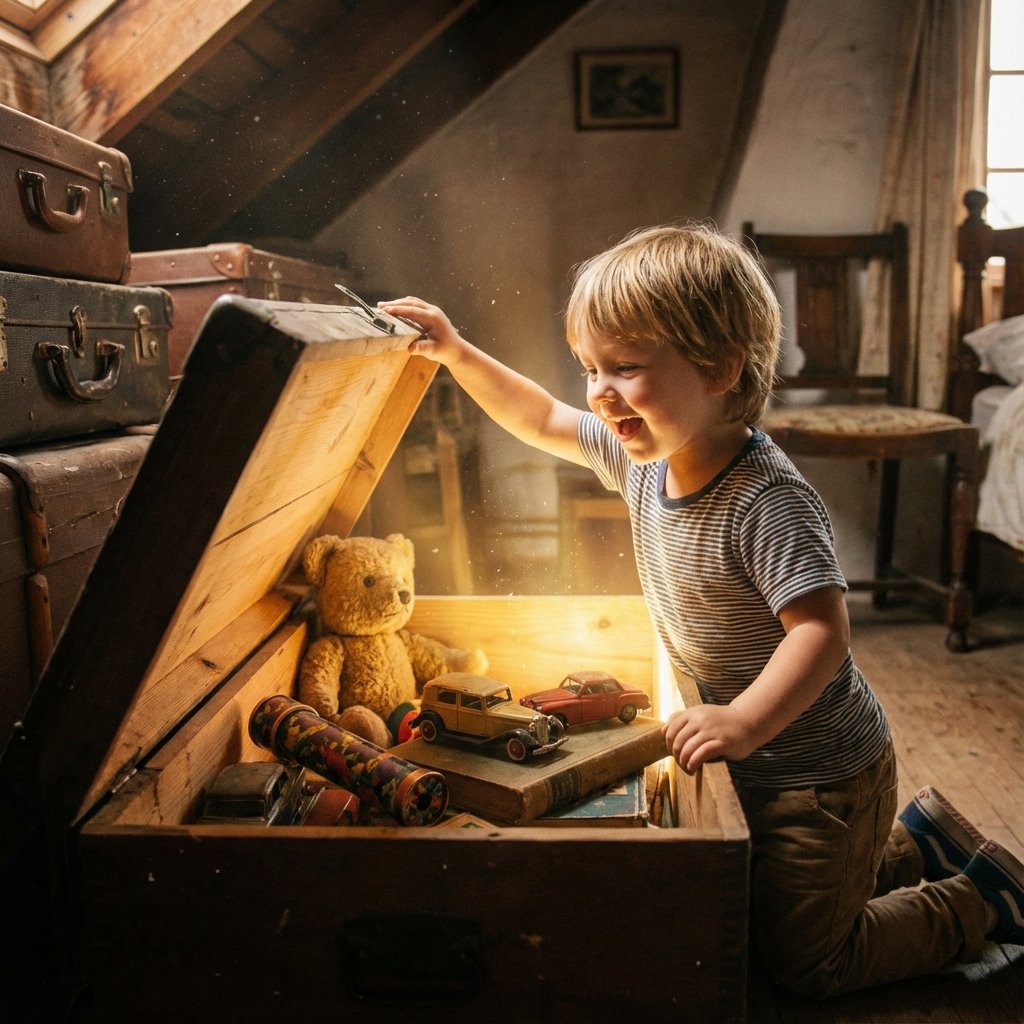
Once you’ve mastered the basic system, you can add some advanced techniques to keep things fresh and maximize engagement. These are the pro-moves that turn a good system into a game-changer.
- Themed Rotations: Instead of a random mix, create themes. Have a ‘Dinosaur Week’ where you only bring out dinosaur figures, puzzles, and books. Follow it with ‘Space Exploration Week’ or ‘Construction Zone Week’. This encourages deeper, more imaginative play.
- Combine Old and New: When you do buy a new toy for a birthday or holiday, introduce it alongside a few forgotten favorites from the vault. This makes the entire play experience feel new, not just the single item.
- Involve Your Kids: For older kids (4+), let them help ‘curate’ the next rotation. They can look through the vault with you and pick what they’re most excited to play with. This gives them a sense of ownership and control.
- Create ‘Invitations to Play’: Don’t just dump the ‘new’ toys on the floor. Set them up in an interesting way. Build a small tower with the blocks, set up the train tracks, or arrange the animal figures in a scene. This visual cue sparks their imagination and invites them to dive right in.
Handling the ‘But I Want It NOW!’ Meltdown
You will inevitably find yourself in a store, facing a child demanding a new toy. Your old instinct might be to give in. Your new, street-smart instinct is to have a script ready. Stay calm, acknowledge their desire, and redirect.
“Wow, that toy looks really fun! I can see why you want it. Let’s take a picture of it and add it to your birthday list. For now, let’s go home and see what treasures are waiting for us in this week’s toy box. I think the super-fast race cars are in there!”
This approach validates their feelings without validating the need for an immediate purchase. You’re not saying ‘no’; you’re saying ‘not now’ and reminding them of the fun that already awaits them at home. It’s a powerful shift that teaches patience and delayed gratification—a financial skill that will serve them for life.
Conclusion
Let’s cut to the chase: The toy rotation system is more than just a decluttering hack. It’s a rebellion against mindless consumerism. It’s a strategic move to take back control of your finances, your home, and your family’s focus. You’re not just saving money—you’re teaching your kids that happiness doesn’t come from a shopping cart. It comes from creativity, imagination, and appreciating the value of what you have.
By swapping endless toy runs for a simple, smart system, you gain more than just a clean floor. You gain hundreds of dollars a year, more engaged and creative kids, and the empowering feeling of being a savvy, resourceful parent who can’t be played by the system. So go on, tackle that toy mountain. Your wallet and your sanity will thank you.


Makenzie is the founder and lead writer at MoneyHackTips.com — a personal finance blog dedicated to delivering street-smart financial wisdom for real people on real budgets. With 300+ published articles covering everything from debt management to investing fundamentals, Makenzie’s mission is to make every dollar work harder. When not writing about money hacks, Makenzie is testing frugal living strategies, optimizing side hustles, and helping readers build financial freedom from scratch.