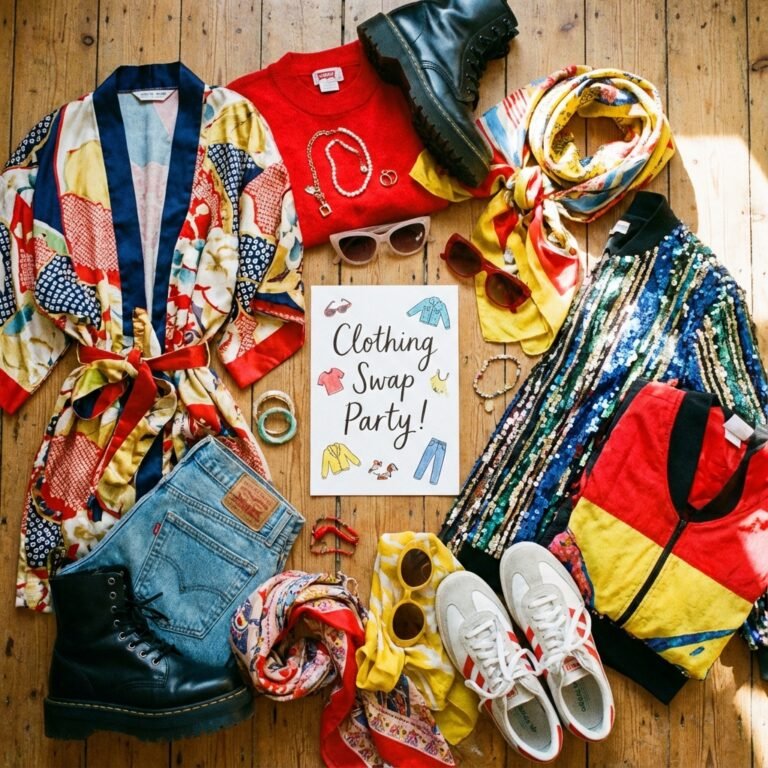

Listen up. That $15 top you just bought? It’s not a bargain. It’s a trap. You’re caught in the fast fashion hustle, a never-ending cycle of chasing micro-trends with cheap, disposable clothes designed to fall apart after three washes. They sell you a fantasy of being stylish, but the reality is a mountain of closet clutter, constant decision fatigue, and a bank account that’s leaking cash every single week. You’re spending more money to look cheap.
But what if you could opt out? What if you could build a wardrobe that actually works for you, filled with killer pieces you love to wear, that last for years, and that make you look effortlessly cool? That’s the power of slow fashion. It’s not about being a minimalist monk or spending a fortune on designer labels. It’s about being strategic. It’s about choosing style over trends, quality over quantity, and becoming the CEO of your own closet. This guide is your playbook to break free from the fast fashion machine and build a wardrobe that serves your style, your life, and your wallet.
The Mindset Shift: Why Fast Fashion Is Keeping You Broke
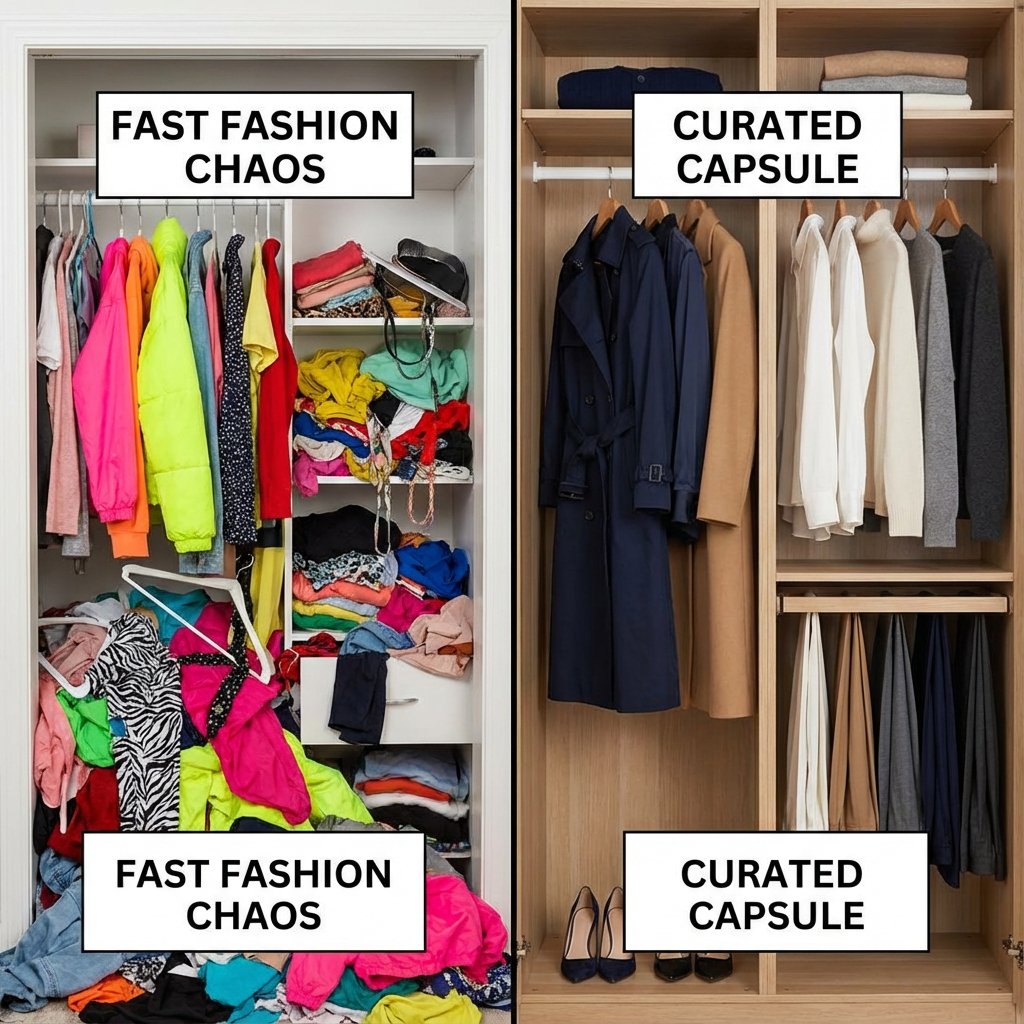
The Real Cost of ‘Cheap’ Clothes
First, let’s get one thing straight: fast fashion is engineered to make you feel insecure. Every week, a new ‘must-have’ item drops. A new aesthetic, a new ‘core,’ a new color of the season. It’s a psychological game designed to create a constant sense of needing more. They churn out low-quality garments at lightning speed, using cheap synthetic fabrics and even cheaper labor, so you can afford to buy into the trend without thinking twice. But the cost adds up.
Think about it. That $20 dress looks great online, but when it arrives, the fabric is thin, the seams are crooked, and it pills after one wash. So you wear it twice, feel ‘meh’ about it, and toss it aside. Next month, you buy another $20 dress to replace it. Over a year, you’ve spent $240 on a rotating collection of junk. A strategic shopper could have invested that $240 into two or three high-quality, timeless dresses that would last for a decade. It’s time to stop thinking about the price tag and start thinking about the cost per wear.
The Vicious Cycle:
- Trend Hype: You see a new trend on social media and feel the pressure to participate.
- Impulse Buy: You find a cheap version on a fast fashion site and add to cart.
- Temporary High: The package arrives, you get a quick dopamine hit.
- Quality Crash: After a few wears, the item looks worn out, faded, or loses its shape.
- Closet Clutter: The item gets pushed to the back of your closet, adding to the overwhelming mess.
- Repeat: A new trend emerges, and the cycle begins again.
Breaking free means changing your perspective from a consumer to an investor. Every piece of clothing you buy should be an investment in your personal brand and your long-term financial health.
Step 1: The Closet Audit – Your Foundation for Style
Declutter Like You Mean Business
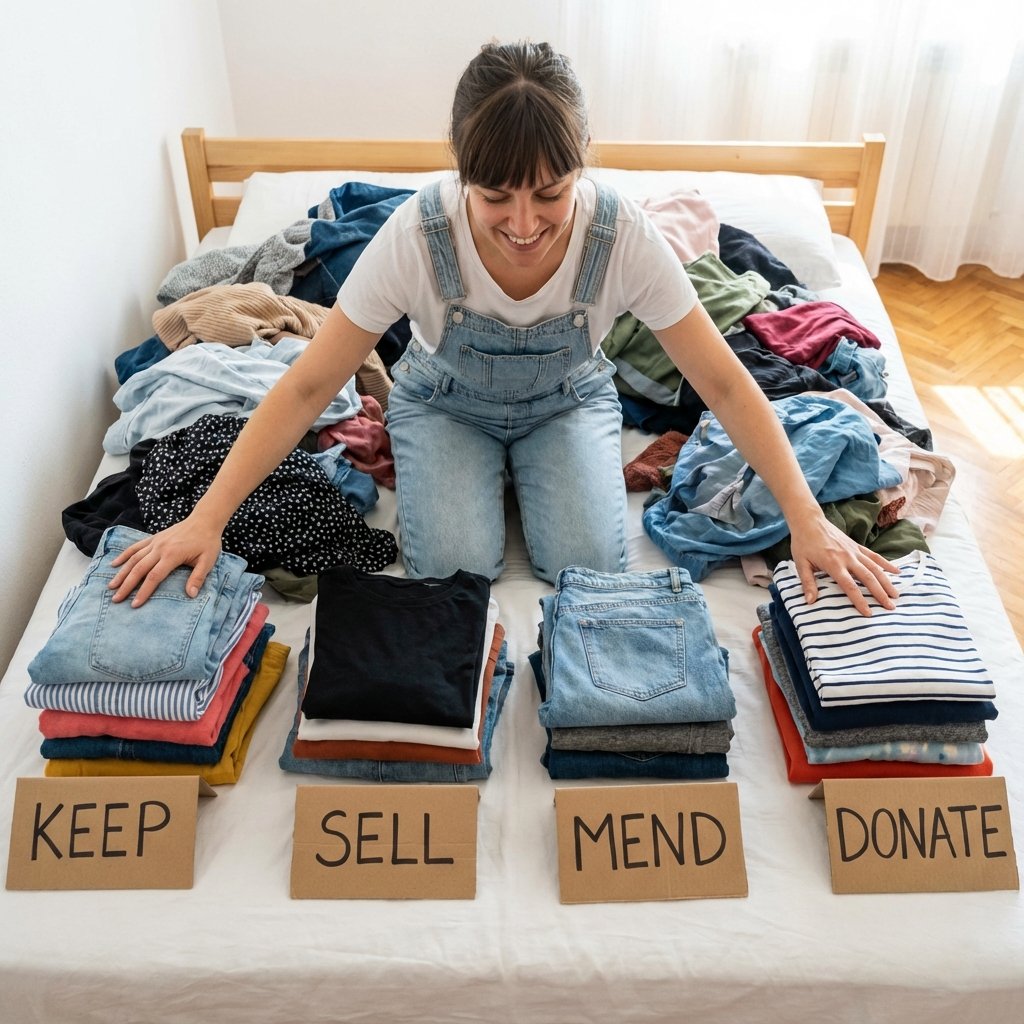
You can’t build a strong house on a rotten foundation. Before you even think about buying a single new thing, you have to deal with what you already own. This isn’t about gentle decluttering; it’s a strategic audit. Set aside a few hours, put on some music, and get ruthless. Pull every single piece of clothing out of your closet and drawers. Yes, every single piece. Make one giant pile on your bed.
Now, create four distinct zones or piles:
- The ‘Heck Yes’ Pile (Keep): These are the pieces you absolutely love. They fit you perfectly right now, they match your dream style, and you feel fantastic wearing them. No hesitation allowed. If it’s not a ‘heck yes,’ it doesn’t go here.
- The Workshop Pile (Mend or Tailor): This is for items you love but that need a little work. A missing button, a fallen hem, or something that would be perfect if it were just an inch shorter. Be honest: will you actually get it fixed? If so, put it in a separate bag and make a plan to take it to a tailor or fix it yourself this week.
- The Cash-In Pile (Sell): These are good quality items that are still in style but just aren’t ‘you’ anymore. Think brand-name pieces, vintage finds, or items you bought and never wore. These are your future wardrobe funds.
- The Goodbye Pile (Donate or Recycle): This is for everything else. The pilled sweaters, the stained t-shirts, the jeans that haven’t fit in five years. Let them go. If they are too worn to donate, look for a local textile recycling program.
Key Rule: The Hanger Trick. Once your ‘Heck Yes’ pile is back in the closet, hang everything with the hanger hook facing backward. As you wear an item, turn the hanger around the correct way. In six months, you’ll have a crystal-clear visual of what you actually wear and what you can probably get rid of.
This process is about more than just cleaning up. It’s about collecting data. What colors do you gravitate towards? What fabrics feel best? What silhouettes do you wear on repeat? Your ‘Heck Yes’ pile is the blueprint for your personal style.
Step 2: The Blueprint – Define Your Signature Style
Stop Copying, Start Curating
Now that you have a clean slate, it’s time to build your style blueprint. The goal is to create a personal uniform—a set of go-to outfit formulas that you know work for you. This eliminates decision fatigue and ensures you always look put-together. Forget what influencers are pushing. This is about you.
Find Your Color Palette
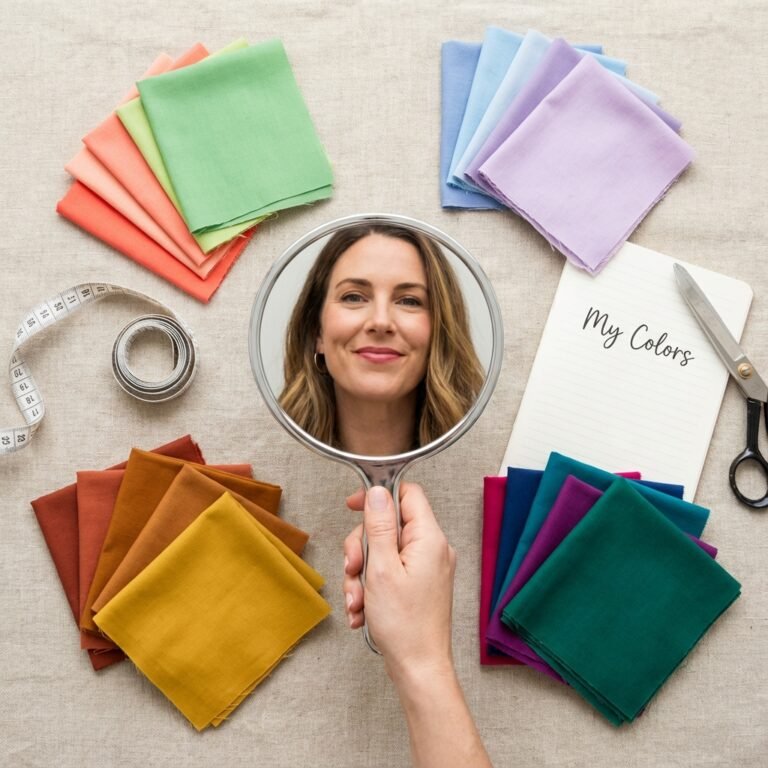
You don’t need to be a color theorist, you just need to be observant. Look at your ‘Heck Yes’ pile. What colors dominate? Your ideal wardrobe is built on a foundation of 3-4 neutral colors that all work together (think black, navy, cream, grey, camel, olive). Then, you add 2-3 accent colors that you love and that make you feel vibrant. These are for your tops, accessories, or that one statement coat. Having a defined palette makes mixing and matching effortless.
Identify Your Key Silhouettes
What shapes make you feel like a million bucks? Are you a fan of high-waisted, wide-leg trousers? Or do you live in slim-fit jeans? Do you prefer structured blazers or cozy, oversized cardigans? Identify 3-5 core silhouettes for your tops, bottoms, and outerwear. When you know what works, you can ignore the trends that don’t and focus your shopping efforts like a laser.
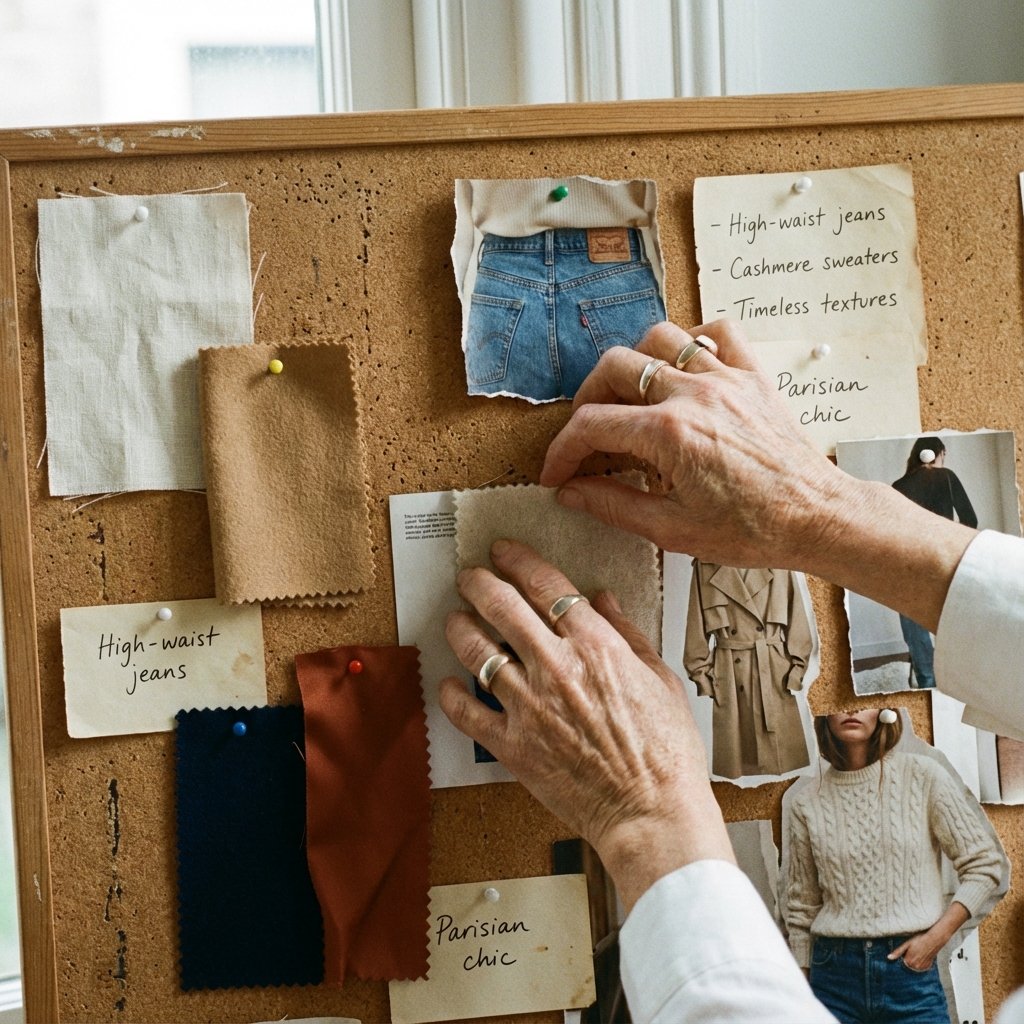
Create a Style Mood Board
This is your secret weapon. Use a platform like Pinterest or just a physical corkboard. Start saving images of outfits you genuinely love and would actually wear in your real life. Don’t just pin celebrity red carpet looks. Pin street style, outfits from movies, anything that resonates. After a week or two, look for patterns. You’ll start to see your true style DNA emerge—the colors, textures, and silhouettes you’re drawn to again and again. This board becomes your shopping guide. Before you buy anything, ask yourself: ‘Does this fit my mood board?’
Step 3: The Hunt – Your Cheat Sheet for Scoring Quality on a Budget
Shop Smarter, Not Harder
Armed with your style blueprint, you’re ready to hunt. But we’re not going to the mall. We’re going where the deals are, and we’re looking for quality, not logos. Your new mantra is ‘natural fibers and solid construction.’
The Thrifting Goldmine
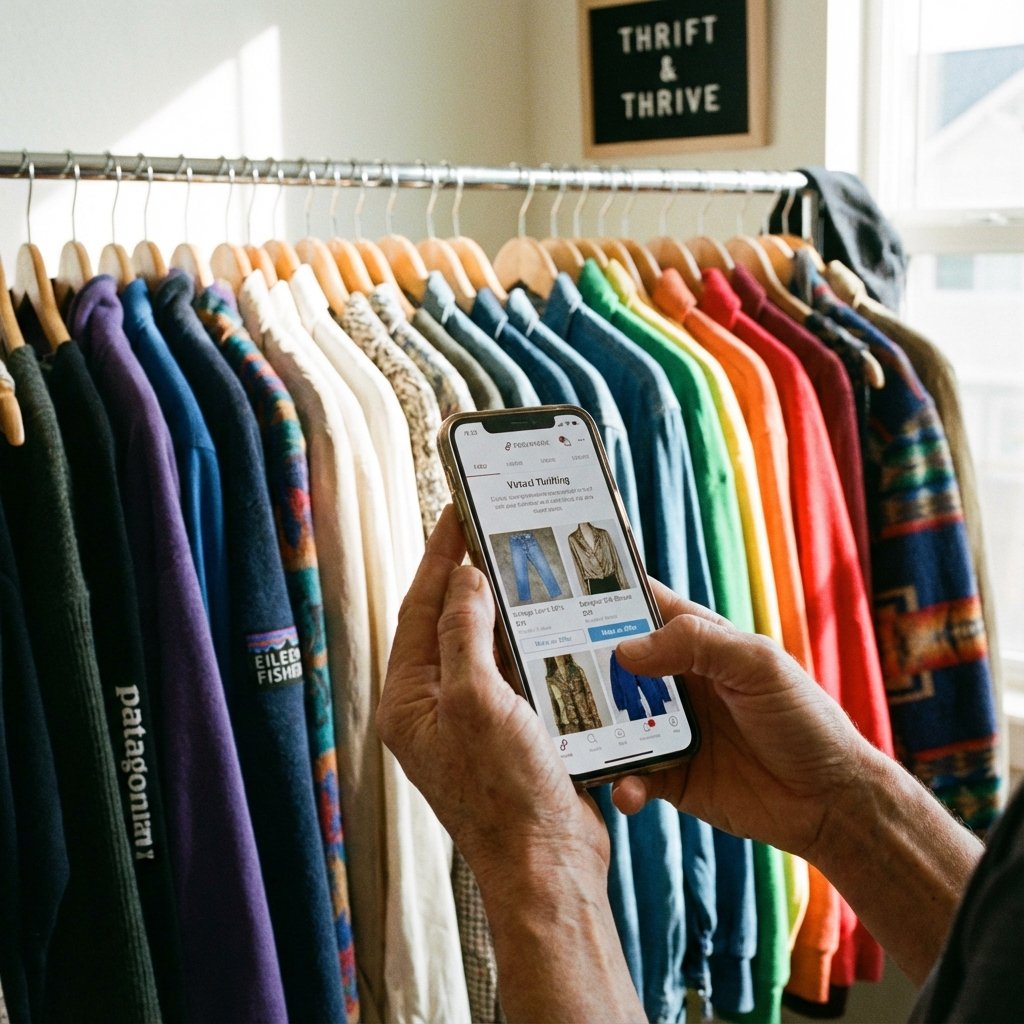
Thrift and consignment stores are your number one resource. This is where you find high-quality, pre-loved items for pennies on the dollar. Go to stores in wealthier neighborhoods for better brands. Ignore sizes on the tags (they can be wildly inconsistent) and focus on fabric and fit. Learn to spot quality: check the seams, feel the fabric (look for wool, silk, cotton, linen, and cashmere), and check for signs of wear. Patience is key. You might not find a gem every time, but when you do, it’s a major win.
Master Online Marketplaces
Websites like ThredUP, Poshmark, Depop, and The RealReal are digital thrift stores. The trick is to be specific. Don’t just search for ‘sweater.’ Search for ‘black cashmere crewneck sweater size medium.’ Use the brand filters to look for labels known for quality, even if you’re buying them secondhand. Save your searches and set up alerts for specific items on your wishlist.
The Math That Matters: Cost Per Wear (CPW)
This is how you justify spending more on a single item. A high-quality piece might have a higher price tag, but you’ll wear it for years, making it cheaper in the long run. Let’s break it down.
| Item | Price | Wears Per Year | Years Owned | Total Wears | Cost Per Wear (CPW) |
|---|---|---|---|---|---|
| Fast Fashion Jeans | $40 | 20 | 1 | 20 | $2.00 |
| High-Quality Jeans | $120 | 50 | 5 | 250 | $0.48 |
The ‘cheap’ jeans cost you over four times more every single time you put them on. When you shop, think about longevity. Is this a one-season fling or a long-term relationship?
The Ultimate Shopping Rule: The 30 Wears Test. Before you buy anything, ask yourself honestly: ‘Will I wear this at least 30 times?’ If the answer is no, put it back. This simple question cuts through impulse buys and forces you to consider the item’s true value and place in your life.
Step 4: The Long Game – Master Maintenance to Protect Your Investment
Make Your Clothes Last Forever (Almost)
Building a slow fashion wardrobe isn’t just about buying better; it’s about caring for what you own. You’ve invested time and money into finding these quality pieces, now it’s time to protect that investment. Proper care can double or triple the lifespan of your clothes.
Rethink Your Laundry Routine
Most of us are too aggressive with our laundry. You don’t need to wash your jeans after every wear. In fact, you shouldn’t. Spot clean when possible. When you do wash, use cold water to prevent fading and shrinking, and turn delicate items and dark clothes inside out. And please, step away from the high-heat dryer setting. It’s a fabric killer. Air dry as much as possible, especially your sweaters, jeans, and anything with elastic. A simple foldable drying rack is one of the best investments you can make for your wardrobe.
Learn Basic Mending Skills
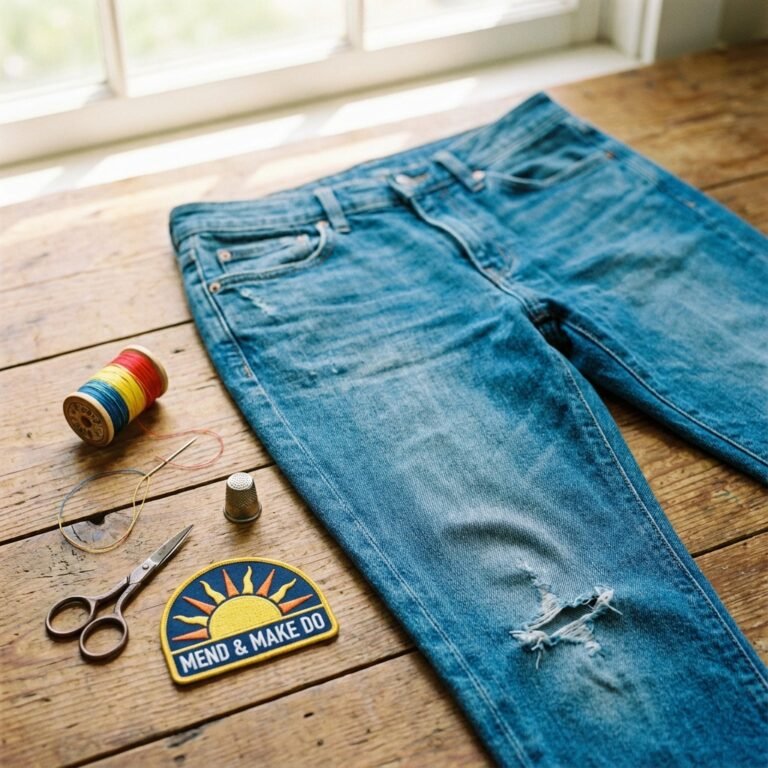
You don’t need to be a master seamstress. Learning how to sew on a button, fix a small hole in a seam, or patch a pair of jeans are life skills that will save you hundreds of dollars. There are thousands of free tutorials on YouTube. A basic sewing kit costs less than $10 and can save a $100 sweater from the donation pile.
Essential Tools of the Trade
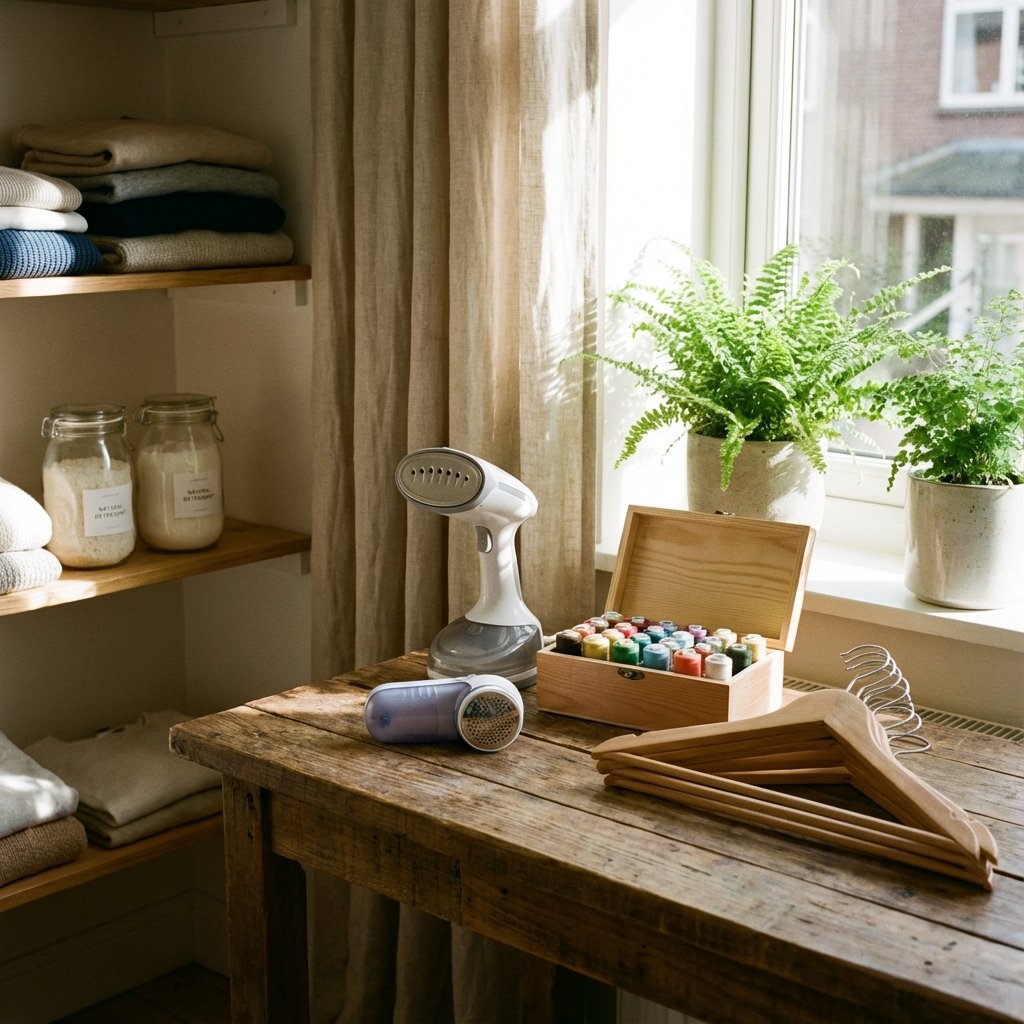
- Fabric Shaver: A cheap and incredibly effective tool for removing pills from sweaters and coats, making them look brand new.
- Quality Hangers: Ditch the wire hangers from the dry cleaner. They destroy the shape of your clothes. Invest in sturdy wooden or velvet hangers that support the shoulders of your garments.
- Steamer: A handheld steamer is faster than ironing and much gentler on fabric. It relaxes fibers and removes wrinkles without scorching heat.
- Shoe Care Kit: If you invest in quality leather shoes or boots, a simple kit with polish, a brush, and a weatherproofing spray will keep them in top condition for years.
Treat your clothes with respect, and they’ll reward you with years of loyal service.
Conclusion
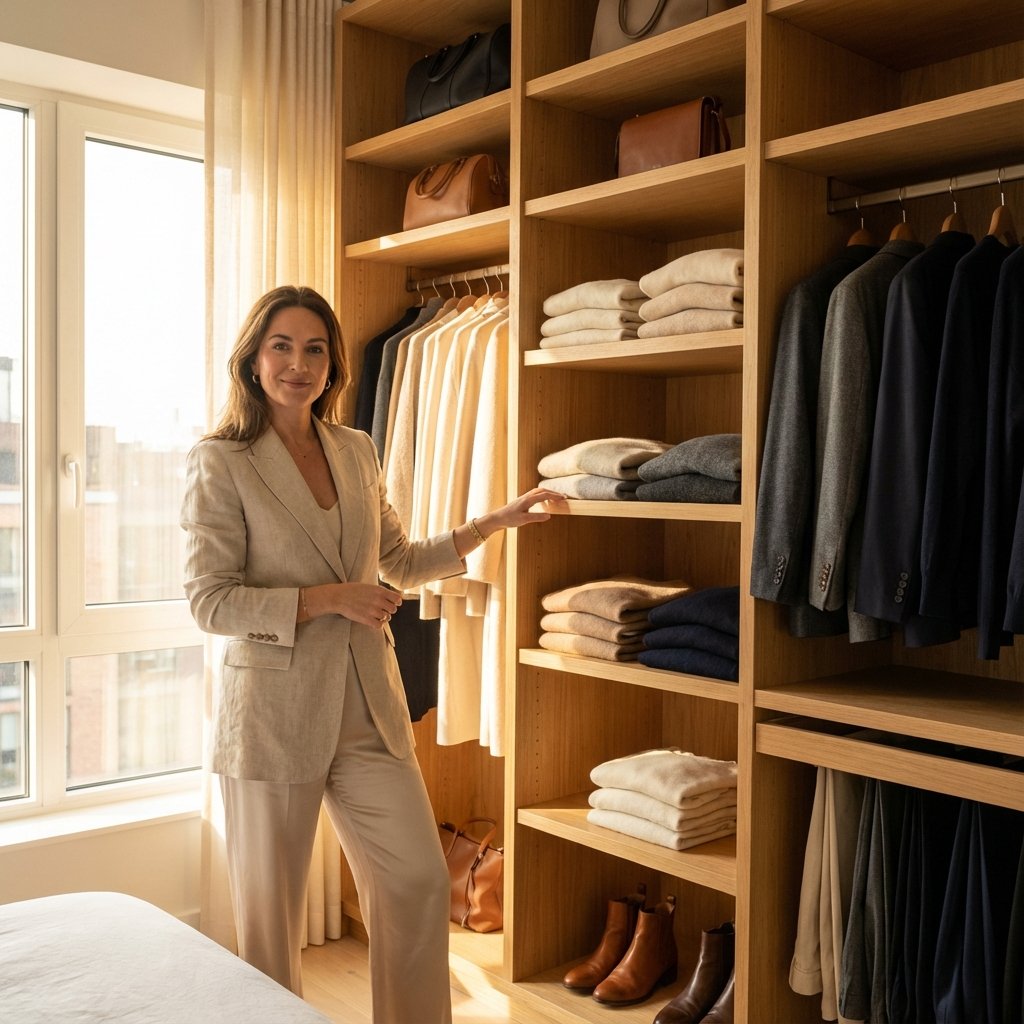
Building a slow fashion wardrobe is the ultimate power move. You’re rejecting a system designed to exploit your insecurities and your wallet. You’re taking back control, defining your own style, and making smart, intentional choices. It’s a journey, not an overnight fix. Start with the closet audit. Create your mood board. Make your next purchase a strategic, secondhand find. With every conscious decision, you’re not just saving money; you’re building a wardrobe that reflects who you are—a savvy, confident, and empowered individual who knows their own worth. Now go take charge of your closet.


Makenzie is the founder and lead writer at MoneyHackTips.com — a personal finance blog dedicated to delivering street-smart financial wisdom for real people on real budgets. With 300+ published articles covering everything from debt management to investing fundamentals, Makenzie’s mission is to make every dollar work harder. When not writing about money hacks, Makenzie is testing frugal living strategies, optimizing side hustles, and helping readers build financial freedom from scratch.