

I Tried the Cash Envelope System for a Month and Saved $500 Instantly
Let’s be real: your debit card is not your friend. It’s a silent assassin for your budget. Every tap, every swipe, every online checkout is designed to be frictionless, so you don’t feel the pain of your money disappearing. It’s a rigged game, and most of us are losing. I was sick of looking at my bank statement wondering where it all went. So, I decided to fight back with something tangible, something real: cash. I committed to the cash envelope system for one month, and the result was insane. I saved an extra $500 without getting a raise or starting a new side hustle. This isn’t a theoretical guide; this is the exact playbook I used to plug the leaks in my finances and take back control. If you’re ready to stop wondering and start owning your money, keep reading.
Why Your Debit Card Is Secretly Robbing You Blind

You think you’re in control, but you’re not. Every time you swipe that little piece of plastic, you’re playing on easy mode for corporations. They’ve spent billions on behavioral psychology to make spending effortless. Think about it: handing over a crisp $100 bill for a new pair of sneakers feels different than tapping your card. You feel the weight of that transaction. It’s a physical loss. Digital transactions? They’re just numbers on a screen. There’s no emotional connection, no friction, which leads to mindless overspending.
This isn’t a personal failure; it’s by design. App-based food delivery, one-click shopping, subscription services—they all thrive on this disconnect. The cash envelope system is the ultimate rebellion against this system. It forces you to be present and intentional with every single dollar. It re-introduces the necessary friction that modern finance has tried so hard to eliminate. It shifts the power from them back to you, making you the CEO of your own money, not just a passive consumer.
The Game Plan: Setting Up Your Cash Envelope Arsenal
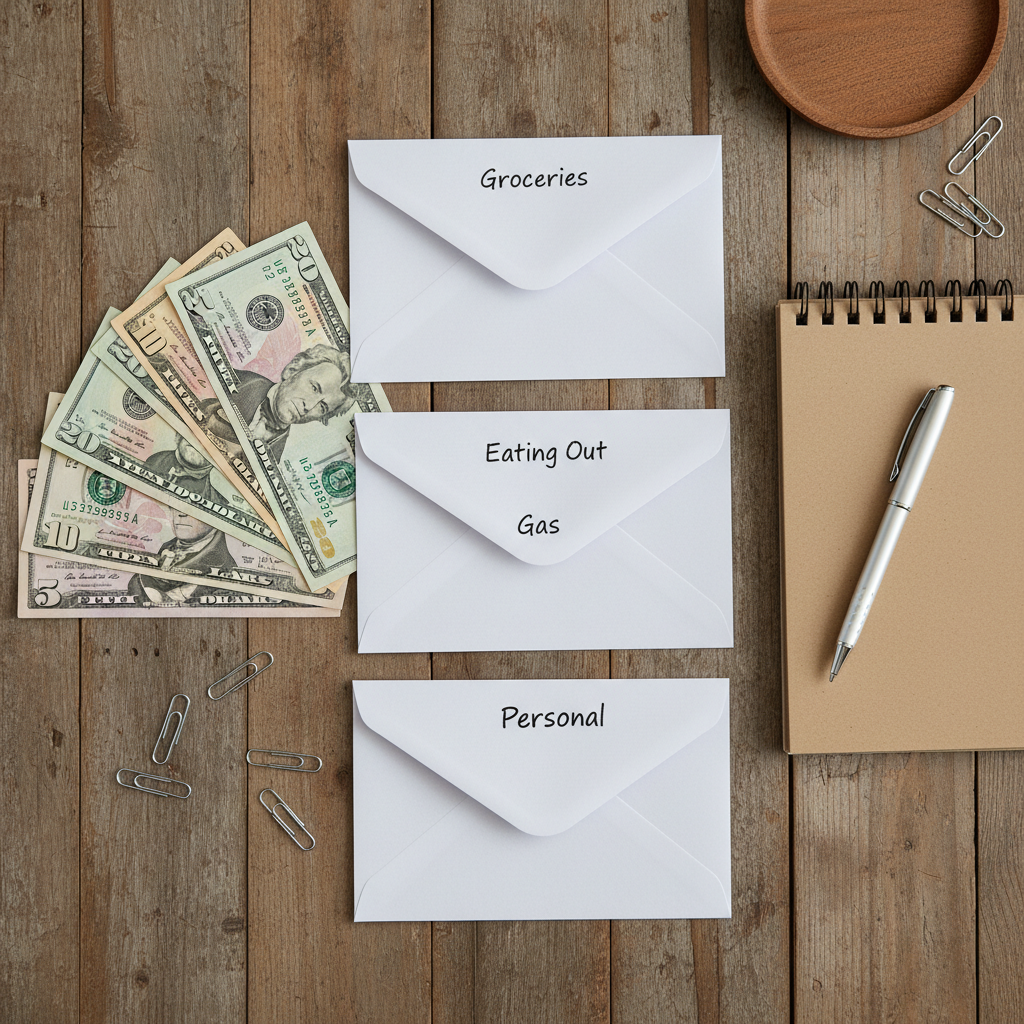
Alright, it’s time to build your system. This isn’t about complicated spreadsheets or expensive apps. This is about getting your hands dirty and building a system that works in the real world. Here’s how you get it done in five simple steps:
- Face the Music (The Brutal Truth): Before you can fix the leaks, you have to find them. For one week, track every single penny you spend. Don’t judge, just write it down. Every coffee, every snack, every impulse buy. This is your diagnostic phase. You need to know your enemy before you can defeat it.
- Pick Your Battles (Variable Categories): Look at your spending tracker. Your fixed expenses like rent/mortgage, car payments, and utilities will likely stay the same. We’re targeting the categories that fluctuate—the ones where you have control. These are typically: Groceries, Gas, Restaurants/Eating Out, Entertainment, Personal Spending (aka ‘Fun Money’), Clothing, etc. Choose 4-6 main categories to start.
- Set Your Limits (The Budget): Now, give every dollar a job. Based on your income and your tracking, assign a realistic dollar amount to each of your chosen envelope categories for the month. Be honest but firm. If you were spending $800 on groceries, maybe you aim for $600. This is your new spending law.
- Get Your Gear (Envelopes & Labels): You can buy fancy envelopes online or you can use plain old letter envelopes. It doesn’t matter. What matters is that you clearly label each one with its category and the budgeted amount (e.g., “Groceries – $600“).
- Execute the ‘Cash Out’ Ritual: This is the most important step. On payday, go to the bank and withdraw the total amount of cash needed for all your envelopes. Physically sit down and stuff each envelope with its designated amount. This act alone will rewire your brain and make your budget feel incredibly real.
The Rules of the Game: How to Not Screw This Up

Having the tools is one thing; using them right is another. This system’s power is in its simplicity and its strict rules. Don’t try to find loopholes. Stick to the plan and you’ll see results. Here are the non-negotiable rules of the game:
- When the Cash is Gone, It’s GONE: This is the core principle. If you run out of money in your ‘Eating Out’ envelope on the 20th of the month, you don’t eat out again until the 1st. You cook at home. Period.
- No ‘Borrowing’ Allowed: Do not steal from your ‘Groceries’ envelope to fund your ‘Entertainment’ envelope. Each category is a silo. Moving money between them defeats the purpose of setting intentional limits.
- Leave the Plastic at Home: When you go grocery shopping, only bring your ‘Groceries’ envelope. Don’t even carry your debit or credit cards as a backup. Remove the temptation to cheat.
- Handle Leftovers Like a Boss: If you have money left in an envelope at the end of the month, that’s a WIN. Don’t just roll it over. Take that cash and immediately put it towards a specific goal—a high-interest debt payment, your emergency fund, or an investment. Give that victory a purpose!
The Golden Rule: When an envelope is empty, you stop spending in that category. Period. No IOUs, no ‘I’ll just use my card this once.’ You stop. This discipline is the muscle you are building.
The Math Breakdown: How I Found an Extra $500
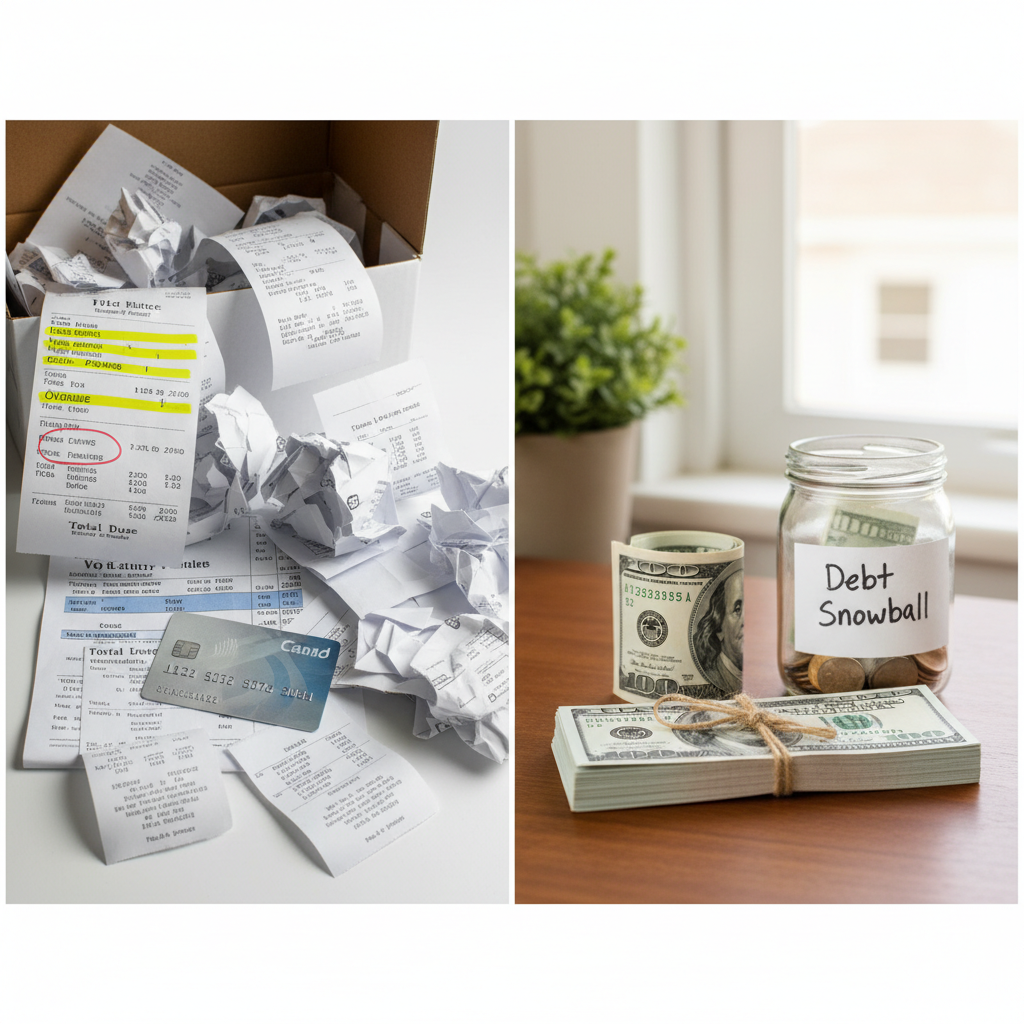
Talk is cheap. Let’s look at the hard numbers. This is where my spending was before I started, versus what it was after just one month of using cash. The difference was staggering, and it came from categories where I thought I was being ‘careful’ with my debit card.
| Spending Category | Old Monthly Spending (Debit Card Estimate) | New Monthly Spending (Cash Envelopes) | Monthly Savings |
|---|---|---|---|
| Groceries & Household | ~$750 | $550 | $200 |
| Eating Out & Coffee | ~$400 | $200 | $200 |
| Shopping & ‘Fun Money’ | ~$250 | $150 | $100 |
| TOTALS | $1,400 | $900 | $500 |
Finding an extra $500 in a single month was a game-changer. But the real power is in what that looks like over time. Let’s do the math:
- $500 per month is $6,000 in one year.
- In five years, that’s $30,000.
That’s not chump change. That’s a down payment on a house, a fully funded retirement account for the year, or the seed money for a side hustle you’ve been dreaming about. It’s freedom. And it was hiding in plain sight, disguised as daily coffee runs and impulse buys at the grocery store.
Surviving the Real World: Pro Tips & Common Traps

The cash system is powerful, but you live in a digital world. Here’s how to handle the curveballs without abandoning the strategy.
What about online shopping?
This is a big one. The solution is to create a digital envelope. You can either use a separate, dedicated debit card that you only load with your ‘Online Shopping’ budget for the month, or you can go old-school: when you want to buy something online for $50, you physically take $50 cash out of your envelope and immediately deposit it back into your bank account. It adds friction and makes you accountable.
What about gas? Paying at the pump is easier.
Simple. Keep your ‘Gas’ envelope in your car’s glove compartment. When you need to fill up, walk inside and pay the cashier with cash. It’s a small extra step that keeps you honest and prevents you from grabbing those overpriced snacks and drinks at the counter.
This feels really restrictive. Will I hate it?
The first week or two might feel tight. You’re breaking old habits. But soon, that feeling of restriction turns into a feeling of empowerment. You’re not being told ‘no’ by a lack of funds; you are telling your money ‘no’ because you have a bigger plan for it. It’s the ultimate power move.
My partner isn’t on board. How do I make this work?
Focus on shared goals. Don’t frame it as a restriction; frame it as a fast track to something you both want (like a vacation or paying off a car). You can start by just using the cash system for your own personal spending categories to demonstrate how effective it is. When they see the results (and the extra cash), they’re more likely to get on board.
Conclusion
For 30 days, I ditched the convenience of plastic and embraced the discipline of cash. The reward wasn’t just the $500 I saved; it was the profound shift in my mindset. I went from a passive participant in my financial life to the active, in-charge decision-maker. I stopped letting my money leak away without a fight. This system works because it’s simple, tangible, and forces you to confront your habits head-on.
I challenge you to try it. Just for one month. Track your spending, set your limits, and pay with cash. See how much you can find. This isn’t just about saving money; it’s about telling your money where to go instead of wondering where it went. Your future self will thank you for it. Take back the power.
Disclaimer: I am not a financial advisor. This article details my personal experience with a budgeting method. The results shared are my own, and your experience may vary. Please consult with a professional for personalized financial advice.