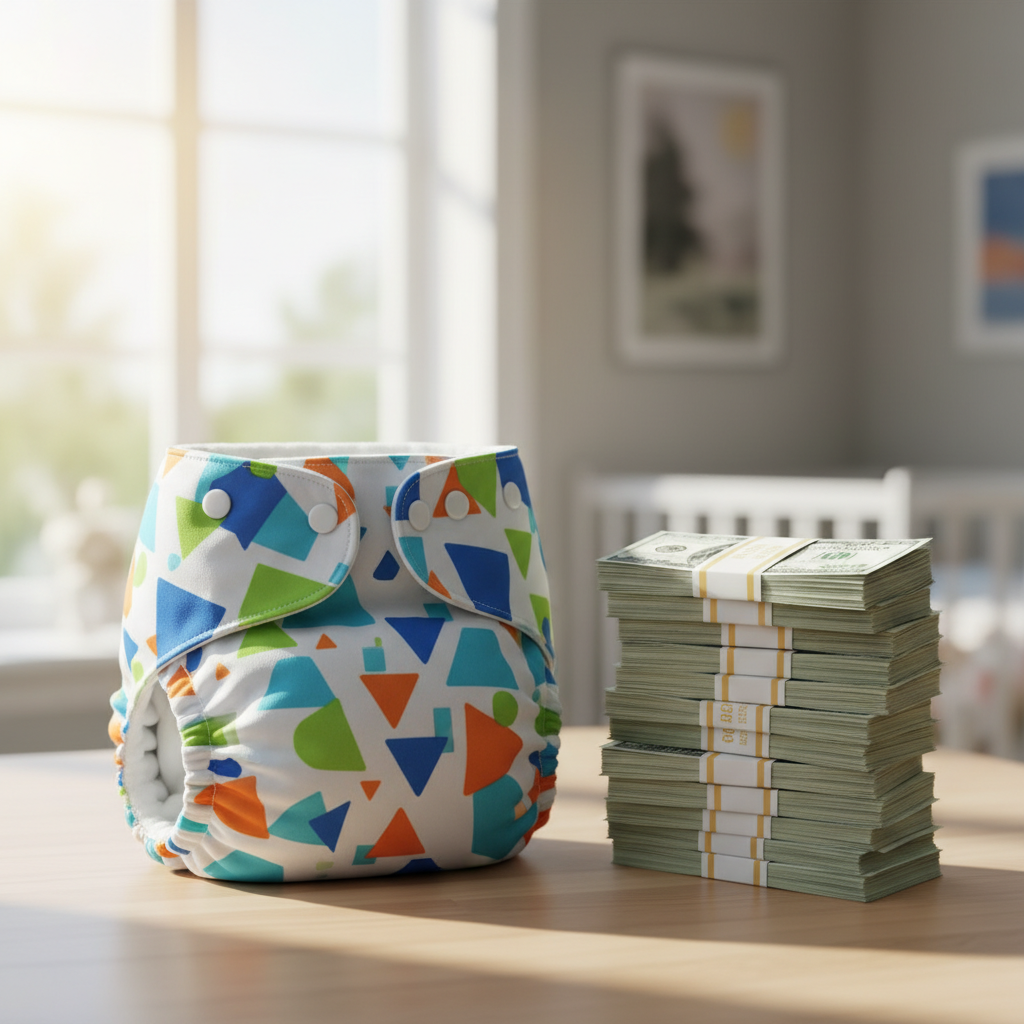
Stop Buying Diapers! The Ultimate Guide To Cloth Diapering For Cheap
Listen up. If you’re buying disposable diapers, you’re essentially throwing wads of cash into the trash can every single day. We’re talking thousands of dollars. Let that sink in: $2,500 to $3,000 per kid, gone. That’s a vacation, a paid-off credit card, or a serious boost to your emergency fund. For too long, cloth diapering has been painted as some crunchy, complicated, all-or-nothing chore for saints. That’s a lie designed to keep you buying expensive disposables.
The truth? Modern cloth diapering is the ultimate financial hack for savvy parents. It’s easier, cleaner, and way more stylish than you think. This isn’t your grandma’s system of pins and plastic pants. This is your street-smart guide to cutting a massive expense from your budget, starting today. We’re going to break down the real costs, show you exactly what to buy (and what to skip), and give you a foolproof system that saves you time and, most importantly, a boatload of cash.
The Cold Hard Math: Why Disposables Are a Total Rip-Off
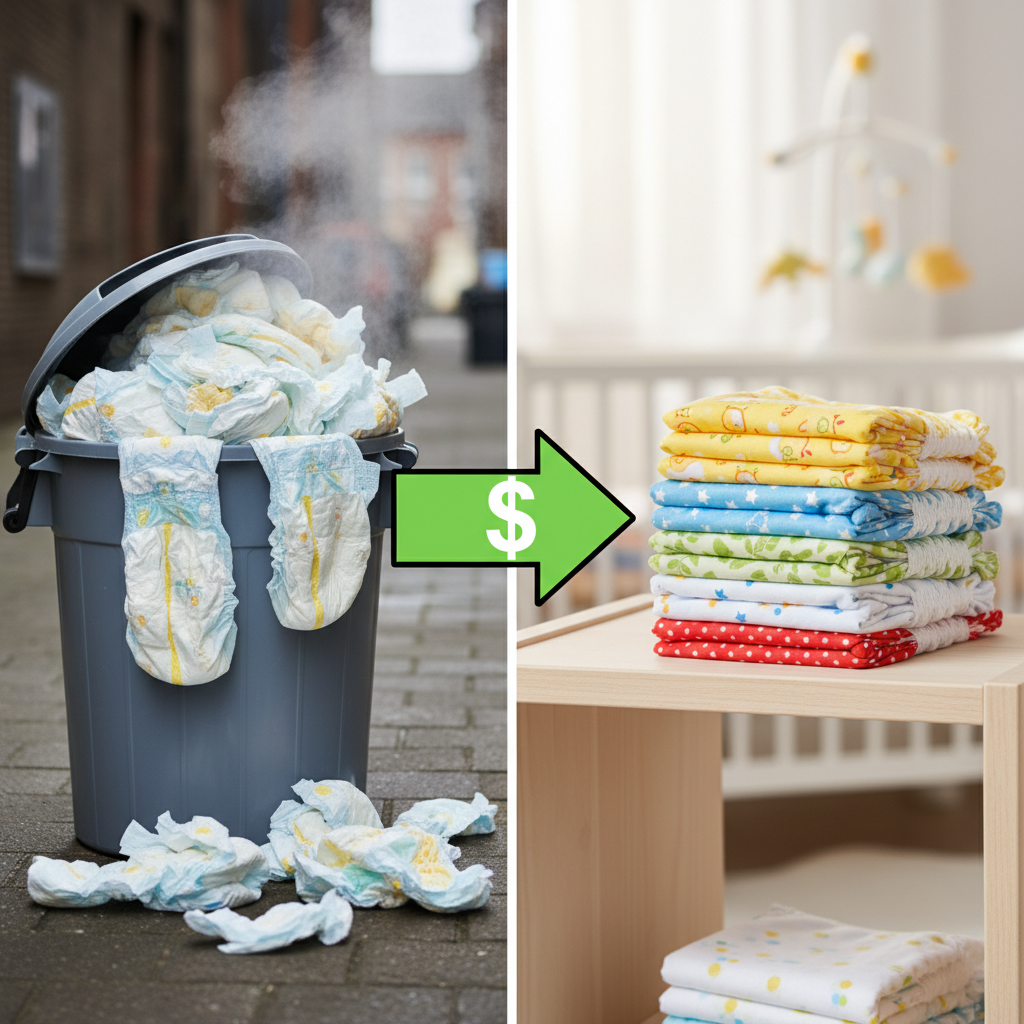
Let’s cut the fluff and get straight to the numbers. The baby industry has done a great job convincing you that convenience is worth any price. But when you see the math, you’ll realize you’re paying a premium for trash. A typical baby uses 8-12 diapers a day in the first year, and around 6-8 after that. Over 2.5 years, that’s roughly 7,500 diapers. At an average of $0.35 per diaper, you’re looking at a staggering cost. And that doesn’t even include wipes, creams, and special diaper pails.
Now, let’s compare that to the one-time investment of cloth. Even if you go for a brand-new, top-of-the-line stash, your costs are a fraction of the disposable trap. The real win? You can use that same stash for your next kid, pushing your savings into the stratosphere. Don’t believe it? Just look at the breakdown.
| Item/Category | Disposable Diapers (Cost for 2.5 Years) | Cloth Diapers (One-Time Cost) |
|---|---|---|
| Diapers | $2,625 (at $0.35/diaper) | $450 (for a full stash of 24-30 diapers) |
| Wipes | $500 (disposable wipes) | $30 (for a set of reusable cloth wipes) |
| Diaper Pail / Bags | $200 (special pail + refills) | $40 (2 waterproof pail liners) |
| TOTAL COST | $3,325 | $520 |
| TOTAL SAVINGS | ~$2,805 | |
Seeing that $2,805 difference should be your wake-up call. That’s real money you can use to build wealth, not landfills. And this table is for just one child. Imagine the savings with two or three kids. It becomes a five-figure financial decision.
Decoding the Diaper Lingo: Your No-BS Glossary
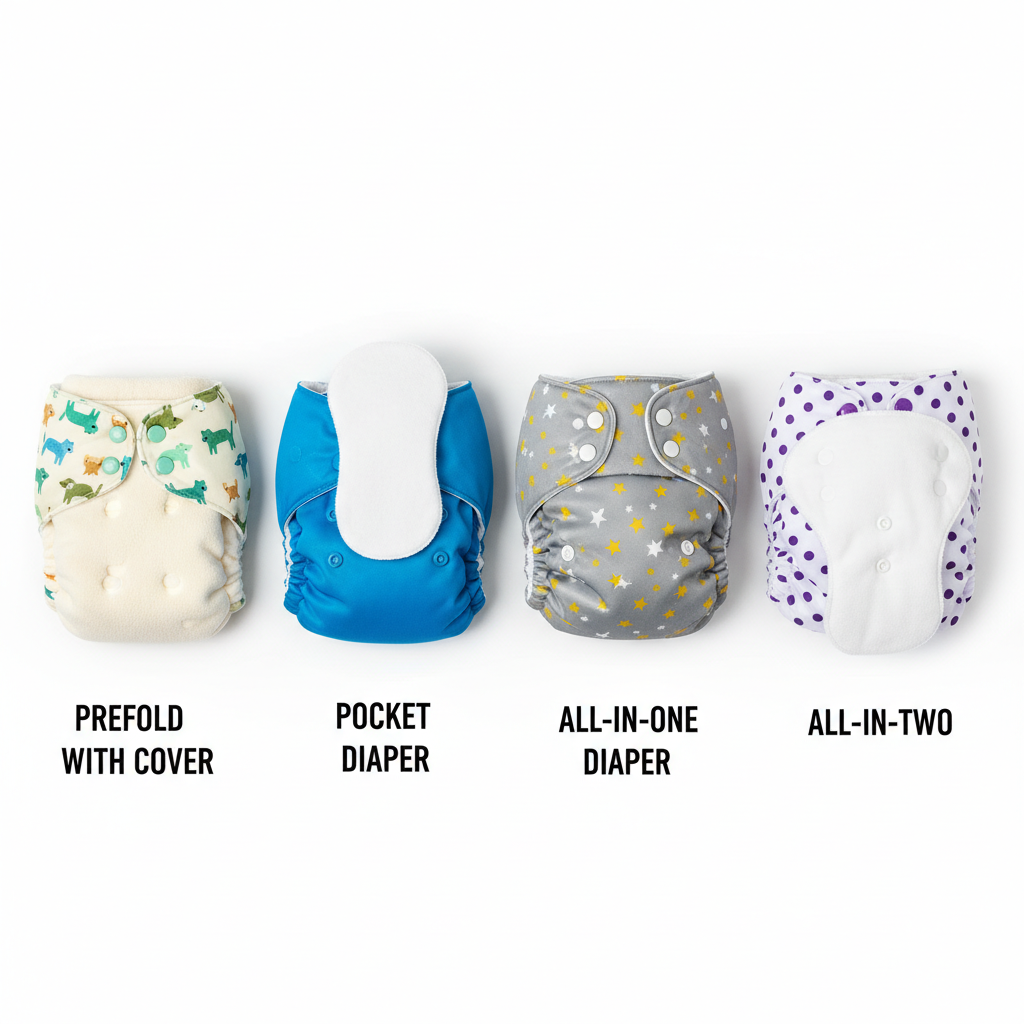
Jumping into the world of cloth can feel like learning a new language. AIO, PUL, prefold, snappi… it’s designed to be confusing. Forget the noise. Here’s a simple breakdown of the main players so you can talk the talk and, more importantly, buy the right gear without getting ripped off.
- Prefolds & Covers: This is the old-school budget king, but modernized. A prefold is a rectangular absorbent cotton pad. You fold it (it’s easy, relax) and place it in a waterproof cover. The Hack: You only need a few covers, which you can reuse all day. You just swap out the cheap prefolds. This is the absolute most cost-effective way to start.
- Pocket Diapers: This is a super popular option. It’s a waterproof shell with a stay-dry lining that has a ‘pocket’ opening. You stuff an absorbent insert (usually microfiber or bamboo) into the pocket. The Hack: They are easy to customize for absorbency—add an extra insert for nighttime. They’re also simple for daycare or grandparents to use.
- All-in-Ones (AIOs): These are the closest you’ll get to a disposable. The absorbent layers are sewn directly into the waterproof outer shell. It’s one single piece. The Hack: They are the pinnacle of convenience. No stuffing, no folding. The tradeoff? They are often the most expensive option and can take longer to dry.
- All-in-Twos (AI2s) / Hybrids: A middle ground. You have a waterproof shell and inserts that snap or lay inside. Like prefolds and covers, you can reuse the shell and just swap the insert. The Hack: Less laundry than AIOs, but often easier to assemble than prefolds. A great compromise between cost and convenience.
Don’t get paralyzed by choice. The smartest move is to buy a few different types secondhand to see what you and your baby prefer before you invest in a full stash.
Building Your Stash for Cheap: The Frugal Hacker’s Blueprint
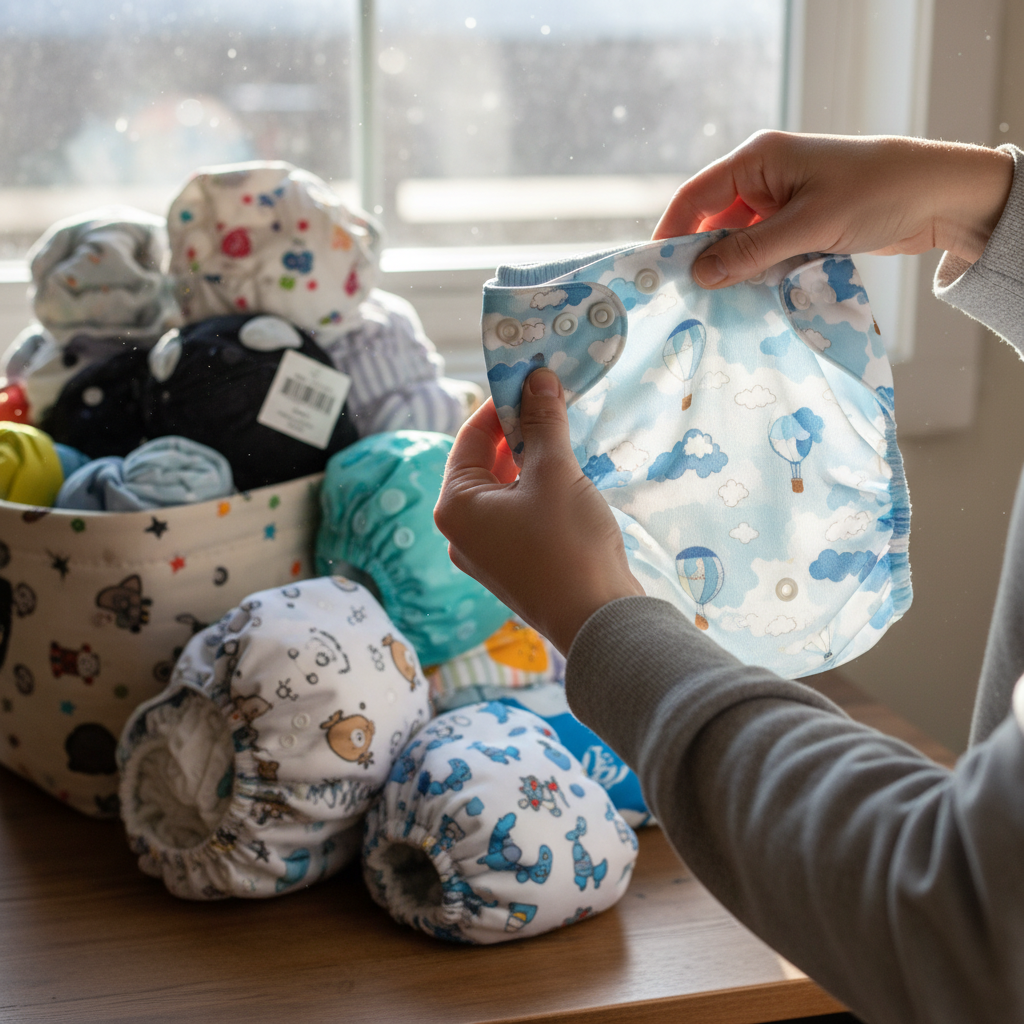
Now that you know the lingo, it’s time to build your arsenal without draining your bank account. The goal is to have enough diapers to wash every 2-3 days. For a newborn, that’s about 24-30 diapers. For an older baby, 18-24 is plenty.
New vs. Used: The Real Deal
Buying brand new diapers is an option, but a true frugal hacker knows the gold is in the secondhand market. Babies use diapers for a short time, and many parents sell nearly new stashes for pennies on the dollar. You can score a massive collection for $100-$200 that would have cost $600+ new.
- Where to Look: Facebook Marketplace is your number one spot. Search for ‘cloth diaper lot’. Also, check out dedicated Facebook groups like ‘Cloth Diaper BST’ (Buy Sell Trade). Don’t sleep on local consignment stores or mommy groups.
- What to Check: When buying used, you need to be a savvy inspector. You’re checking two things: the elastics and the PUL (the waterproof layer). Stretch the leg elastics. Are they snappy or loose and sad? Look at the shiny inside of the cover. Is it smooth or cracked and peeling (called ‘delamination’)?
Key Rule: Never buy a used stash with shot elastics or delaminated PUL. Relaxed elastics can be replaced if you’re crafty, but delamination means the diaper is no longer waterproof and is basically useless.
The Bare Minimum Stash
Don’t fall for the fancy gadgets. Here’s what you actually need to get started:
- Diapers: 24-30 of your chosen type. A mix is a great way to start.
- Wet Bags: Two large ones for the nursery (one for the pail, one for wash day) and two smaller ones for the diaper bag. This is non-negotiable for storing dirty diapers without stink.
- Cloth Wipes: A simple stack of 30-40 cheap baby washcloths works perfectly.
- Detergent: A strong, mainstream powder detergent without fabric softeners is your best friend. Don’t fall for expensive ‘cloth diaper’ detergents.
The Wash Routine That Doesn’t Suck: A Simple 4-Step System
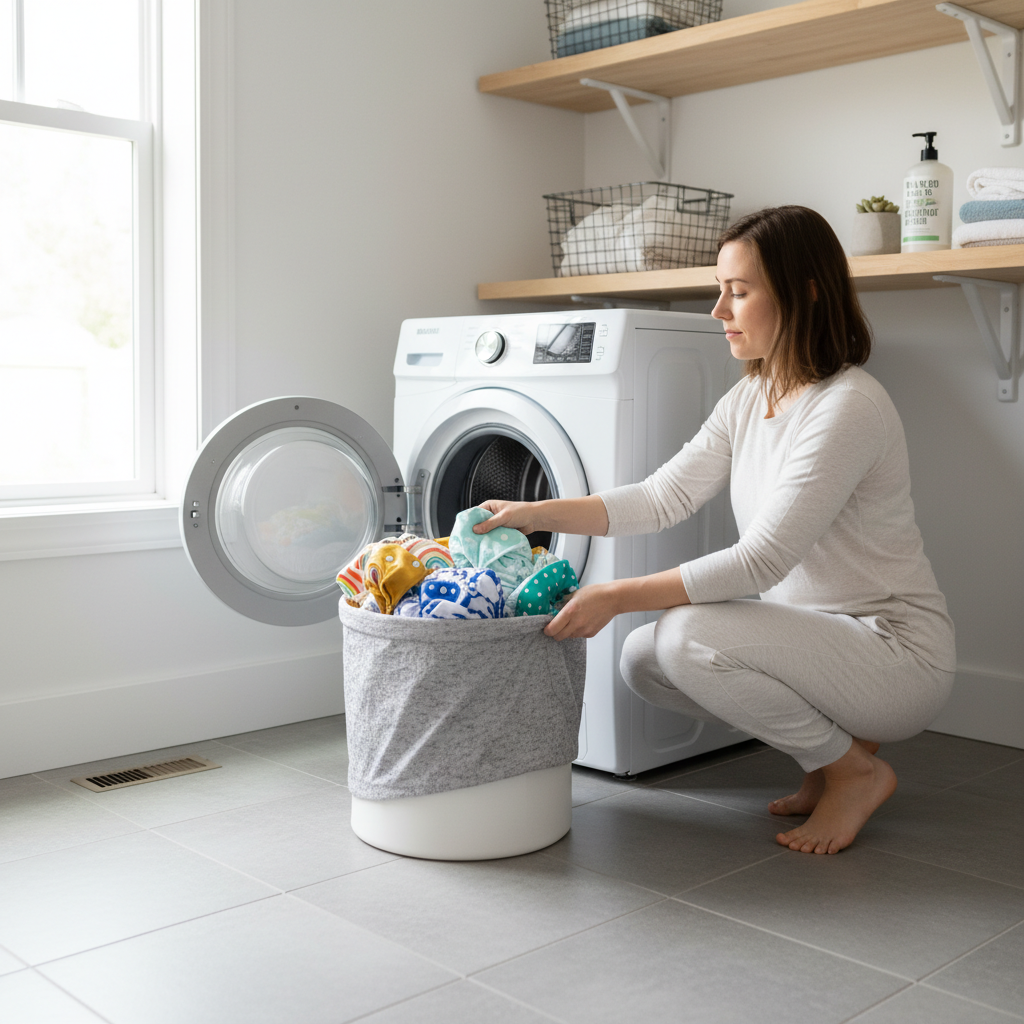
This is the part that scares everyone off, but it’s ridiculously simple once you have a system. You’re already doing laundry anyway; this just adds one extra load every 2-3 days. The goal is to get the diapers truly clean to avoid stink and rashes. Here is the foolproof, no-frills method that works for 99% of people.
- Step 1: The Pre-Wash. This is the most important step. Run a short, cold wash cycle with a small amount of detergent. This gets rid of the surface-level gunk before the main event. Don’t use hot water here, as it can set in stains.
- Step 2: The Main Wash. After the pre-wash, bulk up the load with other small items like baby clothes, socks, or washcloths until the machine is about 2/3 to 3/4 full. This ensures proper agitation. Run a long, heavy-duty hot wash cycle with the full recommended amount of a strong detergent. This is what actually gets the diapers clean.
- Step 3: The Optional Extra Rinse. If you have hard water or notice suds after the main wash, you might want to add an extra rinse. For most people, this isn’t necessary if you’re using the right amount of detergent.
- Step 4: Dry ‘Em Up. Tumble dry your inserts and prefolds on low or medium heat. For your covers, pocket shells, and AIOs, it’s best to hang them to dry. The high heat can wear out the elastics and waterproof PUL over time. The sun is also a magic stain remover, so hanging them outside is a great free hack.
Scam Warning: Avoid ‘natural’ or ‘eco-friendly’ detergents that are mostly plant-based. They often aren’t strong enough to break down human waste and will lead to ammonia build-up (aka, the stinkies). Mainstream powder detergents like Tide Original Powder are the gold standard for a reason—they work and they’re cheap.
Conclusion
Making the switch from disposables to cloth is one of the most impactful financial decisions you can make for your young family. You’re not just saving a couple of bucks; you’re redirecting over $2,800 from the landfill back into your own pocket. That’s money that can crush debt, build investments, or fund family memories. You don’t have to be perfect. Even using cloth part-time saves you hundreds. Forget the myths and the marketing. You have the knowledge and the blueprint to make this work. You’re not just changing diapers; you’re taking control of your budget and building a more secure financial future, one savvy decision at a time. Now go get that money.