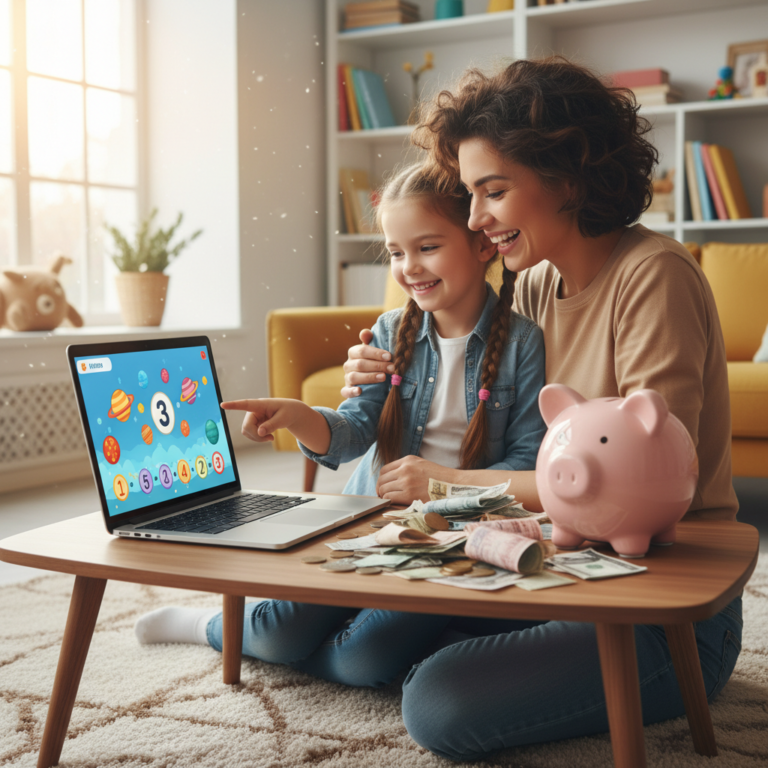


Let’s get real. The cost of traditional preschool is out of control, with some parents shelling out more than they pay for their mortgage. The pressure to give your kid a ‘head start’ can make you feel like you have to drain your savings account before they even learn to write their name. But that’s a myth sold to us by a system that profits from parental anxiety. The truth? You have everything you need to provide a top-tier, engaging, and effective preschool education right now, for $0. This isn’t about being cheap; it’s about being smart. This is your street-smart guide to ditching the tuition fees and unlocking a world of free, high-quality learning. Get ready to empower your child and your wallet.
The Sticker Shock: Why ‘Free’ is the Smartest Move

Before we dive into the ‘how,’ let’s talk about the ‘why.’ The numbers are staggering. We’re conditioned to think that a high price tag equals high quality, but when it comes to early childhood education, that’s just not the case. Your engagement, creativity, and resourcefulness are infinitely more valuable than a fancy classroom with a brand-name curriculum. The money you save isn’t just a nice little bonus; it’s life-changing. It’s money you can put toward your emergency fund, your retirement, your kid’s future college education, or simply reducing financial stress in your household.
Let’s break down the math. The average cost of full-time preschool in the United States can easily top $1,000 a month. That’s $12,000 a year. For two years of preschool? You’re looking at $24,000. That’s a reliable used car. A down payment on a house. A massive chunk of your financial freedom. By choosing the free homeschool route, you’re not just ‘saving money’—you’re making a massive investment in your family’s financial future.
| Expense Category | Average Traditional Preschool (Annual Cost) | Free Homeschool Preschool (Annual Cost) |
|---|---|---|
| Tuition | $12,000 | $0 |
| Registration & Application Fees | $150 | $0 |
| Supply Fees | $200 | $0 (using household items) |
| Transportation (Gas, etc.) | $500+ | $0 |
| Total Annual Savings | ~$12,850 |
Seeing it laid out like that is a gut check, right? That $12,850 is your money. You earned it. Why hand it over when you can achieve—and often exceed—the same educational goals for free? This is the ultimate frugal hack.
Your Free Curriculum Blueprint: The ‘Library & Life’ Method
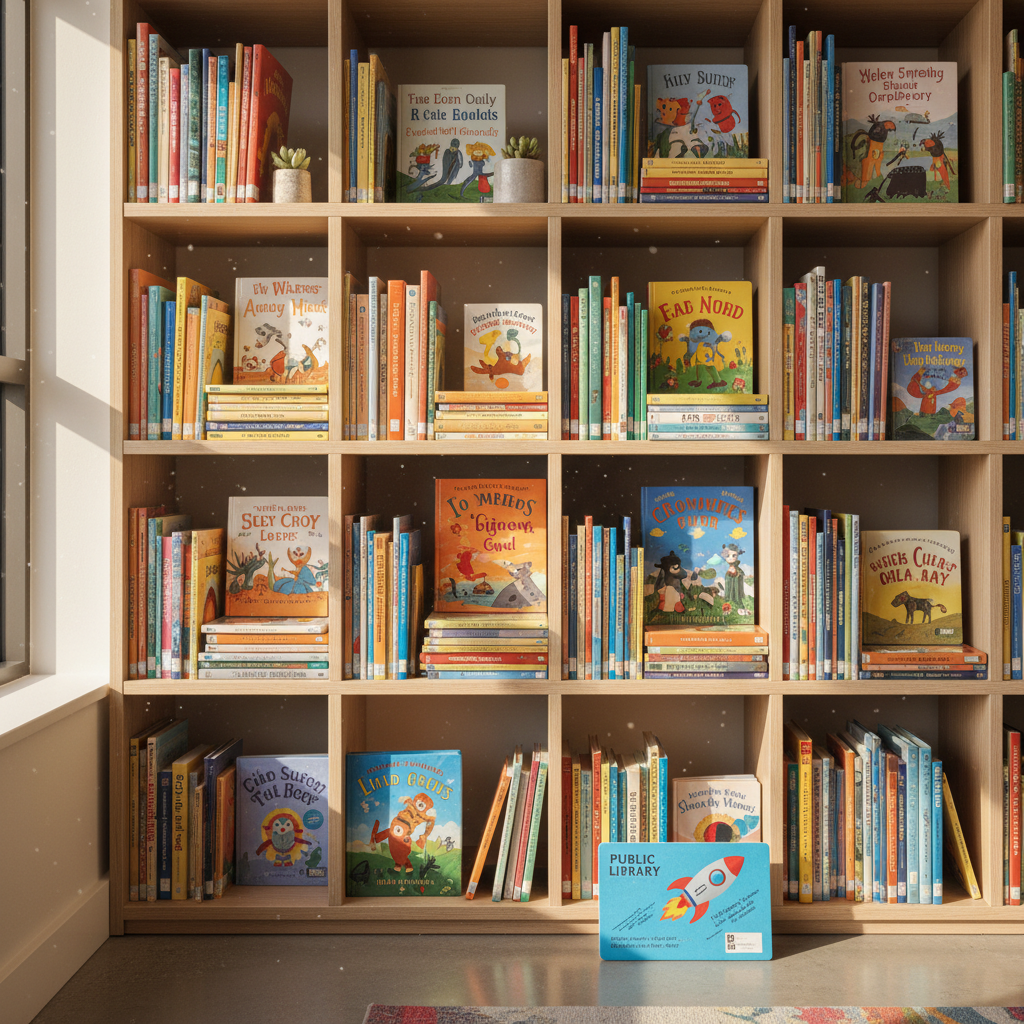
Forget the idea that you need to buy a glossy, shrink-wrapped curriculum box for $500. A curriculum is just a plan, and you’re about to build a better, more flexible, and completely free one. We call it the ‘Library & Life’ method. It’s built on two powerful, free pillars: your local public library and your everyday life.
The Library is Your Secret Weapon
Your library card is the only school supply you truly need. It’s a golden ticket to a universe of resources that rivals any paid curriculum. Here’s how to leverage it:
- Books, Obviously: Borrow, don’t buy. You can explore a new theme every single week—dinosaurs, space, community helpers, seasons—without spending a cent. Reading to your child is the single most important activity for building literacy skills.
- Digital Resources: Most libraries offer free access to incredible apps and websites with your library card. Look for services like Kanopy Kids for educational shows, Hoopla for digital books and audiobooks, and TumbleBookLibrary for animated stories. It’s like having a paid subscription for free.
- Free Programs: Story time, puppet shows, craft sessions, and even music classes are standard offerings at most public libraries. These are fantastic for learning and—you guessed it—socialization. Put them on your weekly calendar.
Everyday Life is the Classroom
The most profound learning happens when it’s integrated into real life, not just confined to a workbook. Your home and your community are rich learning environments. Start seeing your daily routines through a new lens:
- In the Kitchen: Cooking and baking are science and math lessons. Let your preschooler help measure ingredients (counting, fractions), stir (motor skills), and observe how things change when heated (chemistry).
- Doing Laundry: Sorting clothes by color or family member is a practical math lesson in sorting and categorizing. Matching socks is a great puzzle for visual discrimination.
- At the Grocery Store: This is a goldmine. Talk about colors and shapes in the produce section, count apples as you put them in the bag, and have them find letters on signs.
- In the Garden or on a Walk: Observe insects, talk about the weather, collect different types of leaves, and count the number of dogs you see. This is hands-on science and observation.
By combining the endless literary and digital resources of the library with the practical, hands-on lessons of daily life, you create a dynamic, engaging, and completely free curriculum that is tailored perfectly to your child’s interests.
The Ultimate Free Resource Stash: Websites, Apps & Printables
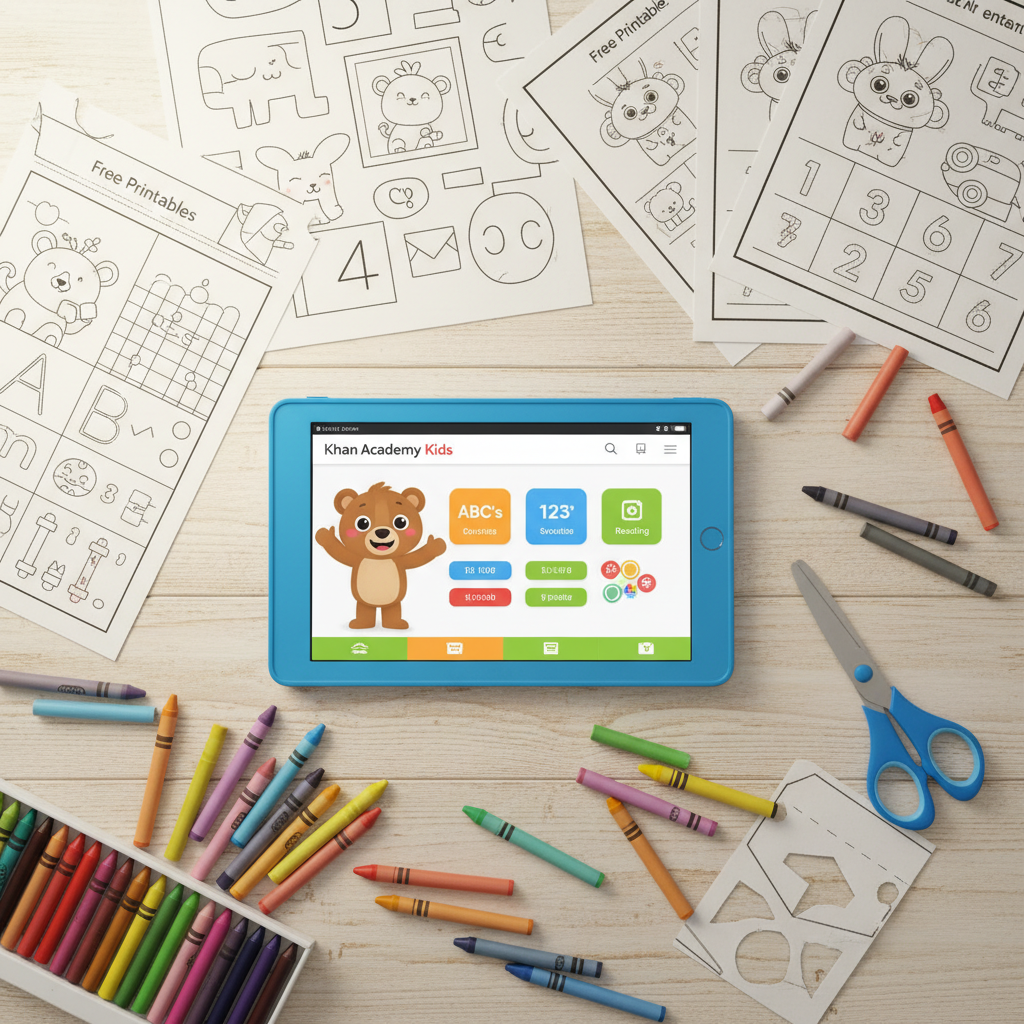
The internet is your best friend on this journey, but it can be overwhelming. Don’t fall down a rabbit hole of endless scrolling. Stick to a few high-quality, proven, and 100% free resources. These are the heavy hitters that will supplement your Library & Life curriculum without ever asking for a credit card.
Top-Tier Free Digital Tools:
- Khan Academy Kids: This is the gold standard of free learning apps. It’s a comprehensive, personalized program covering reading, writing, math, and social-emotional skills. It’s ad-free and was developed by experts at Stanford. Seriously, download it now.
- PBS Kids: The website and the companion PBS Kids Games app are phenomenal. Your child can learn with their favorite characters like Daniel Tiger and the Wild Kratts. It’s all play-based learning that feels like fun, not work.
- Starfall.com: A classic for a reason. The free version of Starfall is excellent for teaching letter sounds and basic reading through simple games and activities. It’s a fantastic phonics foundation.
Your Go-To for Free Printables & Activities:
Sometimes you just need a simple worksheet or a hands-on activity idea. These bloggers are parents in the trenches who offer tons of amazing resources for free.
- This Reading Mama: An incredible resource for free reading and phonics printables. From letter-of-the-week packs to emergent readers, she has everything you need to support literacy.
- Busy Toddler: Susie Allison is a genius at creating simple, low-prep activities using things you already have at home. Her motto is ‘making it to naps,’ and her ideas are lifesavers for filling the day with meaningful play.
- Frugal Fun for Boys and Girls: Don’t let the name fool you; the activities are great for all kids. It’s a fantastic source for LEGO building ideas, STEM challenges, and simple science experiments.
Your strategy is simple: bookmark these sites, download the apps, and resist the urge to look for anything else. Quality over quantity. This curated stash is all you need to round out your free homeschool preschool.
Building Your Weekly ‘Lesson Plan’ Without Losing Your Mind
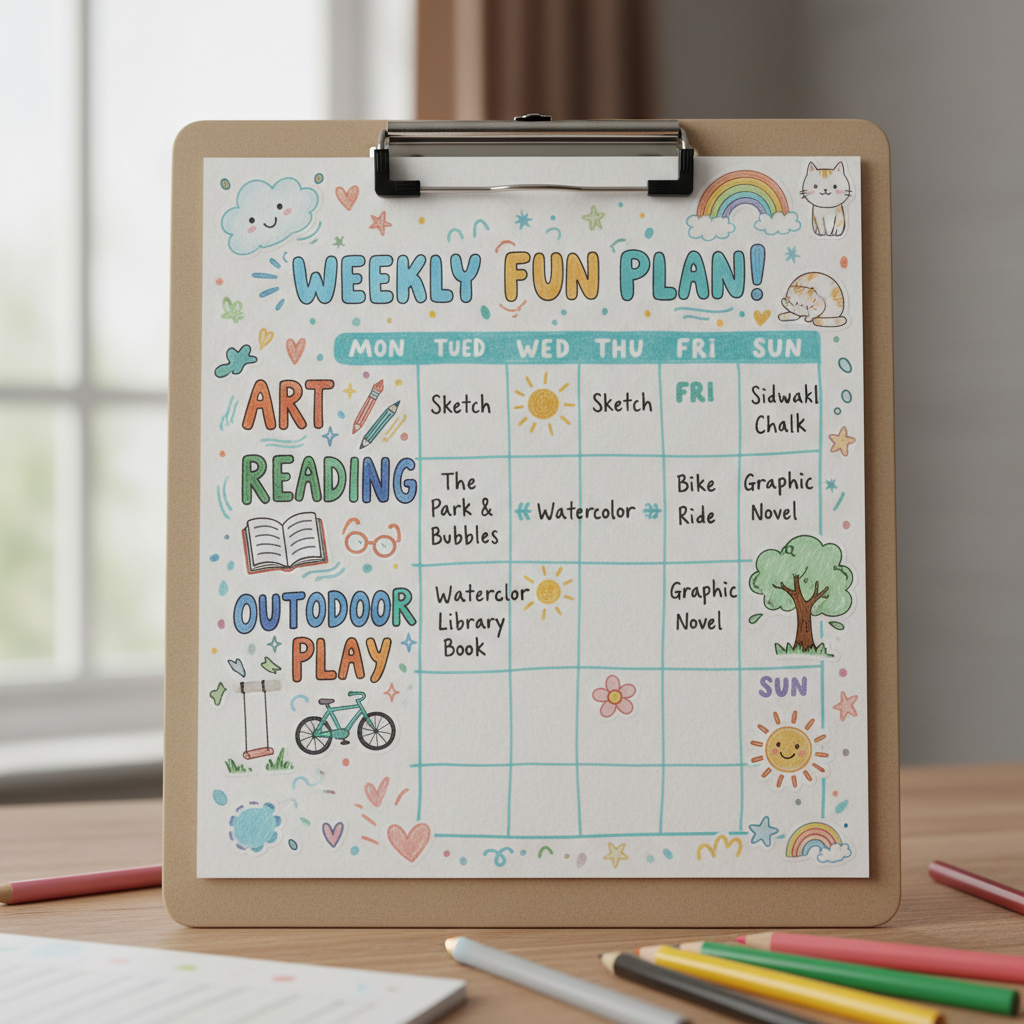
Okay, let’s get practical. You have your resources, now how do you structure your day? The key is flexibility. You are not running a military academy. The goal is a gentle rhythm, not a rigid schedule. A simple themed approach works best for this age group.
Pick a theme for the week (e.g., Bugs, The Farm, Transportation, My Body). Then, loosely plan a few activities around that theme. Here’s what a sample week could look like:
- Monday (Literacy Focus): Trip to the library to get books about the week’s theme. Read them together. Do a simple letter-tracing printable related to the theme (e.g., ‘B’ for Bugs).
- Tuesday (Math Focus): Go on a ‘bug hunt’ in the backyard and count how many you find. Sort plastic toy bugs by color or size. Make patterns with bug stickers.
- Wednesday (Art & Sensory Focus): Make a ‘caterpillar’ out of an egg carton and paint it. Play with a sensory bin filled with dirt, rocks, and plastic bugs. Use Play-Doh to make snails and worms.
- Thursday (Science & Gross Motor Focus): Watch a short video on the life cycle of a butterfly. Talk about how different bugs move. Wiggle like a worm, jump like a grasshopper, and fly like a bee around the living room.
- Friday (Field Trip & Free Play): Visit a local park with a pond to look for water bugs. Pack a picnic. Spend the rest of the day on unstructured free play, letting your child’s imagination lead the way.
See? It’s simple. It’s a mix of quiet activities, active play, and real-world exploration. You don’t need to plan every minute. Aim for one or two ‘planned’ activities a day and let the rest be child-led play, which is arguably the most important work of early childhood.
The Social Question: Busting the ‘Socialization’ Myth
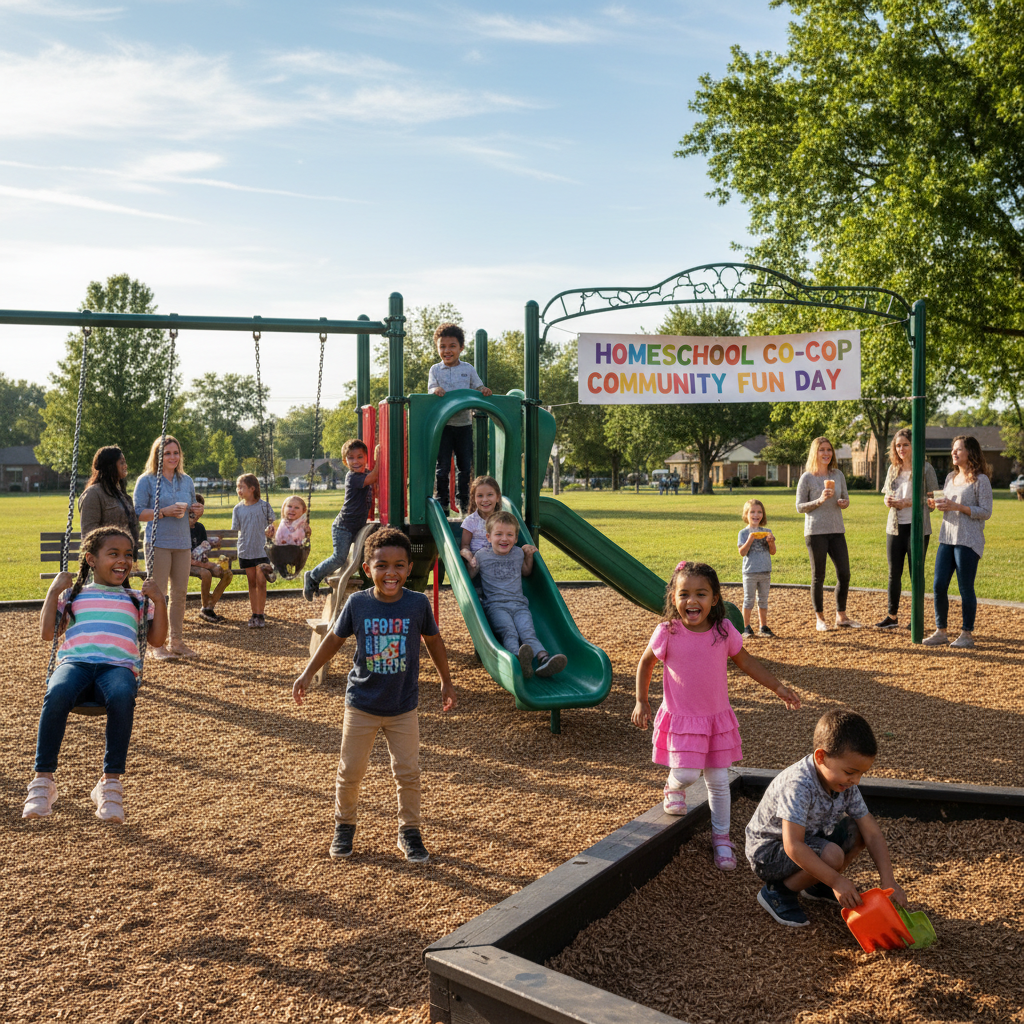
The number one criticism you will hear is, ‘But what about socialization?’ Let’s shut that down right now. The idea that the only way for a child to learn social skills is in a room with 20 other three-year-olds is absurd. In fact, you can provide more diverse and realistic social experiences than a traditional preschool can.
The goal is socialization, not institutionalization. Your child needs to learn how to interact with people of all ages in various settings, not just with same-age peers in a classroom.
Here is your free socialization action plan:
- Library Story Time: We’ve said it before, and we’ll say it again. It’s a structured group setting with a leader, where kids practice listening skills, sitting still (for short periods), and being around other children.
- The Public Park: This is the ultimate social skills laboratory. Kids have to learn to share, take turns, navigate conflicts over the slide, and initiate play with new friends. It’s real-world, unscripted social practice.
- Arrange Playdates: Connect with other parents in your neighborhood, from the library, or in local online parent groups. One-on-one or small-group play is fantastic for developing deeper friendship skills.
- Community Events: Check your town’s calendar for free concerts in the park, farmers’ markets, or local festivals. These expose your child to a wide range of people and community engagement.
Homeschooled preschoolers aren’t isolated; they’re integrated into the real world. You are not just their teacher; you are their guide to the community. You have the power to provide rich, varied, and meaningful social interactions that build confidence and real-world social intelligence.
Conclusion
You now have the complete blueprint. Homeschooling preschool for free isn’t a lesser option; it’s a smarter one. It’s a conscious choice to reject outrageous costs and create a customized, loving, and effective learning environment for your child. You have the resources, you have the strategy, and you have the ability. You’re not just saving over $12,000 a year; you’re gaining priceless time with your child and building a foundation for a lifelong love of learning. Ditch the doubt, embrace your resourcefulness, and get started. You’ve got this.


Makenzie is the founder and lead writer at MoneyHackTips.com — a personal finance blog dedicated to delivering street-smart financial wisdom for real people on real budgets. With 300+ published articles covering everything from debt management to investing fundamentals, Makenzie’s mission is to make every dollar work harder. When not writing about money hacks, Makenzie is testing frugal living strategies, optimizing side hustles, and helping readers build financial freedom from scratch.