
7 Secret Styling Tricks To Look Rich While Being Broke
Let’s get one thing straight: looking rich and being rich are two completely different ball games. You see people dripping in designer logos who are drowning in debt, and you see understated, effortlessly chic people who you just know have their finances on lock. The secret? It’s not about the price tag. It’s about strategy. It’s about playing the game smarter, not harder.
Forget the fantasy of a limitless credit card. The real power move is mastering the art of high-end style on a real-world budget. It’s about making your $20 thrift store find look like it just walked off the runway. This isn’t about faking it; it’s about being so savvy that you curate a wardrobe that screams quality, confidence, and class, all while your savings account keeps growing. We’re about to arm you with seven secret styling tricks that are your new playbook for looking like a million bucks, even if you’re working with pocket change. This is your official permission to look and feel expensive, no trust fund required.
Trick #1: Your Tailor is Your Secret Weapon
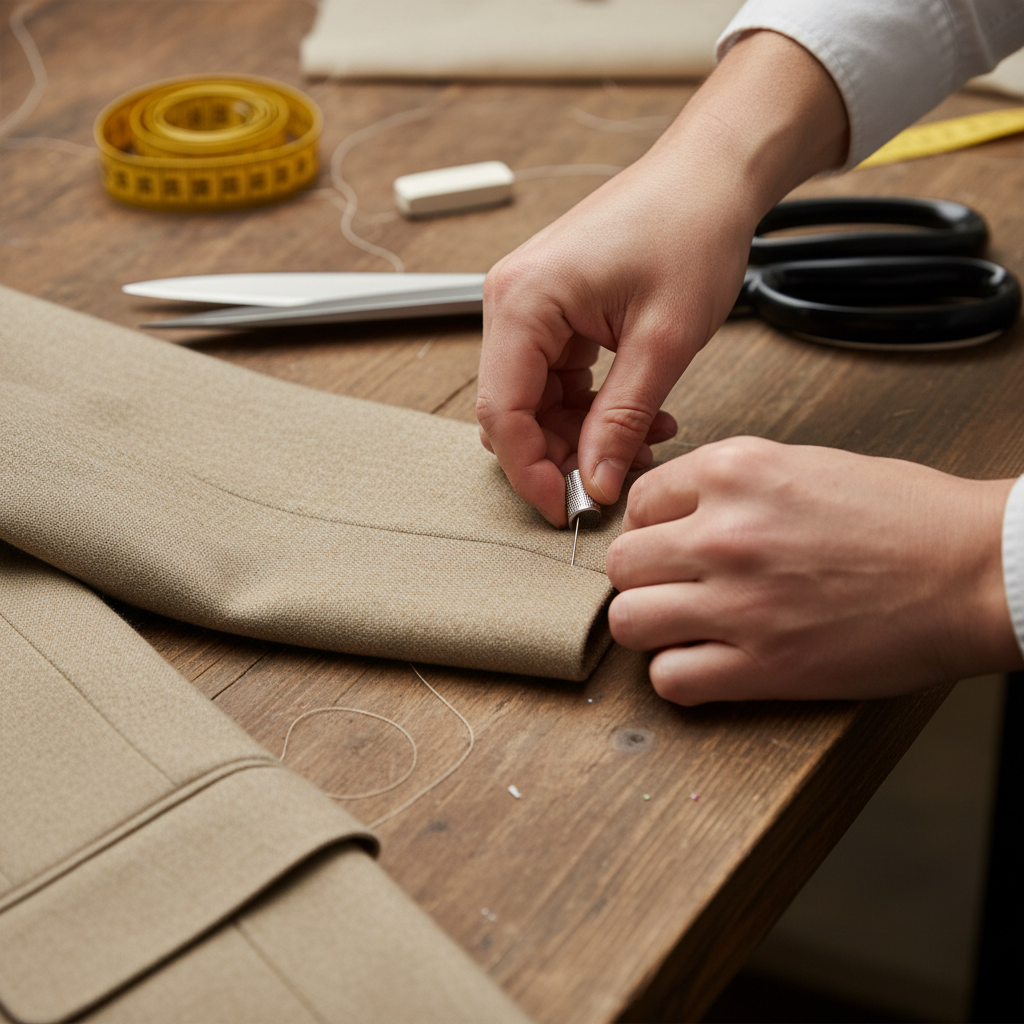
This is the number one rule, the holy grail, the secret handshake of people who look effortlessly expensive. Nothing, and I mean nothing, screams ‘cheap’ louder than an ill-fitting garment. A $500 blazer that’s too big in the shoulders looks sloppy. A $25 thrifted blazer that’s tailored to fit you like a glove? That looks priceless.
Fit is everything. It’s the difference between wearing a piece of clothing and owning the look. When clothes skim your body correctly, they create a clean, intentional silhouette. This is the foundation of looking put-together. You need to find a local tailor and make them your best friend. Often, the little shops inside your local dry cleaner are affordable and do fantastic work. We’re not talking about reconstructing a whole suit; we’re talking about simple, high-impact tweaks.
High-Impact, Low-Cost Alterations:
- Hemming pants or skirts: The perfect break at your shoe is a game-changer. Cost: $10-$20.
- Taking in the waist: Eliminates bunching from a belt and creates a custom-fit look. Cost: $15-$25.
- Shortening sleeves: Showing just a hint of wrist or a watch is a classic style move. Cost: $15-$25.
Think about it. You can score a fantastic wool coat at a thrift store for $30. The sleeves are a little long, the waist a bit boxy. You spend another $40 on tailoring. For a total of $70, you now have a coat that looks like it was custom-made for you—a piece that would easily retail for $400+. That’s not spending; that’s investing in your image.
Trick #2: Stick to a Killer Color Palette
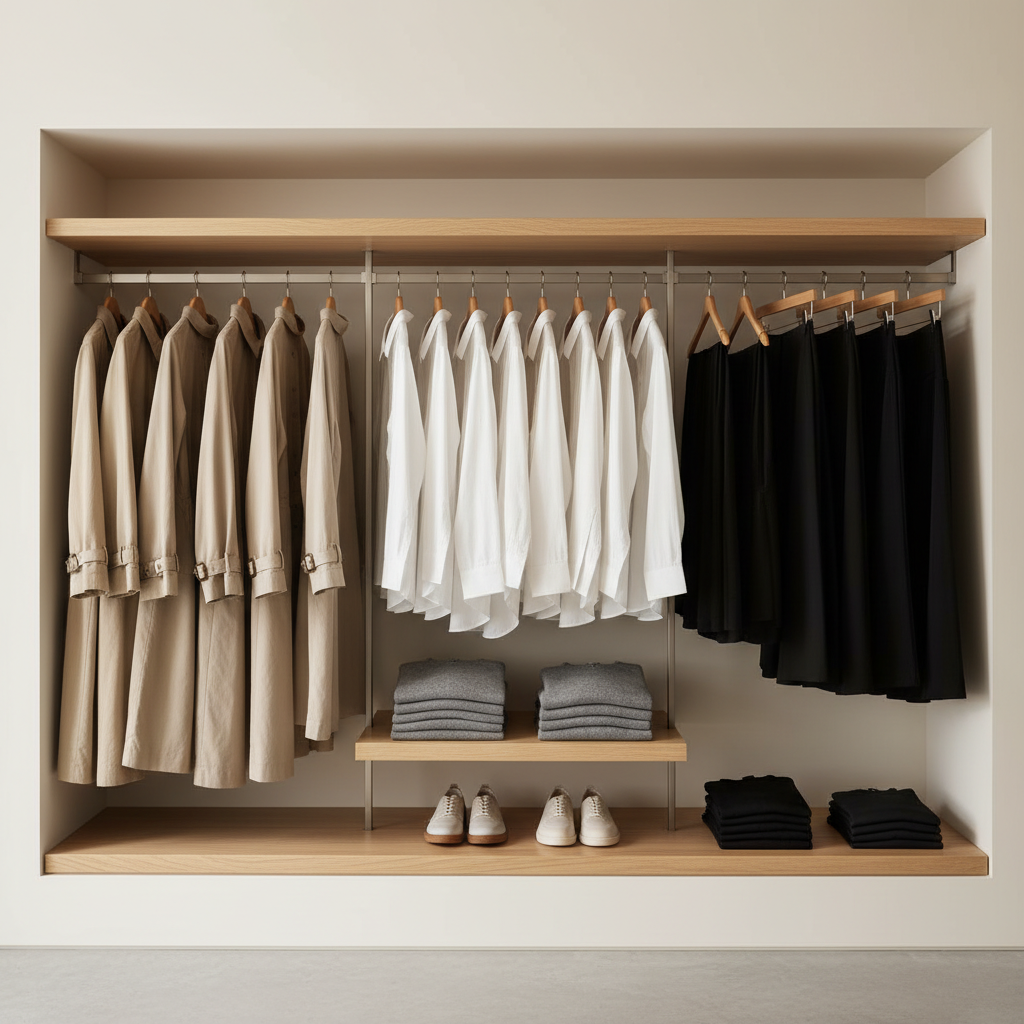
Ever wonder why some people always look so chic and coordinated? They’re not style geniuses with endless closets. They’re just disciplined. The secret is a curated color palette. When you stick to a core group of colors, everything you own magically works together. It makes getting dressed a no-brainer and instantly elevates your entire look.
The most foolproof strategy is to build your wardrobe around neutrals. We’re talking black, white, cream, beige, navy, grey, and olive. These colors are timeless, they always look sophisticated, and they are incredibly easy to mix and match. A monochromatic outfit (all one color, like all-black or all-cream) is the fastest way to look expensive and intentional.
The Street-Smart Color Rules:
- Build a Neutral Base: At least 70% of your wardrobe—your coats, trousers, quality knits, and blazers—should be in these core neutral colors.
- The Three-Color Rule: For any given outfit, try not to wear more than three colors at once. For example: navy trousers, a white shirt, and a camel coat. It’s a simple formula that always looks polished.
- Use Accent Colors Wisely: This doesn’t mean you have to dress like a minimalist ghost. You can absolutely bring in pops of color. The key is to do it with your less expensive items—a silk scarf, a handbag, or a t-shirt. It’s much easier and cheaper to swap out a trendy-colored top than a whole coat.
By sticking to this system, you create a wardrobe that looks like a cohesive collection, not a random jumble of impulse buys. It projects an image of someone who is deliberate and has a strong sense of personal style—two hallmarks of a luxury aesthetic.
Trick #3: Become a Fabric Connoisseur
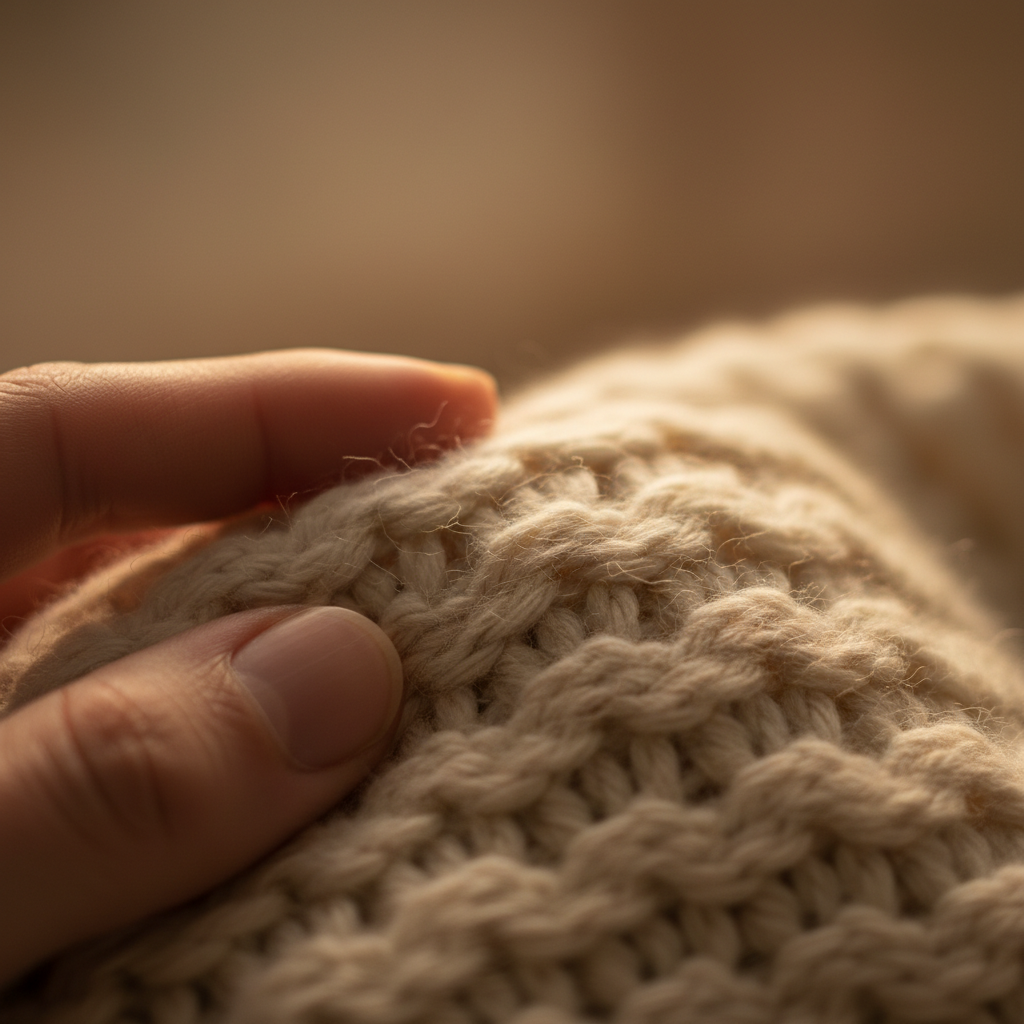
This is where you separate the amateurs from the pros. You can have a perfectly tailored, neutral-colored outfit, but if it’s made of cheap, flimsy fabric, the whole illusion shatters. Learning to identify quality materials is a skill that will pay you back tenfold. Natural fibers are almost always the better choice. They hang better, they last longer, and they feel more luxurious against your skin.
You need to become a label-reader. Before you even try something on, flip it inside out and check the tag. Even at fast-fashion stores, you can sometimes find hidden gems made of 100% cotton or a wool blend. This is your treasure hunt. Train your hands to feel the difference between a cheap, static-prone polyester and a breathable, substantial cotton. This knowledge is your superpower in a thrift store.
| Invest In (Even on a Budget) | Avoid At All Costs |
|---|---|
| Cotton: Breathable, durable, and versatile. Look for 100% cotton in shirts and jeans. | Acrylic: Pills like crazy after a few wears and looks cheap and fuzzy fast. |
| Linen: The epitome of summer luxury. It wrinkles, but that’s part of its charm. | Rayon (most types): Can look cheap and shiny, wrinkles easily, and often requires dry cleaning. |
| Wool: Incredibly durable and warm. A thrifted wool coat is a frugal jackpot. | Cheap Polyester: Can look shiny, traps sweat, and holds onto odors. |
| Silk: The ultimate luxury fabric. Look for silk blouses or scarves on consignment. | Nylon Blends (in sweaters): Often a sign of a low-quality knit that won’t hold its shape. |
Don’t be fooled by a brand name. A 100% cotton shirt from a budget brand will almost always look better and last longer than a 100% acrylic sweater from a mid-range designer. Focus on the material, not the marketing.
Trick #4: The One-Piece Investment Strategy
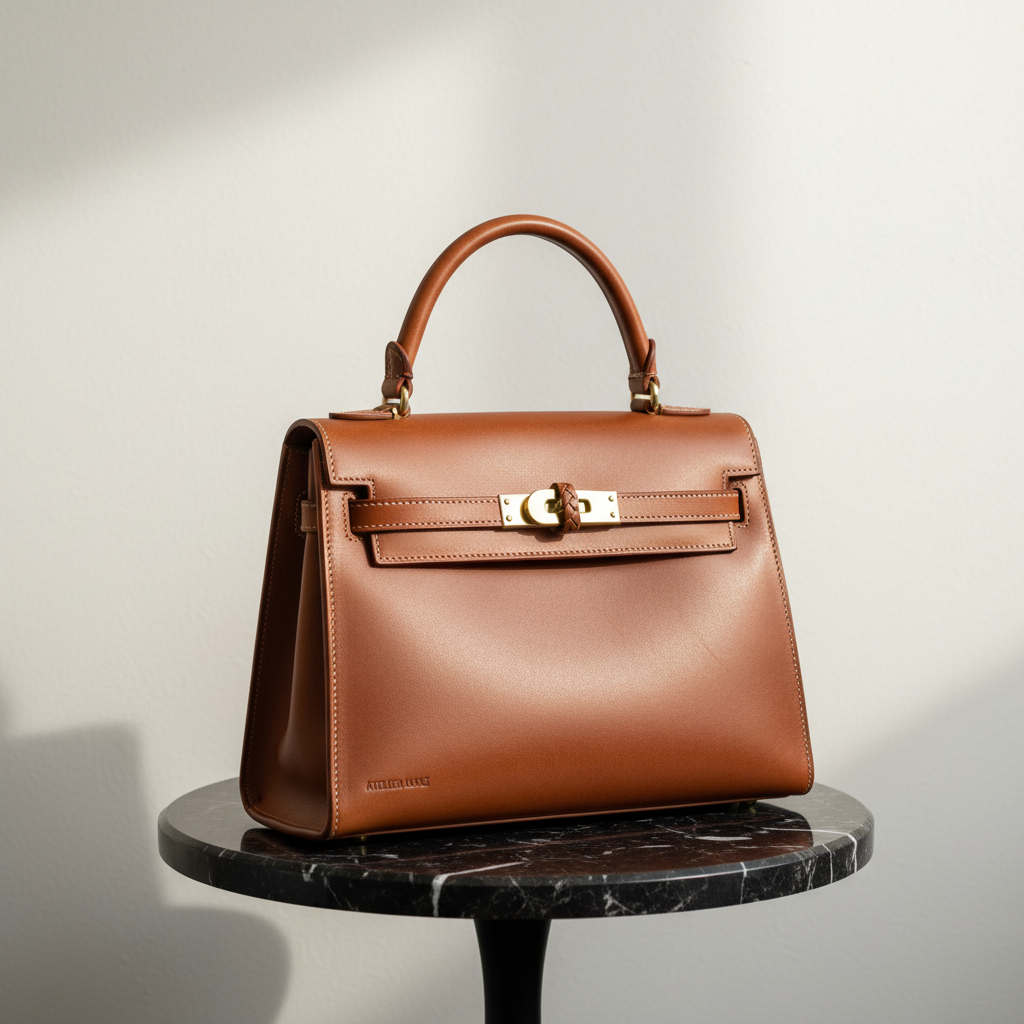
Okay, stay with me here. Even on a tight budget, sometimes you need to spend a little more to save a lot more. This is about being strategic with your splurges. Instead of spreading your money thin across a bunch of cheap, trendy items that will fall apart, you concentrate your funds on one or two ‘hero’ pieces that elevate everything else you own.
The key is to apply the ‘Cost-Per-Wear’ (CPW) formula. It’s simple math:
CPW = Total Cost of Item / Number of Times You Wear It
Let’s break it down. A cheap, trendy $40 handbag falls apart after one season, and you wear it 20 times. Its CPW is $2.00. A classic, well-made leather (or high-quality vegan leather) bag costs $250, but you wear it 500 times over the next five years. Its CPW is just $0.50. The more expensive bag is actually four times cheaper in the long run, and it makes you look more polished every single time you wear it.
Where to Focus Your ‘Investment’ Funds:
- A Classic Handbag: A structured, unbranded bag in black, brown, or tan will instantly make your fast-fashion outfit look more expensive.
- An Outerwear Hero: A timeless trench coat, a classic wool peacoat, or a well-fitting moto jacket. This is the first and last thing people see.
- Quality Footwear: A pair of classic leather loafers, clean white sneakers, or elegant ankle boots. Scuffed, cheap shoes can ruin an entire look.
Shop for these items during sales or, even better, on consignment websites. You can get a high-quality, gently used piece for a fraction of the original price. This isn’t about buying designer; it’s about buying quality that lasts.
Trick #5: The Ultimate Free Accessory: Flawless Grooming
You could be wearing a couture gown, but if your nails are chipped, your hair is greasy, and your shoes are caked in mud, you won’t look rich. You’ll just look like you spilled something on a nice dress. Grooming is the single most important, and often cheapest, element of looking polished and expensive.
This isn’t about spending a fortune on salon treatments. It’s about meticulous, consistent self-care. It signals that you pay attention to the details, which is a core tenet of a luxury mindset. The best part? Most of it is free or costs very little.
The Non-Negotiable Grooming Checklist:
- Pristine Nails: They don’t have to be professionally manicured, but they must be clean, shaped, and uniform. A simple coat of clear or a tidy nude polish is far more elegant than chipped, bright red talons.
- Healthy Hair: Whatever your style, make sure it looks intentional. Keep it clean, trimmed (even if you do it yourself), and neat. A simple, sleek ponytail or a tidy bun can look incredibly chic.
- Polished Shoes: Keep your footwear clean. Scuffs can be buffed out, laces can be replaced, and a quick wipe-down can work wonders. It takes two minutes and makes a world of difference.
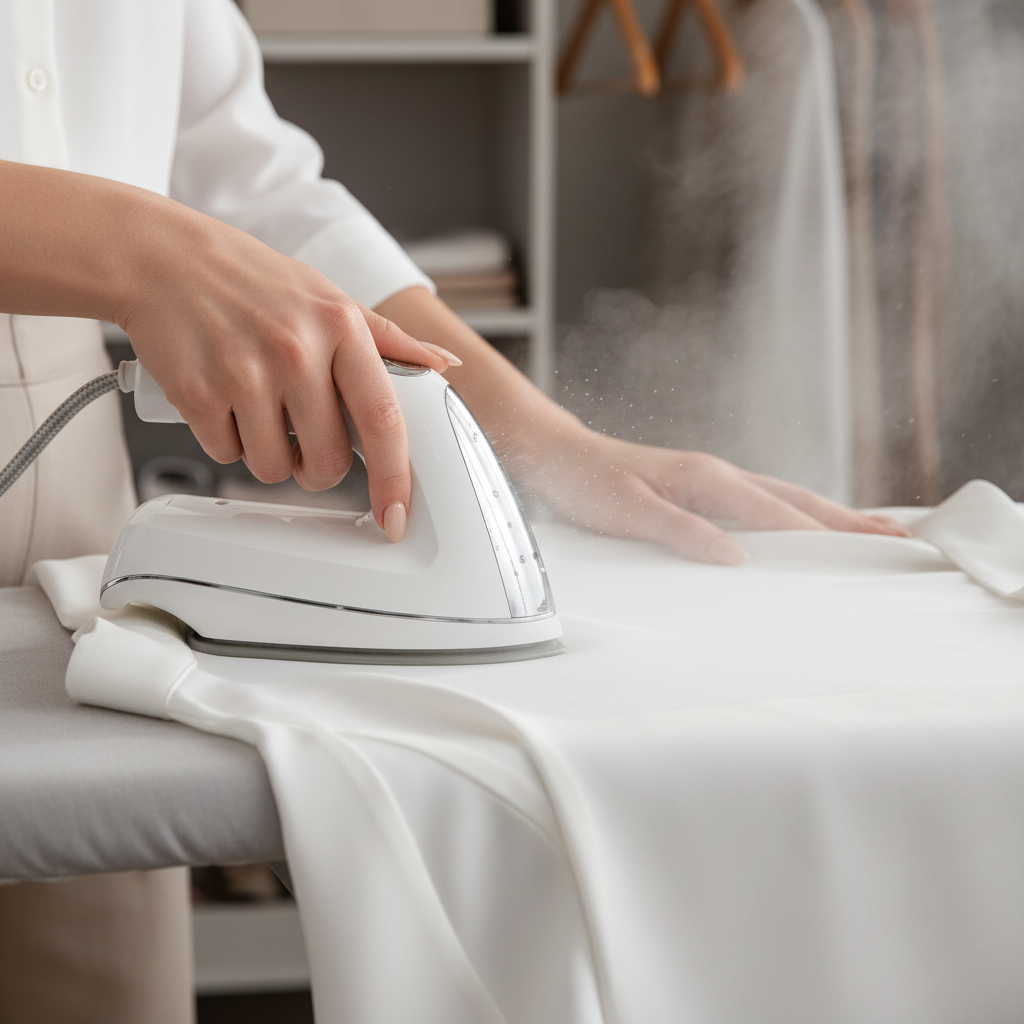
- Pressed Clothes: Wrinkles are the enemy. A cheap steamer is one of the best $25 investments you can make for your wardrobe. A crisp, steamed shirt looks ten times more expensive than a wrinkled one, regardless of the price.
- Good Posture: Stand up straight. It’s free and it communicates confidence and presence more than any piece of clothing ever could.
Think of grooming as the framework for your style. If the frame is solid, whatever you put inside it will look better.
Trick #6: Go Undercover – Ditch the Flashy Logos
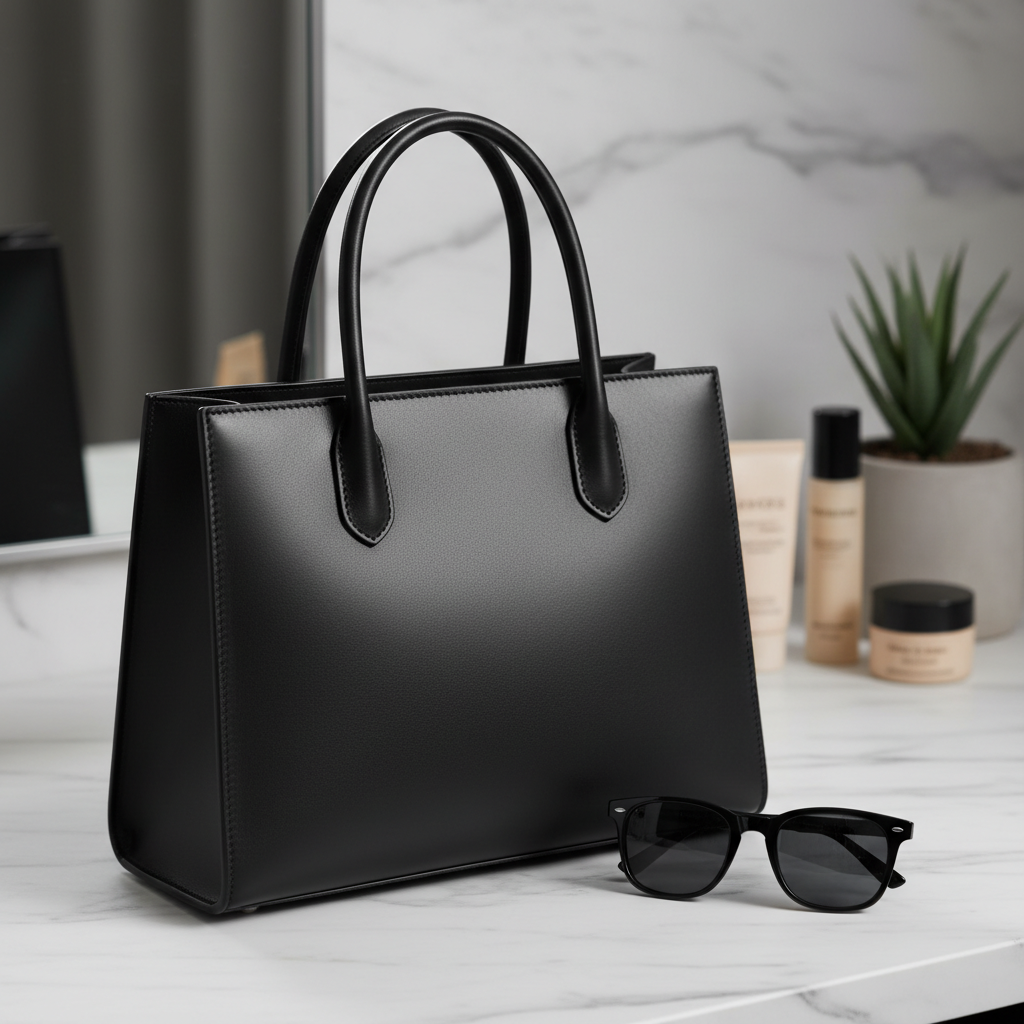
This might be the most counterintuitive trick, but it’s the one that truly separates the insiders from the outsiders. In the world of old money and true luxury, wealth whispers; it doesn’t scream. Gaudy, oversized, in-your-face logos are often seen as a sign of ‘new money’ or, worse, a desperate attempt to look wealthy. The real power play is ‘quiet luxury’ or ‘stealth wealth’.
The focus should be on the silhouette, the fabric, and the fit—not the brand name plastered across your chest. A beautifully structured, unbranded bag made of quality material looks infinitely more expensive than a canvas tote covered in a designer’s initials. The latter signals that you bought the brand; the former signals that you have impeccable taste.
The Key Rule: If people can identify the brand from across the street, you’re doing it wrong. The goal is for someone to think, ‘Wow, that coat is incredible. The quality is amazing,’ not, ‘Oh, that’s a [Insert Brand Name] coat.’
When you’re shopping, actively look for items without visible branding. This is actually a huge advantage for the budget-conscious shopper. You can find incredible, well-made items at thrift stores or budget retailers that rely solely on their design and quality to look good. You’re not paying a premium for a logo, you’re paying for the actual item. This mindset shift is crucial. You’re not buying an identity; you’re building one based on your own taste and intelligence.
Trick #7: The Digital Toolkit for High-End Thrifting

Alright, it’s time to use technology to your advantage. The internet has leveled the playing field, giving you access to high-quality and designer goods at a fraction of the price. You just need to know where to look and how to hustle. This is your digital toolkit for building a high-end wardrobe on a low-end budget.
Your Go-To Websites & Apps:
- The RealReal: An online luxury consignment store. It’s great for ‘investment’ pieces. Don’t just browse; use the filters. Search specifically for materials like ‘wool’ or ‘silk’ or for timeless brands known for quality, not trendiness. Set up saved searches for items you’re hunting for.
- Poshmark & Depop: These are peer-to-peer marketplaces. The trick here is to learn how to search. Instead of searching for ‘black bag,’ search for ‘black leather satchel.’ Be specific. Follow closets of people whose style you admire. Don’t be afraid to make a reasonable offer; haggling is part of the culture.
- Vestiaire Collective: Another high-end consignment shop, great for European brands. Prices can be higher, but the authentication process is solid. A great place to hunt for that one ‘hero’ coat or bag.
Browser Extensions & Hacks:
- Honey or Capital One Shopping: Before you buy anything online (even from consignment sites), use a browser extension that automatically searches for and applies coupon codes. It’s free money.
- Rakuten: A cashback service. You activate it before you shop at a partner store, and you get a percentage of your purchase back. Over a year, this can add up to a significant amount.
- Google Lens: See an expensive item you love on an influencer? Screenshot it and use Google Lens to find visually similar items. It’s a game-changer for finding affordable alternatives to high-end pieces.
Using these tools transforms you from a passive consumer into an active, strategic shopper. You’re not just buying what’s put in front of you; you’re hunting for quality and value like a pro.
Conclusion
Looking rich has almost nothing to do with how much money you have in the bank. It’s a skill set. It’s about having the right strategy and paying attention to the details that others miss. By focusing on impeccable fit, a smart color palette, quality fabrics, strategic investments, flawless grooming, understated style, and savvy shopping, you can build a wardrobe that looks and feels luxurious, all while staying firmly within your budget.
This is the ultimate financial hack. You’re not just saving money; you’re investing in yourself. You’re building confidence, projecting competence, and walking through the world feeling like the powerful, in-control person you are. So go ahead, use these tricks. Master them. Your style—and your savings account—will thank you for it.