7 Layout Hacks to Make Your Studio Apartment Feel Like a Mansion
Let’s be real: living in a studio apartment can feel like you’re playing a game of Tetris with your life, and you’re losing. Every square inch counts, and it’s easy to feel like you’re living in a cluttered shoebox, not a home. But here’s the raw truth: you don’t need a bigger budget or a new address to live large. You just need a smarter strategy.
Forget everything you think you know about small-space living. This isn’t about minimalist suffering or getting rid of everything you own. This is about tactical, street-smart design. It’s about manipulating space, light, and perception to make your studio work for you, not against you. We’re talking about creating a space that feels expansive, functional, and frankly, expensive—all without breaking the bank. Ready to turn your cramped quarters into a castle? Let’s get to work.
Hack #1: Master the Art of ‘Zoning’
Why it Works
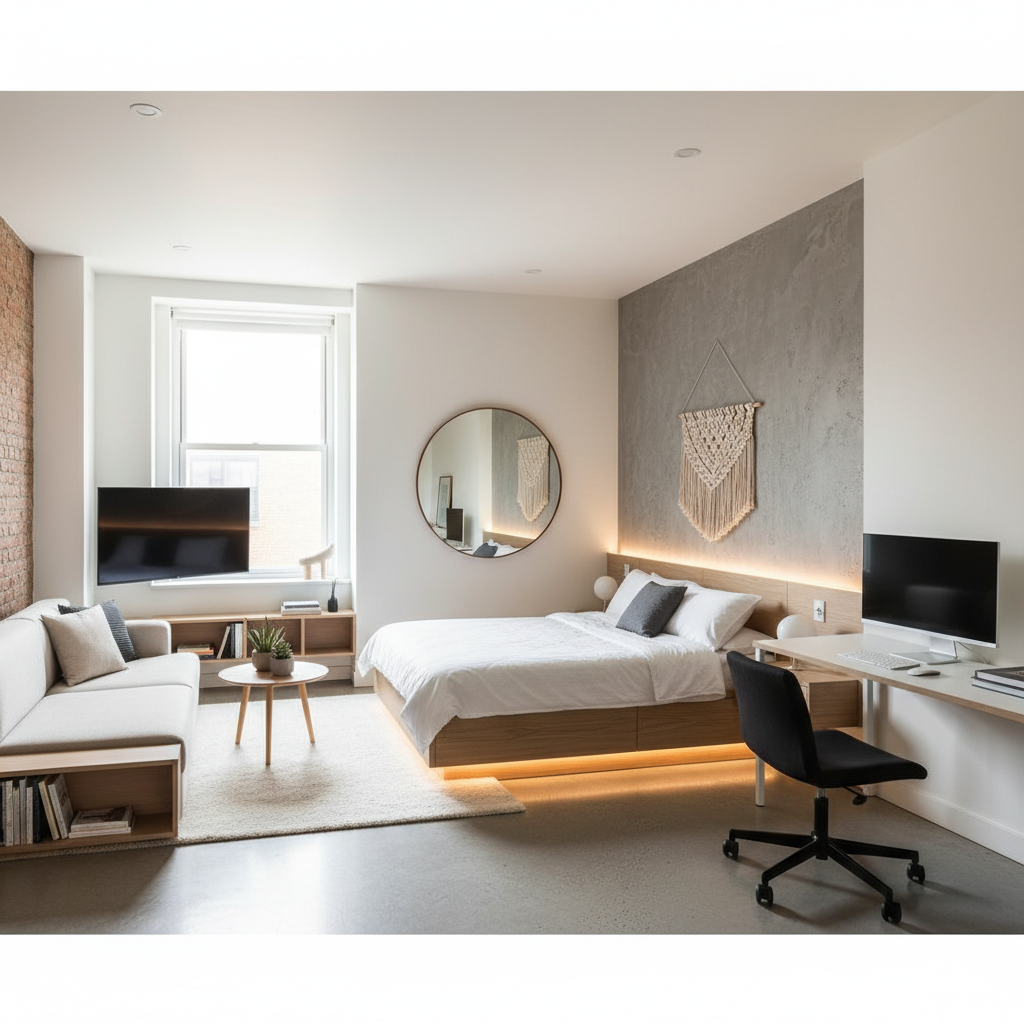
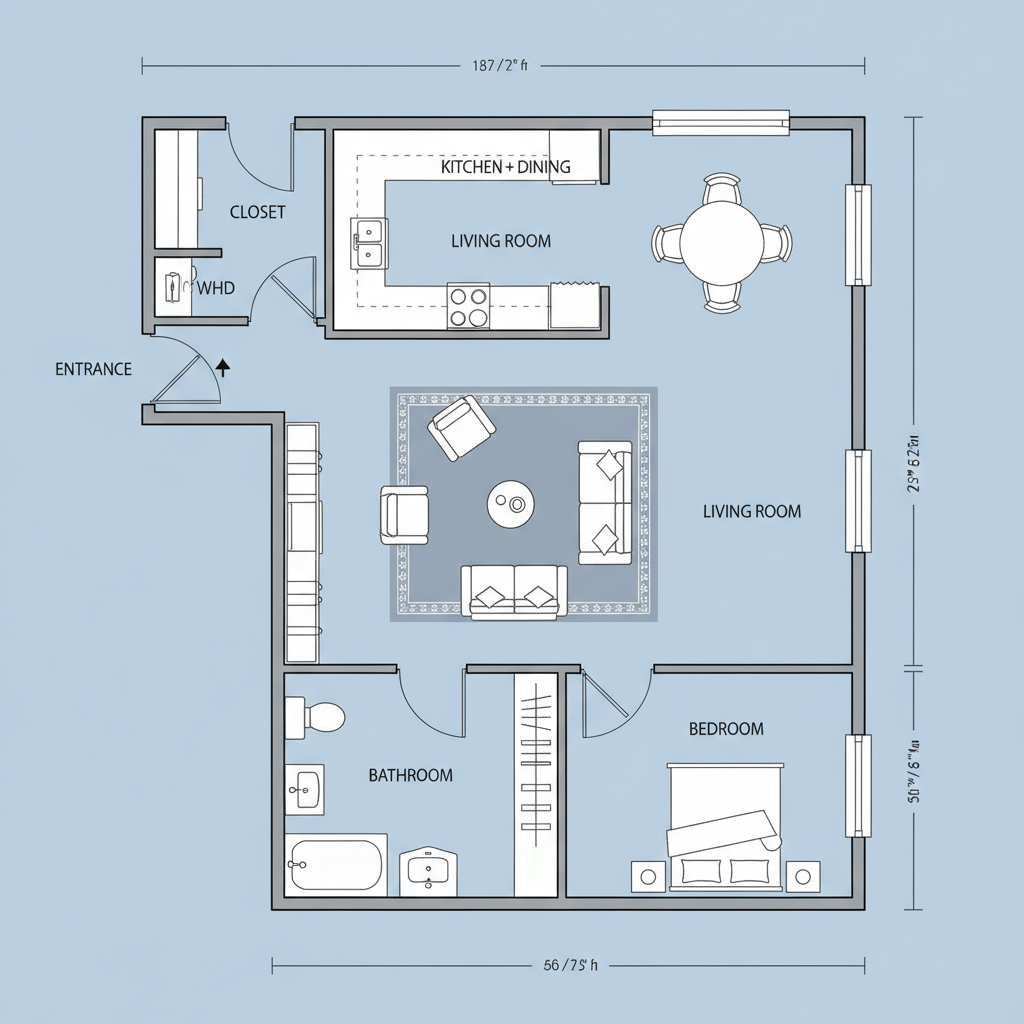
Your brain craves order. When your bed is three feet from your desk which is two feet from your kitchen counter, your entire apartment feels like one chaotic room with no purpose. This creates mental clutter and stress. ‘Zoning’ is the art of creating distinct, functional areas without building a single wall. You’re creating psychological borders that tell your brain, ‘This is where we relax,’ ‘This is where we work,’ and ‘This is where we sleep.’ This separation is the number one secret to making a studio feel like a legitimate one-bedroom apartment.
The Execution
This is all about using visual cues to carve up your space. You’re the architect here, and your tools are cheap but effective:
- Area Rugs Are Your Best Friend: The easiest way to define a ‘living room’ is to put a rug down and arrange your seating on it. It instantly anchors the space and separates it from the rest of the floor. Don’t go small—a tiny rug makes a room look smaller. You want at least the front legs of your sofa and chairs to be on the rug.
- Use Open Shelving as a Divider: A tall, backless bookshelf (think IKEA’s KALLAX, a frugal living icon) is the perfect room divider. It separates your sleeping area from your living area without blocking light or sightlines. It creates a sense of entry and separation while also giving you a massive amount of storage.
- Strategic Furniture Placement: Float your sofa. Instead of pushing it against a wall, pull it into the room to face the TV, with its back creating a natural ‘hallway’ behind it. This small move can completely change the flow and feel of your space.
Key Rule: Every ‘zone’ should have a clear purpose. Don’t let your work life bleed into your relaxation space. Create the boundaries, and your mind will thank you.
Hack #2: Think Vertical, Not Horizontal
Why it Works
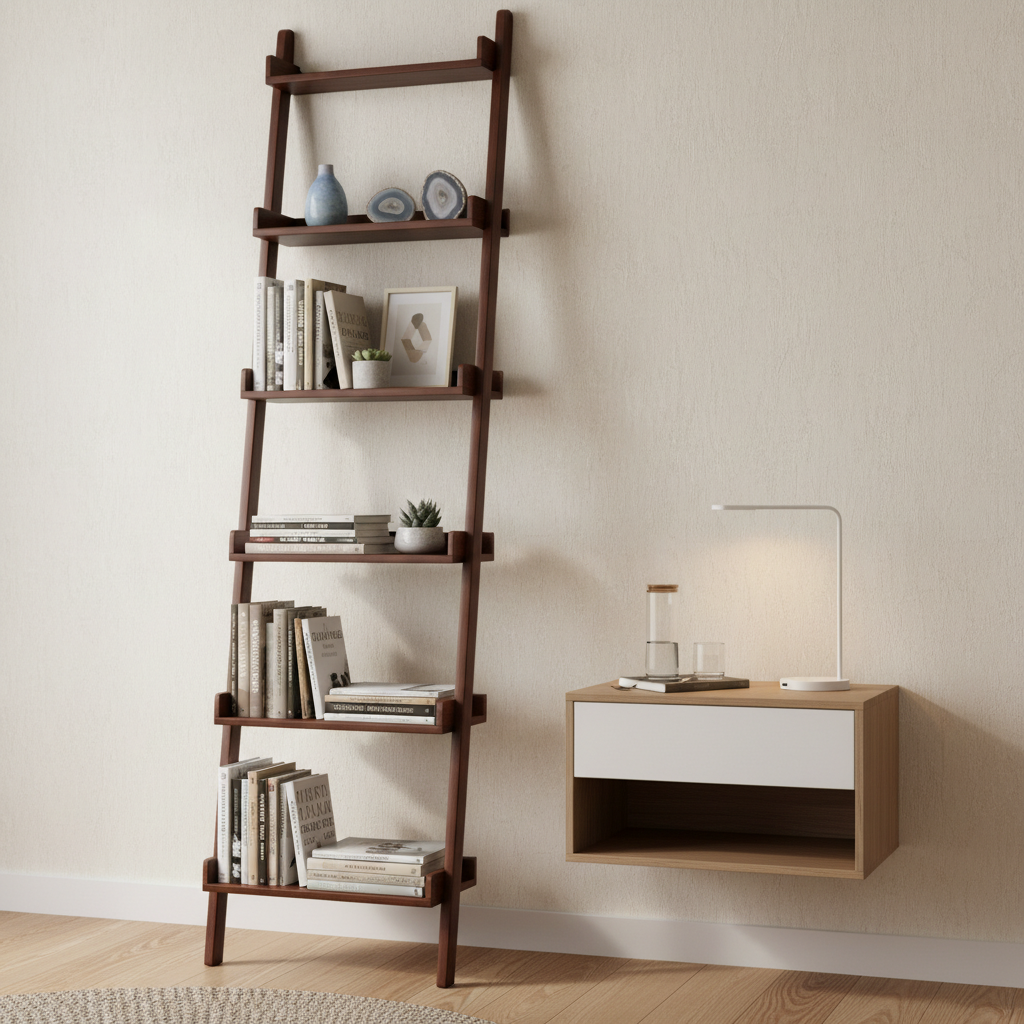
Most people waste the most valuable real estate in their apartment: the walls. We’re trained to think horizontally, buying wide dressers and sprawling media consoles that eat up precious floor space. The hack is to draw the eye upward. When you utilize vertical space, you not only create a ton of storage out of thin air, but you also create the illusion of higher ceilings and a larger room. It’s a simple trick of perception that has a massive impact.
The Execution
Your new mantra is ‘get it off the floor.’ Here’s how to claim your vertical territory:
- Go Floor-to-Ceiling: Instead of a standard bookshelf, find a system that goes as high as possible. Tall, narrow bookcases give you more storage on a smaller footprint. Wall-mounted shelving is even better because it leaves the floor completely clear.
- Wall-Mount Everything: Your TV, your nightstands, your desk—if it can be mounted to the wall, do it. ‘Floating’ furniture is a game-changer. A floating desk gives you legroom and makes the space feel airy, while floating nightstands free up floor space for storage baskets.
- Lean In with Ladder Shelves: Ladder shelves are perfect for small spaces. They have a small footprint, offer great vertical storage for plants, books, and decor, and add a stylish, modern touch without the visual bulk of a traditional bookcase.
Look for deals on sites like Wayfair or hit up Facebook Marketplace. People are always getting rid of shelving units. Your goal is to make your walls do the heavy lifting, so your floor can breathe.
Hack #3: The Mirror Mirage
Why it Works
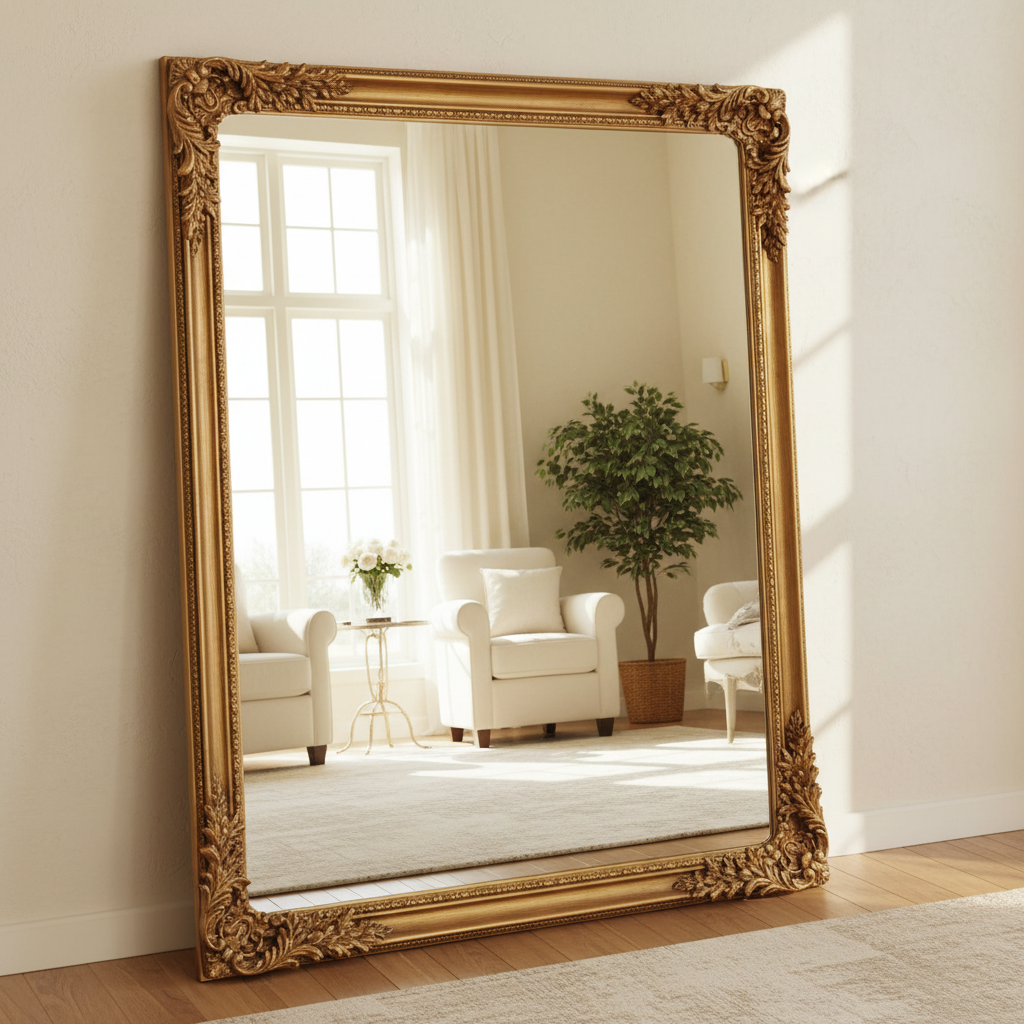
This is one of the oldest tricks in the interior design book for a reason: it’s practically magic. Mirrors are optical illusions you can buy. They do two critical things for a small space: they reflect light, making the room brighter, and they create the illusion of depth, making it feel bigger. A strategically placed mirror can visually double the size of your room without you spending a fortune.
The Execution
Don’t just hang a dinky little mirror over your dresser and call it a day. You have to be bold to get the mansion effect.
- The Full-Length Lean: Find the biggest floor mirror you can afford (thrift stores and flea markets are gold mines for this). Instead of hanging it, just lean it against a wall. It feels casual, chic, and makes a huge statement. Placed in a narrow entryway or at the end of a room, it creates a powerful illusion of more space beyond.
- The Window Doubler: This is the pro move. Position a large mirror directly opposite your main window. It will capture the natural light and bounce it all around the room, instantly making your apartment brighter and feel more open. It’s like adding a second window for the price of a mirror.
- The Mirrored Gallery: Can’t find one huge mirror? Create a gallery wall of smaller, mismatched mirrors. Collect them from thrift stores and arrange them in a tight grouping. This creates a fascinating focal point that reflects light from all different angles.
Forget expensive art. A great mirror is the best piece of ‘art’ a small apartment can have. It’s functional, beautiful, and a master of deception.
Hack #4: Your Furniture Needs a Side Hustle
Why it Works
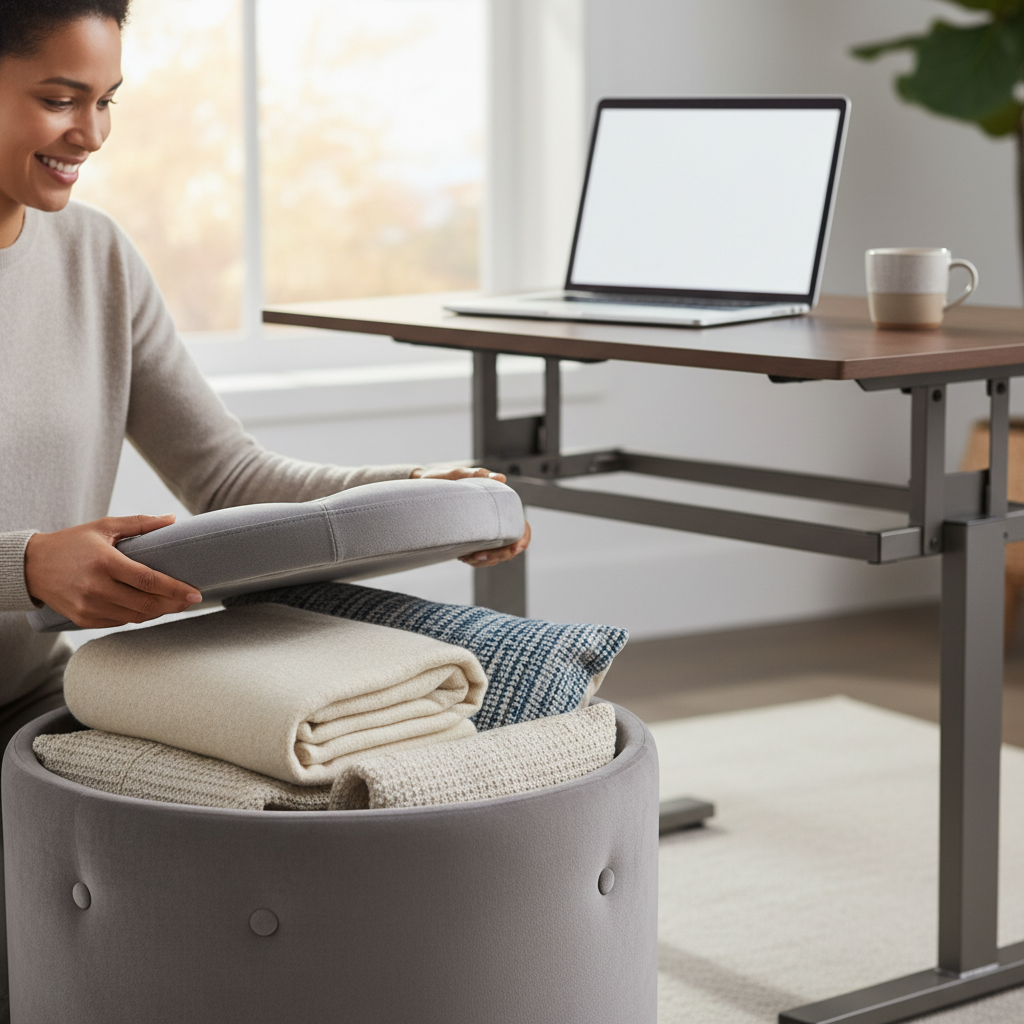
In a studio, every piece of furniture has to earn its keep. Single-use items are a luxury you can’t afford. A bed is just a bed? A coffee table is just a coffee table? Not anymore. Multi-functional furniture is the key to maximizing utility without cluttering your space. You get two or three pieces of furniture for the price and footprint of one. It’s the ultimate frugal hack.
The Execution
Think like a Swiss Army knife. What jobs does your furniture need to do? Here are the heavy hitters:
- The Storage Ottoman: This is non-negotiable. It’s a footrest, extra seating for guests, and a hidden chest for blankets, video games, or seasonal clothes.
- The Lift-Top Coffee Table: It’s a coffee table when you need it, but it lifts up to become a dining table or a comfortable work-from-home desk. This eliminates the need for a separate desk, saving you a huge amount of space.
- The Sleeper Sofa or Daybed: Instead of a separate couch and bed taking up all your room, combine them. Modern sleeper sofas are incredibly comfortable, and a stylish daybed can serve as a couch during the day and a bed at night, often with storage drawers underneath.
Let’s look at the math. Buying separate, cheap pieces feels frugal, but it costs you in space and money over time.
| Scenario | Items Purchased | Approximate Footprint (sq. ft.) | Estimated Cost |
|---|---|---|---|
| Single-Use Strategy | Bed, 2-Seat Sofa, Desk, Storage Chest | ~85 sq. ft. | $950+ |
| Multi-Function Strategy | Sleeper Sofa w/ Storage, Lift-Top Coffee Table | ~40 sq. ft. | $700+ |
The multi-function strategy not only saves you over $250 but, more importantly, gives you back over 45 square feet of living space. That’s enough room for a yoga mat or a small dining nook. That’s real value.
Hack #5: Embrace ‘Ghost’ Furniture
Why it Works
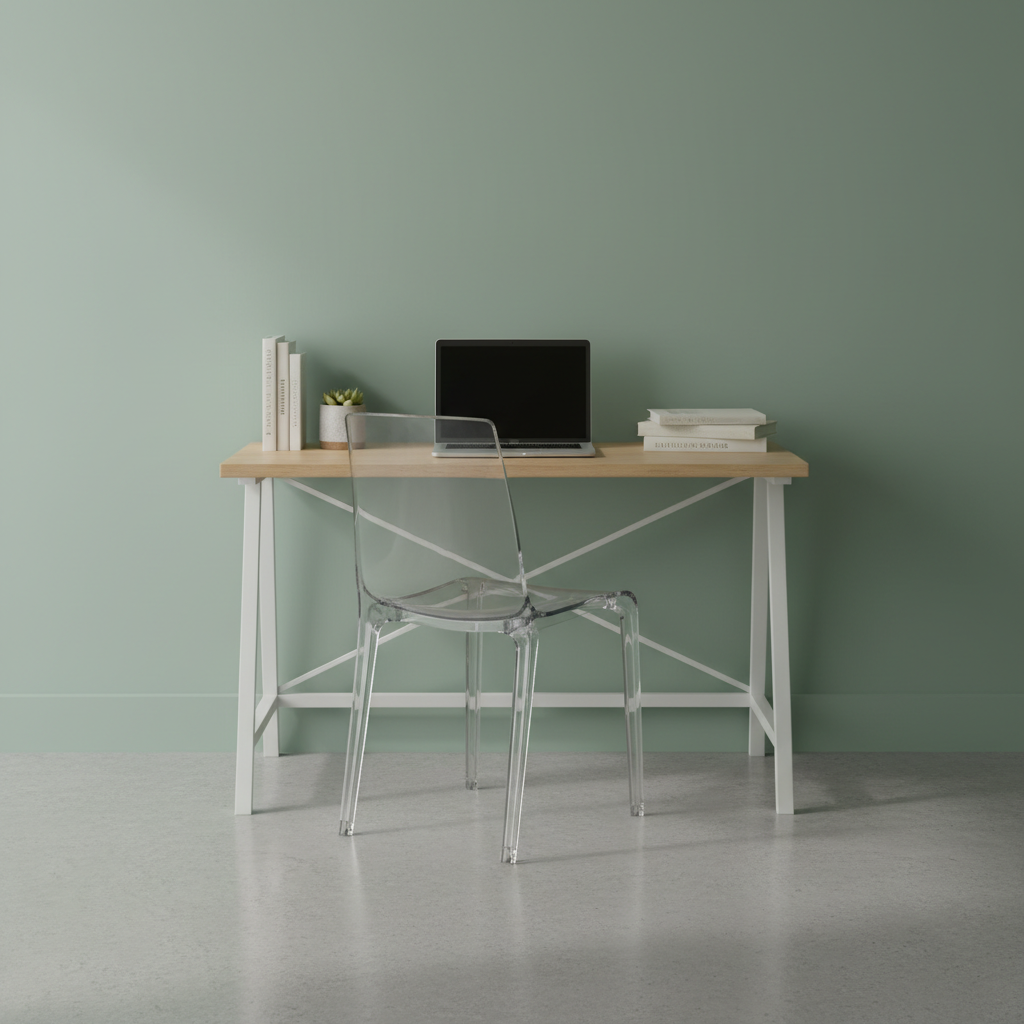
The enemy of a small space is visual weight. Dark, heavy, solid furniture stops the eye and makes a room feel crowded and boxed in. The solution? Furniture that’s barely there. ‘Ghost’ furniture, typically made from clear materials like acrylic, lucite, or glass, takes up physical space but almost zero visual space. Your eye passes right through it, making the room feel uninterrupted, open, and significantly larger.
The Execution
You don’t need to turn your whole apartment into a glass house, but a few key pieces will make a world of difference.
- The Invisible Coffee Table: A waterfall-style acrylic or glass coffee table is a classic choice. It provides a surface for your drinks and books without visually cluttering the center of your living area.
- The Disappearing Desk Chair: A clunky office chair can kill the vibe of a studio. A clear acrylic ‘ghost’ chair provides the function you need without the visual bulk. When tucked under a desk, it practically vanishes.
- See-Through Console Tables: Need a spot for your keys by the door or a thin table behind your sofa? An acrylic or glass console table provides that surface without creating a heavy visual barrier.
Scam Warning: Be wary of super cheap, flimsy acrylic furniture on sketchy websites. Look for pieces that are at least 0.5 inches thick for durability. Check reviews on sites like Amazon, Wayfair, or CB2 to find quality pieces that won’t crack the second you sit on them.
Hack #6: Weaponize Your Lighting
Why it Works
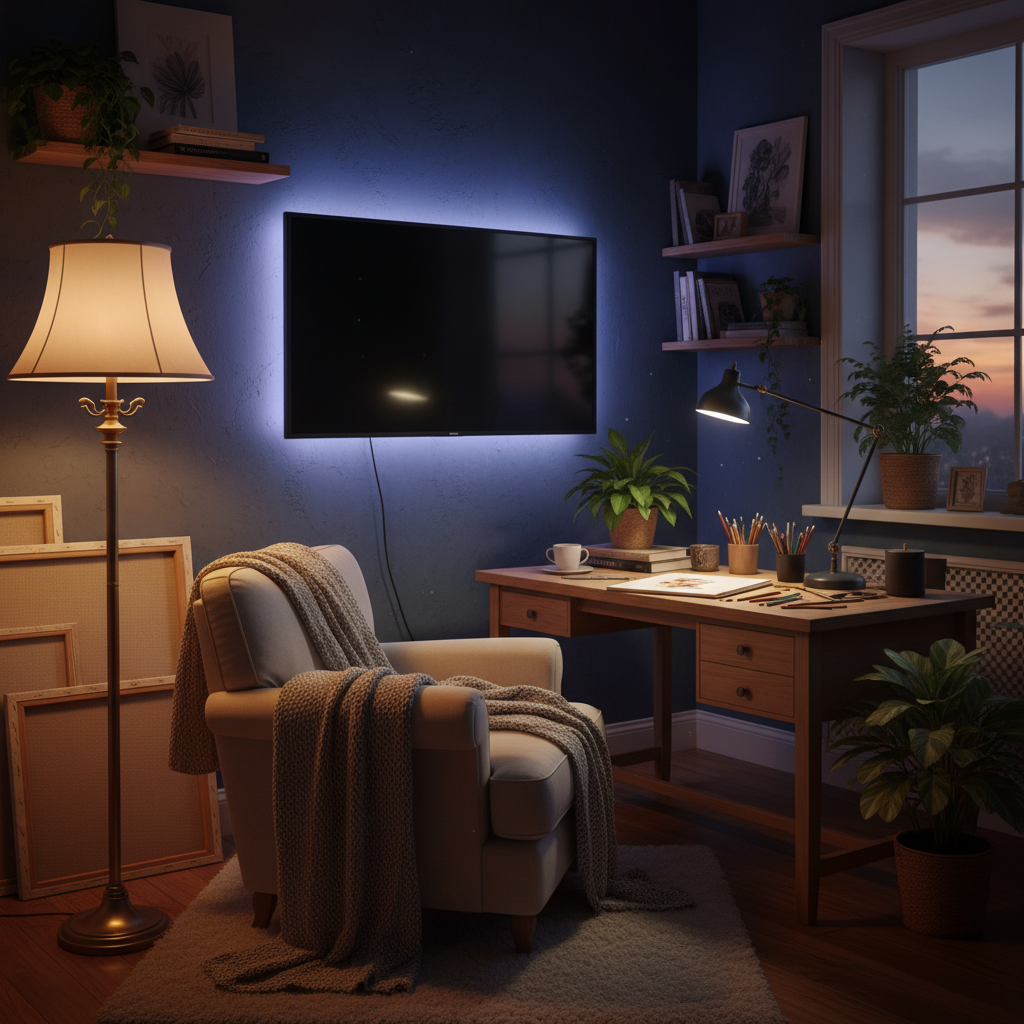
Relying on that one sad, central ceiling light (affectionately known as the ‘boob light’) is a cardinal sin of small-space living. A single overhead light source casts shadows in the corners and makes a space feel flat and cave-like. A layered lighting plan, however, creates depth, warmth, and ambiance. By strategically placing multiple light sources at different heights, you can highlight the features you want and make the entire room feel more dynamic and expansive.
The Execution
You need to think in three layers. You don’t need an electrician, just a few smart purchases.
- Ambient Layer (The Foundation): This is your overall illumination. If you’re stuck with a bad ceiling fixture, swap it out for a modern flush mount or a simple pendant light. This is an easy DIY that costs less than $100 and makes a huge difference.
- Task Layer (The Workhorse): This is focused light for specific activities. A floor lamp next to your sofa for reading, an adjustable lamp on your desk for working, and under-cabinet LED strips in your kitchen for cooking. This prevents eye strain and makes each ‘zone’ more functional.
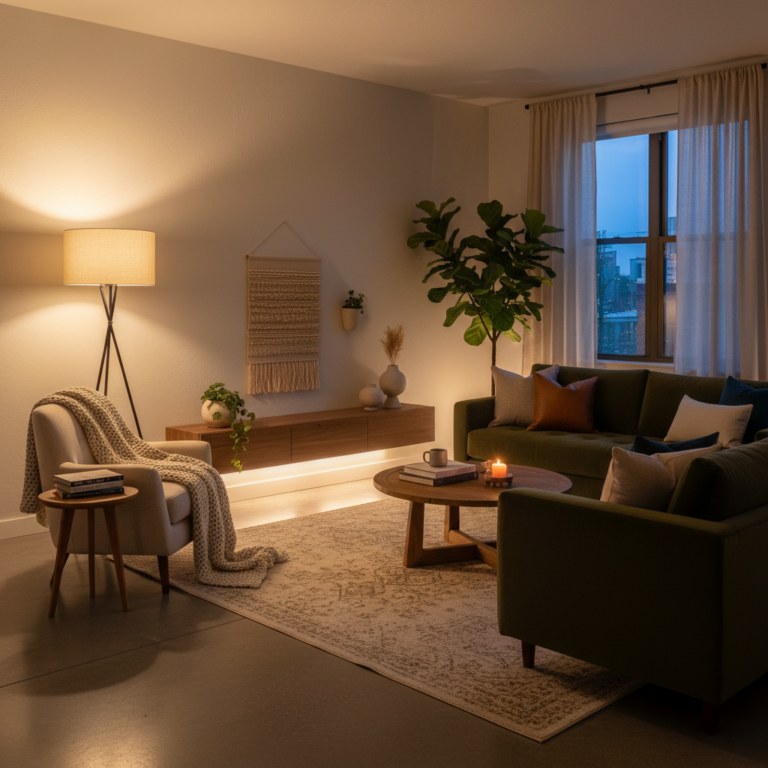
- Accent Layer (The Bling): This is the fun part. It’s all about adding drama. Use a small uplight to highlight a plant in a corner or place an LED light strip behind your TV or headboard for a cool, modern glow. This draws the eye around the room and adds a layer of sophistication.
Smart bulbs are a great investment here. For a few bucks, you can control the brightness and even the color of your lights from your phone, allowing you to completely change the mood of your space in seconds.
Hack #7: Stick to the Color Code
Why it Works
A chaotic mix of colors and patterns is visual noise. In a small space, that noise quickly becomes overwhelming, making the room feel cluttered and smaller than it is. A cohesive and limited color palette, on the other hand, creates a sense of calm and unity. It allows the eye to sweep across the room without interruption, which tricks the brain into perceiving the space as larger and more put-together. This isn’t about being boring; it’s about being intentional.
The Execution
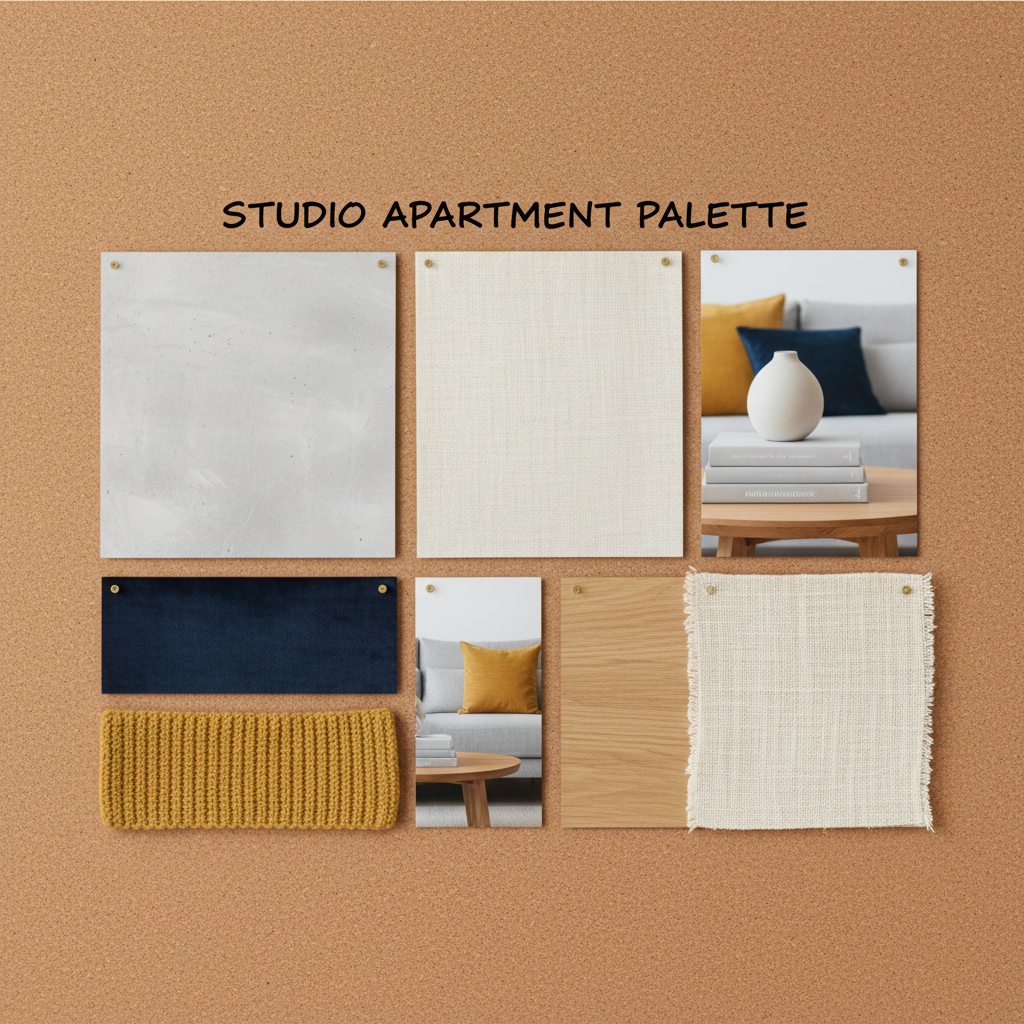
Follow the 60-30-10 rule, a classic designer strategy that’s foolproof.
- 60% – Your Dominant Color: This should be a light, neutral color that you’ll use for your walls and maybe your largest piece of furniture (like your sofa). Think light gray, off-white, beige, or even a very pale blue. These colors are reflective and create an airy, open backdrop.
- 30% – Your Secondary Color: This is a slightly bolder color used for things like curtains, accent chairs, bedding, or an area rug. It’s there to add interest and contrast without overwhelming the space.
- 10% – Your Accent Color: This is your pop of personality. Use a bold, bright color for small decor items like throw pillows, vases, and artwork. It’s easy and cheap to swap these items out when you get tired of them.
For example: 60% light gray walls, 30% navy blue rug and curtains, 10% mustard yellow pillows and art. The result is a space that looks intentional, sophisticated, and unified. It tells a consistent story, making the entire studio feel like one complete, expansive thought rather than a jumble of random items.
Conclusion
Your apartment’s square footage is just a number. It doesn’t define what your home can be. With these seven hacks, you have the playbook to take control of your space and transform it. From creating smart zones and leveraging vertical space to playing tricks with light and color, you now have the power to make your studio feel open, functional, and luxurious.
Stop waiting for a bigger place to start loving where you live. The best home isn’t the biggest one; it’s the smartest one. Take these strategies, put your own spin on them, and build a space that works for you. You’ve got this. Now go make that mansion happen.
What’s your go-to small space hack? Drop your best tip in the comments below!