7 Laundry Mistakes That Are Destroying Your Clothes (And Wasting Money)
Let’s be real: the laundry room is probably the last place you think about when you’re trying to plug leaks in your budget. It’s a chore, you get it done, you move on. But what if I told you that little room is a silent budget killer? Every time you find a shrunken sweater, a pair of faded jeans, or a t-shirt that just feels… off, that’s cash draining from your wallet. You’re not just washing clothes; you’re potentially washing away hundreds of dollars a year in damaged fabrics, wasted utilities, and overpriced supplies.
Forget what your mom taught you. The game has changed. We’re here to expose the common laundry myths and bad habits that are costing you big time. This isn’t about spending hours on chores; it’s about making smart, simple changes that protect your clothes, slash your bills, and put more money back where it belongs: in your pocket. It’s time to stop letting your washing machine play you. Let’s get smart and take control.
Mistake #1: Using Way Too Much Soap
The Trap: More Soap Equals Cleaner Clothes, Right? Wrong.
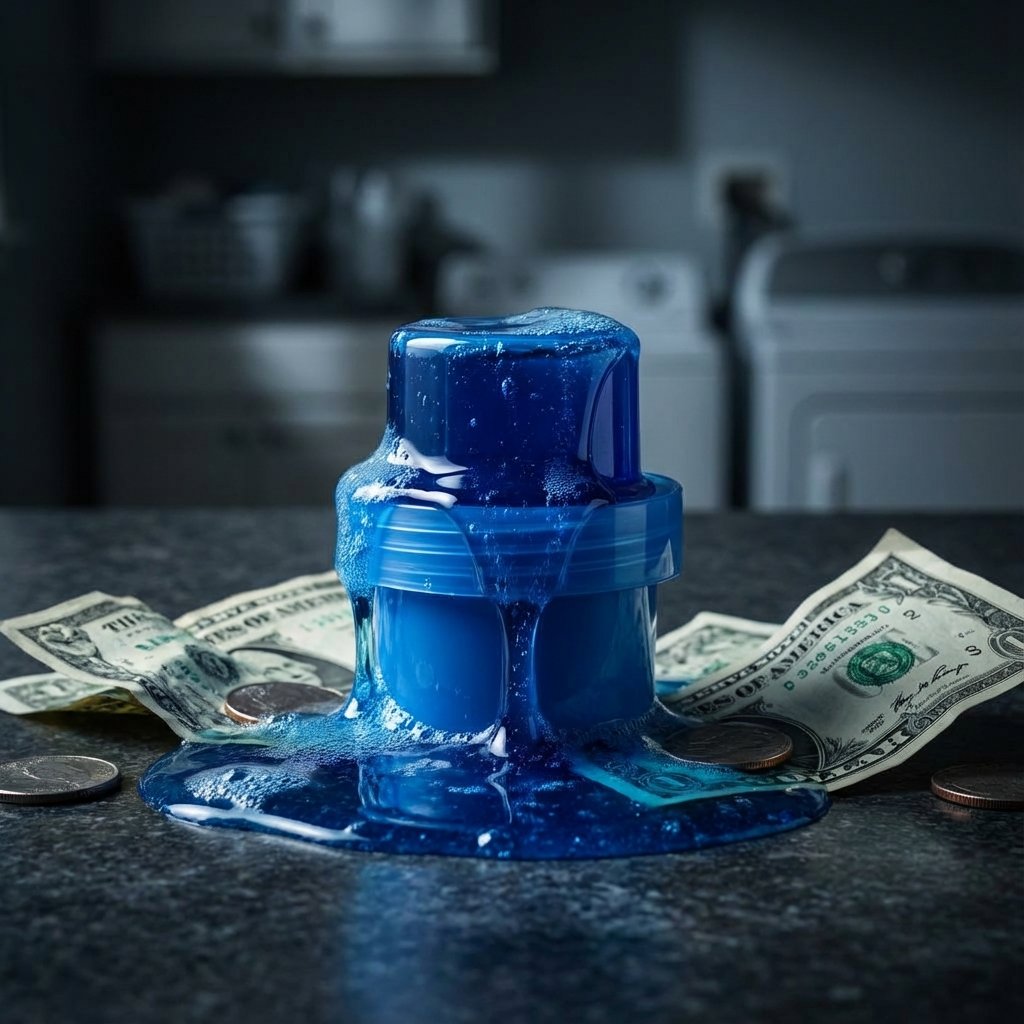
It’s the oldest myth in the laundry book. We see those commercials with suds overflowing and think that’s the goal. Here’s the hard truth: using too much detergent is a classic rookie move that costs you money and makes your clothes dirtier. Excess soap doesn’t get rinsed out. Instead, it creates a sticky residue that traps dirt, grime, and bacteria right onto the fabric. The result? Stiff, scratchy clothes, dull colors, and that weird, not-quite-clean smell. It also causes major buildup in your machine, which leads to expensive repairs down the line.
The Fix & The Math
The solution is brutally simple: read the instructions. For most high-efficiency (HE) washers, you only need about two tablespoons of liquid detergent for a normal load. That’s it. Stop filling the cap to the top. If a bottle of detergent costs $15 and promises 96 loads, you should be getting 96 loads out of it. If you’re eyeballing it and using double the recommended amount, you’re only getting 48 loads. You’re literally buying detergent twice as often as you need to. That simple mistake costs you an extra $120 a year on detergent alone. Start measuring, and stop throwing sudsy money down the drain.
Mistake #2: The Hot Water Habit That’s Boiling Your Budget
The Trap: Hot Water Obliterates All Germs and Stains.
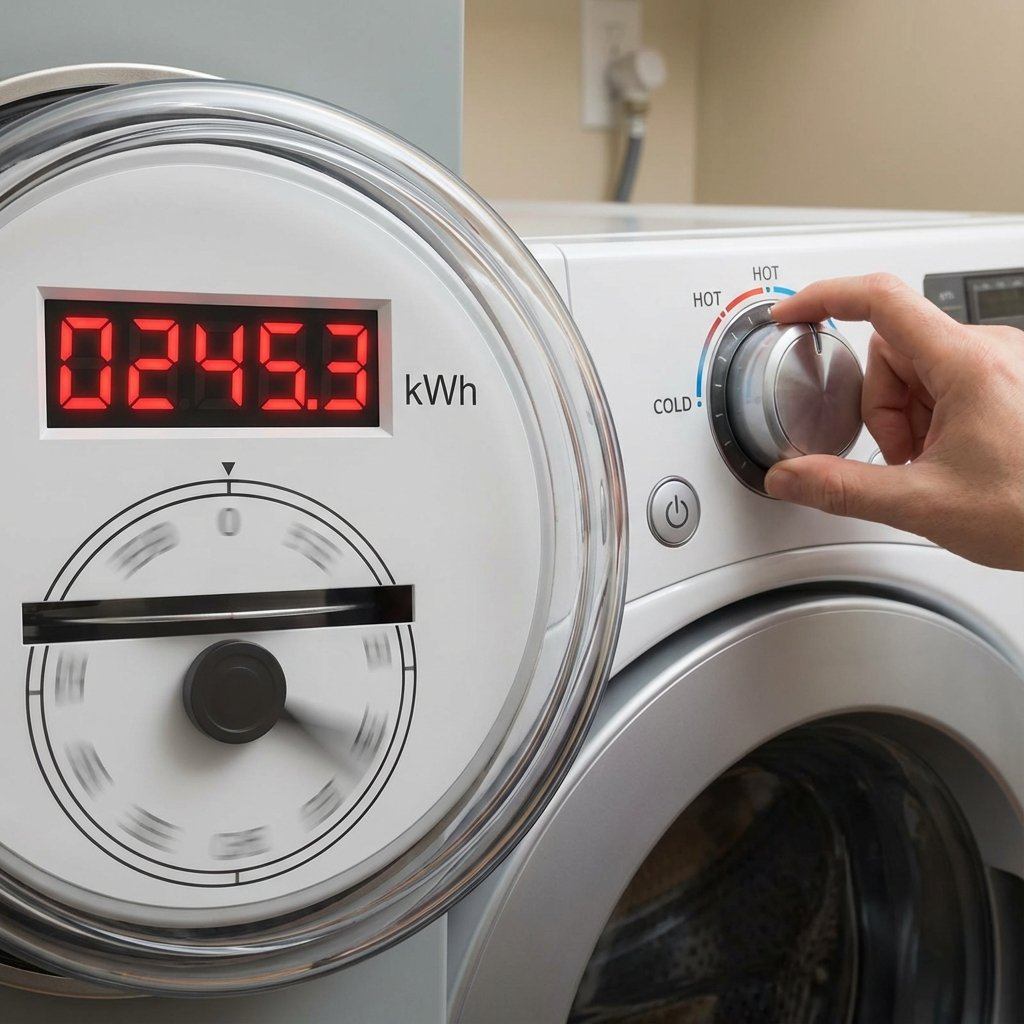
We’ve been conditioned to think hot water is the ultimate cleaning weapon. For sanitizing grimy sheets after a flu, sure. For your everyday load of t-shirts and jeans? You’re just setting money on fire. About 90% of the energy a washing machine uses goes toward heating the water. Modern detergents are formulated with enzymes that work perfectly, sometimes even better, in cold water. Hot water also causes colors to fade faster, sets certain stains (like blood), and can damage delicate and synthetic fabrics, shortening their lifespan.
The Fix & The Math
Make cold water your default setting. It’s that easy. According to energy experts, switching a load from hot to cold can save you up to $0.60 per load, depending on your utility rates. That sounds like pocket change, right? But let’s run the numbers. If your household does 5 loads a week, that’s a saving of $3.00 every week. That turns into $12 a month and a cool $156 a year. That’s a free tank of gas, a nice dinner out, or a boost to your savings account, all for turning a dial from ‘hot’ to ‘cold’.
Mistake #3: Cramming It Full to ‘Save Time’
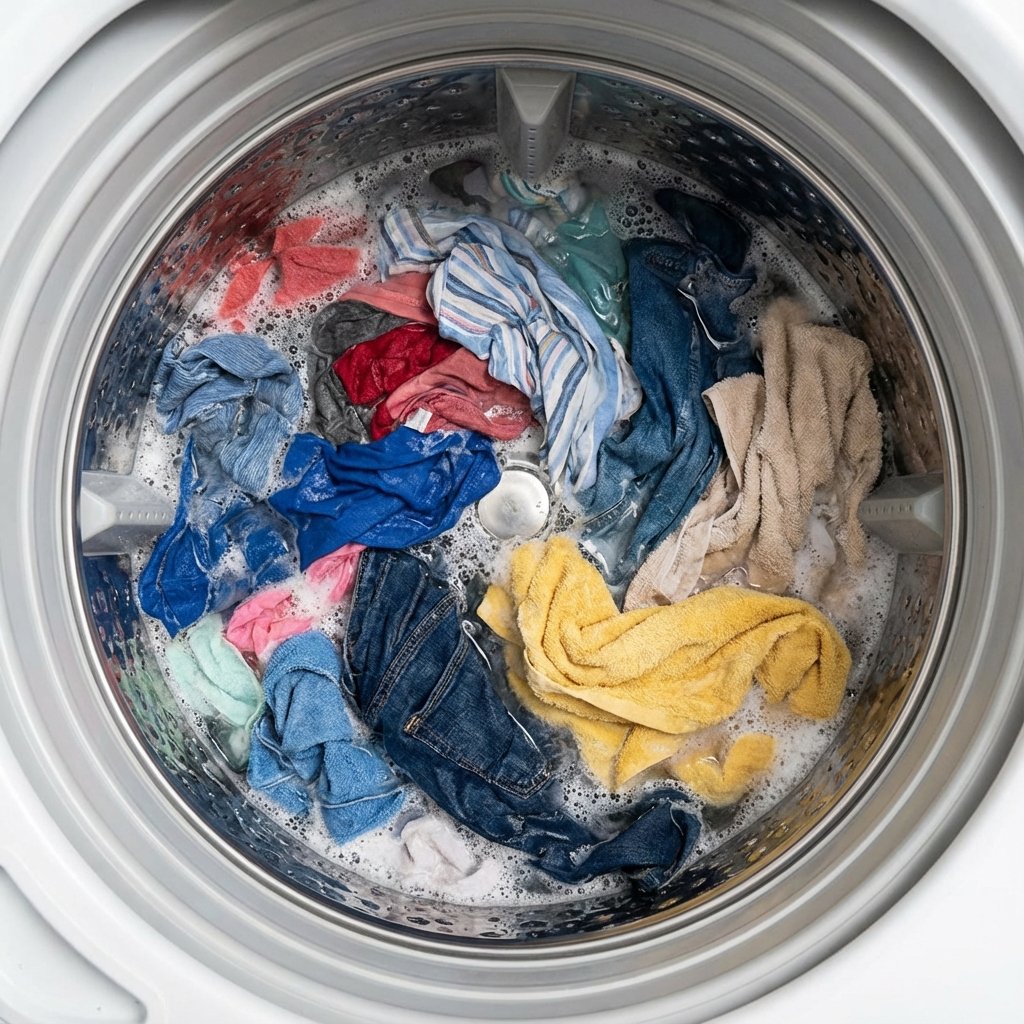
The Trap: Fewer Loads Means I’m Saving Water and Time.
We’ve all done it. You have a mountain of laundry and you just want it gone, so you stuff every last sock into the machine until the door barely closes. This is one of the most destructive things you can do to both your clothes and your washer. Clothes need room to tumble, swish, and agitate against each other to get clean. When the drum is packed tight, water and detergent can’t circulate properly, leaving you with dirty patches and soap residue. Worse, you’re putting immense strain on the washer’s motor and suspension, paving the way for a premature, $800 breakdown.
The Fix & The Math
A properly loaded washer should only be about three-quarters full. You should be able to place your hand into the top of the drum and feel space above the clothes. The math here isn’t about saving on a single load; it’s about asset protection. A decent washing machine costs between $600 and $1,200 and has an average lifespan of 10-12 years. Consistently overloading it can easily cut that lifespan in half. That means your ‘time-saving’ habit could force you to buy a new machine 5 years early, costing you an extra $600+ you didn’t need to spend.
Mistake #4: The Lazy Sort That Leads to Ruined Clothes
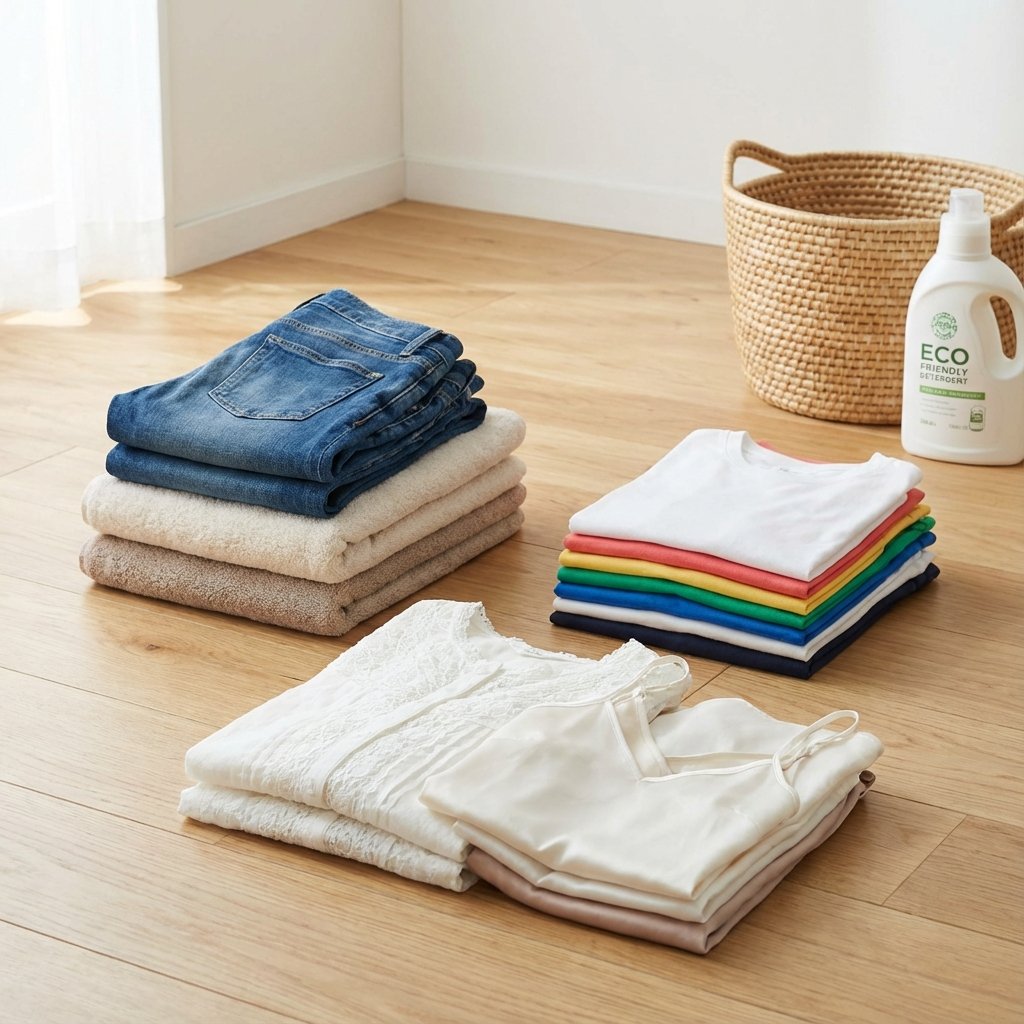
The Trap: Sorting is Just About Lights and Darks.
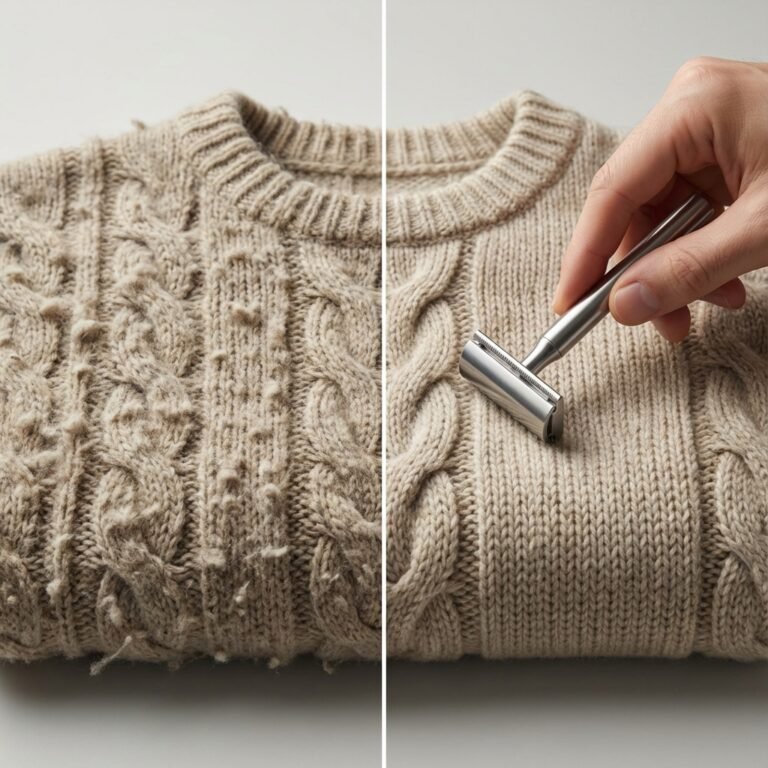
If you think sorting is just about preventing a red sock from turning your white shirts pink, you’re only seeing half the picture. The real pro-level sort is by fabric weight and texture. When you wash your heavy, abrasive denim jeans and towels with your soft, lightweight t-shirts and blouses, you’re essentially putting your delicate clothes into a rock tumbler. The heavy fabrics rub against the lighter ones, causing pilling, thinning, and tiny rips and tears. It’s a slow-motion shredder for your favorite clothes.
The Fix & The Math
Start doing a second sort. After separating by color, separate by fabric weight. Keep heavy hitters like jeans, canvas pants, and thick towels in one load. Keep t-shirts, dress shirts, and delicates in another. The savings are all about replacement cost. Let’s say this simple hack extends the life of your five favorite $25 t-shirts by just one year. That’s $125 you don’t have to spend replacing them. That one pair of $90 jeans that now won’t wear out at the seams so fast? That’s more money in the bank. This isn’t about laundry; it’s about managing your assets.
Mistake #5: Frying Your Fabrics in the Dryer
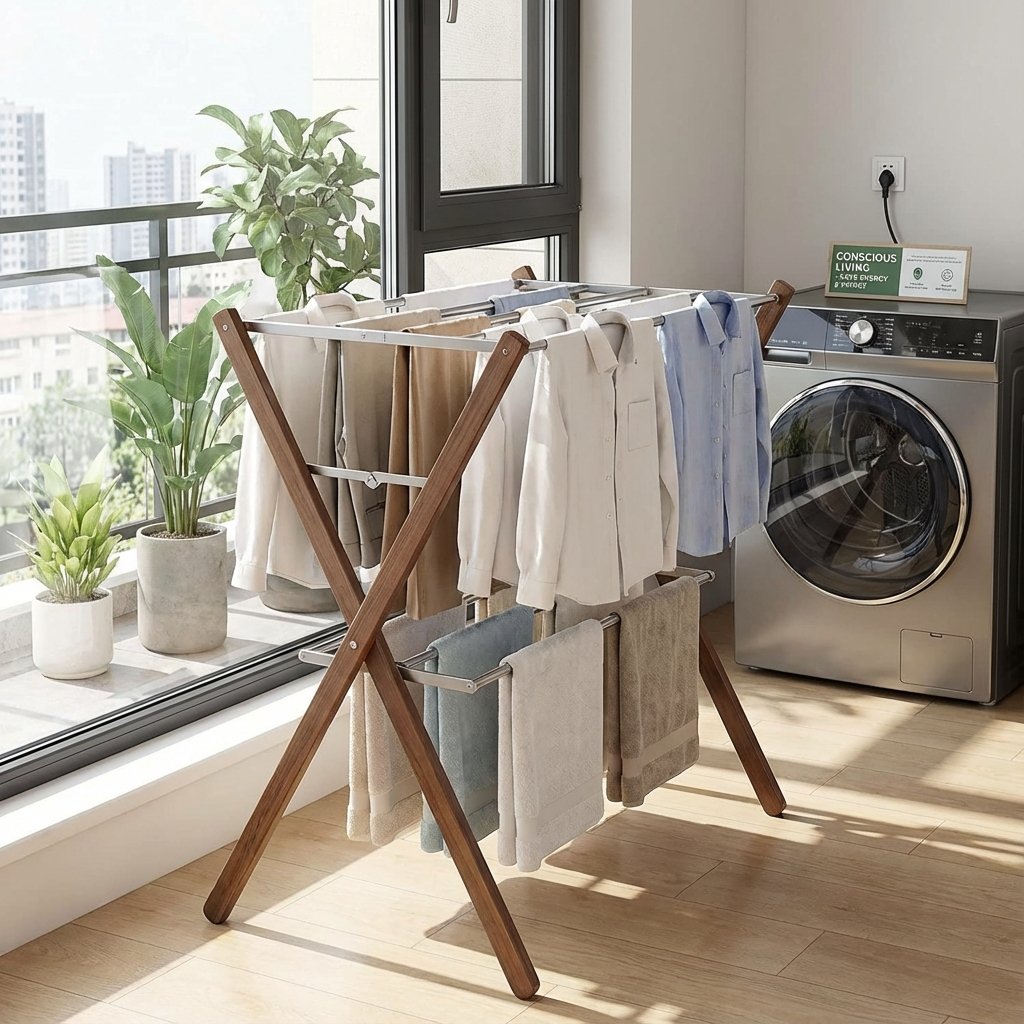
The Trap: High Heat Dries Faster and Kills Germs.
Your dryer is the natural enemy of most of your clothes. That intense, high heat setting is a death sentence for anything with elastic or spandex (think workout clothes, socks, underwear waistbands), causing it to become brittle and snap. It’s also the number one cause of shrinking and fading. And that lint you clean out of the trap? Those are the tiny fibers of your clothes and towels breaking off. You are literally watching your clothes disintegrate with every cycle.
The Fix & The Math
Use the lowest possible heat setting for the job, and pull clothes out when they are slightly damp to finish air-drying. Better yet, embrace the drying rack. A good foldable drying rack costs about $25 once. An electric dryer can cost $0.45 or more per load to run. If you line-dry just three of your five weekly loads, you save $1.35 a week. That’s over $70 a year in electricity savings. More importantly, you’ll drastically extend the life of your clothes. If your $50 yoga pants don’t lose their stretch after six months, you’ve saved another $50 right there. The dryer is a convenience, not a necessity for every item.
Mistake #6: Letting Stains Set and Become Permanent
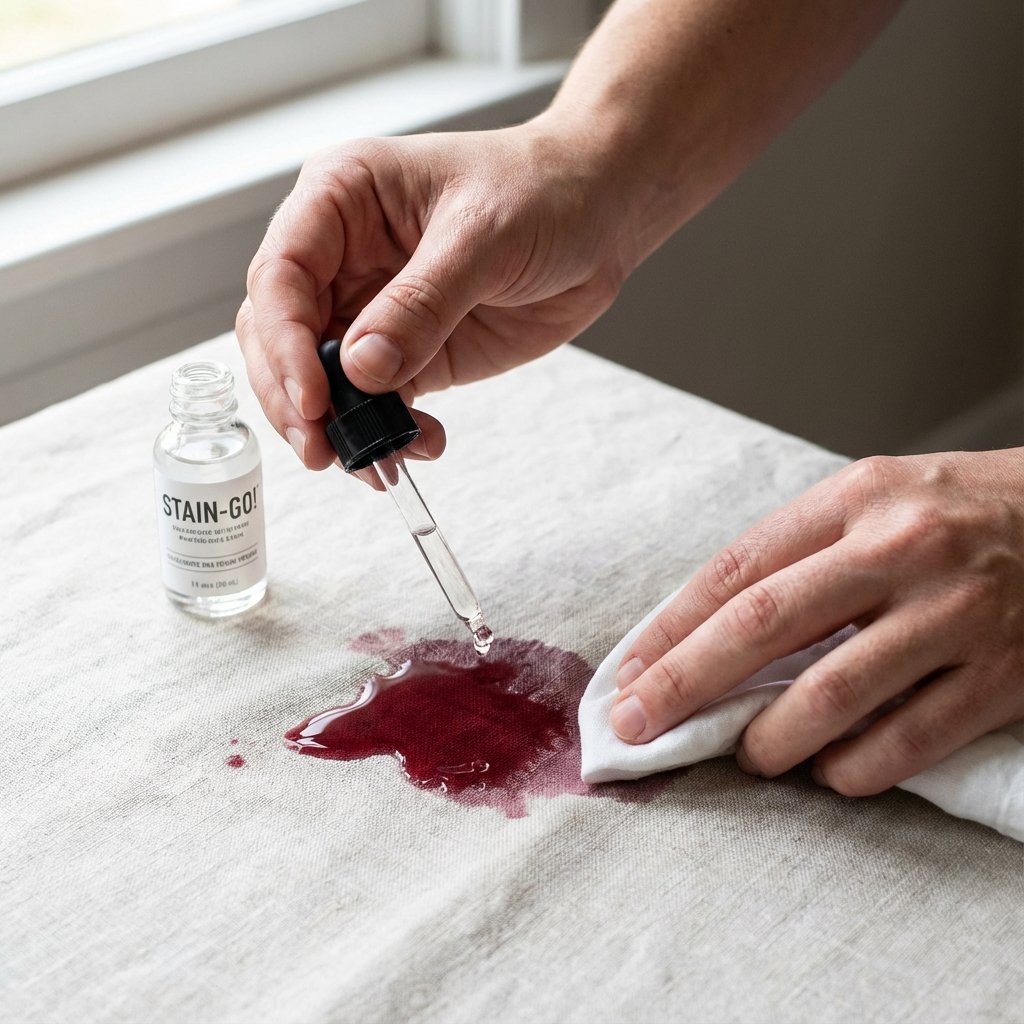
The Trap: I’ll Just Toss It in the Wash and Hope for the Best.
Hope is not a stain removal strategy. Tossing a stained garment directly into the wash, and especially into the dryer, is like taking a permanent marker to it. The heat from the dryer will chemically bond the stain to the fabric fibers, making it nearly impossible to remove. That single drop of coffee, wine, or grease becomes a permanent resident on your favorite shirt.
The Fix & The Math
The rule is simple: treat stains immediately. Don’t let them sit. Keep a simple, cheap stain remover on hand. A pro tip: a small drop of blue Dawn dish soap can remove a surprising number of greasy stains. For other stains, a paste of hydrogen peroxide and baking soda works wonders. The point is to act fast. The math is stark. A $60 white button-down shirt is ruined by one salad dressing drip if you don’t treat it. The cost of the DIY stain remover? About $0.10. You’re making a choice between a $0.10 fix and a $60 replacement. It’s the easiest financial decision you’ll make all day.
Mistake #7: Washing Clothes in a Grimy Machine
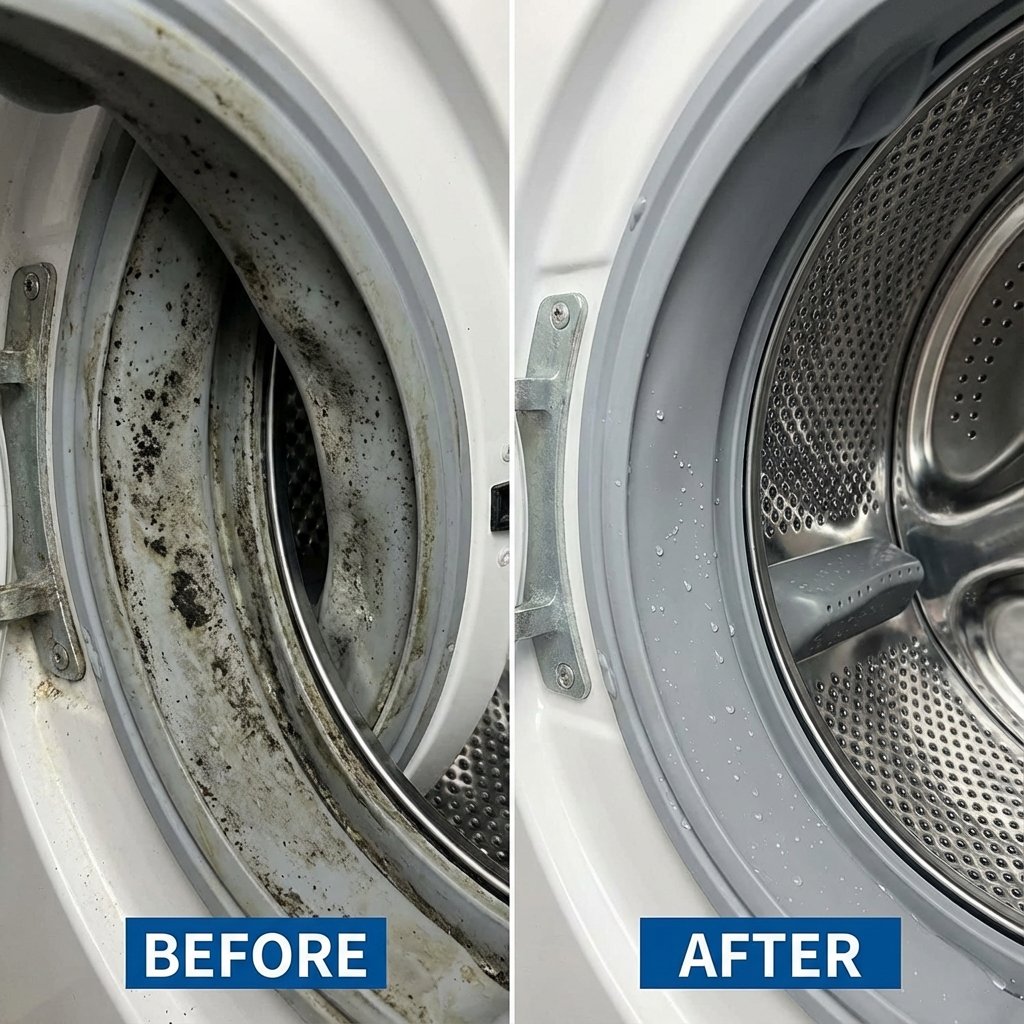
The Trap: The Machine Cleans Itself, Right? It’s Full of Soap!
Your washing machine is a dark, damp environment—the perfect breeding ground for mold, mildew, and bacteria. All that gunk from your dirty clothes, combined with soap scum and mineral deposits from your water, builds up in the drum, gasket, and pipes. If you’ve ever pulled out a load of ‘clean’ laundry that has a funky, musty smell, it’s because you’re washing your clothes in a dirty machine. You end up re-washing loads, wasting time, water, and energy.
The Fix & The Math
You have to clean your cleaner. Once a month, run an empty cycle on the hottest setting with two cups of white vinegar in the detergent dispenser. Then, wipe down the rubber gasket and door. The cost is negligible—maybe $0.50 for the vinegar. Compare that to the cost of a service call for a smelly, underperforming machine, which can easily be $150 just for the visit. Or consider the cost of having to replace clothes that have a permanent mildew smell. A few cents a month is preventative maintenance that saves you hundreds in the long run.
Conclusion
There you have it—seven simple pivots that transform your laundry routine from a budget drain into a money-saving machine. This isn’t about adding more chores to your life. It’s about being smarter, more strategic, and more intentional with your resources. By using less detergent, embracing cold water, and treating your clothes and appliances with a little more respect, you’re not just getting cleaner laundry; you’re taking back control of your finances.
Don’t try to fix everything at once. Pick one thing from this list—just one—and master it this week. Maybe you switch to cold water. Maybe you start measuring your detergent. See how it feels. See the savings add up. You have the power to stop wasting money and make everything you own last longer. Now go get it done.