12 Zero Waste Swaps That Will Save You $500 This Year
Alright, let’s talk straight. You hear ‘zero waste’ and you probably picture someone with a mason jar full of their entire year’s trash, living off the grid. Forget that. We’re not about that life. We’re about being street-smart with our money. The ‘zero waste’ movement has been hijacked by boutique brands selling overpriced ‘eco-friendly’ gear. But the real secret? The OG zero-waste lifestyle is about being frugal. It’s about stopping the cycle of buying disposable junk that literally throws your money in the garbage.
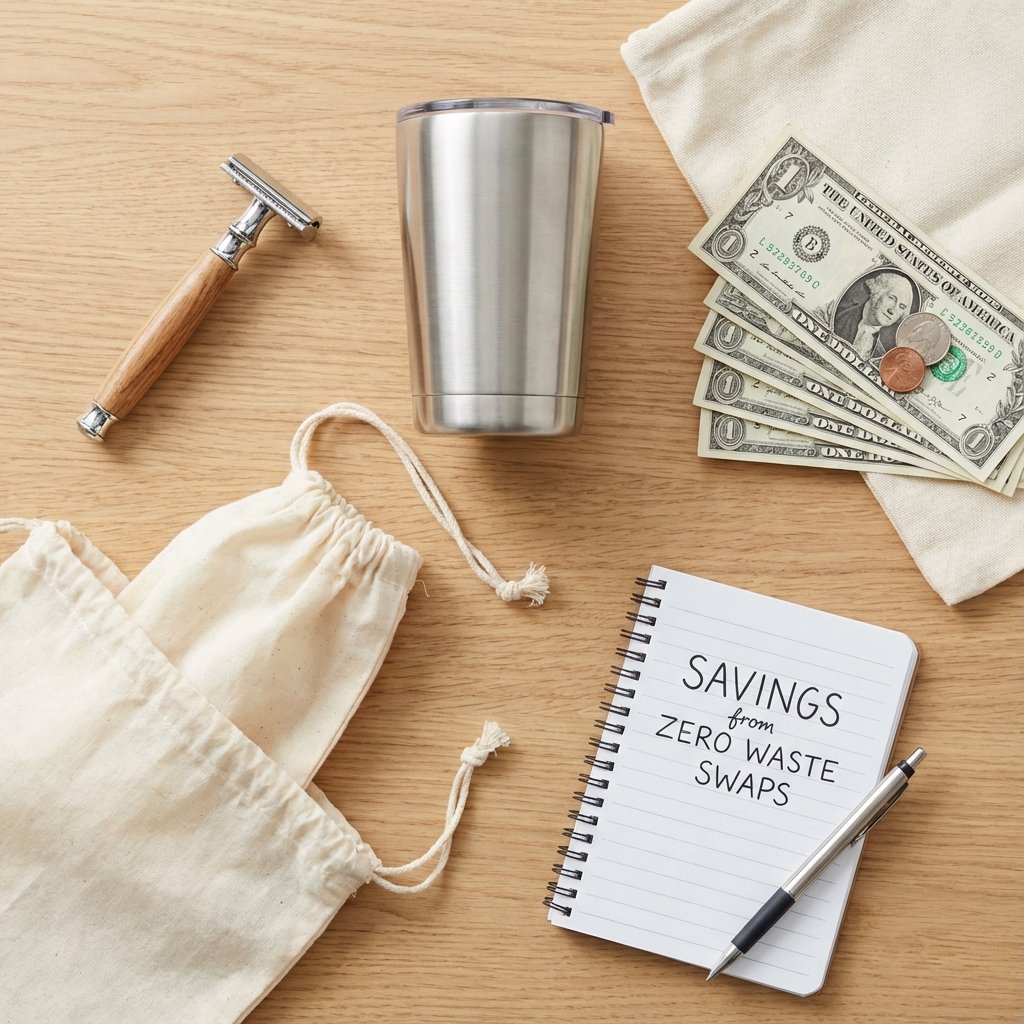
This isn’t about saving the planet (though that’s a nice bonus). This is a financial strategy. It’s a rebellion against paying corporations for the privilege of creating trash. We’re going to break down 12 dead-simple swaps that will put a minimum of $500 back into your account this year. No gimmicks, no expensive starter kits. Just smart, simple changes that make your wallet fatter. Ready to stop paying the trash tax? Let’s dive in.
The Kitchen Cash-Backs: Where Your Food Budget Bleeds
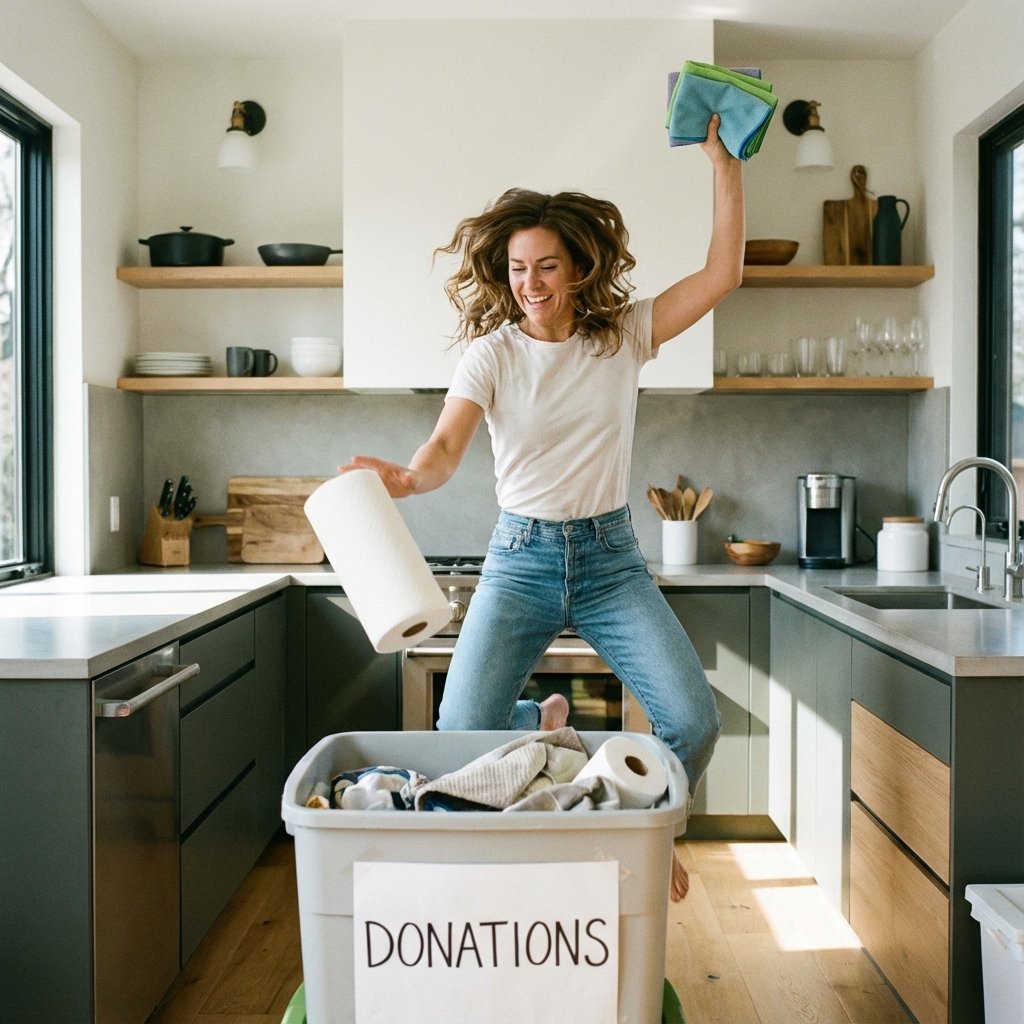
Your kitchen is ground zero for disposable products. Companies have spent decades convincing you that convenience is worth paying for again, and again, and again. It’s time to take back control of your kitchen and your cash.
Swap #1: Ditch Paper Towels for Reusable Cloths
This is the king of all kitchen swaps. You use a paper towel for 10 seconds and toss it. That’s like tearing off a tiny piece of a dollar bill every time you wipe up a spill. It’s madness. The alternative is simple: a stack of reusable cloths. You can buy a pack of microfiber cloths, or just cut up old t-shirts and towels for free. They work better, last for years, and their upfront cost is a joke compared to the endless cycle of buying paper towels.
| Item | Typical Annual Cost |
|---|---|
| Paper Towels (2 rolls/week @ $1.50/roll) | $156 |
| Reusable Cloths (One-time purchase) | $15 |
| First-Year Savings | $141 |
Swap #2: Break Up with Disposable Coffee Cups
That daily coffee run isn’t just hitting your wallet for the price of the brew; many places charge you extra for the disposable cup. Even if they don’t, you’re paying for a product designed to be used for 20 minutes and then exist in a landfill for 500 years. Get a reusable tumbler or insulated mug. Not only will you stop paying for trash, but many coffee shops offer a discount (usually $0.10 – $0.25) for bringing your own cup. It’s a double-win that adds up fast.
| Item | Typical Annual Cost |
|---|---|
| Daily Coffee (5x/week, no BYO cup) | $0 (but missing out on savings) |
| Bringing Your Own Cup (Savings of $0.15/day) | -$39 (Money back in your pocket) |
| Annual Savings | $39 |
Swap #3: Can Plastic Wrap for Reusable Covers
Plastic wrap is frustrating, flimsy, and a pure money pit. You buy a roll, fight with it, use it once, and throw it away. Stop the insanity. A set of silicone stretch lids, beeswax wraps, or simply using a plate to cover a bowl in the fridge does the exact same job, forever. The initial cost pays for itself within a few months, and then it’s pure savings from there on out.
| Item | Typical Annual Cost |
|---|---|
| Plastic Wrap (1 roll every 2 months @ $4/roll) | $24 |
| Reusable Silicone Lids (One-time purchase) | $12 |
| First-Year Savings | $12 |
The Bathroom Bankroll Boost: Stop Flushing Money Away
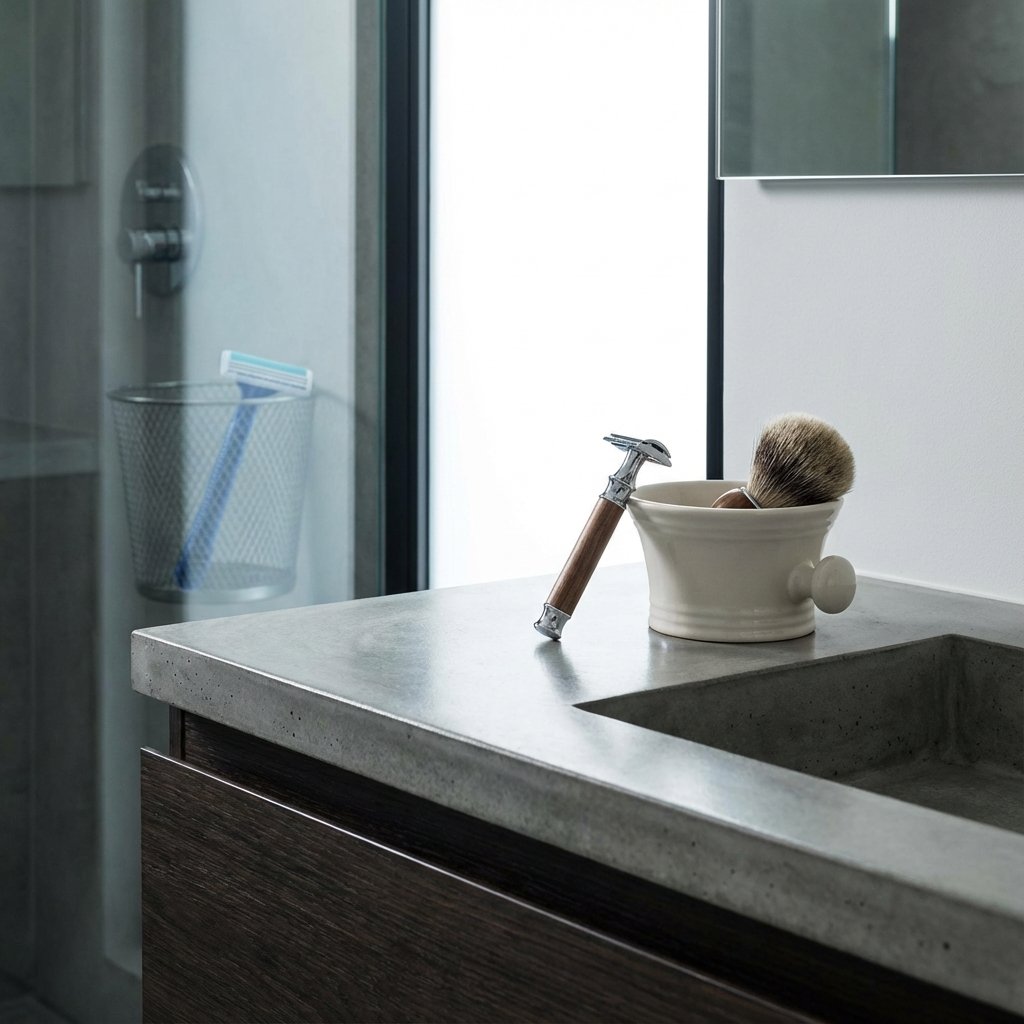
The bathroom is another money-drain disguised as ‘hygiene’. From razors to soap bottles, you’re constantly buying plastic you don’t need. These swaps are simple, often more luxurious, and will seriously pad your savings account.
Swap #4: Upgrade from Disposable Razors to a Safety Razor
This is a game-changer. Cartridge razors are one of the biggest rip-offs in the personal care industry. They sell you a cheap handle and then lock you into buying insanely overpriced replacement heads for life. A classic safety razor is a one-time investment for the handle (~$20-$30), and the replacement blades cost mere cents. You get a better, closer shave without the plastic waste and the financial drain.
| Item | Typical Annual Cost |
|---|---|
| Disposable Cartridges (1/week @ $3/each) | $156 |
| Safety Razor Blades (1 box of 100 blades) | $10 |
| Annual Savings (after initial handle purchase) | $146 |
Swap #5: Go Old-School with Bar Soap
Liquid body wash and hand soap is mostly water and plastic packaging. You pay a premium for a plastic pump bottle you’ll just throw away. Switch back to bar soap. It’s cheaper, lasts longer, and has minimal (or zero) packaging. The formulas today are way better than the drying bars of the past. This is one of the easiest, most impactful swaps you can make for both your wallet and the planet.
| Item | Typical Annual Cost (Body & Hand Soap) |
|---|---|
| Liquid Soap (1 bottle/month @ $5/bottle) | $60 |
| Bar Soap (1 bar every 2 months @ $2/bar) | $12 |
| Annual Savings | $48 |
Swap #6: Replace Cotton Balls with Reusable Rounds
Whether you’re removing makeup or applying toner, you’re likely throwing away a cotton ball or two every single day. That’s a constant, small expense that adds up. A set of reusable fabric rounds can be thrown in the laundry and used hundreds of times. They feel softer on your skin and completely eliminate that recurring cost from your budget.
| Item | Typical Annual Cost |
|---|---|
| Cotton Rounds (1 bag every 2 months @ $3.50) | $21 |
| Reusable Fabric Rounds (One-time purchase) | $10 |
| First-Year Savings | $11 |
The On-the-Go & Household Hustle
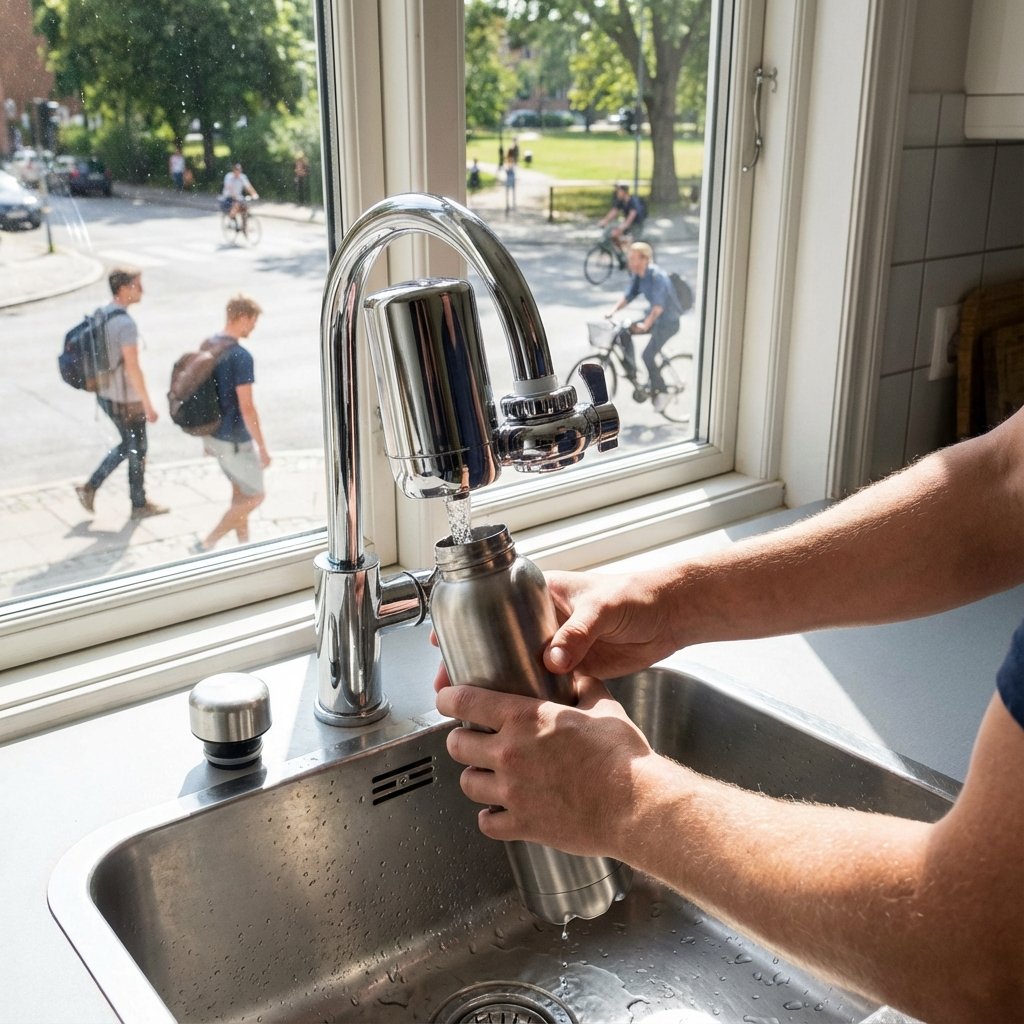
The savings don’t stop at the kitchen and bathroom. Your daily habits, from hydration to laundry, are filled with opportunities to cut costs by ditching disposables. These are the final swaps to get you over that $500 goal.
Swap #7: Stop Buying Bottled Water
This is a financial no-brainer. You are paying a massive premium for… water. In a plastic bottle. It’s one of the most successful marketing schemes of all time. Get a quality reusable water bottle and fill it up from the tap. If you’re concerned about taste, get a simple filter for your faucet or a filtering pitcher. The savings are astronomical.
| Item | Typical Annual Cost |
|---|---|
| Bottled Water (3 bottles/week @ $1.50) | $234 |
| Reusable Bottle + Home Filter | $40 (one-time + annual filter) |
| First-Year Savings | $194 |
Swap #8: Use Wool Dryer Balls Instead of Dryer Sheets
Dryer sheets are coated in chemicals and designed for a single use. Wool dryer balls do the same job—softening clothes and reducing static—but they last for literally thousands of loads. They also help clothes dry faster, which saves you money on your energy bill. It’s a one-time purchase that pays you back for years.
| Item | Typical Annual Cost |
|---|---|
| Dryer Sheets (1 box every 2 months @ $5) | $30 |
| Wool Dryer Balls (One-time purchase) | $10 |
| First-Year Savings | $20 |
Swap #9: Make Your Own Cleaning Spray
Specialty cleaning sprays are another racket. You’re paying for fancy packaging and harsh chemicals when a simple solution of white vinegar and water (and maybe a few drops of essential oil for scent) can clean most surfaces in your home. Keep an old spray bottle, mix your own solution for pennies, and stop buying a new plastic bottle every month.
| Item | Typical Annual Cost |
|---|---|
| All-Purpose Cleaner (1 bottle/month @ $4) | $48 |
| DIY Vinegar Solution (Vinegar + Water) | ~$5 |
| Annual Savings | $43 |
Swap #10: Switch from Ziplocs to Reusable Silicone Bags
Disposable sandwich and snack bags are a constant drain. Reusable silicone bags are a fantastic, durable alternative. They’re freezer-safe, dishwasher-safe, and some are even microwave-safe. They seal tight and can be used for everything from packing lunches to marinating food. The upfront cost is higher, but they last for years, saving you a fortune in the long run.
| Item | Typical Annual Cost |
|---|---|
| Ziploc Bags (1 box/month @ $5) | $60 |
| Reusable Silicone Bags (Starter set) | $25 |
| First-Year Savings | $35 |
Swap #11: Refuse Plastic Produce Bags at the Store
Those flimsy plastic bags in the produce aisle are completely unnecessary. Most produce, like bananas or onions, doesn’t need a bag at all. For smaller items like green beans or mushrooms, invest in a set of lightweight, reusable mesh produce bags. They cost next to nothing and will last forever, saving you from bringing home dozens of useless plastic bags each year. While the direct savings are minimal, it’s about building the habit of refusal.
| Item | Typical Annual Cost |
|---|---|
| Using Plastic Produce Bags | $0 (but contributes to waste) |
| Reusable Mesh Bags (One-time purchase) | $10 |
| Financial Impact | Builds a frugal mindset |
Swap #12: Choose Menstrual Cups/Period Underwear Over Disposables
For those who menstruate, the recurring cost of tampons and pads is a significant and unavoidable expense—often called the ‘pink tax’. A menstrual cup or a set of period underwear is a one-time investment that can last for years. The learning curve is small, and the comfort and convenience are often reported as being superior, but the financial savings are the real headline here. This swap alone can save you over a hundred dollars a year.
| Item | Typical Annual Cost |
|---|---|
| Tampons/Pads (1 box/month @ $8) | $96 |
| Menstrual Cup or Period Underwear Set | $30 (one-time purchase) |
| First-Year Savings | $66 |
Conclusion
The Grand Total: Your Reclaimed Cash
Let’s run the numbers. If you add up the first-year savings from the most impactful swaps we covered: Paper Towels ($141), Safety Razor ($146), Bottled Water ($194), and Bar Soap ($48)… you’re already at $529. And that’s before the dozens of dollars saved from the other swaps. The math doesn’t lie. This isn’t about deprivation; it’s about being smarter than the companies that want you to be a lifelong consumer of their disposable trash.
Don’t get overwhelmed. You don’t have to do all 12 of these tomorrow. Pick one. The one that seems easiest or saves the most money. Master it. Then add another next month. This is about building a system where your money works for you, not for the landfill. You just hacked your daily routine and gave yourself a $500 raise. Now, what are you going to do with it?