10 Classy Interview Outfits You Can Thrift Store Flip For Under $20
Let’s get real. Walking into a job interview is like walking into battle. You need armor. That armor—a sharp, confidence-boosting outfit—costs a fortune at retail. We’re talking hundreds of dollars for a single look. But what if I told you that you could get that same armor for less than the price of a pizza, and then turn around and sell it to someone else for a 5x, even 10x, profit?
Forget clipping coupons. We’re flipping clothes. The thrift store is your hunting ground, and high-quality, professional wear is your target. This isn’t just a guide to dressing for success on a budget; this is your action plan for a seriously profitable side hustle. You’re about to learn how to spot hidden gems, clean them up like a pro, and market them to people willing to pay top dollar for a killer interview look. Let’s get this bread.
The Game Plan: Gearing Up for Your Thrift Store Heist
The Game Plan: Gearing Up for Your Thrift Store Heist
You don’t walk onto a battlefield unarmed. Thrifting for profit is no different. Going in blind is a rookie mistake that leaves you with racks of junk and an empty wallet. Success is in the prep work. Before you even step foot in a Goodwill or Salvation Army, you need a strategy and the right tools. This is how you separate yourself from the casual shoppers and become a professional flipper.
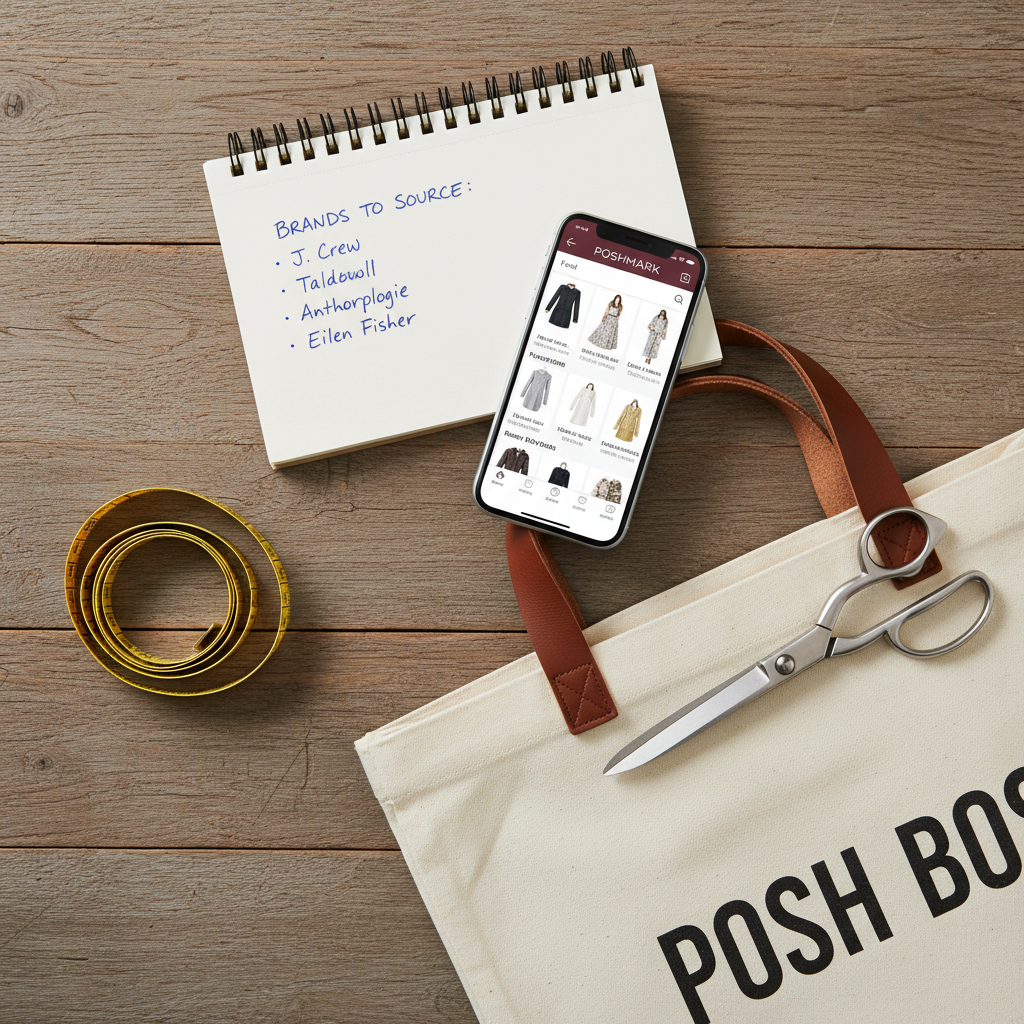
Your Flipping Toolkit
Keep it simple, keep it lean. You don’t need a bunch of fancy gear, just the essentials:
- Your Smartphone: This is your moneymaker. You’ll use it to look up brand names on the spot. An unknown brand could be a hidden European luxury gem or worthless fast fashion. Use the eBay or Poshmark app to check “sold comps” (what similar items have actually sold for) to gauge real-world value.
- A Small Measuring Tape: Sizes are a lie. A vintage size 10 is a modern size 6. Vanity sizing is rampant. Serious online buyers want measurements: bust, waist, inseam, length. Having a measuring tape lets you grab these on the spot or ensure an item has standard proportions before you buy.
- A Reusable Bag: You’re here to make money, not waste it on plastic bags. Plus, it makes you look like a pro.
- Your “Hit List”: Know what you’re looking for. This guide will give you the top 10 items, but always have a mental checklist of high-profit brands and styles.
Mastering the Hunt
Thrift stores can be overwhelming chaos. Here’s how to cut through the noise:
- Go on Weekdays: Weekends are for amateurs. Stores are crowded, and the good stuff gets picked over fast. Try going on Monday or Tuesday mornings; stores often restock with the weekend’s donations. Ask an employee when they put out new racks.
- Scan for Quality First, Brand Second: Run your hands along the racks. You can literally *feel* quality. Your fingers will know the difference between cheap polyester and substantial wool, silk, or high-grade cotton. Once a fabric feels expensive, stop and check the label.
- The Full Inspection: Found a potential score? Take it to a well-lit area. Check for flaws like a hawk. Pull at the seams. Check the armpits for stains and fabric stress. Test every zipper and button. A missing button is an easy fix; a giant, set-in stain on a silk blouse is a dealbreaker.
The Hit List: 10 High-Profit Interview Staples to Hunt Down
The Hit List: 10 High-Profit Interview Staples to Hunt Down
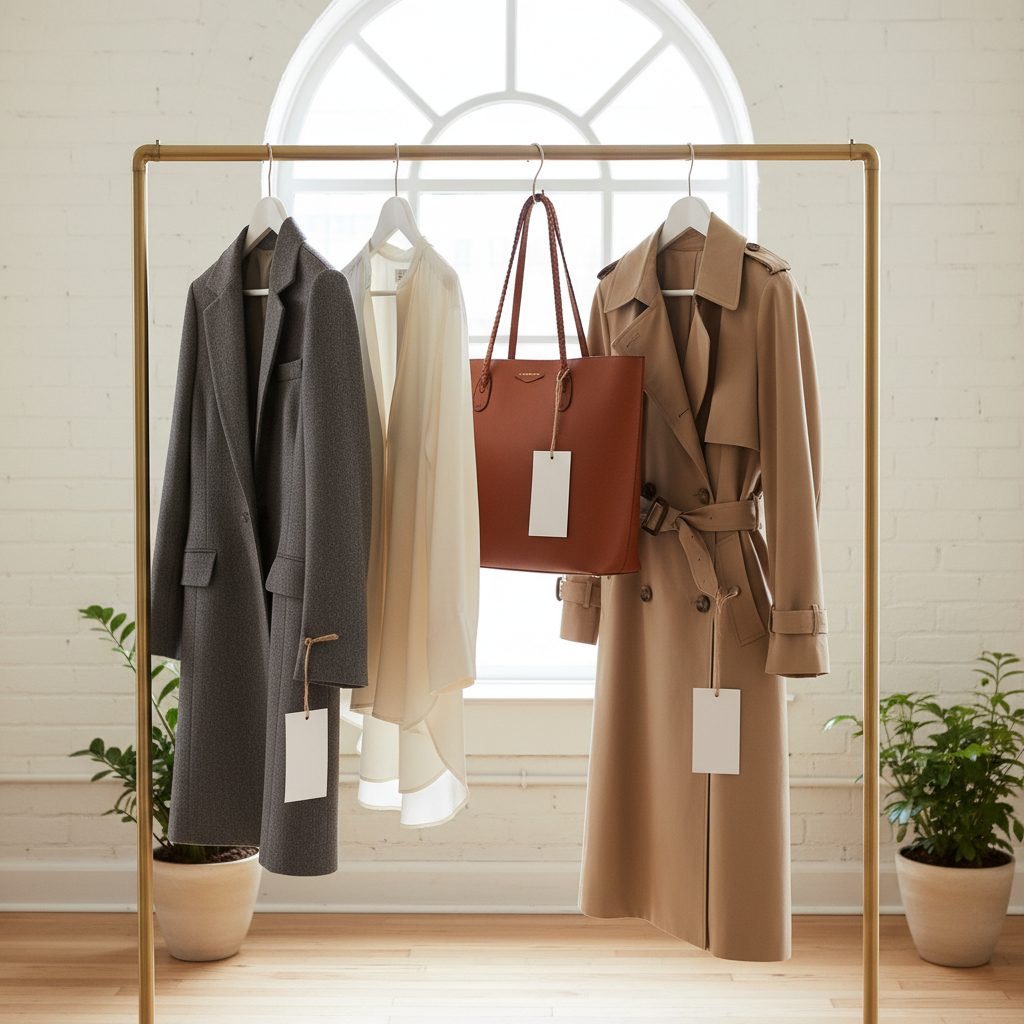
This is your treasure map. Focus your energy on finding these ten items. They are always in demand, command higher resale prices, and are common enough to find with a little digging. We’re looking for classic, timeless pieces that scream ‘hire me.’ Your target buy price for any single piece of clothing should ideally be under $10, and for accessories, under $15.
- The Power Blazer: This is the holy grail. Look for brands like J. Crew, Ann Taylor, Banana Republic, Talbots, and even older Liz Claiborne blazers made from wool or linen. A classic, well-structured blazer can be bought for $8 and flipped for $40-$75.
- The Tailored Sheath Dress: A simple, elegant, knee-length dress is a workplace staple. It’s a one-and-done outfit. Look for solid, neutral colors (black, navy, grey, jewel tones). Check for quality lining. Buy for $7, flip for $35-$60.
- The 100% Silk Blouse: Fast fashion destroyed the quality blouse market, which means real silk is a goldmine. People will pay for the quality. Check the fabric content tag. Brands like Equipment, Ann Taylor, or even vintage Jones New York are great finds. Buy for $5, flip for $30-$50, even with minor flaws.
- The Versatile Pencil Skirt: Just like the sheath dress, a high-quality pencil skirt in wool or a thick ponte knit is a consistent seller. Check the zipper and the lining. Buy for $6, flip for $25-$40.
- The Classic Trench Coat: Especially great to find in fall and spring. Look for brands like London Fog, Banana Republic, or J. Crew. Check for all the buttons and the original belt—the belt is crucial! Buy for $15, flip for $60-$120.
- The High-Waist Trousers: Look for wide-leg or straight-leg trousers in quality fabrics. Brands like Theory, Vince, or Elie Tahari are a jackpot, but even store brands like Worthington (JCPenney) can be profitable if the style and material are on point. Buy for $7, flip for $35-$55.
- The Structured Leather Tote Bag: This is a higher-risk, higher-reward item. Check for quality leather and hardware. Look for brands like Coach (classic styles, not the logo-heavy stuff), Dooney & Bourke, or Fossil. Check every corner for wear and tear. Buy for $15-$20, flip for $75-$150.
- The Quality Leather Loafers or Pumps: Shoes can be tricky due to wear, but a pair of barely-worn leather heels or loafers from Cole Haan, Naturalizer, or Clarks is an easy sale. Check the soles and heels for wear. Buy for $10, flip for $40-$60.
- The Simple, Elegant Cardigan: Specifically, look for cashmere or merino wool. A simple button-up or open-front cardigan from a mall brand can be a bread-and-butter item. Buy for $6, flip for $25-$35.
- The Statement (but professional) Necklace: Think brands like J. Crew or Banana Republic from a few years ago. Their statement jewelry was high quality and has a cult following. Look for pieces with all stones intact. Buy for $5, flip for $25-$40.
From Drab to Fab: Staging Your Finds for a Quick Sale
From Drab to Fab: Staging Your Finds for a Quick Sale
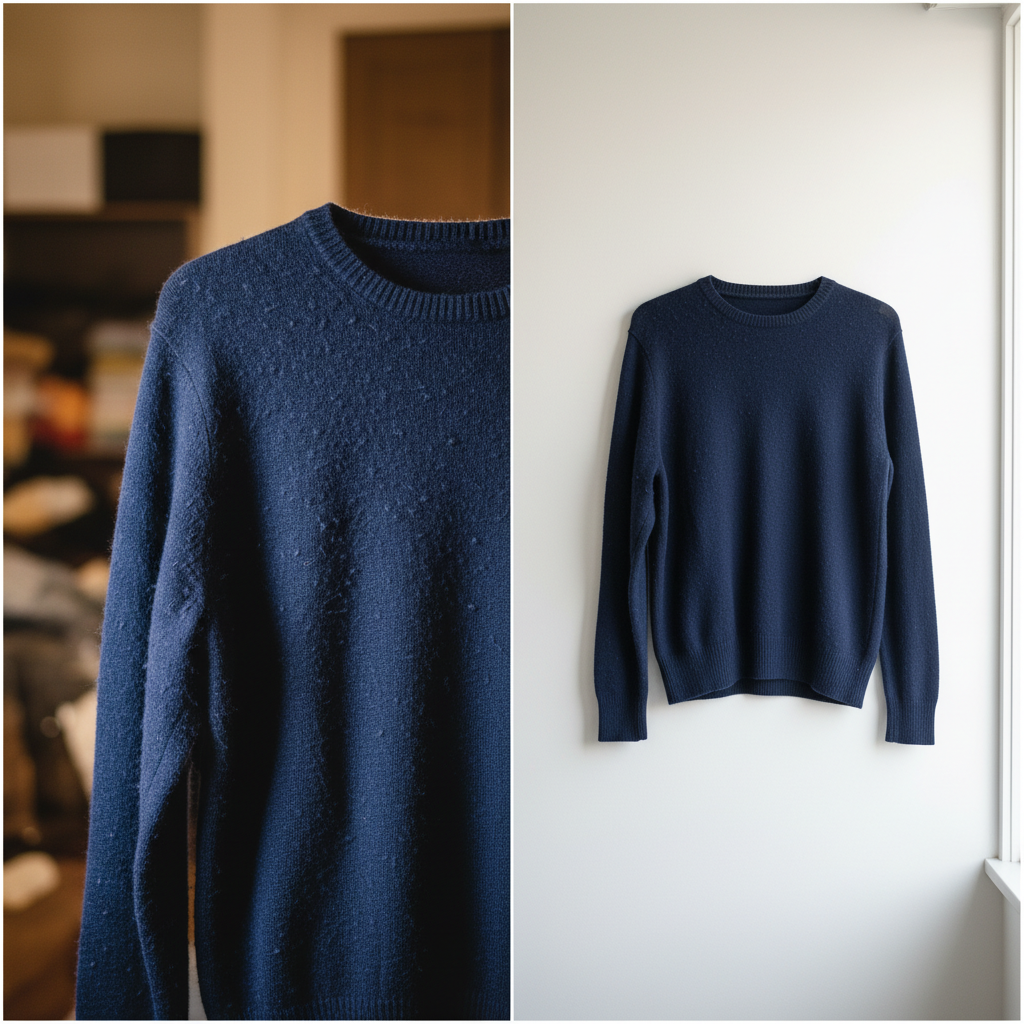
You found the goods. Now you need to make them look like a million bucks. Presentation is 90% of the game in online reselling. People buy with their eyes. A wrinkled, poorly lit shirt will sit for months, while the exact same shirt, steamed and shot in bright, natural light, will sell in a day for double the price. Don’t be lazy here—this is where you earn your profit.
The Cleanup Crew
Most items just need a refresh, not a full-on deep clean. Your goal is to make them look and smell fresh and new.
- Steaming is Your Secret Weapon: A handheld steamer is the best $30 you will ever invest in for this hustle. It removes wrinkles from almost any fabric (even wool and silk) without the risk of scorching from an iron. It also helps neutralize thrift store smell.
- De-Pilling and De-Linting: Sweaters and wool coats often have pills. A fabric shaver (a ‘de-fuzzer’) makes them look brand new in minutes. For everything else, a simple lint roller is a must.
- Stain Treatment: For small spots, a dab of Dawn dish soap or a paste of OxiClean and water can work wonders. Always test on an inconspicuous area first. For yellowed armpit stains on white shirts, a soak in OxiClean or a product like ‘Retro Clean’ can reverse the damage.
- Button Check: Secure any loose buttons. This small, two-minute fix adds perceived value and shows you care about quality.
Photography That Sells
You are selling the photo, not the item. Make your photos clean, bright, and honest.
- Use Natural Light: Find a spot near a large window. Do not use your phone’s flash—it creates harsh shadows and washes out color. An overcast day is actually perfect for photos, as it provides soft, diffused light.
- Choose a Clean Background: A plain, neutral-colored wall is best. A textured rug or clean wood floor can also work. Command hooks on a wall are a great way to hang garments. Whatever you do, keep your messy room, your pets, and your own feet out of the shot.
- Show, Don’t Just Tell: Take multiple photos. You need a front view, back view, a close-up of the tag, a shot of the fabric texture, and photos of any unique details (cool buttons, interesting seams). And BE HONEST. If there is a tiny flaw you couldn’t fix, take a clear photo of it and mention it in the description. Buyers appreciate honesty and it protects you from disputes.
- Style it Simply: Use a mannequin if you have one. If not, a clean flat lay on the floor or a hanger against a plain wall works perfectly. Don’t over-accessorize; let the item speak for itself.
Cash In: Pricing, Listing, and Closing the Deal
Cash In: Pricing, Listing, and Closing the Deal
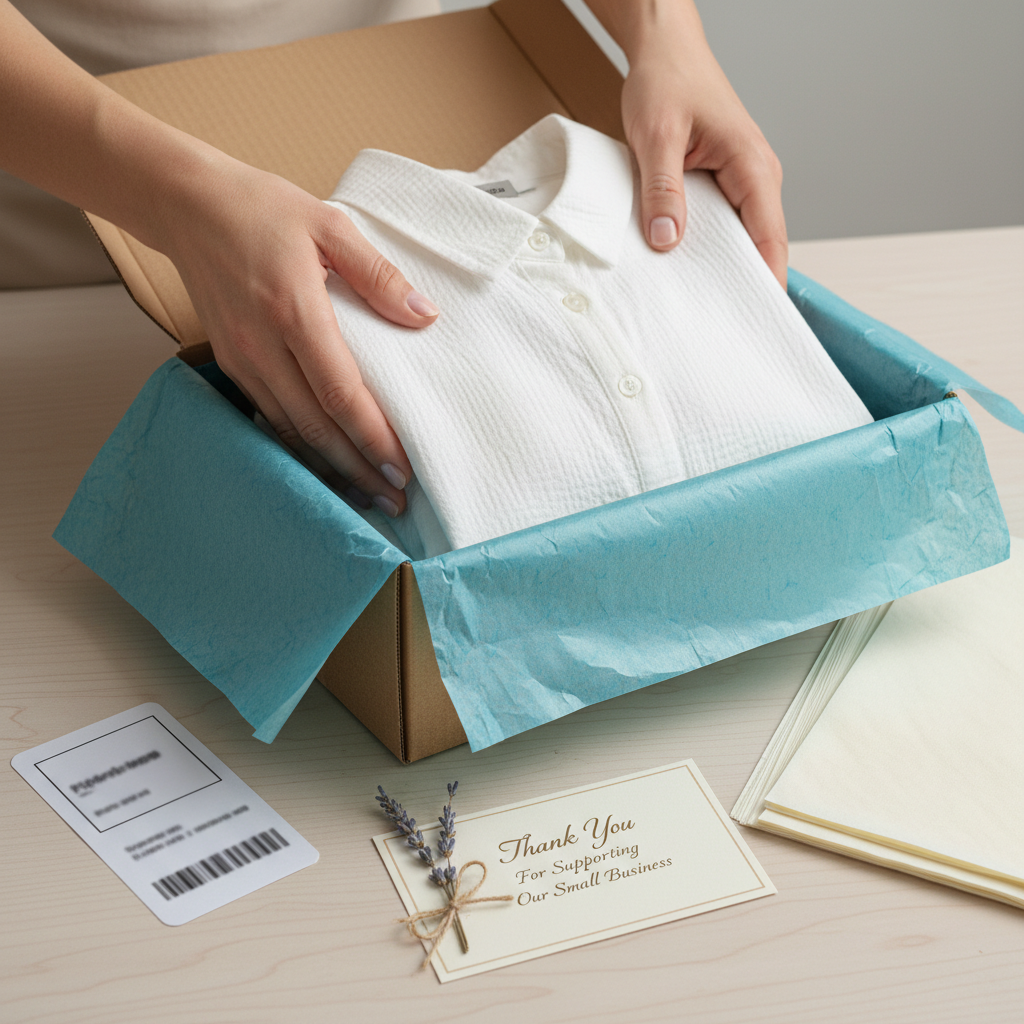
This is where your work pays off. A great find and perfect photos are useless without a killer listing that gets seen and converts shoppers into buyers. You need to think like a marketer and a customer service pro.
Choosing Your Platform
Don’t try to be everywhere at once. Pick one or two platforms to master:
- Poshmark: Great for clothing, especially well-known brands. It’s a social platform, so you need to share your items and engage with others. Fees are a flat 20% for sales over $15.
- eBay: The global giant. Has the biggest audience but also the most competition. Great for rare, vintage, or high-end designer items. Fees are more complex but average around 13-15%.
- Mercari: Simple and straightforward. Good for a wide variety of items. It’s less social than Poshmark. Fees are similar to eBay’s.
- Facebook Marketplace: Best for local sales to avoid shipping. Good for larger items like coats or bundles, but be prepared for a lot of lowball offers and no-shows.
Crafting the Perfect Listing
Your title and description are your sales pitch. Use keywords a buyer would search for.
- The Title: Be descriptive. Instead of “J. Crew Blazer,” write “J. Crew Schoolboy Wool Blazer Navy Blue Professional Career Size 8.” Include the Brand, Style Name, Fabric, Color, and Size.
- The Description: Repeat the title info, then add measurements (bust, waist, length, inseam). Describe the condition honestly. Use bullet points to make it easy to read. Paint a picture: “The perfect blazer for your next job interview or big presentation.”
Realistic Earning Potential
Let’s break down the math. Profit is not just the sale price minus the buy cost. You have to account for fees and your supplies. The key is to sell volume. Flipping just one blazer is a win, but flipping 10 a month is a real side income.
| Item | Avg. Thrift Cost | Supplies (Cleaning, etc.) | Total Cost | Avg. Sale Price | Platform Fees (~20%) | Net Profit Per Item |
|---|---|---|---|---|---|---|
| Blazer | $8.00 | $0.50 | $8.50 | $45.00 | $9.00 | $26.50 |
| Sheath Dress | $7.00 | $0.50 | $7.50 | $40.00 | $8.00 | $24.50 |
| Silk Blouse | $5.00 | $0.50 | $5.50 | $30.00 | $6.00 | $18.50 |
| Leather Tote | $15.00 | $1.00 | $16.00 | $80.00 | $16.00 | $48.00 |
Script for Handling Lowball Offers
Lowball offers are part of the game. Don’t get offended; get strategic. Here’s how you respond to an offer of $20 on your $45 blazer:
“Hi there, thanks so much for your offer! I’m firm on the price for this piece individually, as it’s priced competitively for its condition and brand. However, I can offer you a 15% discount if you’d like to bundle it with another item from my closet. Let me know if you see anything else you like!”
This is polite, holds your ground, and turns the conversation into a potential bigger sale. It works.
Scam Warning: Don’t Get Played in the Flipping Game

Scam Warning: Don’t Get Played in the Flipping Game
The resale world is 99% awesome people, but the 1% of scammers can ruin your day and your profits. Your best defense is knowing what to look for. Being street-smart here is non-negotiable.
In-Store Red Flags
- Hidden Damage: We talked about inspection, but be extra paranoid. Check clothing inside-out. I once bought a gorgeous cashmere sweater only to find at home that the entire back was riddled with tiny moth holes you couldn’t see when it was on the hanger. Check under the collar, in the armpits, and along the crotch seams.
- Designer Fakes: If you see a Gucci bag for $20, it’s almost certainly fake. Don’t get tempted unless you are an expert authenticator. Stick to mall brands and contemporary designers where fakes are less common. Telltale signs of fakes are cheap hardware, messy stitching, and logos that look ‘off.’ When in doubt, leave it behind.
Online & Platform Scams
- The Off-Platform Ploy: This is the most common scam. A ‘buyer’ will comment or message you asking for your phone number or email to ‘discuss the sale further.’ They’ll then send you a fake payment confirmation email, hoping you’ll ship the item before realizing no real money ever hit your account.
- The False ‘Damaged Item’ Claim: A buyer receives your perfectly good item and then files a claim saying it’s damaged, often showing a picture of an item they already owned that was damaged. To fight this, take photos or a quick video of the item as you’re packing it, especially showing key areas like seams, zippers, and the overall condition. This documentation can be a lifesaver in a dispute.
KEY RULE: Stay On The App!
If a buyer ever asks you to text them, email them, or accept payment through PayPal Friends & Family, Venmo, or Zelle directly, it is a scam 100% of the time. There are zero legitimate reasons for this. All communication and payment must stay within the resale platform (Poshmark, eBay, etc.) to keep you protected. Block and report them immediately.
The Biggest Enemy: Yourself
The most common way flippers fail is by creating a ‘death pile’—a mountain of unlisted inventory. You get excited by the hunt, buy too much, and then get overwhelmed by the work of cleaning, photographing, and listing. The rule is simple: You can’t go sourcing for new items until you’ve listed everything you bought on your last trip. This keeps your cash flow positive and your workspace manageable.
Conclusion
The days of thinking of thrift stores as just a place to find quirky t-shirts are over. They are untapped warehouses of inventory for your next business venture. Flipping professional wear isn’t just a way to make a few extra bucks; it’s a hustle that teaches you about market value, branding, photography, and customer service. You’re not just selling a blazer; you’re selling confidence to someone who needs it for a life-changing interview.
You have the blueprint now. You know what to look for, how to present it, and how to sell it for what it’s worth. Start small. Aim to find and flip just one item from the hit list. Get that first sale, feel the rush of turning $8 into $40, and then do it again. This is how you build an empire—not with a single grand gesture, but with smart, consistent, and profitable moves. Now go get what’s yours.