
10 Blue Collar Jobs Paying $80k+ That Nobody Is Talking About
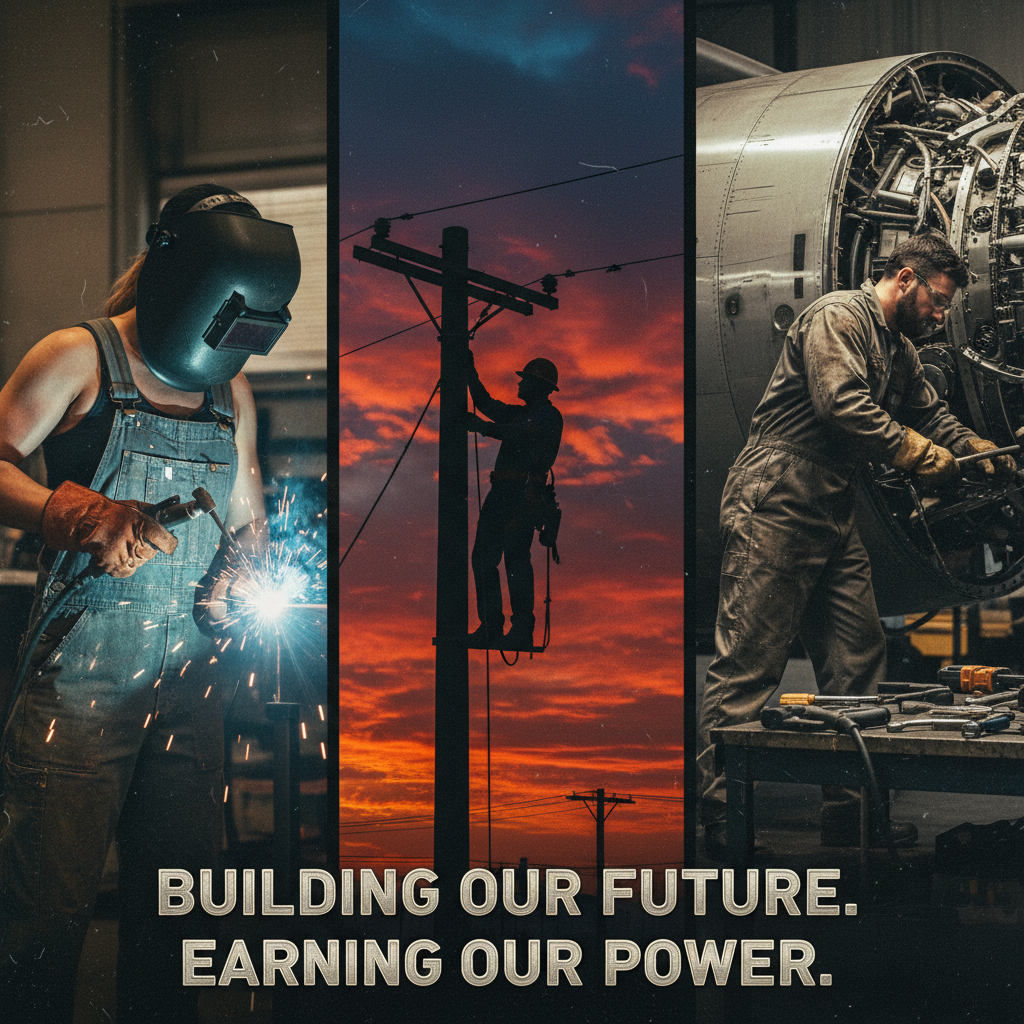
Listen up. For years, they’ve been selling one story: go to a four-year college, get a mountain of debt, and land a cushy office job. That’s the *only* path to success, right? Wrong. Dead wrong. While everyone else is fighting for cubicles and drowning in student loans, there’s a whole world of high-demand, high-respect, and high-paying jobs that let you build a life with your own two hands. We’re talking about blue-collar careers that are quietly paying out $80,000, $90,000, or even six figures. These aren’t just jobs; they’re skills for life. They’re careers that can’t be outsourced. This is the ultimate cheat sheet to the lucrative jobs nobody is talking about. It’s time to stop sleeping on the skilled trades and start stacking some real cash.
The Upward Climb: Elevator & Escalator Mechanic
The Paycheck
Let’s get straight to the point: this is one of the highest-paying skilled trades out there. The median pay is already pushing six figures, with top earners pulling in over $130,000 a year. Thanks to strong unions and high demand, the benefits and job security are top-tier. You’re not just earning a wage; you’re building a career with a serious pension.
The Hustle
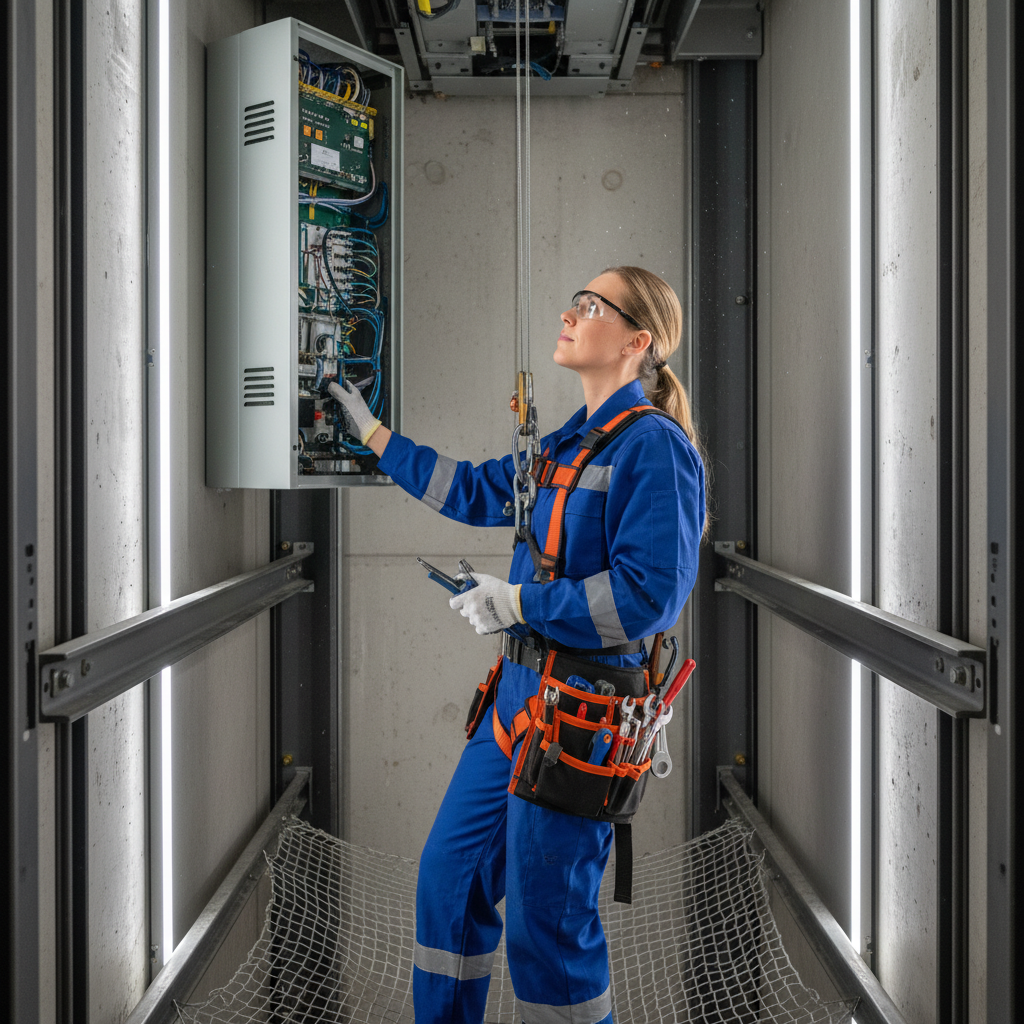
You are the person who keeps the modern world moving—literally. Elevator and escalator mechanics install, maintain, and repair elevators, escalators, moving walkways, and other lifts. It’s a mix of electrician, machinist, and problem-solver. You’ll work in tight spaces, at heights, and need a rock-solid understanding of electronics, hydraulics, and mechanics. It’s physically demanding but incredibly rewarding work that requires precision and a sharp mind. Every day is a different puzzle to solve.
How to Break In
The golden ticket is a multi-year apprenticeship, usually through the National Elevator Industry Educational Program (NEIEP). It’s competitive, so you’ll need a high school diploma, strong mechanical aptitude, and to pass an entrance exam. Getting a pre-apprenticeship certification in welding or electronics can give you a serious edge.
Networking Script: When talking to a union rep or company, try this: “I’ve been researching careers in the skilled trades, and the technical challenge and precision of elevator mechanics really stands out. I’m a hands-on learner with a strong aptitude for mechanical systems, and I’m looking for an opportunity to prove my work ethic in an apprenticeship program. What advice would you give someone determined to get their foot in the door?”
High Voltage, High Pay: Power Lineman
The Paycheck
When the lights go out, your paycheck goes up. Base salaries for linemen are solid, often starting around $75,000, but the real money is in the overtime. When a storm hits, you’re on the clock, and that time-and-a-half or double-time pay can easily launch your annual income well over $100,000. Experienced linemen in high-demand areas can clear $150,000+.
The Hustle
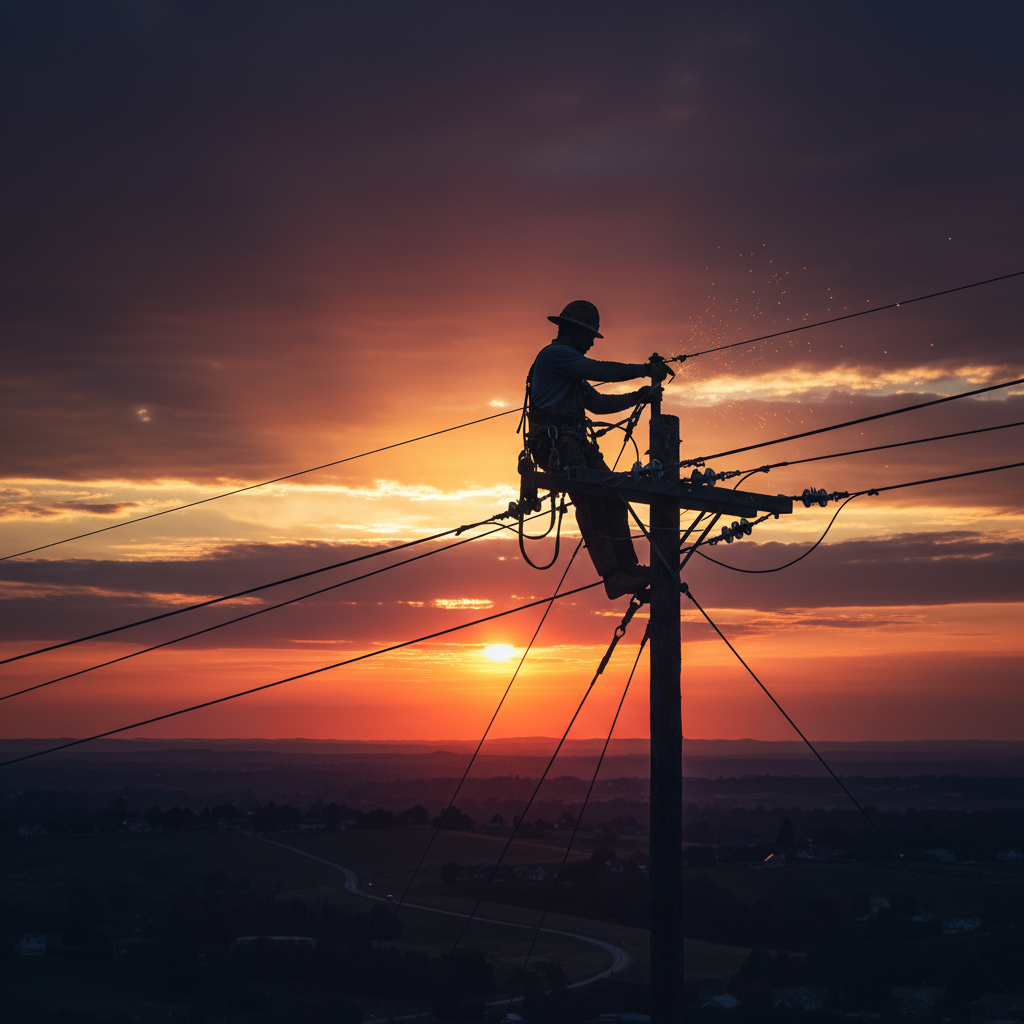
This job is not for the faint of heart. Linemen install and repair the electrical lines that power our entire world. You’ll be climbing utility poles, working from bucket trucks, and handling high-voltage cables in every imaginable weather condition—scorching heat, freezing cold, and wild storms. It’s physically brutal, dangerous, and requires unwavering focus. But you’re part of an elite brotherhood and sisterhood that keeps society running.
How to Break In
The path is typically through a paid apprenticeship with a utility company or contractor, which can last 3-4 years. Attending a pre-apprenticeship lineman school (often called a ‘climbing school’) can make your application stand out. You’ll need a commercial driver’s license (CDL) and to be comfortable with heights and extreme physical exertion.
The Green Wave: Wind Turbine Technician
The Paycheck
Get paid to see the world from a different perspective. Entry-level techs start in the $50,000 – $60,000 range, but with a few years of experience and specialized skills, you can easily clear $80,000 to $95,000. Lead technicians and site managers can earn well over six figures. This is a booming industry, so the demand and pay are only going up.
The Hustle
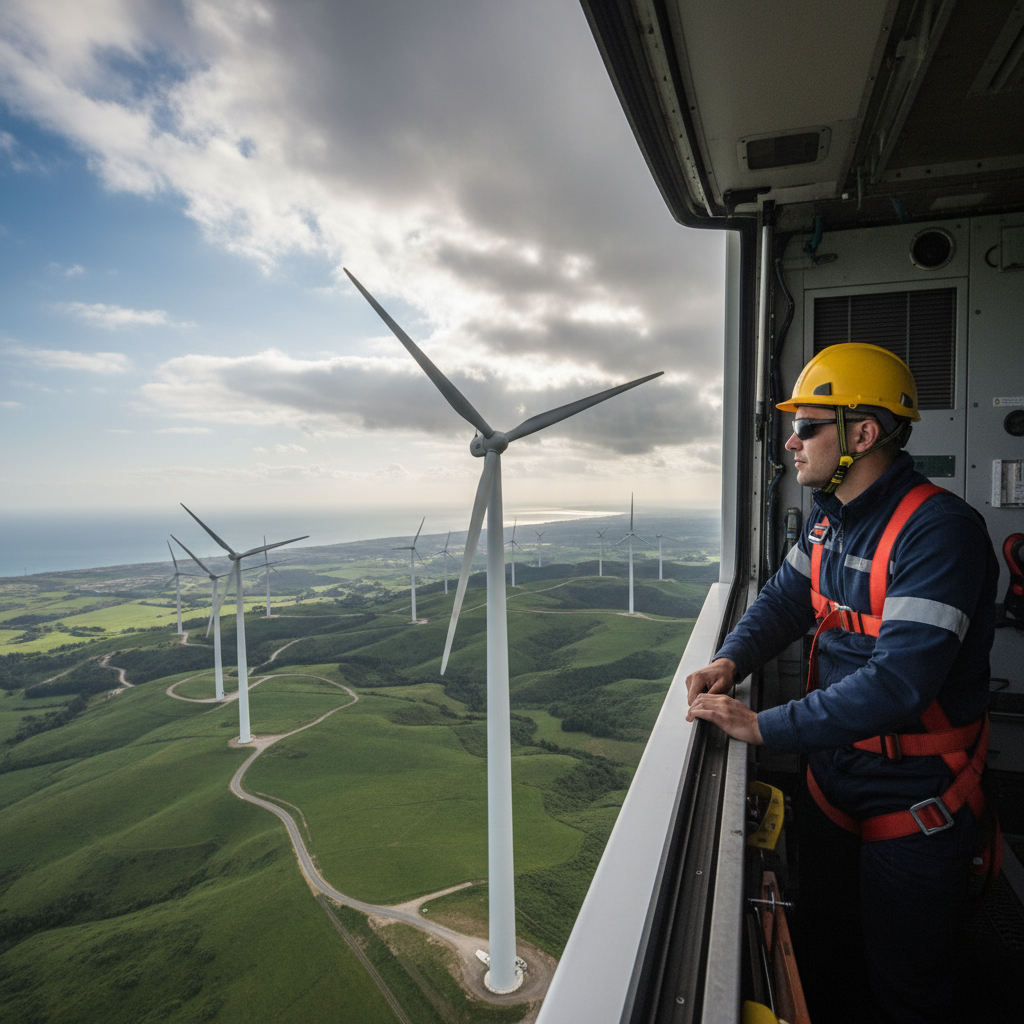
Also known as ‘Wind Techs,’ these are the modern-day adventurers of the energy sector. You’ll be responsible for inspecting, diagnosing, and repairing wind turbines. This means climbing hundreds of feet in the air, working in confined spaces, and understanding complex electrical and hydraulic systems. It’s a mix of a mechanic, electrician, and daredevil. If you love heights, technology, and don’t mind travel, this is a killer career.
How to Break In
Many wind techs get their start with a two-year associate’s degree or a one-year certificate from a technical college. These programs give you the foundational knowledge of electronics, hydraulics, and safety protocols. From there, companies provide manufacturer-specific, on-the-job training. Certifications from organizations like the Electronics Technicians Association are a huge plus.
The Machine Masters: Millwrights
The Paycheck
Precision pays. Experienced millwrights can expect to earn between $70,000 and $100,000 per year, especially with overtime. Union millwrights often see even higher wages and better benefits packages. In specialized industries like power generation or automotive manufacturing, the pay can be even higher.
The Hustle
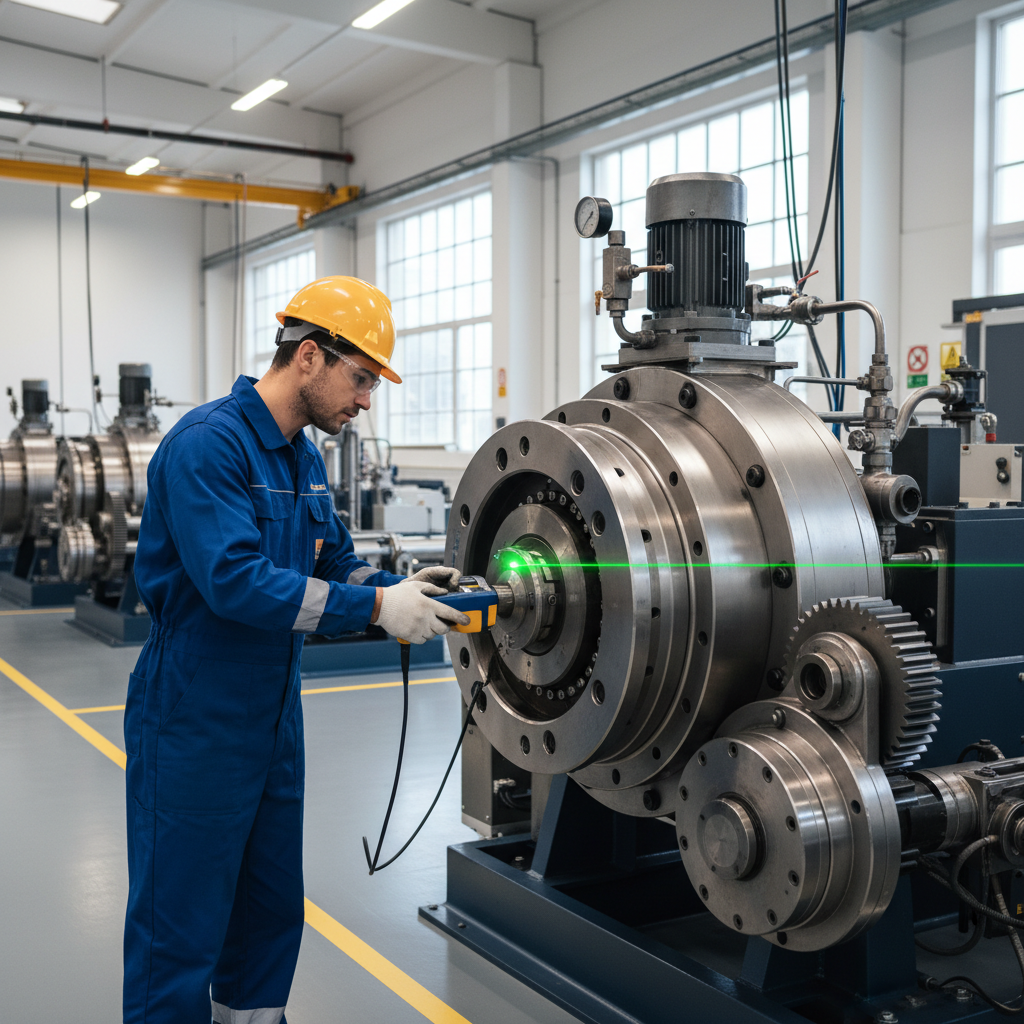
Millwrights are the surgeons of the industrial world. They are expert mechanics who install, dismantle, repair, and move heavy industrial machinery in factories, power plants, and construction sites. The job demands an incredible level of precision—sometimes working with tolerances as fine as a thousandth of an inch. You’ll be reading complex blueprints, using laser alignment tools, and operating heavy equipment like cranes and forklifts. It’s a thinking person’s trade that combines brute force with brainpower.
How to Break In
Like many trades, a formal apprenticeship is the best route. These programs combine thousands of hours of paid on-the-job training with classroom instruction. You’ll need a solid foundation in math, especially geometry and trigonometry, and a knack for problem-solving. Some start as helpers and work their way into an apprenticeship program.
The Pipeline to Profit: Pipefitter & Steamfitter
The Paycheck
Don’t confuse this with residential plumbing; this is the big leagues. Journeyman pipefitters regularly earn $75,000 to over $100,000 annually, particularly on large industrial projects or in the energy sector. The work is critical, so the pay reflects that responsibility.
The Hustle
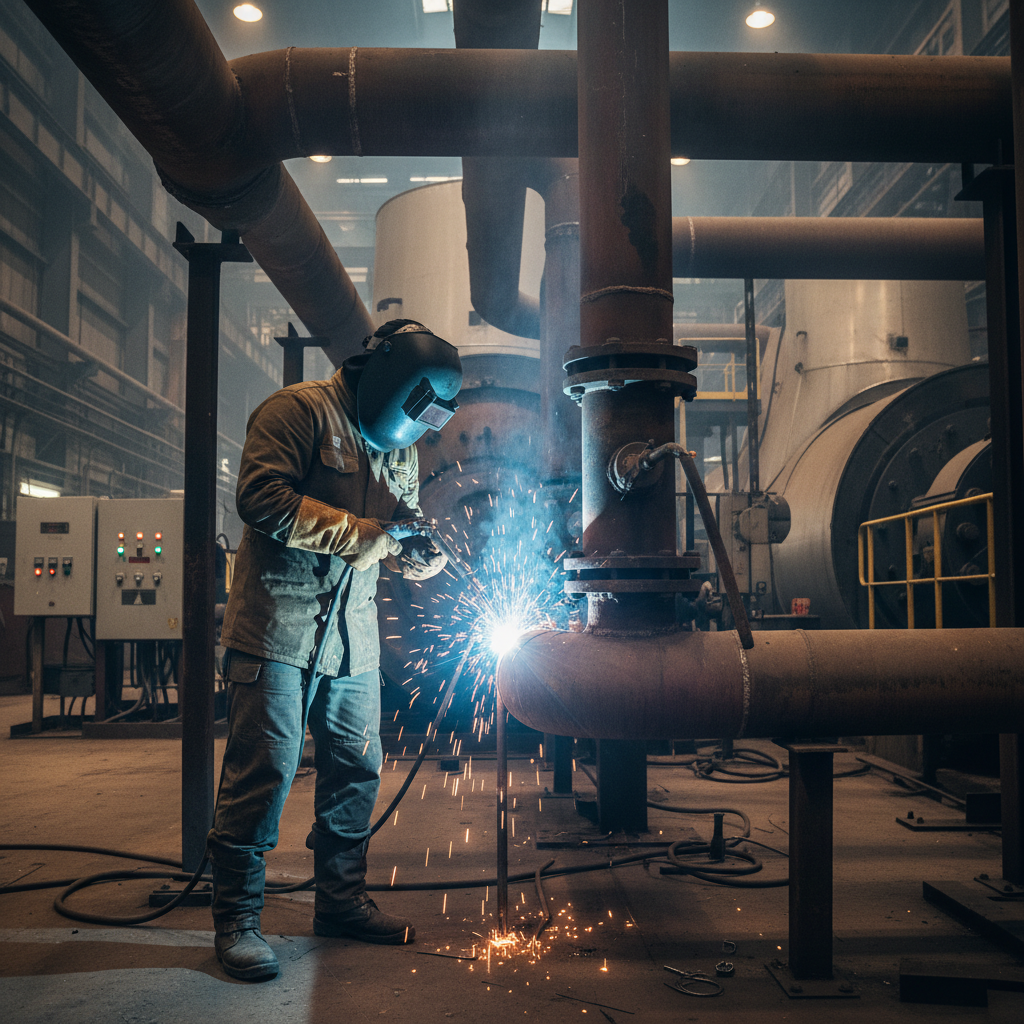
Pipefitters and steamfitters specialize in high-pressure piping systems that carry chemicals, acids, steam, and gases. They design, fabricate, and install these complex networks in places like power plants, oil refineries, factories, and hospitals. You’ll be welding, cutting, and shaping metal pipe to exact specifications, often in challenging environments. It’s a highly skilled trade that requires a deep understanding of physics, metallurgy, and system design.
How to Break In
A 4-5 year apprenticeship through the United Association (UA) union is the most common and respected path. You’ll learn everything from welding and blueprint reading to rigging and instrumentation. You need to be physically fit and have a strong mechanical aptitude to get into a program.
Inquiry Script: When calling a local UA hall, say: “Hi, I’m exploring a career in the skilled trades and I’m very interested in the pipefitting apprenticeship. I understand it’s a demanding but rewarding field. Could you tell me about the application process and what you look for in a strong candidate?”
Deep Pockets: Commercial Diver

The Paycheck
This is high-risk, high-reward. Pay varies wildly based on the job, but it’s not uncommon for experienced divers working on offshore oil rigs or in saturation diving to make $1,500 – $2,000 *per day*. Annually, this can translate to $100,000 to $200,000+, though the work is often contract-based.
The Hustle
Commercial divers are the ultimate blue-collar specialists. They do their work underwater. This includes underwater welding and cutting, construction, salvage operations, and inspections on everything from bridges and dams to pipelines and oil rigs. It’s physically and mentally demanding, requires you to stay calm under immense pressure (literally), and often involves working in zero-visibility conditions. You’re a welder, a construction worker, and a mechanic who just happens to work underwater.
How to Break In
This isn’t a hobby. You must attend a certified commercial diving school, which is an intense, multi-month program that costs a significant amount upfront. You’ll learn physics, medicine, and multiple underwater skills like welding. You need to be in peak physical condition and pass rigorous medical exams.
Forging a Fortune: Boilermaker
The Paycheck
The name sounds old-school, but the pay is brand new. Journeyman boilermakers can easily earn $80,000 to $110,000 a year, with significant overtime opportunities during plant shutdowns and major projects. It’s a tough job, and the compensation reflects that.
The Hustle
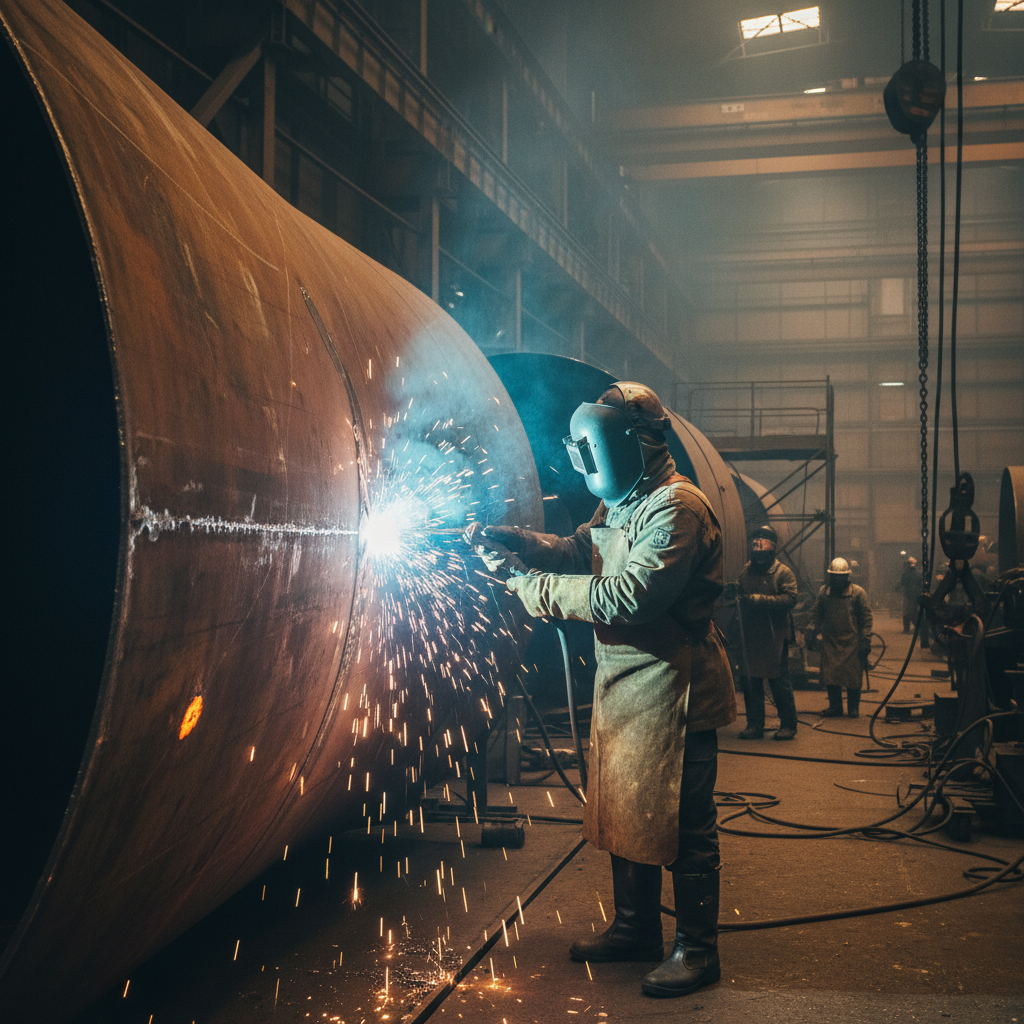
Boilermakers are heavy metal artists. They fabricate, install, and maintain the massive steel vats, tanks, and boilers used in power plants, refineries, and manufacturing facilities. The work involves intense welding, rigging heavy plates of steel, and working in confined spaces and at extreme heights. It’s physically grueling work that requires strength, skill, and a total commitment to safety.
How to Break In
The International Brotherhood of Boilermakers offers one of the best apprenticeship programs in the country. It’s a competitive four-year program that will train you in every aspect of the trade while you earn a good wage. Strong welding skills are a prerequisite for getting noticed.
From the Ground Up: Construction Manager

The Paycheck
This is blue-collar leadership, and it pays well. While it often requires experience or a degree, many managers start with tools in their hands. Salaries typically range from $85,000 to $150,000+ depending on the size and complexity of the projects you’re running.
The Hustle
You are the quarterback of the construction site. You’re responsible for the budget, hiring subcontractors, managing schedules, and ensuring everything is built to code and safely. It’s a high-stress job that involves long hours, solving constant problems, and managing dozens of personalities. You’re not swinging a hammer anymore, but you’re on your feet all day, dealing with the elements and the pressure of bringing a multi-million dollar project in on time and on budget.
How to Break In
Many construction managers work their way up. They start as a carpenter, electrician, or laborer, learn the business inside and out, show leadership potential, and eventually move into a foreman or superintendent role before becoming a manager. Alternatively, a bachelor’s degree in construction management is a common path. The key is combining hands-on field experience with business savvy.
First-Class Paycheck: Aircraft Mechanic
The Paycheck
The responsibility is huge, and so is the pay. Experienced aircraft mechanics, especially those working for major airlines, can expect to earn between $75,000 and $115,000 per year. Specialists with avionics (electronics) credentials or experience on specific large aircraft can command even higher salaries.
The Hustle
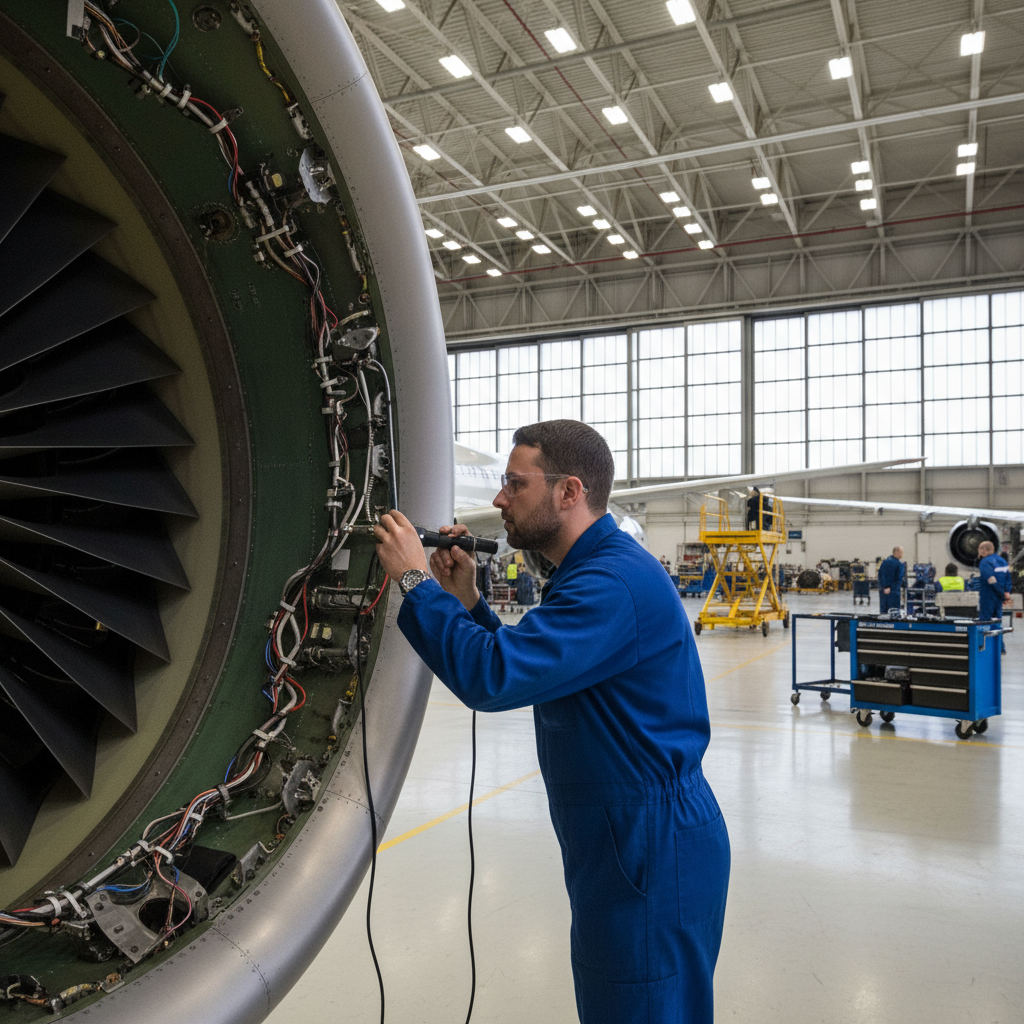
Aircraft and avionics technicians are responsible for the safety of every single person on a plane. They inspect, maintain, and repair aircraft, from small private planes to massive commercial jets. The work is meticulous, highly regulated, and requires absolute precision. You’ll be troubleshooting complex engines, hydraulic systems, and advanced electronics. There is zero room for error. You’ll often work nights, weekends, and holidays in hangars or out on the tarmac in all weather.
How to Break In
You must attend an FAA-approved Aviation Maintenance Technician School, which typically takes 18-24 months. After graduating, you must pass written, oral, and practical exams to earn your Airframe and Powerplant (A&P) license. This certification is your ticket to work in the industry.
Don’t Get Played: Spotting Job Scams

As you hunt for these high-paying gigs, the sharks will be circling. Scammers love to target ambitious people. Keep your head on a swivel and watch out for these red flags. Your time and money are too valuable to waste on fakes.
Key Rules to Avoid Scams:
- Never Pay for a Job or Training: Legitimate employers and union apprenticeships pay YOU to train. If someone asks for money upfront for ‘guaranteed placement’ or ‘special training materials,’ it’s a scam. Run.
- Vague Job Descriptions are a Red Flag: A real job posting will have specific duties, requirements, and location details. If it’s all hype about ‘making big money’ with no substance, be suspicious.
- Unprofessional Communication: Emails full of typos, requests for personal information over non-secure channels, or interviews conducted entirely via text message are massive warning signs.
- ‘On-the-Spot’ Offers: These high-skill jobs have a real hiring process. If a company offers you a $90,000 job after a 10-minute phone call without checking references or qualifications, something is wrong.
Trust your gut. If an offer seems too good to be true, it probably is. Stick to official company websites, union halls, and reputable job boards.
Conclusion
The narrative that you need a bachelor’s degree to build wealth is officially busted. The ten careers we just broke down are proof that skill, grit, and hard work can lead to a bigger paycheck than many white-collar jobs—without the soul-crushing debt. These aren’t just jobs; they are powerful careers that put you in the driver’s seat of your financial future. The demand is real, the money is serious, and the opportunity is waiting. Stop waiting for permission to be successful. Do your research, pick a path that fits your hustle, and go build a life the world can’t ignore.